Packing list for windy Wellington
What should I pack for Wellington's wind?
A genuinely windproof (not just water-resistant) outer layer, several thinner layers you can add or remove through the day, and shoes with a solid grip for the city's hills — skip the umbrella, since Wellington's wind destroys them reliably. Pack for changeable weather within a single day regardless of season.
Packing for Wellington means packing for wind, first
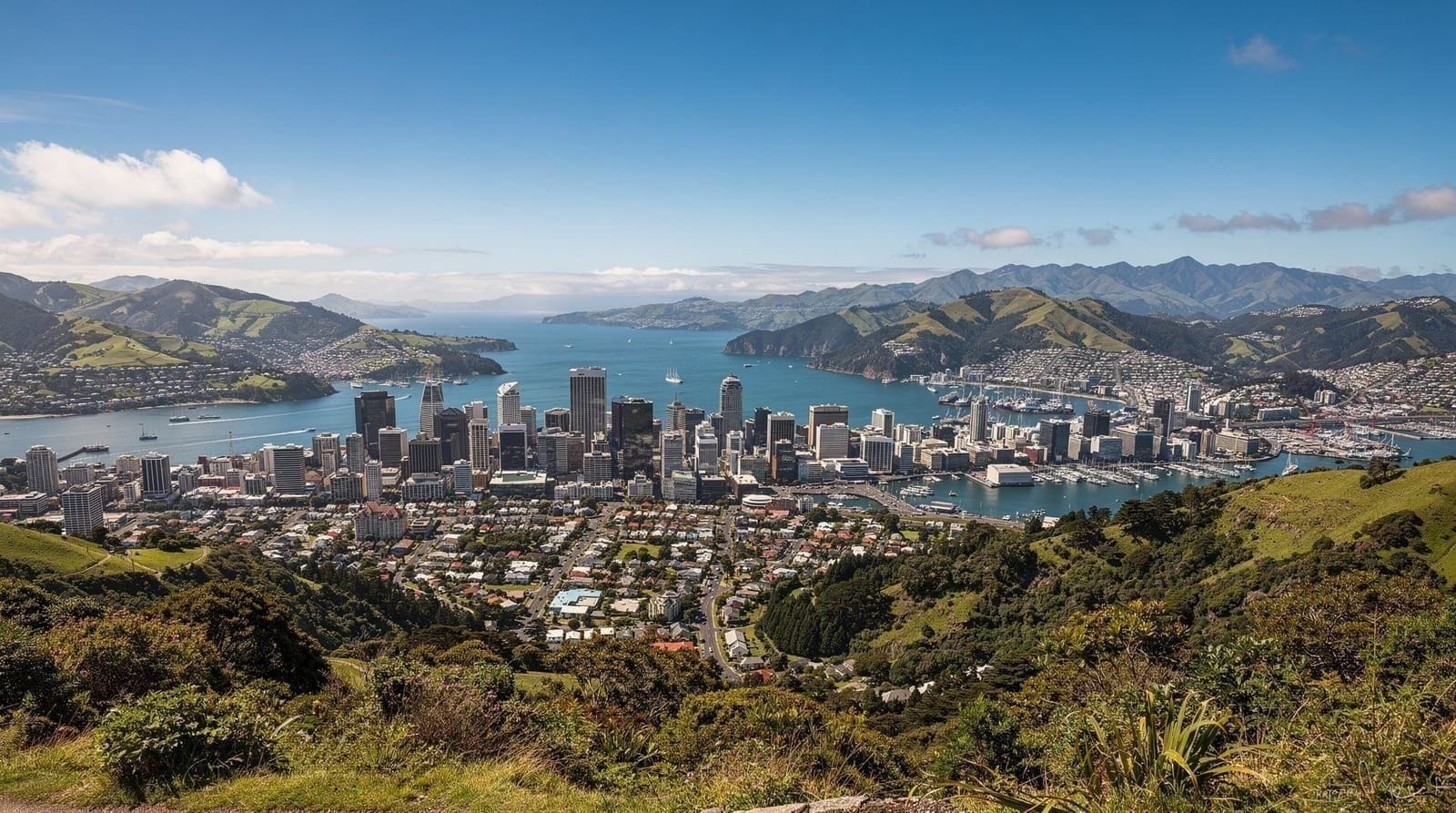
Wellington’s reputation as the “Windy City” isn’t tourist-brochure exaggeration — it’s a genuinely persistent structural feature of the local climate, driven by the city’s position at the exposed southern tip of the North Island funnelling straight into Cook Strait. This guide covers what’s actually worth packing to handle it, alongside the more standard clothing and gear you’d bring for a New Zealand city visit at any time of year.
| Must-pack | Genuinely windproof (not just water-resistant) hooded jacket |
| Skip | Umbrellas — Wellington’s wind destroys them reliably |
| Footwear | Closed shoes with solid grip for the city’s hills |
| Layering | 2-3 thinner layers over one heavy garment |
| Season variance | Only the weighting between layers shifts, not the core list |
The single most important item: a windproof outer layer
A genuinely windproof jacket — not just water-resistant, but specifically windproof — is the single highest-value item for a Wellington trip, since the city’s wind can make even a mild day feel considerably colder than the actual temperature suggests, especially around the exposed waterfront, Mount Victoria’s lookout, or the upper cable car terminal at Kelburn. A hood that cinches securely matters more here than in most cities, since a loose hood in Wellington’s wind is more nuisance than protection.
Skip the umbrella entirely
Umbrellas and Wellington’s wind are a genuinely bad combination — even a moderately blustery day is enough to turn a standard umbrella inside out or snap its ribs, and a proper gale makes carrying one actively pointless. A hooded, windproof rain jacket handles Wellington’s combination of wind and rain far more reliably than an umbrella ever will, and it’s worth mentally reframing your rain strategy around a jacket rather than the umbrella habit you might rely on elsewhere.
Layers, layers, layers
Wellington’s weather changes noticeably within a single day more often than most cities, and temperature swings between a sunny morning and a windier, cooler afternoon are common regardless of season. Packing several thinner layers — a base layer, a light mid-layer like a fleece or jumper, and the windproof outer shell — lets you adjust through the day rather than being stuck either overheating or underdressed in a single heavier garment. This layering approach matters even in summer (December-February), when a genuinely warm 22-25°C day can still feel noticeably cooler in an exposed, windy spot.
Footwear for the hills
Wellington’s CBD is walkable but genuinely hilly in several directions, and paths around the Botanic Garden, Mount Victoria and several of the city’s residential neighbourhoods involve real inclines rather than flat pavement throughout. Comfortable, closed shoes with solid grip — trainers or light walking shoes — suit the city far better than sandals or anything with a slick sole, particularly if rain has left surfaces damp on top of the incline itself.
Season-specific additions
Summer (December-February): Sun protection (hat, sunscreen, sunglasses) alongside the usual layers, since UV levels in New Zealand run higher than many visitors expect even on a breezy day that doesn’t feel especially hot. Autumn (March-May): A slightly heavier mid-layer than summer, given cooling evenings, though days remain generally mild. Winter (June-August): A genuinely warm jacket, gloves and a hat, plus waterproofs, given the season’s combination of cooler temperatures, more persistent rain and the year’s strongest winds. Spring (September-November): A similar layering approach to autumn, with more day-to-day variability worth planning around given spring’s genuinely mixed weather pattern.
What you probably don’t need
Heavy, non-packable winter coats are rarely necessary even in Wellington’s winter, since temperatures (8-14°C) are cool rather than genuinely cold by most travellers’ standards — a good windproof shell over warm layers handles winter comfortably without needing a bulky parka. Similarly, dedicated hiking boots are overkill for most standard city sightseeing; they’re worth packing specifically if your plans include the Remutaka Rail Trail, Queen Charlotte Track or similarly serious trail walking, but not for a standard CBD-and-cable-car visit.
Sunglasses and eye protection
Beyond sun protection in summer, sunglasses are genuinely useful year-round in Wellington given how often the wind carries dust and grit, particularly around the waterfront and any construction areas — a minor but real comfort factor worth a moment’s thought when packing.
A packable day bag
A small, secure day bag or backpack (rather than anything with loose straps or an open top that the wind can catch) makes carrying a spare layer, water and any small purchases through the day considerably more comfortable than juggling loose items by hand, particularly on a genuinely gusty day around the waterfront or Mount Victoria.
Packing for specific activities
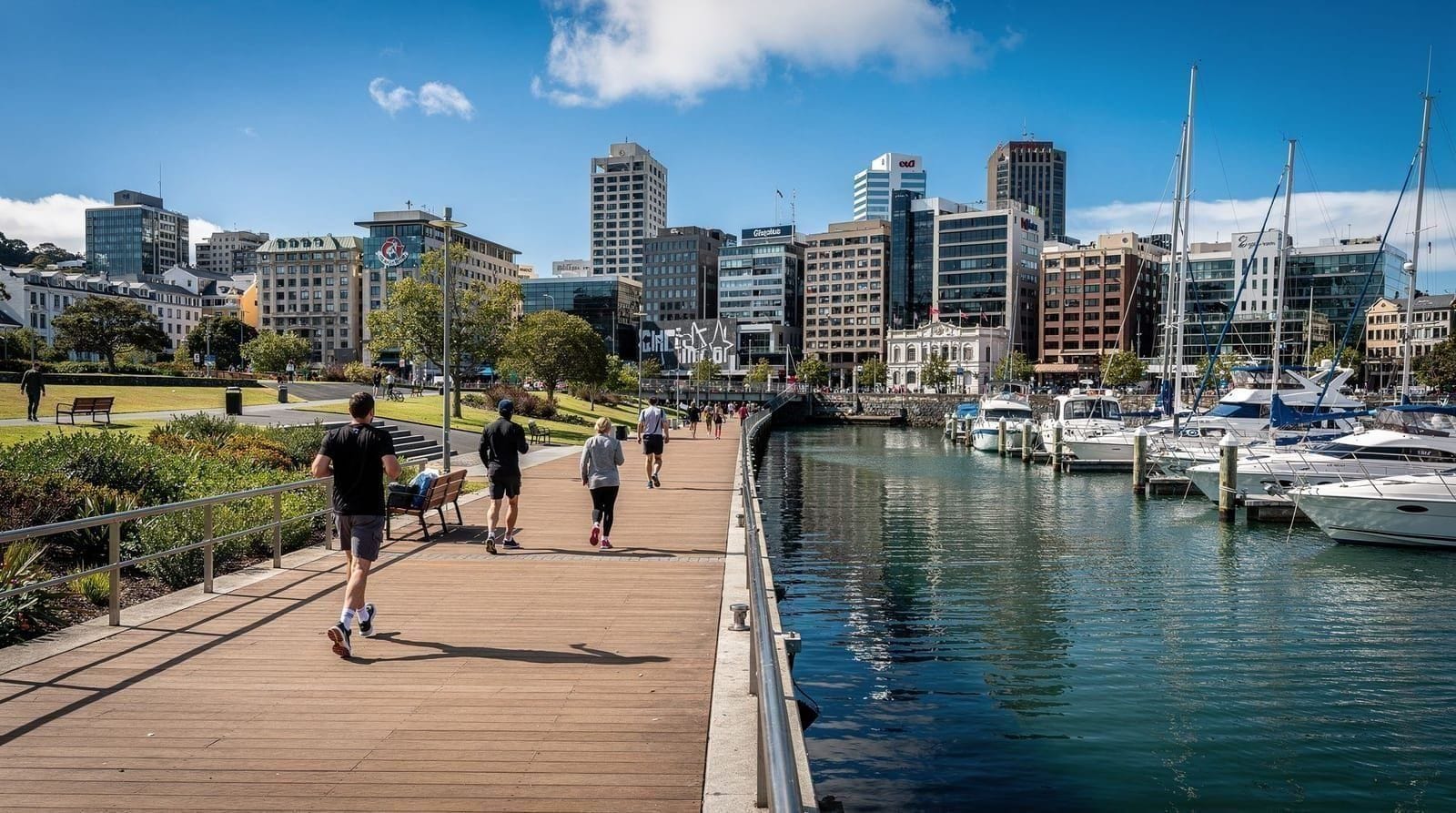
If your Wellington visit includes the waterfront walk or Mount Victoria’s lookout, both genuinely exposed spots, prioritise the windproof layer and secure footwear specifically for those outings over the rest of your itinerary. A Martinborough wine day trip or a Cook Strait ferry crossing call for a similar layered approach, since both involve some time outdoors in variable coastal or hill-country conditions beyond the city’s own microclimate.
Adjusting your packing to the season you’re visiting
If you have flexibility over when you travel, our best time to visit Wellington guide covers the fuller seasonal comparison — but regardless of which season you land on, the core packing principle stays the same: a windproof outer layer, adjustable layers underneath, and secure footwear matter more in Wellington than in most other city destinations, where a lighter, less wind-specific packing approach would normally suffice.
A practical packing checklist
Pulling the guide’s recommendations together, a sensible core packing list for Wellington includes: a genuinely windproof, hooded rain jacket; two to three thinner layers (base layer, light mid-layer); comfortable closed shoes with solid grip; sunglasses; a small, secure day bag rather than anything with loose straps; a packable extra layer for exposed viewpoints like Mount Victoria or the cable car terminal; and season-specific additions (sun protection in summer, warmer layers and gloves in winter). This core list holds regardless of which season you’re visiting, with only the weighting between layers shifting.
Why Wellington’s wind is genuinely structural, not occasional
Wellington’s exposure comes from its position at the narrowest point of Cook Strait, which funnels air between the North and South Islands and accelerates it as it passes the city — a geographic feature rather than a passing weather pattern, meaning the wind is a near-daily consideration rather than an occasional event to plan around. This is part of why locals and long-term visitors treat wind-appropriate clothing as a baseline assumption rather than a special contingency, and why it’s worth taking this guide’s advice more seriously than a generic “pack a jacket just in case” recommendation you might apply to another city.
Laundry and packing light with fewer, adaptable items
Given the value of layering over single heavy garments, packing a smaller number of adaptable pieces — a couple of base layers, one solid mid-layer, one genuinely good windproof shell — and doing a load of laundry partway through a longer stay works better for a Wellington trip than packing a large, bulky wardrobe trying to cover every possible condition. Most mid-range accommodation offers at least basic laundry facilities or a nearby laundromat, making this a practical strategy rather than a compromise.
What experienced Wellington visitors pack differently on a second trip
Visitors returning to Wellington for a second time often report packing lighter and more specifically than their first visit — fewer “just in case” items, and more confidence in the core windproof-layer-plus-good-shoes formula that this guide recommends. First-time visitors, without that direct experience, understandably tend to over-pack for a wider range of conditions than actually eventuates; leaning on this guide’s specific recommendations rather than a generic international packing list helps close that gap on a first visit.
Packing differently for a Wellington-plus-South-Island trip
If your itinerary extends across the Cook Strait ferry toward Picton, Marlborough or Kaikōura, pack with the awareness that South Island conditions, particularly around Kaikōura’s coastline or higher-altitude wine country stops, can differ meaningfully from Wellington’s specific wind-driven microclimate — genuinely cold mornings and evenings even in seasons where Wellington itself feels comparatively mild. A slightly broader temperature range in your packing list makes sense for this kind of combined itinerary compared with a Wellington-only city visit.
Packing for specific Wellington activities beyond standard sightseeing
If your itinerary includes more active outdoor pursuits — mountain biking at Makara Peak, walking a section of the Remutaka Rail Trail, or a harbour kayaking outing — pack activity-specific gear (proper cycling or hiking layers, a change of clothes for after a paddle) separately from your general city-sightseeing wardrobe, since the wind and exposure on these more remote or elevated routes can exceed what you’d experience on a standard CBD walking day considerably.
Rain gear versus wind gear: understanding the difference
It’s worth distinguishing between rain protection and wind protection when packing, since the two aren’t automatically the same thing — a jacket rated highly for waterproofing isn’t necessarily windproof, and vice versa. The ideal Wellington jacket combines both properties in a single garment (a genuinely wind-and-waterproof shell), rather than assuming a rain jacket bought for a different, calmer climate will automatically handle Wellington’s specific wind conditions as well.
Packing electronics and valuables securely
Beyond clothing, Wellington’s wind is worth factoring into how you carry phones, cameras and other valuables outdoors — a secure zip pocket rather than an open bag pocket prevents a gust from dislodging something at an exposed viewpoint like Mount Victoria or the cable car terminal. This is a minor point, but one that catches out visitors who’ve never before needed to think about wind as a factor in how they carry belongings while sightseeing.
Luggage considerations for a Wellington-inclusive New Zealand trip
If Wellington is one stop on a broader New Zealand itinerary that also includes warmer northern destinations or cooler South Island legs, packing a genuinely versatile set of layers usable across all these conditions — rather than destination-specific outfits for each stop — keeps your luggage manageable while still covering Wellington’s particular wind-driven demands within the wider trip’s overall packing strategy.
Packing mistakes that catch out first-time visitors
The most common packing mistakes visitors make ahead of a Wellington trip are bringing an umbrella instead of (or in addition to, unnecessarily) a proper windproof jacket, underestimating how much cooler an exposed viewpoint feels compared with a sheltered street just a few minutes away, and packing dress shoes or sandals as their primary footwear without accounting for the city’s genuinely hilly terrain. Each of these is easy to correct once you know to expect it, which is largely the purpose of this guide — arriving having already adjusted your packing list rather than discovering these lessons the hard way on day one.
A note on buying gear locally if needed
If you land in Wellington without adequate wind or rain protection, several outdoor and general clothing retailers in the CBD sell genuinely suitable windproof jackets and similar gear at a range of price points, so it’s not a crisis if you’ve underpacked — simply a small additional expense best resolved on your first day rather than persisting through a windy walk underprepared. Op shops (secondhand stores), common along Cuba Street, are also a genuinely good, inexpensive source for a spare layer if you find you need one partway through your stay.
How this guide’s advice differs from generic New Zealand packing lists
Many general New Zealand packing guides emphasise layering for temperature variation across the country’s different regions and seasons, which is sound general advice but doesn’t fully capture Wellington’s specific, near-daily wind exposure as a distinct planning factor in its own right. This guide’s emphasis on windproofing specifically (as distinct from simply “warm layers” or “rain gear”) reflects Wellington’s particular character among New Zealand cities, and is worth prioritising over more generic national packing advice if Wellington is a significant part of your itinerary.
Testing your gear before you travel
If you’re buying a new jacket or shoes specifically for this trip, wearing them on at least one genuinely blustery or wet day at home before departure is a worthwhile test — a jacket rated “windproof” by its label doesn’t always perform as expected in practice, and discovering a gap in your gear’s performance at home, with time to exchange or supplement it, beats discovering the same gap for the first time on an exposed Wellington viewpoint.
Packing for a partner or family member who feels the cold more
If you’re travelling with someone who runs colder than you, or a child less able to communicate discomfort clearly, it’s worth erring toward an extra layer for them specifically rather than assuming a single family packing standard suits everyone equally — Wellington’s wind chill affects people differently, and a slightly over-prepared child or partner costs little compared with an uncomfortable, wind-battered day cutting short an otherwise good outing.
A final checklist to run through before you zip your bag
As a last check before departure: windproof hooded jacket, packed; at least two adaptable layers beyond the jacket, packed; closed, grippy shoes, packed (and worn on the flight if luggage space is tight); sunglasses, packed; no umbrella taking up space that could hold something more useful. This short final review, run through the night before you fly, catches the handful of Wellington-specific items this guide has emphasised throughout, on top of whatever standard travel packing list you’d already be working from.
A quick reference by season
| Season | Core items | Extra notes |
|---|---|---|
| Summer (Dec-Feb) | Windproof jacket, sun protection, light layers | UV runs higher than many visitors expect |
| Autumn (Mar-May) | Windproof jacket, slightly heavier mid-layer | Wellington’s most reliably clear season |
| Winter (Jun-Aug) | Windproof jacket, warm mid-layer, gloves, hat, waterproofs | 8-14°C — cool, not genuinely cold |
| Spring (Sep-Nov) | Similar to autumn, extra layer in reserve | Greatest day-to-day variability |
Across all four, the constants stay the same: no umbrella, secure footwear for the hills, and a windproof (not just water-resistant) outer shell as the single non-negotiable item.
Rain covers for bags and cameras
Beyond the clothing itself, a simple rain cover for your day bag or camera pack is worth carrying given how quickly Wellington’s weather can turn from dry to wet within a single outing — a small, packable cover takes up almost no room but saves you from a soaked bag interior on a day that started sunny and finished with an unexpected shower blowing in off the harbour.
Packing for a Cook Strait ferry crossing
If your itinerary includes a Cook Strait ferry crossing to Picton, pack with the awareness that open-water conditions on the strait itself can be considerably windier and colder than Wellington’s own CBD streets, even on a day that felt mild in the city. A windproof layer worn on deck rather than packed away makes the difference between enjoying the crossing’s genuine scenic value and retreating indoors for the full 3.5 hours — bring it as carry-on rather than checked luggage if you’re travelling with a car, since it’s easy to lose access to a bag stored in a vehicle deck once the crossing begins.
Packing differently for wildlife and outdoor activity days
Days built around Zealandia or a harbour walk involve more sustained outdoor time than a standard CBD sightseeing day, so pack accordingly — a slightly more generous water supply, sun protection even on an overcast day given New Zealand’s UV levels, and comfortable, broken-in shoes rather than anything new you haven’t tested for a full day’s walking. These activity-specific additions sit on top of, rather than replacing, the core windproof-jacket-and-layers foundation that applies to every Wellington day regardless of specific plans.
Packing for a Cable Car and Botanic Garden day specifically
The upper cable car terminal at Kelburn and the Botanic Garden’s more exposed upper paths catch noticeably more wind than the sheltered lower garden and Lambton Quay below, so if your day includes both the cable car and a garden walk, keep your windproof layer accessible rather than packed away at the bottom of a bag — you’ll likely want it again within minutes of stepping off the cable car at the top, even on a day that felt calm at street level.
Connecting packing decisions to your season and itinerary
This guide works best read alongside our best time to visit Wellington guide, which sets out the seasonal temperature and rainfall detail this packing advice is built around, and our do you need a car in Wellington guide, since a self-driven Wairarapa day trip or a day of walking the waterfront call for slightly different practical gear within the same overall wind-first packing philosophy. Our Wellington wind survival guide goes deeper on the city’s specific wind patterns if you want a fuller understanding beyond the packing advice covered here.
Packing for photography in Wellington’s conditions
Photographers should consider a lens cloth and a small dry bag for camera gear given the combination of wind-blown spray near the waterfront and the occasional sudden shower, both genuinely more common here than in most other New Zealand cities on the standard sightseeing circuit.
A note on packing for children specifically
Children generally lose body heat faster than adults and communicate discomfort less clearly, so packing a spare warm layer specifically for a child, beyond what feels necessary for yourself, is a sensible precaution rather than overcaution. A well-fitted, hooded windproof jacket matters just as much for kids as adults given how exposed spots like Mount Victoria or the waterfront affect smaller bodies more noticeably, and a change of dry socks is worth carrying separately for children who are more likely to end up with wet feet after a puddle or a damp park visit.
Where to check current conditions before you pack
A quick look at a Wellington-specific weather forecast a few days before departure, rather than relying purely on this guide’s seasonal averages, lets you fine-tune the final one or two items in your bag — an extra warm layer if a cold snap is forecast, or lighter options if an unusually settled, mild stretch is expected for your specific travel week.
The bottom line
Wellington’s wind is a genuine, near-constant factor rather than an occasional weather event, and packing specifically for it — a windproof (not just water-resistant) jacket, layerable clothing, secure footwear, and no umbrella — does more for your comfort than any other single packing decision for this trip. Everything else follows fairly standard New Zealand city-visit logic once that wind-specific foundation is covered.
Frequently asked questions about Packing list for windy Wellington
Should I bring an umbrella to Wellington?
No — Wellington's wind turns umbrellas inside-out or breaks them within minutes on a genuinely blustery day. A hooded, windproof rain jacket is the far more reliable option.Do I need warm clothes even in summer?
Yes, at least a packable light layer — Wellington's wind can make even a warm 22°C day feel considerably cooler, particularly around the exposed waterfront or Mount Victoria's lookout.What footwear is best for Wellington?
Comfortable, closed shoes with good grip, given the city's hilly streets and the cable car area's steeper paths — trainers or light hiking shoes suit most itineraries better than sandals or dress shoes.How windy does it actually get?
Wellington is genuinely one of the windiest cities in the world, with gusts regularly strong enough to affect walking comfort, particularly around the waterfront and elevated spots like Mount Victoria — it's a structural feature of the local climate rather than an occasional weather event.