Wellington in spring
Wellington: Zealandia by Day Guided Walking Tour
Duration: 2h
What is Wellington like in spring?
September to November brings a genuine mix — warming daytime temperatures rising from around 12°C in September to the high teens by November, but also the year's most changeable weather and, for many locals, the windiest stretch of the calendar. Crowds and prices sit below summer but above the winter low, and the Botanic Garden's spring blooms are a real highlight.
The season of extremes
Spring in Wellington — September through November — is the calendar’s most contradictory stretch. It brings genuinely warming weather, expanding daylight and the Botanic Garden’s most colourful blooming season, but it also brings, by many locals’ own account, the strongest and most persistent winds of the entire year. Where summer’s wind is an occasional interruption and autumn’s is barely noticeable, spring’s low-pressure systems roll through with real regularity, particularly in September and October, before the pattern gradually settles by late November. It’s a season that rewards flexibility more than any other on this site’s seasonal guides.
| Temperature | 12–15°C (Sep) rising to 18–20°C (Nov) |
| Wind | The year’s strongest and most persistent, especially Sep–Oct |
| Prices | Below summer, comparable to autumn, climbing in late Nov |
| Best month | November, for the weather-to-price trade-off |
| Book ahead | 4–6 weeks; earlier for late-November dates |
What the weather actually does
September typically still carries a late-winter chill, with daytime temperatures commonly in the 12-15°C range and a real chance of a cold snap or even light hill snow in the surrounding ranges. October is the classic transition month, warming into the mid-to-high teens but also historically the windiest month of the year for Wellington, driven by the seasonal shift in the jet stream position over the country. November closes spring out on a noticeably better note, with temperatures often reaching 18-20°C, calmer conditions more often than not, and a genuine sense that summer is close. Rain is spread unevenly across the season — showery, changeable days are common, but they tend to pass through quickly rather than settling in for a multi-day soak the way a winter front can.
Day length grows quickly across the season — from around 11.5 hours of daylight in early September to close to 14.5 hours by late November — which is one of spring’s clearest and most reliable advantages over winter, even on a day when the wind or rain doesn’t cooperate. A four o’clock sunset in early September gradually pushes past eight o’clock by the time November arrives, opening up genuinely long evenings for harbour walks and outdoor dinners once the wind allows for it.
Why spring gets a mixed local reputation
Ask a Wellingtonian about spring specifically and you’ll often get a slightly rueful answer, distinct from the straightforward praise autumn receives or the resigned acceptance winter gets. Locals tend to describe spring as the season that promises summer and then makes you wait for it through weeks of galeforce northerlies and southerly changes — a real, lived pattern rather than exaggeration, since Wellington’s position at the Cook Strait’s narrow southern gateway means the more active weather systems typical of the shoulder season get funnelled and accelerated through the city with particular force. This reputation is worth knowing before arrival mainly so a windy September week doesn’t feel like unusually bad luck — it’s closer to typical.
The wind, specifically
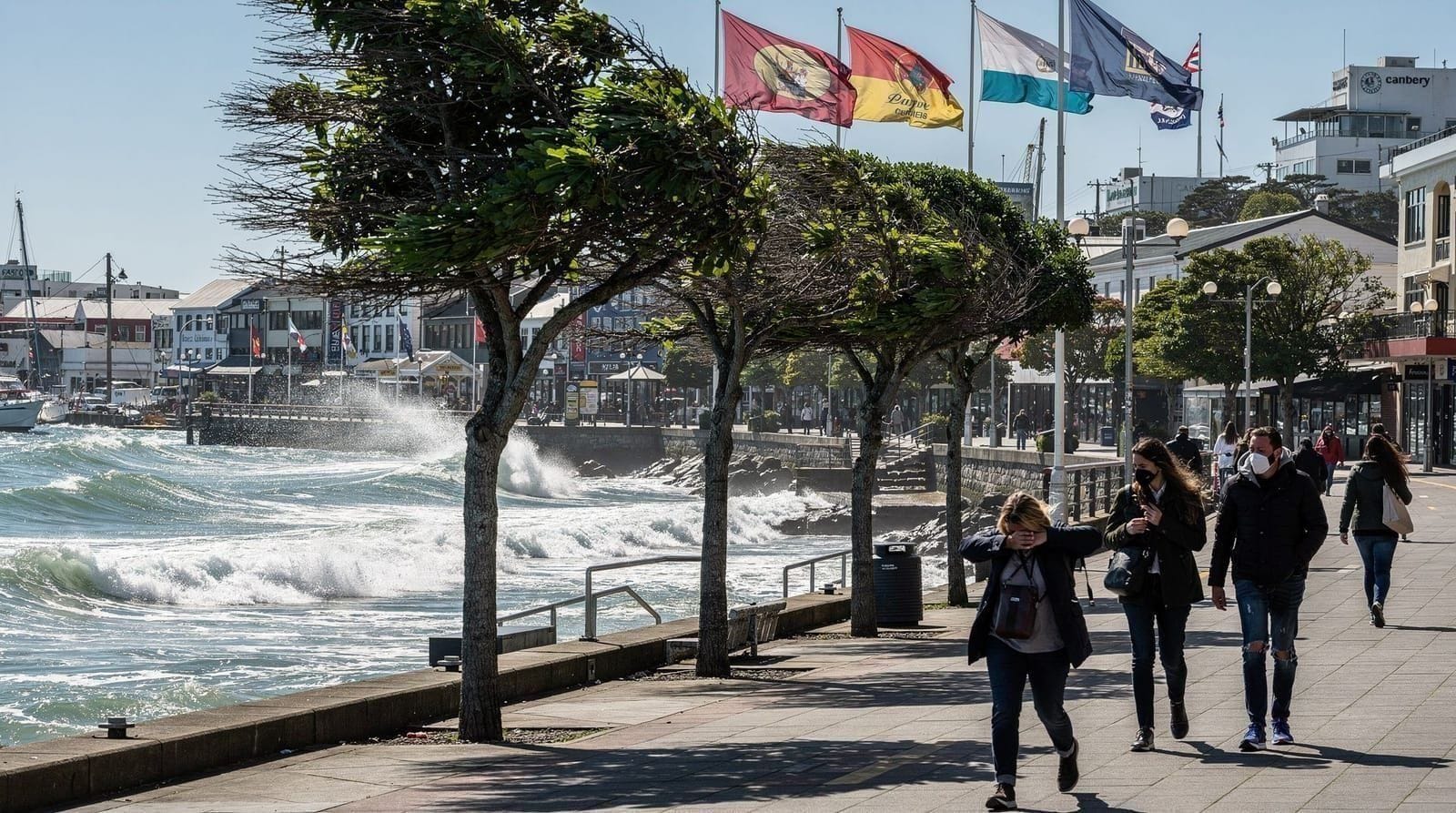
If there’s one thing to plan around in spring, it’s the wind rather than the rain or the temperature. September and October regularly deliver days with sustained winds strong enough to make umbrellas pointless and exposed viewpoints like Mount Victoria’s lookout or the open sections of the waterfront genuinely unpleasant to linger at. This is partly a seasonal weather-system effect and partly Wellington’s particular geography — the city sits at the narrow, funnel-shaped southern end of Cook Strait, and spring’s more active weather systems get squeezed and accelerated through that gap more forcefully than in other seasons. Our Wellington wind survival guide goes into the practical detail of dressing and planning around it, and it’s worth reading before a spring trip specifically, more so than for any other season on this site.
Where spring genuinely shines
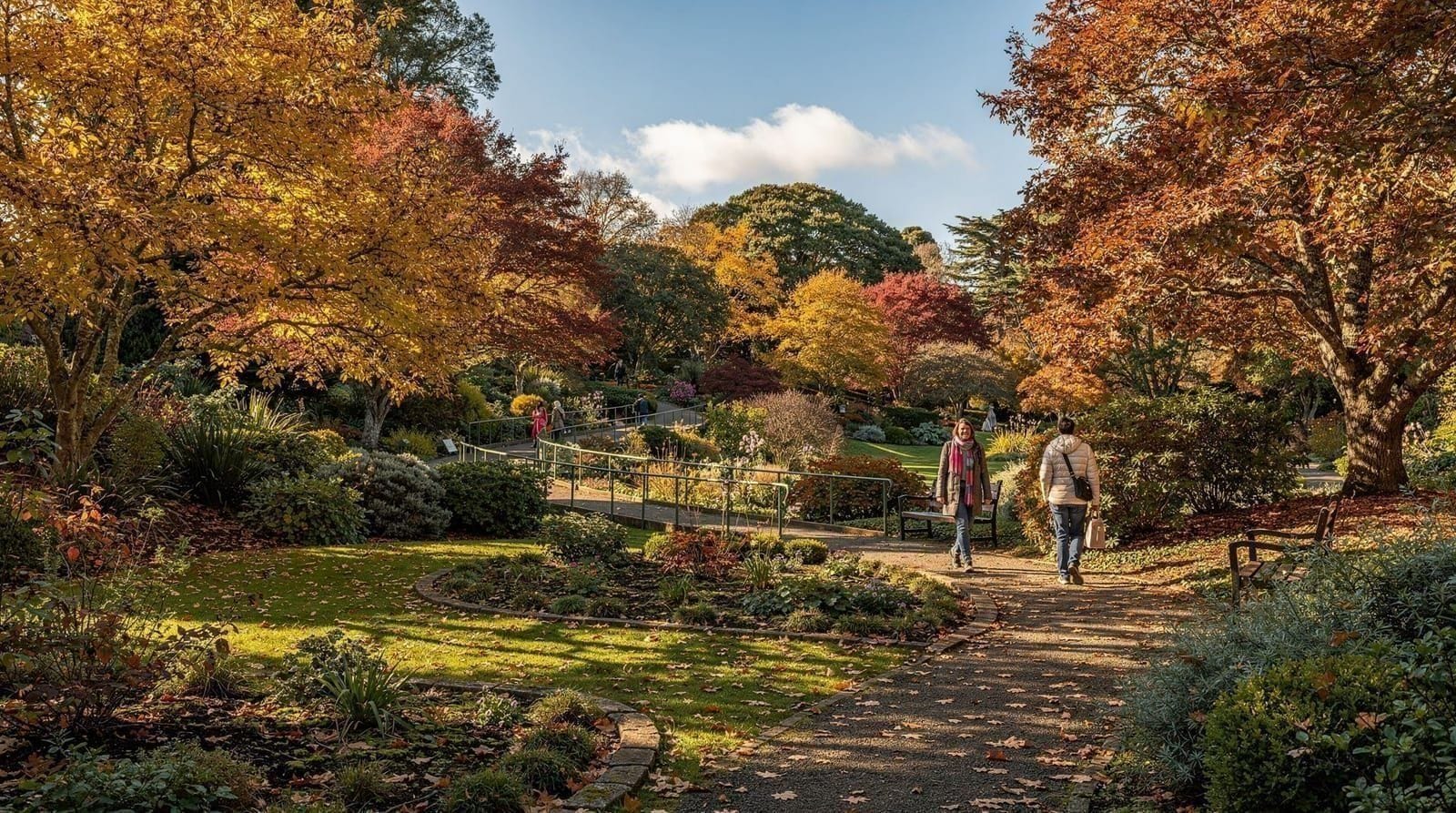
The Wellington Botanic Garden is spring’s clearest highlight. Rhododendrons, magnolias and the Garden’s spring bulb displays peak through September and October, offering a completely different character to the same paths that turn gold in autumn — see our Wellington Botanic Garden guide for the best routes to catch the bloom. Zealandia also benefits from spring, since it’s breeding season for many of the reserve’s native bird species, making a guided day walk more rewarding for birdwatching than at almost any other time of year — this guided Zealandia day walk is worth timing for a spring date specifically if birdwatching is a priority. Longer daylight hours through October and November open up the same extended-evening opportunities summer offers — a sunset walk up Mount Victoria becomes realistic again after months of early winter darkness, on the calmer spring evenings when the wind does cooperate.
Crowds and pricing
Spring sits in a genuine middle ground on both counts. Accommodation pricing is noticeably below the summer peak but above winter’s rock-bottom rates, roughly comparable to autumn in September and October before gradually climbing through November as summer bookings start to firm up. Crowds follow a similar pattern — quieter than summer through most of the season, with a gradual pickup toward the end of November as the peak season approaches. This makes early-to-mid spring one of the better value windows on the calendar for travellers who can tolerate the wind in exchange for lower prices and thinner queues at popular attractions.
Martinborough and day trips in spring
Martinborough’s vines are budding rather than fruiting in spring, which makes it a quieter season for the wine region compared with the autumn harvest, though cellar doors stay open and tastings run as normal. The Kāpiti Coast and Kāpiti Island can be genuinely wind-affected in September and October specifically, since the exposed coastal strip and the boat crossing to the island both feel spring’s stronger gusts more than a sheltered inland destination would — checking forecasts before committing to a specific spring date is worth the extra step. If a South Island leg via the Cook Strait ferry is part of your plans, spring crossings can be choppier than autumn’s calmer conditions, so building flexibility into your sailing time is sensible; see our Cook Strait ferry booking pitfalls guide before locking in dates.
Neighbourhood notes for spring
The Botanic Garden and the wider Kelburn hillside are unambiguously spring’s best neighbourhood, given the blooms, and the cable car ride up remains one of the more sheltered ways to reach an elevated viewpoint compared with an exposed walk. Cuba Street and Te Aro hold their year-round character well, with the added bonus of café interiors that feel genuinely welcoming rather than merely functional on a blustery afternoon. The waterfront is the neighbourhood that suffers most in spring — the open esplanade and Frank Kitts Park both catch the worst of the wind funnel, and a spring waterfront walk is a genuinely different experience to the same walk in the calm of autumn or the gentler stretches of summer. Miramar and the Weta Workshop district, being mostly indoor attractions, are unaffected either way.
Getting around in spring
Metlink’s bus and train network runs its standard full-year timetable through spring, and public transport becomes a more attractive option than walking on the genuinely windy days, particularly for longer trips across the CBD. Harbour ferries to Days Bay and Matiu/Somes Island are the service most likely to be affected by spring’s rougher conditions, with occasional cancellations on the stormiest days — worth checking sailing status before heading to the wharf rather than assuming a normal timetable. If you’re driving to Martinborough or Kāpiti, spring’s changeable conditions make it worth checking the forecast the morning of rather than relying on a forecast checked days in advance.
What to pack for spring
Pack for genuine unpredictability rather than a single expected pattern: a windproof outer layer is closer to essential than optional in September and October, alongside a proper rain shell rather than an umbrella. Layer underneath for a temperature range that can swing from a genuinely cool 10°C morning to a mild 18°C afternoon within the same day, particularly earlier in the season. Sturdy, closed shoes handle the mix of showers and wind-blown debris better than anything more delicate.
Booking timeline
Spring’s moderate demand means four to six weeks ahead is generally sufficient for accommodation through September and October, tightening up somewhat by late November as summer bookings begin in earnest. Restaurant reservations rarely need more than a few days’ notice outside of the final weeks of the season. Tour operators for outdoor experiences — Kāpiti Island crossings, harbour cruises, scenic flights — sometimes build a wind-contingency policy into spring bookings specifically, offering a rebooking rather than a refund if conditions force a cancellation, so it’s worth asking about that policy before paying for a spring outdoor activity in full.
How spring’s wind compares internationally
Visitors sometimes arrive sceptical of Wellington’s windy reputation, having experienced blustery cities elsewhere, and spring is usually the season that settles the argument decisively in Wellington’s favour — or against it, depending on your tolerance. Sustained spring gusts of 60-90 km/h are genuinely common on an active weather day, well beyond what most visitors from Europe or North America would consider typical urban wind, and strong enough to make walking directly into it along an exposed street a real physical effort rather than a mild inconvenience. It’s rarely dangerous for a pedestrian taking sensible precautions, but it is disruptive enough to reshape a day’s plans, and first-time visitors who dismiss the warnings tend to be the ones most surprised by it.
Who spring suits best
Spring suits budget-conscious travellers who want better weather odds than winter without summer’s prices, birdwatchers and garden enthusiasts drawn to the breeding and blooming seasons specifically, and visitors with genuinely flexible dates who can shift a trip a week or two around a bad forecast. It suits poorly those who can’t tolerate strong wind as part of daily sightseeing, or anyone planning an itinerary heavy on exposed outdoor viewpoints and boat trips without a backup plan.
How spring compares to the rest of the year
Spring wins on daylight hours, garden blooms and value pricing through most of the season, but it loses clearly to autumn on weather reliability — the wind, in particular, is a bigger daily obstacle in September and October than anything autumn typically produces. If reliable weather is your priority, our Wellington in autumn guide remains the stronger recommendation; if budget matters more than wind tolerance, spring and winter are both reasonable choices depending on how much rain versus wind you’d rather deal with. Our Wellington in summer guide and Wellington festivals and events calendar round out the full-year picture.
A realistic spring itinerary
A well-paced spring visit leans indoor and semi-sheltered on the windier days and outdoor on the calmer ones, rather than fixing an itinerary in advance regardless of forecast. A typical structure: city sightseeing and Te Papa on the first, potentially windier day; the Botanic Garden and cable car on a calmer morning when the bloom and the views are both at their best; and a Martinborough or Zealandia day built around whichever forecast looks most cooperative once you’re actually in the city. Our Wellington in 2 days itinerary covers the city-core version of this in more detail, with enough flexibility built in to swap outdoor and indoor days around the forecast.
A realistic spring budget
Spring’s pricing sits close to autumn’s through most of the season, with a gradual climb toward summer rates as November closes out. A mid-range couple’s daily budget — decent accommodation, two casual meals and one proper dinner, plus local transport — typically runs NZ$270-340/day through September and October, rising toward NZ$320-380/day by late November as the peak season approaches. Add a Botanic Garden visit (free, cable car NZ$9-11 return) or a Zealandia guided walk (NZ$55 adult) and the daily average moves only modestly. Our realistic Wellington trip budget guide sets this against the other three seasons with full line-item detail.
Spring’s specific appeal for photographers and gardeners
Beyond the Botanic Garden’s headline blooms, spring rewards a slower, more deliberate approach to photography and garden-watching alike. The clearer post-front air that often follows a windy spell delivers some of the sharpest, most saturated harbour views of the year, if you’re willing to head out shortly after a system passes rather than waiting for a forecast that promises calm all day. Keen gardeners will also find spring the most rewarding season to visit the Botanic Garden’s rock garden and native collections specifically, as many species come into flower in a tighter, more concentrated window than the Garden’s broader autumn display, which unfolds more gradually across the season.
Spring month by month at a glance
| Month | Daytime temps | What stands out |
|---|---|---|
| September | 12–15°C | Late-winter chill possible; garden blooms beginning |
| October | Mid-to-high teens | Year’s windiest month; Botanic Garden at its best |
| November | 18–20°C | Calmer, warmer; prices start climbing toward summer |
First-timers versus repeat visitors in spring
First-time visitors with genuinely flexible dates are usually better served by autumn or even summer, since a single windy day can disproportionately colour a short, first impression of the city. Repeat visitors who’ve already formed their view of Wellington, or travellers specifically chasing the Botanic Garden’s bloom and Zealandia’s breeding-season birdwatching, get more out of spring’s specific strengths than a first-timer working through the essentials guide for the first time.
Festivals that fall inside spring
World of WearableArt (WOW), Wellington’s most internationally recognised event, typically runs across several weeks of spring — worth checking against our festivals and events calendar before finalising dates, since it affects accommodation availability significantly during its run regardless of whether attending is part of your plan.
Comparing spring to autumn
Spring and autumn sit at similar price points either side of summer, but they differ sharply on reliability — autumn’s high-pressure systems tend to hold steady for days, while spring’s low-pressure systems roll through with real regularity, particularly in September and October. Our Wellington in autumn guide is the stronger pick if weather reliability outweighs garden blooms and birdwatching in your decision.
Frequently asked questions about Wellington in spring
Is spring really windier than winter in Wellington?
By many local accounts and seasonal averages, yes — September and October regularly produce Wellington’s strongest sustained winds of the year, driven by the seasonal jet stream position, even though winter brings colder temperatures and more rain overall. Wind, not cold, is spring’s defining weather challenge.
When is the best time in spring to see the Botanic Garden in bloom?
September and October, when rhododendrons, magnolias and the Garden’s spring bulb displays are at their peak. The exact timing shifts slightly year to year depending on the preceding winter’s temperatures.
Should I avoid outdoor activities entirely in spring?
No, but build flexibility into the plan — pick calmer forecast days for exposed viewpoints, boat trips and coastal drives, and keep an indoor backup (Te Papa, Zealandia’s indoor exhibits, a café-and-gallery day) ready for the windier days that will come up at some point in a spring trip of any real length.
Is spring a good time for a Cook Strait ferry crossing?
It can be choppier than autumn’s calmer conditions, particularly in September and October, though not as consistently rough as winter. Building a spare day either side of a booked sailing is a sensible precaution in spring, as it is in winter.
How does spring compare to autumn for a first-time visitor?
Autumn is the stronger all-round recommendation for most first-time visitors, given its more reliable weather and comparable pricing. Spring is worth choosing specifically if garden blooms, birdwatching or slightly lower late-spring prices matter more to your trip than wind tolerance.
Which month of spring has the best trade-off between weather and price?
November, generally — it holds onto lower-than-summer pricing for most of the month while delivering markedly calmer, warmer conditions than September or October. The trade-off is that late November starts to edge toward summer’s booking pressure, so earlier planning helps if you want November dates specifically.
Does spring bring any risk of snow or genuinely cold weather?
Early spring, particularly September, can still deliver a cold snap with light snow visible on the surrounding hill ranges, though snow settling in the city itself is rare. Pack for a realistic range of 10-18°C rather than assuming spring means consistently mild weather from the outset.
Will spring’s wind cancel my Kāpiti Island or harbour cruise booking?
It’s a real possibility on the windiest days, particularly in September and October, since operators running open-water crossings prioritise safety over schedule. Booking with an operator that offers rebooking rather than only a refund policy is the practical way to protect a tight itinerary against a weather cancellation.
Is spring a good season for a Wellington city break specifically, without day trips?
Yes — the city itself holds up well in spring, with the Botanic Garden’s bloom, longer evenings for harbour walks on calmer days, and thinner crowds than summer at popular indoor attractions. The wind mainly affects outdoor day-trip planning more than a core city-based itinerary, which can lean indoor on the blustery days without losing much.
Does World of WearableArt affect spring accommodation prices?
Yes — WOW’s multi-week run typically pushes accommodation demand up significantly during its season, on top of spring’s normal pricing pattern, so book earlier than the general four-to-six-week guideline if your dates overlap with it.
Is spring good for birdwatching at Zealandia specifically?
Yes, arguably the best season for it — spring is breeding season for many of the reserve’s native bird species, meaning more activity and a better chance of sightings than during the quieter winter months.