Wellington cable car visitor guide
Wellington: Return Cable Car Ticket
How much is the Wellington Cable Car and how long does it take?
A return ticket costs roughly NZ$9-11, sometimes bundled with Botanic Garden extras, and the ride itself takes about five minutes from Lambton Quay up to Kelburn. It runs regularly through the day, and most visitors combine it with a walk down through the Botanic Garden rather than riding straight back down.
A short ride that punches above its five minutes
The Wellington Cable Car is one of the city’s oldest continuously operating pieces of transport infrastructure, running a short funicular route from Lambton Quay in the CBD up to Kelburn, and it remains one of the most efficient ways to get a genuine harbour view without a long walk or a car. This guide covers the practical details — cost, timing, what’s actually at the top — so you can decide how it fits into your day rather than treating it as an obligatory tourist checkbox.
| Cost | NZ$9-11 return |
| Journey time | About 5 minutes, ~600m of track |
| Frequency | Roughly every 10 minutes through the day |
| Booking | Not required for a standalone ticket |
| Best time | Early morning or late afternoon to avoid queues |
What the ride actually involves
The cable car covers roughly 600 metres of steep track in about five minutes, climbing from Lambton Quay’s lower terminal through three intermediate stops to the upper terminal at Kelburn. It’s an enclosed cabin rather than an open gondola, so it’s unaffected by Wellington’s famous wind in the way an outdoor viewing platform or open-top bus might be, and it runs at frequent intervals through the day rather than requiring a scheduled booking. A return ticket costs roughly NZ$9-11, sometimes discounted slightly when bundled with Botanic Garden extras or a combined city tour ticket.
What’s at the top
The Kelburn terminal itself has a small cable car museum covering the system’s history and original 1902 rolling stock, a café for a coffee or light lunch, and — the main reason most people ride up — a viewing platform with a genuinely wide panorama across the CBD, the harbour and, on a clear day, out toward the South Coast. It’s a strong sunset spot, since the platform faces roughly the right direction to catch the evening light over the water, though it does get busier at that time as a result. From the terminal, the upper entrance to the Wellington Botanic Garden is a short walk away.
Combining the cable car with the Botanic Garden
The most efficient way to use the cable car is as a one-way trip up, followed by a walk back down through the Botanic Garden rather than riding down again — the garden’s paths wind gently downhill through native bush, formal rose gardens and (in autumn) a strong display of turning colour, delivering you back to roughly the CBD’s edge after 45 minutes to an hour and a half depending on pace and how many side paths you take. This route effectively turns a five-minute ride into a half-day outing without much additional cost, since the garden itself is free to enter.
Timetable and practical timing
The cable car runs at intervals of roughly 10 minutes through most of the day, starting mid-morning and continuing into the early evening, with slightly reduced frequency outside peak hours. It doesn’t require advance booking for a standalone ticket — you simply buy at the terminal and board the next available car — which makes it one of the easiest attractions in Wellington to fit into a loosely planned day. Queues do build at peak times, particularly cruise-ship days and summer afternoons, so if you’re visiting on a tight schedule, an early morning or late afternoon ride avoids the worst of it.
A guided alternative
If you’d rather have the cable car folded into a wider orientation of the city rather than riding it as a standalone attraction, a return cable car ticket covers the ride itself in a straightforward, no-frills booking, useful if you simply want the ticket sorted in advance rather than queuing at the terminal on the day. For a fuller guided city overview that includes the cable car alongside other CBD sights, our Wellington neighbourhoods guide and the Wellington Cable Car ticket review both go into the wider options.
Is it worth the cost?
At NZ$9-11 for a five-minute ride, the cable car is inexpensive relative to Wellington’s other paid attractions like Weta Workshop or Zealandia, and it earns its place on even a one-day visit largely because of what it unlocks at the top — the viewpoint and the Botanic Garden’s upper entrance — rather than the ride itself being the main event. Visitors genuinely tight on both time and budget could walk up via Glenmore Street instead (a steeper but free alternative), but for most people the modest ticket price buys back a reasonable amount of time and effort.
Accessibility
The cable car’s cabins are step-free at each terminal, making it one of the more accessible ways to reach Kelburn and the upper Botanic Garden for visitors who’d find the steep walking alternative difficult. The Kelburn terminal and immediate garden paths near the top are relatively level, though the garden’s lower sections do involve steeper, less formal paths further down the hill.
How it fits into a short Wellington itinerary
For a one- or two-day visit, the cable car typically slots into a morning or early-afternoon block alongside the Botanic Garden, either as a standalone hour-and-a-half outing or combined with a wider CBD walking loop that also takes in Cuba Street or the waterfront on the way back. Our Wellington in 1 day and Wellington in 2 days guides both build the cable car and garden into a specific sequence alongside the city’s other headline sights, useful if you’d rather follow a set structure than plan the timing yourself.
Weather and seasonal notes
Because it’s an enclosed ride, the cable car itself is largely weather-proof, but the value of the viewpoint at the top depends heavily on visibility — a clear day delivers a genuinely wide harbour panorama, while low cloud or heavy rain can reduce the view to little more than the immediate hillside. Checking the forecast before committing to a cable car trip specifically for the view, rather than treating it as a guaranteed payoff regardless of weather, avoids disappointment on a grey day. Autumn (March-May) tends to combine reliably clear days with the Botanic Garden’s best colour, making it a strong season to prioritise this outing.
History in brief
The cable car has operated on this route since 1902, originally built to open up the Kelburn hillside for residential development rather than as a tourist attraction, and it’s been rebuilt and modernised several times since, most substantially in the 1970s when the original cars were replaced. The small museum at the Kelburn terminal displays one of the original carriages alongside historical photographs, adding a bit of context for visitors who want more than just the view.
Nearby attractions worth combining
Beyond the Botanic Garden itself, the Kelburn area sits close to Victoria University’s campus and a quieter residential part of the city than the busier CBD below, giving the immediate area around the upper terminal a genuinely different, calmer atmosphere. Visitors with more time can extend the outing into a longer Botanic Garden walk taking in the Lady Norwood Rose Garden and the Old Bolton Street Cemetery at the garden’s lower edge, both worth the modest detour if you’re not in a rush to get back to the CBD.
Getting to the lower terminal
The cable car’s lower terminal sits on Cable Car Lane just off Lambton Quay, a short walk from the railway station and well served by Metlink buses through the CBD, so reaching it doesn’t require a car or taxi from almost anywhere in the central city. If you’re arriving from the airport or a suburb further out, our getting around Wellington guide covers the bus and train options that connect through the CBD to the cable car’s lower stop.
Photography tips at the top
The Kelburn viewing platform faces roughly north-west over the CBD and harbour, meaning morning light comes in from behind you (favourable for photos looking out toward the city) while late afternoon and sunset light comes in more directly, adding warmth to the harbour water but occasionally causing lens flare toward the horizon. A wide-angle lens or your phone’s panorama mode both work well here, and the platform is genuinely wide enough that finding an uncrowded spot is usually possible even when the terminal itself feels busy.
If you’d rather have the ride bundled with a wider tour
For visitors who’d rather not plan the CBD sequence themselves, this guided city tour with cable car ticket folds the ride into a broader introduction to Wellington’s highlights, covering most of the CBD essentials in a single guided outing rather than requiring you to plan the Botanic Garden descent and onward walking route independently. It’s a reasonable choice for a first morning if you’d rather have context and a fixed schedule than figure out the self-guided version covered throughout this page.
Comparing the cable car to other Wellington viewpoints
The cable car’s Kelburn viewpoint isn’t Wellington’s only elevated outlook — Mount Victoria’s lookout, reached by a 30-45 minute walk or a short drive, sits higher and arguably offers a wider 360-degree panorama including the South Coast, at zero ticket cost but considerably more physical effort. The cable car’s advantage is convenience and speed: five minutes versus a genuine uphill walk, making it the better choice if you’re short on time or energy, while Mount Victoria suits visitors with more time who want the single best view in the city. Our best views in Wellington guide compares the full range of viewpoint options side by side.
Families deciding between the cable car and other CBD attractions
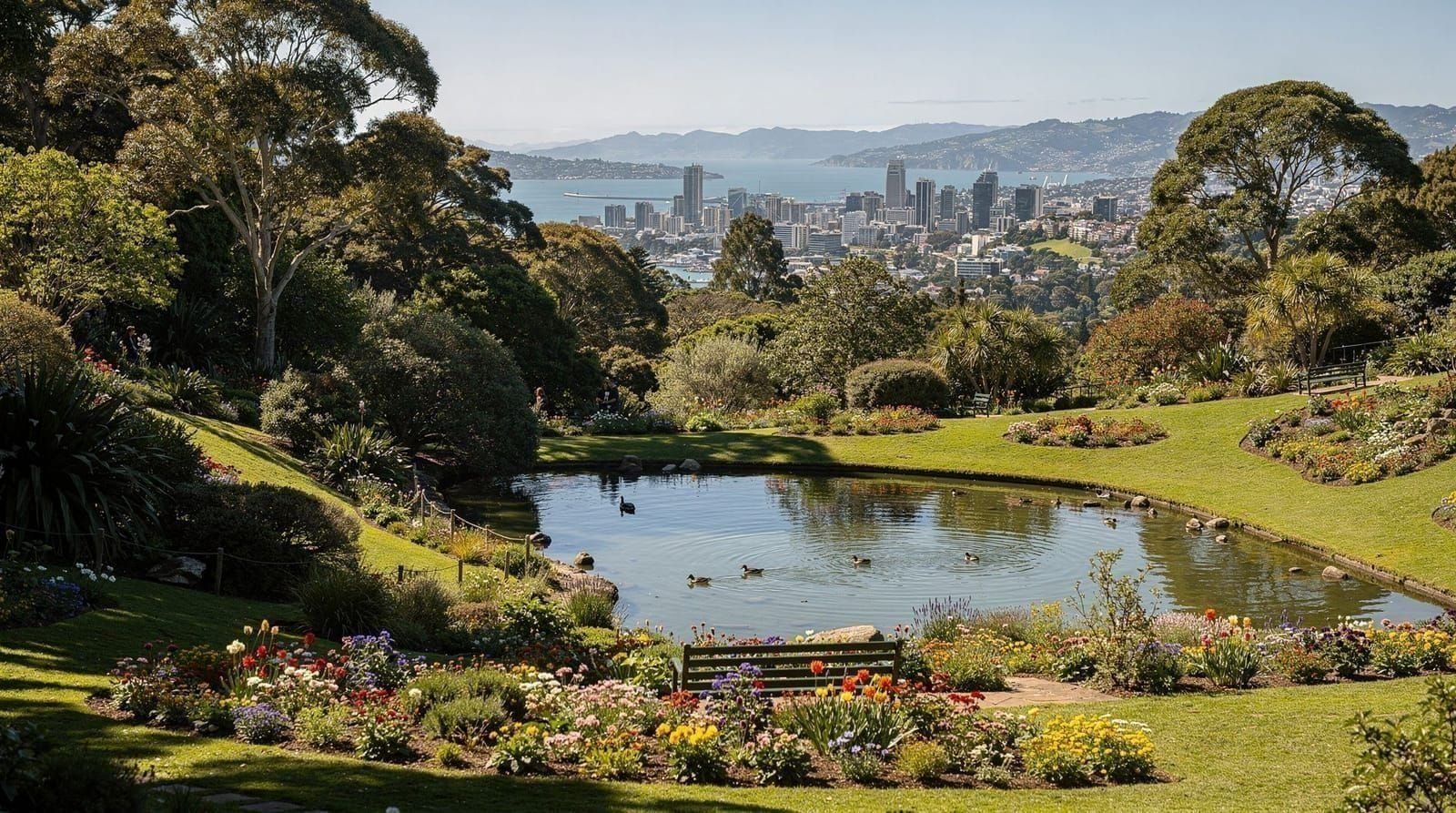
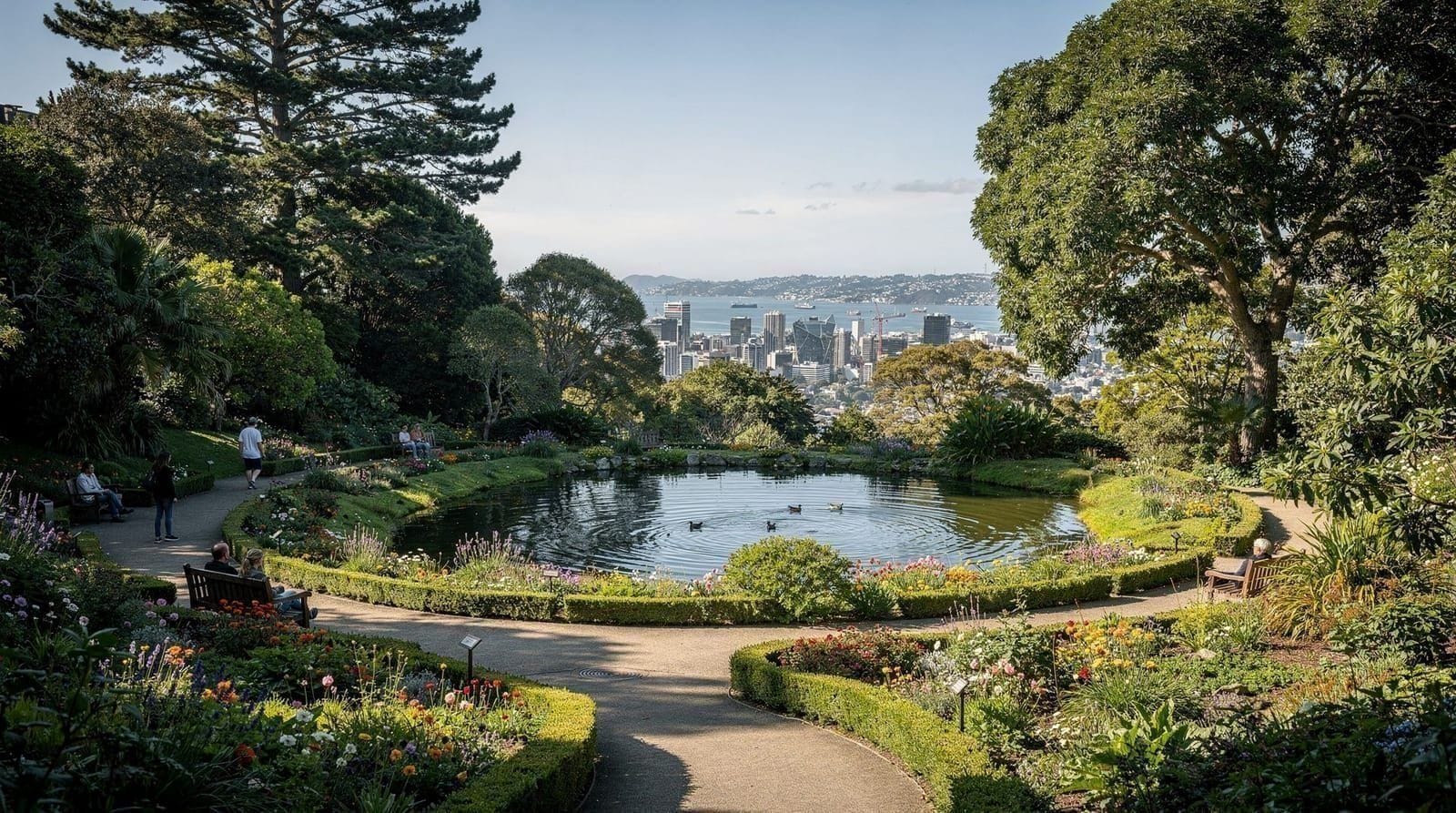
For families with limited time, the cable car is one of the easiest wins on a Wellington itinerary — a short, novel ride for younger kids, minimal queuing outside peak periods, and a natural connector to the free Duck Pond and play area in the Botanic Garden just beyond the upper terminal. Compared with Te Papa’s larger, more involved natural-history floors or a full Zealandia day, the cable car and garden combination asks less of younger children’s attention spans while still delivering a genuine highlight. Our Wellington with kids guide covers how this fits alongside the city’s other family-friendly options if you’re building a full day around younger travellers.
The cable car museum in more detail
The small museum at the Kelburn terminal, included in your cable car ticket, houses one of the original 1902 cable cars alongside photographs and mechanical exhibits explaining how the funicular system actually works — the counterweight mechanism, the original wooden cars, and how the line has been rebuilt over more than a century of continuous operation. It’s a genuinely worthwhile five-to-ten-minute stop for visitors with any interest in transport history or Wellington’s development, though skippable without much loss if your priority is purely the view and the garden beyond it.
What a first-time visitor commonly gets wrong
The most common mistake first-time visitors make is treating the cable car as a there-and-back photo stop rather than the gateway it actually is — riding up, snapping a photo at the platform, and riding straight back down without ever setting foot in the Botanic Garden just beyond the terminal. This isn’t wrong exactly, but it leaves genuine value on the table for a modest amount of extra time: the garden’s upper sections, reached within a minute’s walk of the cable car platform, are free, and the downhill walk back to the CBD replaces what would otherwise be a second, identical ride in the same direction you’ve already seen.
Buying tickets: terminal versus advance purchase
Tickets are available at both the Lambton Quay lower terminal and the Kelburn upper terminal, with no meaningful price difference between buying at either end or in advance through an online booking. The main advantage of booking ahead is convenience — walking straight to the platform rather than queuing at a ticket window — which matters most during peak summer afternoons or when a cruise ship is in port and demand briefly spikes. Outside those peak windows, buying on the spot at the terminal involves little to no wait.
Combining the cable car with a wider CBD loop
Beyond the Botanic Garden descent, a popular extended route continues from the garden’s lower exit through Thorndon’s heritage streets, or alternatively loops back via Lambton Quay into the CBD core for lunch on Cuba Street. This kind of combined loop turns the cable car into the opening move of a half-day CBD walking circuit rather than an isolated ride, and works well as a first-morning activity before the rest of the city gets busy. Our Wellington waterfront walk guide offers a complementary route for the afternoon half of the same day.
What to wear and bring
Given Wellington’s wind, a light jacket is worth having even on an otherwise warm day, since the exposed Kelburn viewing platform tends to catch more wind than the sheltered streets below. Comfortable shoes matter more for the Botanic Garden descent than for the cable car ride itself, since the garden’s lower paths involve a genuine, if gentle, downhill gradient over uneven surfaces in places. A water bottle and a bit of cash or a card for the café at the top round out a reasonable day-outing packing list. A phone charger or portable battery is worth having if you’re planning to continue on into the Botanic Garden or the wider Northern Walkway afterward, since photographing the harbour view and navigating the garden’s paths both draw on battery you’ll want later in the day.
Frequently overlooked details
A few practical details visitors often miss: the cable car doesn’t run a full 24-hour or even particularly late-evening schedule, so don’t plan a late-night ride expecting it to still be operating; the museum and café close before the last cable car of the day, so a very late-afternoon visit may miss those extras even if the ride itself is still running; and the Botanic Garden’s upper entrance, right at the Kelburn terminal, is easy to miss if you’re rushing straight past it toward the café instead.
A brief history of the route’s construction
The cable car line was originally proposed and built by a private company in the early 1900s specifically to make the then-undeveloped Kelburn hillside attractive for residential building, with the transport link acting as the incentive for buyers who’d otherwise have found the steep terrain impractical to commute from. This origin as a property-development tool rather than a purpose-built tourist attraction is part of what gives the ride its genuine, still-functioning-infrastructure character, rather than feeling like a purely manufactured visitor experience — it’s a piece of the city’s actual transport history that happens to also serve visitors extremely well.
Comparing costs against similar attractions internationally
At roughly NZ$9-11 for a return ticket, the Wellington Cable Car sits considerably below the price of comparable funicular or cable-car rides in many other cities internationally, where similar short scenic rides often charge two to three times as much. This relative affordability is part of why it’s such an easy recommendation even for budget-conscious visitors — the cost genuinely doesn’t need much justification given what it delivers in view and access to the Botanic Garden.
Visiting with young children or strollers
The cable car’s cabins accommodate strollers without needing to fold them, making it one of the more family-friendly attractions in the city for parents travelling with young children who’d otherwise struggle with the steep walking alternative up to Kelburn. The Botanic Garden’s main paths from the upper terminal are similarly stroller-friendly for a reasonable distance before the terrain becomes steeper and less suited to wheeled transport, worth keeping in mind if you’re planning the full downhill walk with a stroller in tow.
Rainy-day considerations
On a genuinely wet day, the cable car ride itself remains a reasonable option since the cabins are fully enclosed, though the payoff at the top — the harbour viewpoint — is considerably diminished if low cloud or heavy rain obscures the view. Rainy-day visitors might instead prioritise the ride specifically for the Botanic Garden connection (many of the garden’s paths are covered by tree canopy and remain pleasant in light rain) rather than the viewpoint itself, or shift the cable car to a different day with a better forecast if your schedule allows that flexibility.
How the ride fits into a broader Wellington film-heritage or garden focus
For visitors specifically interested in the Botanic Garden’s horticultural collections — the Lady Norwood Rose Garden, the Discovery Garden aimed at children, or the begonia house — the cable car functions purely as an efficient access point rather than an attraction in its own right, and it’s worth building a full 2-3 hour garden visit around this arrival point rather than treating the ride and a quick photo at the top as the whole outing.
Combining the ride with a longer hike
For visitors with more than an hour to spare, the Kelburn terminus is also the starting point for a longer walking option beyond the standard Botanic Garden descent — the Northern Walkway continues along the town belt ridge toward Karori and, eventually, Zealandia’s boundary fence. Our dedicated cable car and hikes guide covers this extended route in full, including timing, terrain and how to get back if you walk one-way rather than returning the way you came.
Visiting around a specific event or busy period
If your visit coincides with a major Wellington event — the World of WearableArt season, a large cruise ship day, or a public holiday long weekend — expect noticeably longer queues at both terminals than the ride’s usual quick turnaround, and consider either an early-morning visit before the day’s crowds build, or accepting a modest wait as part of the experience during an especially busy period.
The bottom line
The Wellington Cable Car is a short, inexpensive, genuinely worthwhile ride that earns its place in almost any Wellington itinerary primarily through what it connects to — the harbour viewpoint at Kelburn and the Botanic Garden immediately beyond it — rather than the five-minute journey itself. Ride up, walk down through the garden, and you’ve turned a minor transport curiosity into a half-day outing for the cost of a single modest ticket.
Frequently asked questions about Wellington cable car visitor guide
Is the Wellington Cable Car worth doing if I'm short on time?
Yes — it's a five-minute ride for a genuine harbour panorama at the top, and it directly accesses the Botanic Garden, so it earns its short time cost even on a one-day visit.Do I need to book the cable car in advance?
No booking is required for a standalone ticket; you buy it at the lower or upper terminal and board the next available car. Pre-booking mainly matters if you're combining it with a guided tour that includes other stops.Should I ride up and back down, or walk down through the Botanic Garden?
Most visitors ride up and walk back down through the Botanic Garden, since the walk is downhill, free, and passes through the garden's best sections — better value than paying for a second cable car ride in the same direction you've already seen.What's at the top of the cable car?
The Kelburn terminal has a small cable car museum, a café, and the upper entrance to the Botanic Garden, plus the viewing platform itself, which is the main draw — a wide harbour and city panorama that's especially good around sunset.Is the cable car affected by Wellington's wind?
It's an enclosed funicular rather than an open-air ride, so wind rarely disrupts it in the way it might a cable-car system elsewhere; delays are uncommon and mostly tied to maintenance rather than weather.Can I take luggage on the cable car?
Yes, within reason — the cabins have some floor space for bags, though it's not designed for large suitcases. It's better suited to day-trip luggage (a backpack, a camera bag) than transferring between accommodation with full-size cases.How does the cable car compare to a guided city tour that includes it?
A standalone ticket is cheaper and gives you full control over timing, while a guided tour bundles the ride with commentary and other CBD stops in a fixed schedule. Choose the standalone ticket if you want to linger at the top or walk down through the garden at your own pace; choose a tour if you'd rather have the city's highlights sequenced for you.