Wellington in summer
Wellington: Commentated Harbour Explorer Tour
Duration: 90min
What is Wellington like in summer?
December to February brings Wellington's warmest, driest and calmest weather, typically 18-25°C with long daylight hours, but also its highest accommodation prices and the biggest crowds of the year, especially around Christmas and New Year. It's the best season for harbour swimming, outdoor dining and the waterfront, but book well ahead.
The windy city’s calmest stretch
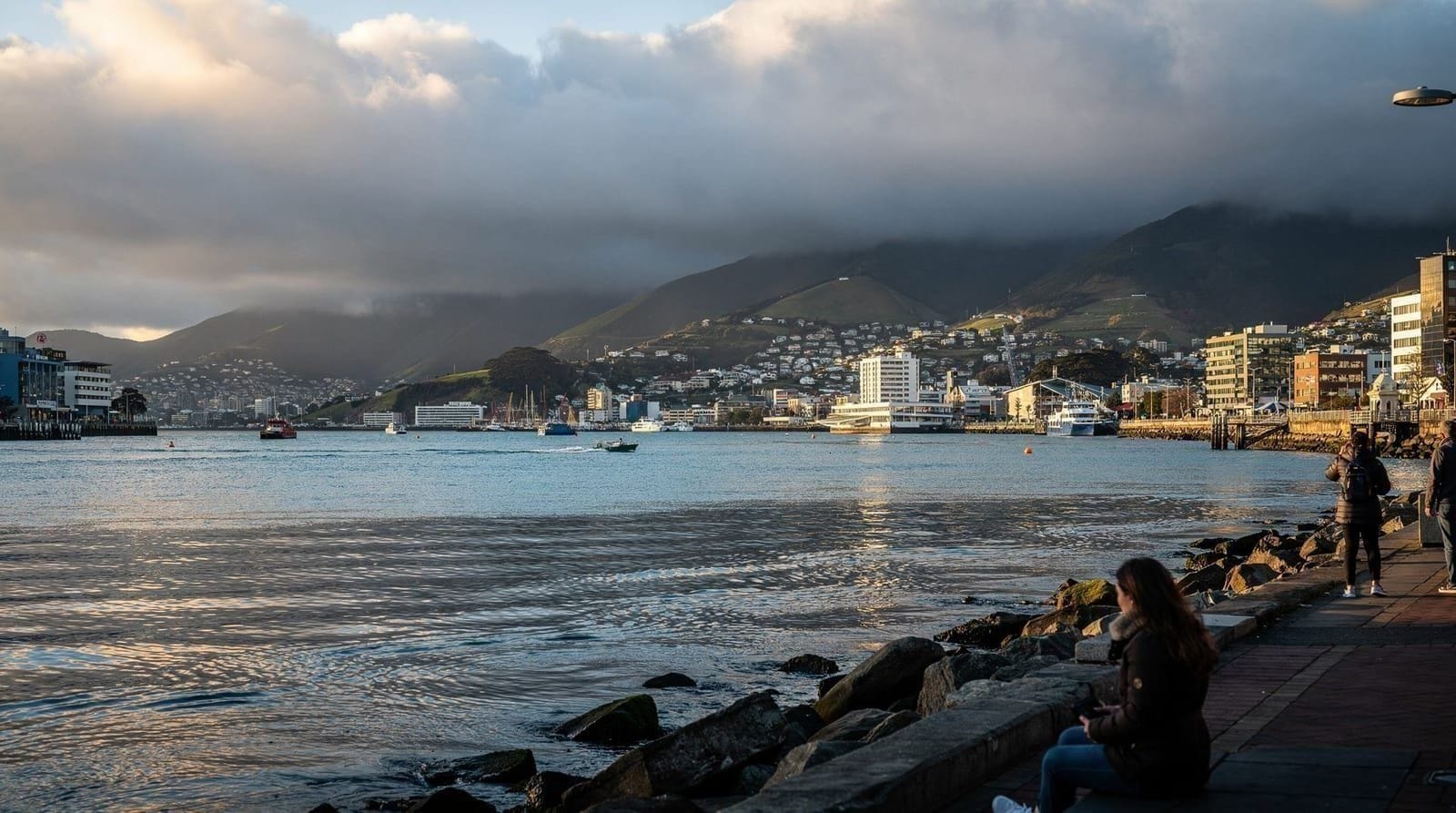
Wellington earns its “Windy City” reputation in every season, but summer — roughly December through February in the southern hemisphere — is when the wind backs off just enough to make the harbour genuinely pleasant. Average daytime temperatures sit between 18°C and 25°C, occasionally pushing past 27°C on a hot northerly day, with rainfall dropping to its lowest levels of the year. It’s still not a beach-holiday climate in the way Auckland or the Bay of Islands can be; Wellington summer is more “reliably good city-break weather” than “guaranteed sun,” and a light jacket in your day bag is never a bad idea even in January.
| When | December to February |
| Typical highs | 18-25°C, occasionally 27°C+ |
| Accommodation cost | Highest of the year, roughly 20-40% above autumn/winter rates |
| Crowds | Peak season, tightest over Christmas-New Year |
| Best for | Harbour swimming, outdoor dining, festivals |
| Book ahead by | 6-8 weeks generally, 3-4 months for Christmas-New Year |
Month by month: December, January, February
The three summer months are not interchangeable. December starts warm but is the most variable of the three, with the run-up to Christmas bringing a mix of settled spells and the odd unseasonal cold snap; it’s also when accommodation pricing first climbs, well before the actual holiday fortnight. January is usually the most reliable stretch for warm, dry weather, and it’s also the peak of New Zealand’s school summer holidays, so beaches, the waterfront and popular walking tracks around Mount Victoria see the heaviest local use of the year alongside international visitors. February stays warm but starts introducing more humid, unsettled days as ex-tropical weather systems occasionally track down from the Pacific, and it’s also festival month — the arts festival, Fringe and the tail end of summer events cluster here, so venues and restaurants around Courtenay Place get busy on top of the general seasonal crowds.
| Month | Typical feel | Crowd level | Worth knowing |
|---|---|---|---|
| December | Warming up, variable | Moderate, rising fast near Christmas | Book Christmas-New Year accommodation early |
| January | Most reliably warm and dry | Highest — NZ school holidays | Peak pricing on ferries and rentals |
| February | Warm, occasional humid spells | High, festival-driven | Arts festival, Fringe, Beervana crowd venues |
What the weather actually does
Summer days are long — sunrise around 6am and sunset closer to 9pm at the December peak — which gives visitors extra hours for waterfront walks, ferry trips and evening drinks on Courtenay Place without racing the clock. Rain is possible on any given day, but multi-day washouts are rare; a typical week brings four or five dry days and one or two with a passing shower. The wind, while calmer than in spring or winter, hasn’t vanished: a stiff northerly or southerly can still turn up unannounced, especially around exposed spots like the waterfront promenade or Oriental Bay, so a windbreaker earns its space in your bag even on a forecast-sunny day.
Month to month, January is usually the warmest and driest stretch, December carries slightly more variability as the season transitions in, and February tends to bring the odd spell of humid, sub-tropical remnants pushed down from the Pacific — occasionally a full day of heavy rain if a former cyclone tracks close enough to the country. None of this is common enough to plan around specifically, but it explains why locals never fully commit to a rain-free forecast even in the height of summer.
Sun exposure — the thing visitors underestimate
New Zealand’s UV index runs unusually high for its air temperature, a consequence of thinner ozone cover over the southern hemisphere and cleaner air with less particulate haze to filter the sun. A mild, breezy 21°C Wellington day can still deliver a UV reading in the “very high” band by early afternoon, and a lot of visitors from the northern hemisphere get caught out because the temperature alone doesn’t feel like sunburn weather. Reapply sunscreen every two hours if you’re outdoors for an extended waterfront walk or harbour ferry trip, and don’t skip a hat just because the wind makes one feel impractical — a cap with a drawstring or chin strap solves that problem for a few dollars at any outdoor store on Cuba Street or Lambton Quay.
Crowds and pricing — the trade-off
Summer is Wellington’s peak season, and it shows in both directions. Accommodation rates run at their highest point of the year across hostels, hotels and Airbnb listings, and the Christmas-to-New-Year fortnight in particular sees prices spike further as domestic New Zealand travellers take their main annual holiday. Popular restaurants on Cuba Street and around the waterfront fill up on Friday and Saturday nights, and walk-in tables at well-reviewed spots become harder to find without a booking. If your dates are flexible, shifting even two or three weeks either side of the Christmas period noticeably eases both crowding and cost — see our Wellington harbour explorer tour for a lower-key way to see the water without the peak-week queues at more crowded attractions.
Where summer shines
The waterfront comes into its own in summer. Locals and visitors alike use the grassy stretches around Frank Kitts Park and the Oriental Bay promenade for lunch breaks, evening picnics and after-work swims — yes, people genuinely swim off Oriental Bay’s man-made beach in summer, though the water stays cool by tropical standards, typically 16-19°C. Outdoor dining sprawls further onto footpaths and courtyards along Cuba Street and Courtenay Place than in any other season, and rooftop bars and beer gardens run at full capacity. It’s also the best season to ride the Wellington Cable Car up to the Botanic Garden in the early evening, when the light is long and the harbour view from the Kelburn lookout is at its clearest.
The festival calendar
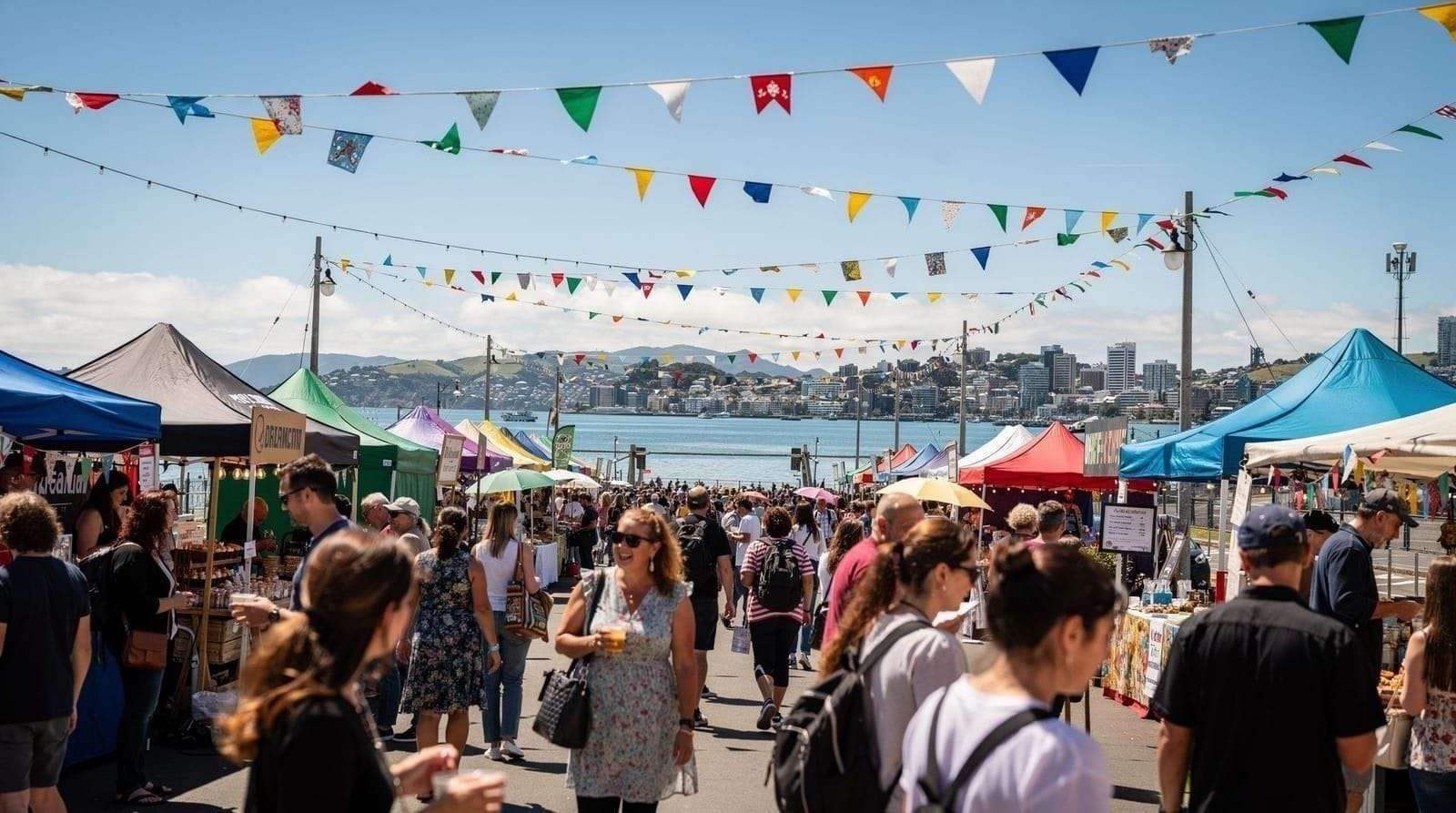
Summer overlaps with two of Wellington’s signature events. The New Zealand Festival of the Arts and Wellington’s leg of the international Fringe circuit both typically run in February, filling venues across the CBD with theatre, comedy and music for several weeks. Late February and into March also brings Beervana, Wellington’s flagship craft-beer festival, drawing breweries from across the country into one weekend event — worth planning around if craft beer is part of your trip, and easy to combine with a wider crawl through the city’s brewery scene. Our Wellington craft-beer brewery tour runs year-round and is a good primer before festival weekend, when queues at individual breweries get longer. Our full Wellington festivals and events calendar rounds up exact patterns and how to plan a trip around them.
Neighbourhood by neighbourhood
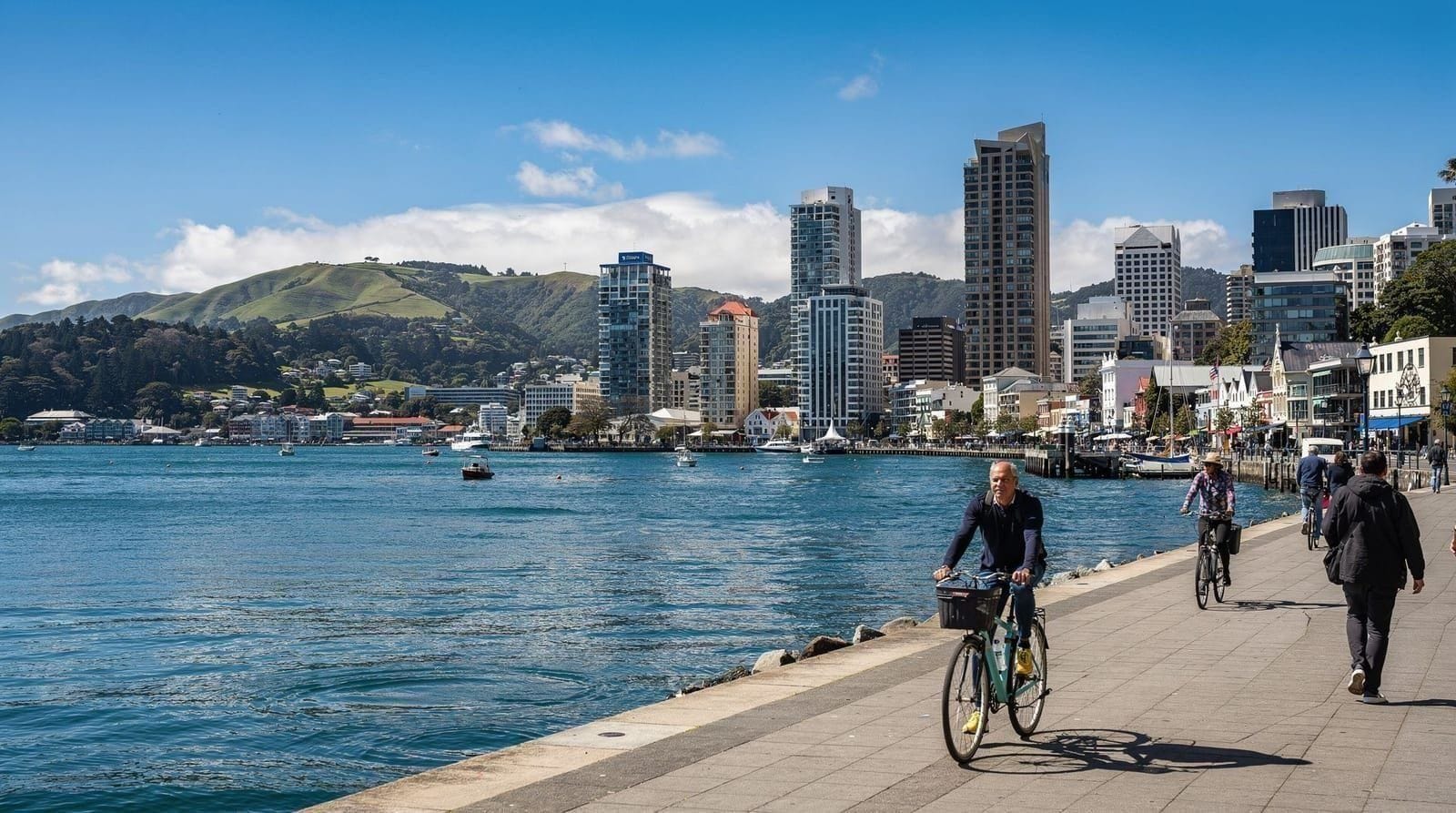
The waterfront and Oriental Bay carry the most obvious summer energy — expect paddleboarders and swimmers off the Oriental Bay beach most fine afternoons, and a steady stream of joggers and cyclists along the harbour promenade from breakfast through to dusk.
Cuba Street and Te Aro run a slightly later clock in summer, with outdoor tables at cafés staying busy into the evening and a livelier bar scene on Friday and Saturday nights than the rest of the year produces. Mount Victoria’s lookout gets noticeably more visitors at sunset in summer simply because the extended daylight makes an after-dinner walk up there a realistic plan rather than a race against darkness — worth combining with our best views in Wellington guide if photography is part of your trip. Miramar and the Weta Workshop district run at roughly the same pace year-round, since indoor attractions are less weather-dependent, though outdoor queues for popular tours can build faster on a fine summer morning.
Getting around in summer
Wellington’s compact CBD stays just as walkable in summer as any other season, but the Metlink bus and train network runs a slightly reduced timetable over the Christmas and New Year public holidays specifically, so check timetables rather than assuming a normal weekday schedule on 25-26 December or 1-2 January. Harbour ferries to Days Bay and Matiu/Somes Island run their full summer timetable and are one of the more pleasant ways to spend a warm afternoon — a return ticket typically costs NZ$10-15 and gets you onto the water without booking a formal tour. If you’re driving to Martinborough, Kāpiti or further afield, summer weekend traffic out of the city on Friday afternoon and back in on Sunday evening is noticeably heavier than midweek, so building in extra time is sensible.
Day trips that work best in summer
Martinborough’s wine region is at its most sociable in summer, with outdoor cellar-door tastings and long lunch tables at wineries like Ata Rangi and Palliser Estate running well past the winter and autumn timetable — though the vines themselves won’t be harvested until autumn. Kāpiti Coast beaches and the Kāpiti Island nature reserve are also better suited to summer visits than winter, since the coastal weather and boat crossing are noticeably more comfortable in calm summer conditions. If a South Island leg is part of your plans, summer is the busiest — and priciest — season for the Cook Strait ferry crossing to Picton, so book sailings and any car space well in advance rather than assuming a same-week booking will be available; see our Cook Strait ferry booking pitfalls guide before you commit to a summer sailing date.
Who summer actually suits
Summer is the right call if your travel dates are fixed by school holidays or work leave and you can’t shift to the shoulder seasons, if outdoor dining and harbour swimming matter more to your trip than saving money, or if you specifically want to catch the festival calendar — the arts festival, Fringe and Beervana all cluster into this window. It suits families travelling during the New Zealand school summer break, and it suits first-time visitors who want the most forgiving weather odds for outdoor sightseeing — pairing well with our Wellington in 2 days itinerary. It suits budget travellers less well; if cost is the priority, our Wellington in winter guide and realistic Wellington trip budget guide both make a stronger case for the cheaper months.
What to pack
Bring layers rather than a single summer wardrobe: a light top for the warm afternoon hours, a windbreaker for the waterfront and any harbour crossing, and something rain-resistant for the odd shower that shows up even on a mostly dry week. Sunscreen matters more than most visitors expect — New Zealand’s UV index runs unusually high relative to the air temperature, and a mild 22°C day can still deliver a sunburn on exposed skin within an hour. Comfortable walking shoes cover most of the city, since Wellington’s CBD rewards walking over driving at almost every turn.
What to eat and drink in summer
The food scene shifts outdoors more than it changes on the menu. Cuba Street’s cafés and bars extend footpath seating through the warmer months, and craft breweries such as Garage Project and Fork & Brewer run beer gardens at full capacity on weekend afternoons — pair a visit with our craft-beer trail guide if that’s part of your plans. Ice cream and gelato stands around the waterfront and Cuba Street do noticeably better trade in summer, and several harbourside restaurants add outdoor decking or extend existing terraces for the season. Wine-wise, summer is a sociable but not technically peak season for Martinborough — cellar doors are open and busy, but the actual grape harvest and the town’s harvest festival both land in autumn, which is why serious wine travellers often time a Martinborough trip for March rather than January.
Booking timeline
If your trip falls in the Christmas–New Year window specifically, aim to lock in accommodation three to four months ahead; that fortnight is the single tightest squeeze on the calendar, driven by domestic travel rather than international tourism alone. For any other summer week, six to eight weeks ahead is usually enough for a solid choice of mid-range accommodation, though popular waterfront hotels and highly rated Airbnbs do sell out earlier. Restaurant bookings for Friday or Saturday dinner are worth making a few days ahead once you’re in the city, particularly for anywhere on Cuba Street with outdoor seating.
How summer compares to the rest of the year
Summer wins on daylight hours, dry weather odds and the sheer number of outdoor events packed into ten or eleven weeks, but it loses on price and crowding compared with our recommended sweet spot of autumn. If budget is the deciding factor, our guide to Wellington in winter lays out just how much cheaper the shoulder season gets, and our Wellington in spring guide rounds out the full-year picture. Our realistic Wellington trip budget guide breaks down exactly what summer rates look like against the rest of the year in dollar terms.
Where to stay for a summer trip
Location matters more in summer than in the shoulder seasons, because you’ll want to walk out of your accommodation straight into the outdoor life rather than commute to it. Oriental Bay and the waterfront put you closest to swimming, paddleboarding and the evening promenade crowds, though rates there climb the fastest of any neighbourhood once December arrives. Cuba Street and Te Aro suit visitors who want to be inside the restaurant and nightlife scene rather than a short walk from it, and tend to hold slightly better value than waterfront-facing hotels for the same standard of room. Our where to stay in Wellington guide breaks down the neighbourhood trade-offs in more depth, and is worth reading before you commit to a summer booking given how quickly the best-located options sell out.
Getting into the city for a summer trip
Most summer visitors arrive by air, and Wellington Airport sits close enough to the CBD that the transfer rarely eats into your first day — see our airport to city guide for the fastest options at peak summer arrival times, when taxi ranks and shuttle queues can run longer than off-season. If your dates fall over the Christmas-New Year fortnight specifically, our Wellington Christmas and New Year guide covers what actually stays open, since a handful of attractions and restaurants close briefly around the public holidays even in the busiest week of the year.
Free and low-cost ways to enjoy the season
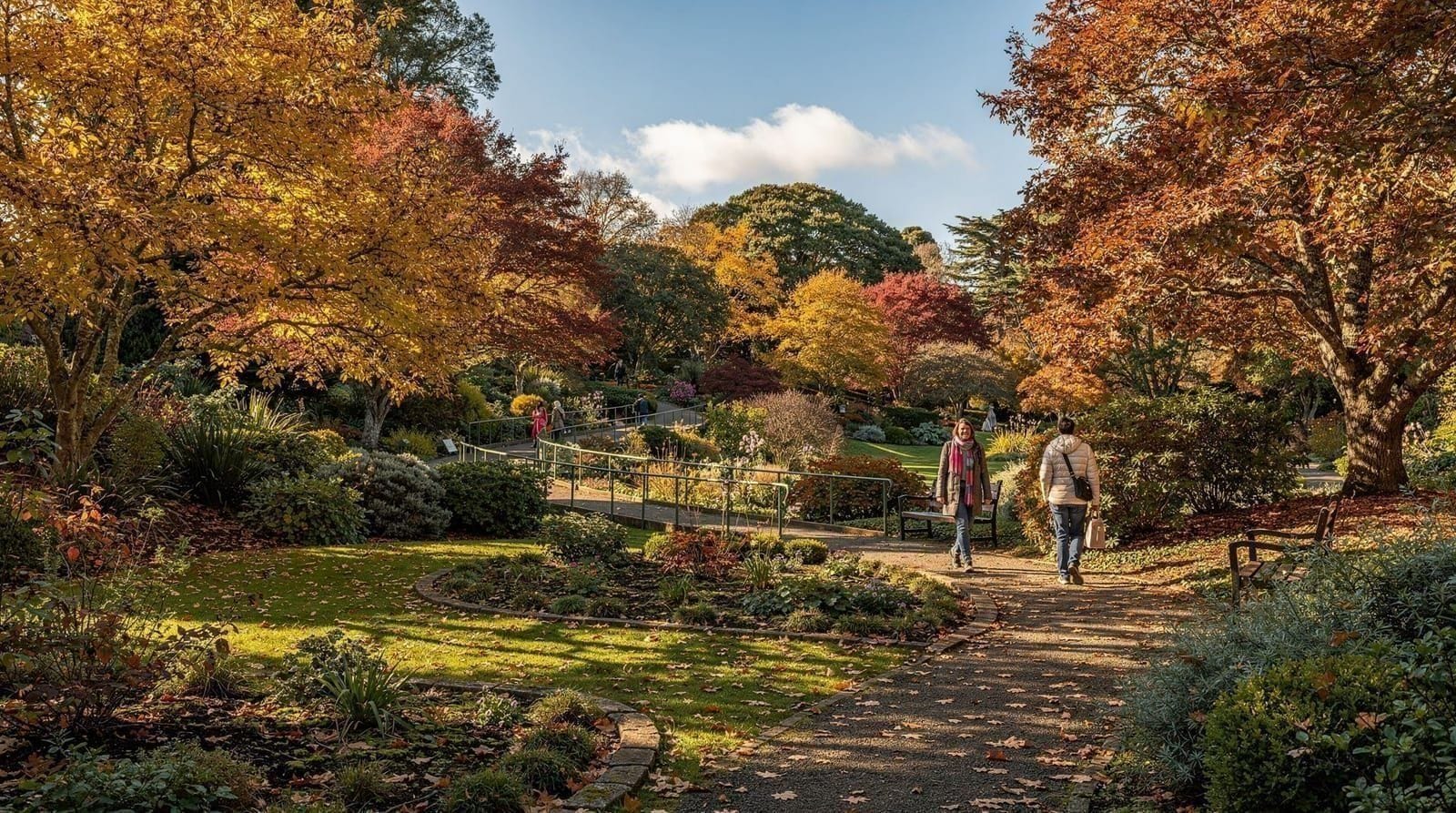
Summer doesn’t have to mean summer prices. The Wellington Botanic Garden costs nothing to wander and is at its most colourful in December and January, Oriental Bay’s beach and promenade are free to use all day, and a walk up to the Mount Victoria lookout for sunset costs nothing beyond the effort of the climb. Our free things to do in Wellington guide rounds up a fuller list, which is worth combining with paid highlights like the cable car or a harbour tour to keep a summer trip’s total cost down despite the season’s higher accommodation and dining prices.
What locals do differently in summer
Wellingtonians treat summer as licence to move life outdoors, and visitors who copy that habit tend to have a better trip than those who stick to an indoor-attraction checklist. Locals pack a picnic and a paddleboard rather than booking every afternoon around a museum or gallery, and after-work drinks shift from indoor bars to any patch of waterfront grass with a view. It’s also the one season locals actively plan weekend trips out of the city rather than into it — Martinborough, the Kāpiti Coast and even a South Island long weekend via the ferry all see a spike in local traffic once the weather turns reliably warm, which is worth knowing if you’d rather avoid weekend crowds at those same day-trip destinations. Booking a Tuesday or Wednesday for Martinborough instead of a Saturday, for instance, gets you the same cellar doors with noticeably fewer other visitors at the tasting bar.
Frequently asked questions about Wellington summer
Is Wellington too windy to enjoy in summer?
No — summer is Wellington’s calmest season on average, though occasional strong northerlies or southerlies still turn up, especially on the exposed waterfront. It’s a noticeably gentler experience than the spring gales or winter storms covered in our wind survival guide, but it’s rarely completely still.
Can you swim in Wellington Harbour in summer?
Yes, at Oriental Bay’s sheltered beach and a handful of other harbour spots, though water temperatures typically sit around 16-19°C — brisk rather than balmy by international beach standards. Locals swim through summer regardless; visitors from warmer climates may find it cooler than expected.
Do I need to book accommodation far ahead for a summer trip?
For the Christmas–New Year fortnight specifically, yes — three to four months ahead is a safer margin given how much domestic New Zealand travel concentrates in that window. For a general summer week outside that period, six to eight weeks ahead usually secures a good range of choices.
Is summer the best time to visit Martinborough wine country?
It’s a pleasant season for cellar-door visits and outdoor lunches, but the actual grape harvest and the associated festival season happen in autumn (March-May), which is why we rate autumn slightly higher for a dedicated wine trip — summer is better for general sightseeing paired with a winery stop.
What’s the single biggest downside of visiting in summer?
Price. Accommodation, popular restaurant tables and Cook Strait ferry sailings all run at their most expensive and least available in summer, particularly across the school-holiday weeks in January. If cost matters more to you than guaranteed warm weather, our Wellington in winter guide and realistic trip budget guide are worth reading before you commit to summer dates.
How much more expensive is summer accommodation compared with the rest of the year?
Expect roughly 20-40% higher rates on comparable hotel rooms and Airbnb listings compared with autumn or winter, with the tightest squeeze over the Christmas–New Year fortnight. A mid-range Airbnb that runs NZ$120-150/night in autumn can push past NZ$180-220/night in the first half of January.
Is it worth combining a summer Wellington trip with a South Island ferry crossing?
Yes, and summer is genuinely one of the more comfortable seasons for the Cook Strait crossing itself, since Cook Strait’s notorious swell is statistically calmer in summer than in winter. The trade-off is cost and availability — book your Interislander or Bluebridge sailing, and any car space, well ahead rather than assuming a same-week slot in January.
Does Wellington get school-holiday crowds on top of general summer tourism?
Yes — New Zealand’s school summer holidays run roughly mid-December to late January, overlapping almost entirely with the peak international tourist season. That double effect is why late January accommodation and popular restaurant bookings feel noticeably tighter than early December or the first half of February, even though the weather is similar across all three months.
Which month of summer has the best weather-to-crowd ratio?
Early December and the first half of February tend to offer the best balance — still warm and largely dry, but ahead of or past the tightest school-holiday and Christmas-New Year squeeze. Mid-December through late January is when both weather reliability and crowding peak together.
Are there free things to do in Wellington in summer?
Plenty — the Botanic Garden, Oriental Bay’s beach and promenade, and the Mount Victoria lookout all cost nothing, and summer’s long daylight hours make them easy to fit around paid activities. See our free things to do in Wellington guide for the fuller list.
Top experiences
Bookable activities with verified prices and instant confirmation on GetYourGuide.