Wellington in winter
Wellington: Zealandia Twilight Ecosanctuary Tour
Duration: 2.5h
Is Wellington worth visiting in winter?
Yes for budget-focused, indoor-attraction-heavy trips — winter (June-August) brings 8-14°C days, more rain and Wellington's strongest winds, but accommodation typically runs 30-40% cheaper than summer. It suits travellers prioritising Te Papa, Zealandia's night tours and craft-beer culture over outdoor sightseeing and harbour swimming.
The season nobody markets
Winter runs roughly June through August in Wellington, and almost none of the city’s tourism marketing is built around it — for reasonable reasons. This is the coolest, wettest and windiest stretch of the year, with daytime temperatures typically 8-14°C, rain a real possibility on any given day, and the wind that Wellington is famous for at its most persistent and least forgiving. But it’s also the cheapest season by a wide margin, and for a specific kind of traveller — one who prioritises indoor culture, café life and craft beer over outdoor sightseeing — it’s a genuinely defensible choice rather than a compromise.
| When | June to August |
| Typical highs | 8-14°C |
| Accommodation cost | Lowest of the year, roughly 30-40% below summer rates |
| Crowds | Lightest of the year outside the July school holidays |
| Best for | Te Papa, Zealandia night tours, craft beer and café culture |
| Book ahead by | 2-3 weeks generally is enough |
| Month | Typical feel | Notable event | Booking pressure |
|---|---|---|---|
| June | Cooling fast, Matariki around late June | Matariki (dates vary) | Low |
| July | Coldest month, school holidays mid-month | Local family visitor bump | Slightly higher mid-month |
| August | First hints of spring | — | Low |
What the weather actually does
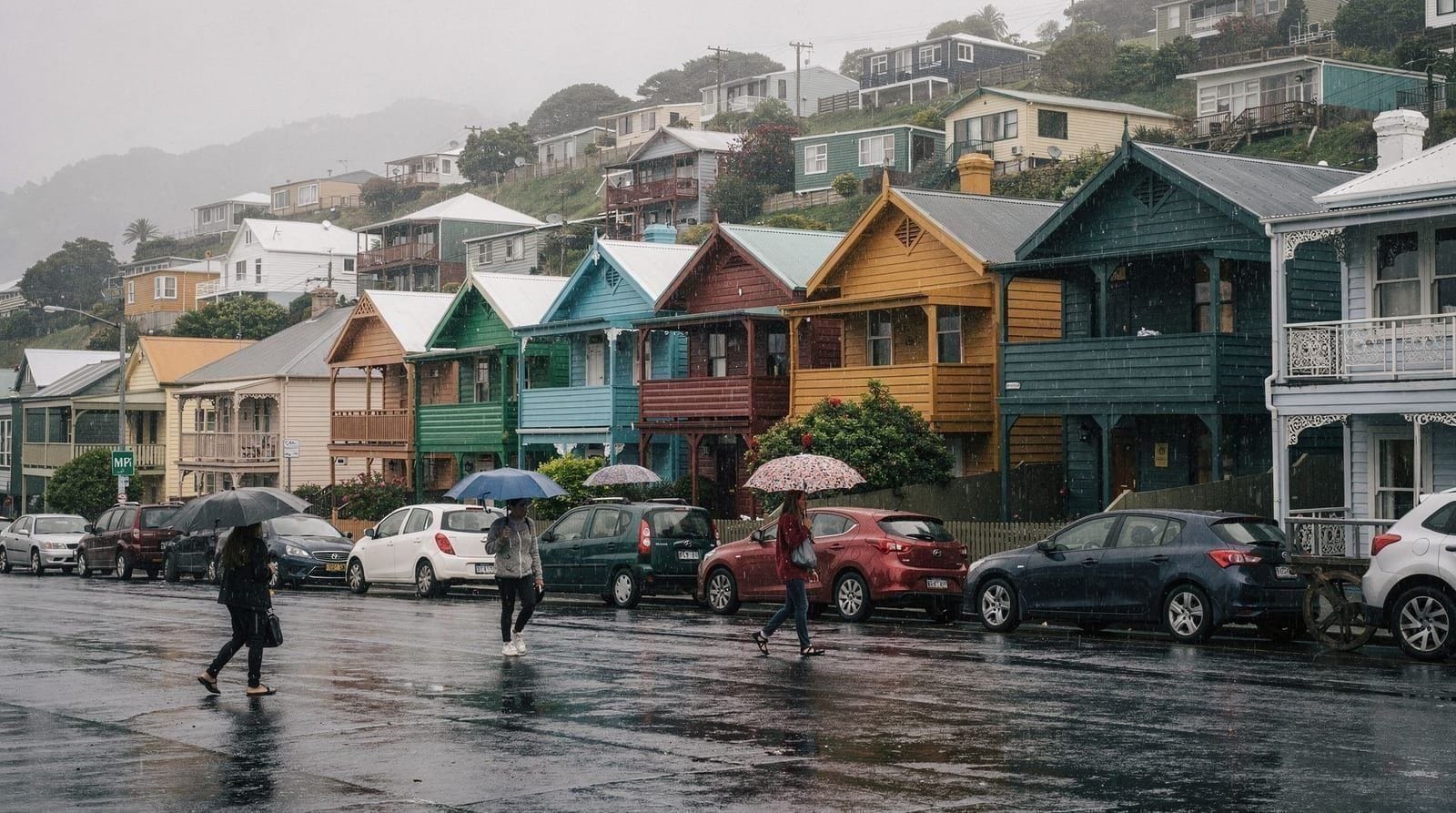
June, July and August each bring a broadly similar mix: daytime highs commonly sitting in the 8-14°C range, overnight lows occasionally dropping close to freezing on a clear, still night, and rainfall spread across roughly half the days in a typical month rather than concentrated in dramatic multi-day storms. Wind is the bigger story — winter storms rolling in from the Cook Strait regularly produce gusts strong enough to make umbrellas useless and short walks between attractions genuinely uncomfortable, particularly around the exposed waterfront and along Lambton Quay’s wind-tunnel stretches. July is typically the coldest month; August starts to show the first, tentative signs of spring, with slightly longer days and the occasional mild afternoon breaking up the pattern.
Day length is the other adjustment: sunrise pushes out toward 7:30am and sunset comes as early as 5:15pm at the June low point, giving a noticeably shorter working window for sightseeing than in any other season. This matters most for day trips — a Martinborough or Kāpiti trip that comfortably fits a long summer day needs a genuinely early start in June or July if you want to avoid finishing in the dark, particularly if you’re relying on public transport rather than driving yourself.
Matariki and the winter cultural calendar
One genuine highlight lands squarely in this low season: Matariki, the Māori new year marked by the reappearance of the Pleiades star cluster in the pre-dawn sky, typically falls in late June or early July and is now a national public holiday. Wellington marks it with events across the city, including at Te Papa, and it’s one of the more culturally significant weeks to be in the city if that side of New Zealand life interests you, alongside the more typically foreign-visitor-oriented WOW and CubaDupa events that run later in the year. It’s worth checking exact dates before booking, since Matariki shifts slightly year to year based on the lunar calendar.
Why the price drop is real
Winter is Wellington’s clearest low season, and accommodation pricing reflects it directly — hostels, hotels and Airbnb listings typically run 30-40% below summer peak rates, a noticeably deeper discount than autumn’s more modest 20-30% saving. A mid-range Airbnb that costs NZ$180-220/night in January can be found for NZ$100-140/night in July, and popular hotels that require weeks of advance booking in summer often have same-week availability in winter. Flights and rental cars follow the same pattern, generally priced lowest across the year in this window. Our realistic Wellington trip budget guide lays out exactly how a winter week’s costs compare against the other three seasons.
What actually works well in winter
Indoor and evening attractions are where winter earns its keep. Te Papa is free, extensive and just as good regardless of the weather outside, and it’s the obvious anchor for a winter day when rain rules out an outdoor itinerary — see our rainy-day things to do in Wellington guide for a fuller list of weather-proof options. A guided tour of Te Papa is a good way to make the most of a single wet afternoon without wandering aimlessly through the museum’s larger galleries. Winter also happens to suit Zealandia’s night tours particularly well: longer, darker evenings mean the reserve’s twilight and night walks start earlier in the evening than in summer, without cutting into your daytime plans, and the cooler, stiller conditions on a calm winter evening can make for excellent kiwi and morepork spotting.
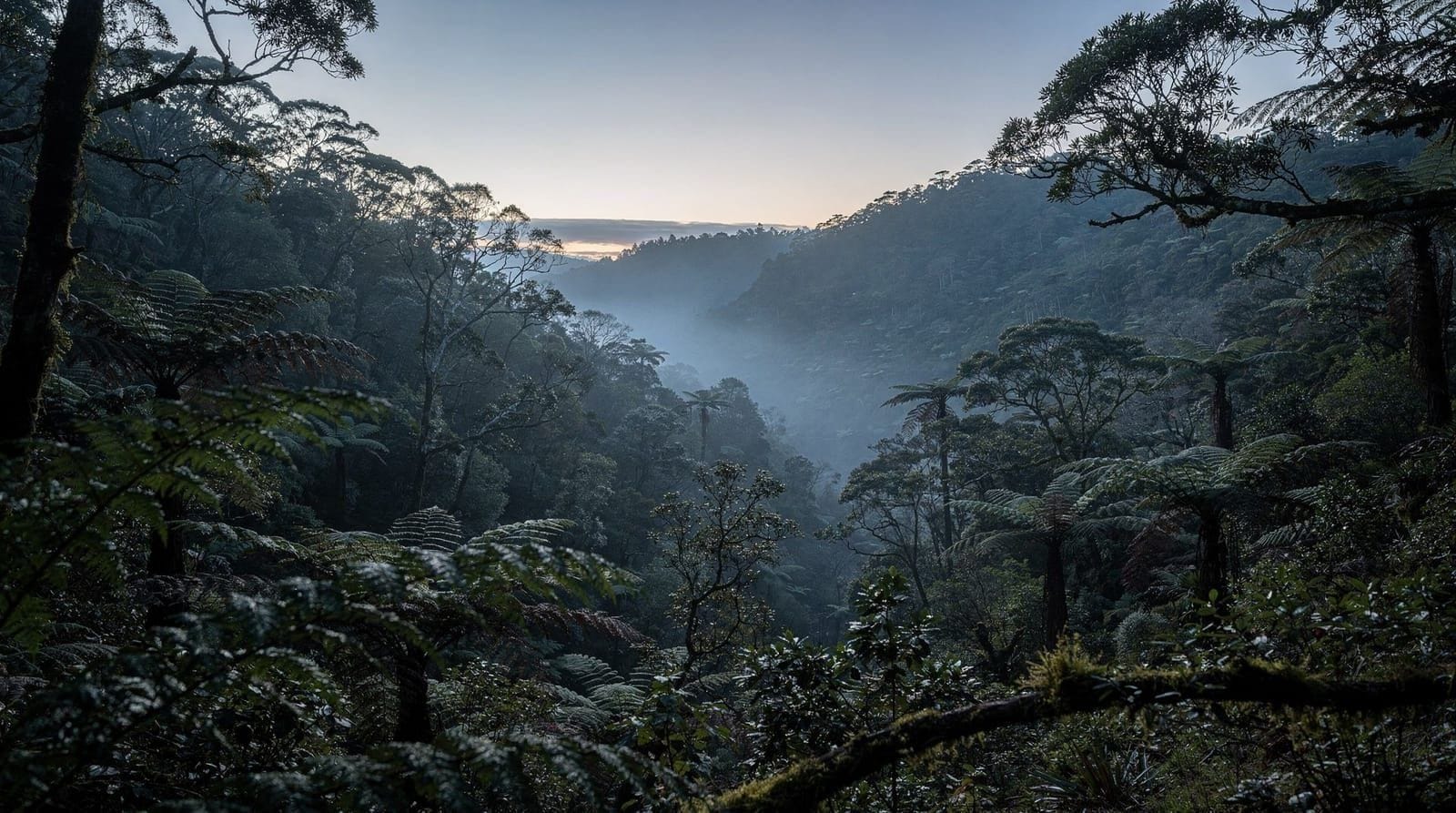
Our Zealandia twilight ecosanctuary tour is the pick for exactly this — see our full Zealandia by night guide for what to expect on the walk.
Craft beer and café culture in winter
Wellington’s indoor food and drink scene doesn’t just survive winter, it arguably improves. Craft breweries lean into the cold with heartier seasonal beers and busier indoor taprooms, and a half-day craft brewery tastings tour makes a lot of sense as a wet-weather afternoon plan — see our Wellington craft-beer trail guide for the full lineup of venues. The city’s celebrated coffee culture also feels more at home in winter; queueing for a flat white while sheltering from a squall on Cuba Street is a distinctly Wellington experience, and our Wellington coffee capital guide covers the roasters worth the detour regardless of season.
A realistic rainy winter day
Rather than fighting the weather, the most workable winter days in Wellington accept it and route around it. A typical wet-day plan: late morning at Te Papa, taking in the natural history and Māori collections galleries at an unhurried pace; lunch somewhere indoors and central on Cuba Street, where the covered footpaths along parts of the strip offer some shelter between venues; an afternoon at the Weta Workshop or Zealandia’s indoor exhibits if the rain hasn’t let up, or a walk through the Botanic Garden’s more sheltered lower paths if it has; and an evening built around a craft-brewery tasting or a proper sit-down dinner rather than an outdoor bar crawl. None of this requires an umbrella to survive, which is the real test of a winter Wellington itinerary.
What doesn’t work well in winter
Outdoor-heavy plans take the biggest hit. Harbour swimming at Oriental Bay is off the table for all but the hardiest locals, Mount Victoria’s lookout and other exposed viewpoints become genuinely unpleasant on a windy, wet day, and a Martinborough wine day trip loses some of its appeal once the vines are bare and outdoor cellar-door seating gets stowed away for the season. Boat-based activities — harbour ferries, Kāpiti Island crossings, Marlborough Sounds cruises after a Cook Strait ferry crossing — all become more weather-dependent and more prone to cancellation in winter’s rougher seas. If an outdoor-forward itinerary is non-negotiable for your trip, our Wellington in summer guide or Wellington in autumn guide are better starting points.
The Cook Strait ferry in winter
If a South Island leg is part of your plans, winter is genuinely the season to plan around most carefully. Cook Strait’s crossing conditions are at their roughest in winter, and both Interislander and Bluebridge sailings see more delays, rescheduling and occasional full cancellations during winter storm systems than at any other time of year. It’s not a reason to avoid the crossing altogether, but it is a reason to build in a spare day either side of your booked sailing rather than scheduling a tight connection — our Cook Strait ferry booking pitfalls guide covers this in more detail, and it’s worth reading before locking in winter dates for a South Island trip.
Getting around in winter
Metlink’s bus and train network runs its full standard timetable through winter, and public transport becomes noticeably more appealing than walking or driving on the wettest, windiest days — a point worth factoring in if you’re deciding between a rental car and relying on buses and trains for a Kāpiti or Wairarapa day trip. Wellington’s hilly streets and the exposed sections of the waterfront are also where the wind is felt most acutely, so route planning that favours the more sheltered inner-city streets over the harbour esplanade on a stormy day makes a real difference to comfort. If you’re driving to Martinborough or further afield, the Remutaka Range road can see reduced visibility and occasional debris in severe winter weather, so checking conditions before setting out is a sensible habit in this season specifically.
What to pack for winter
Pack for genuinely cold, wet, windy conditions rather than assuming New Zealand’s reputation as a mild climate will spare you: a proper waterproof (not just water-resistant) rain jacket, layers you can add and remove as you move between heated indoor spaces and the outdoors, and shoes that can handle both rain and a fair amount of walking on wet pavement. An umbrella is close to useless in Wellington’s winter wind — locals rely on hooded rain jackets instead, and it’s worth doing the same rather than fighting a losing battle with an inverted umbrella on the waterfront.
Families and indoor attractions in winter
Winter is a genuinely good season for a family trip, precisely because so much of Wellington’s family-friendly offering is indoors or weather-resistant. Te Papa’s interactive exhibits work regardless of the forecast, the Wellington Zoo has covered walkways through much of its site, and Zealandia’s day walks run year-round on graded, mostly sheltered tracks. Combine this with lower accommodation costs during the school term (rather than the July school holidays, which do see a local visitor bump) and winter can be one of the more cost-effective times for a family visit, provided the itinerary is built around indoor and semi-sheltered activities rather than open-air ones.
Winter with kids
Winter is a better family season than its low profile suggests, precisely because so much of Wellington’s family offering is indoors. Our Wellington with kids guide and rainy-day Wellington with kids guide both lean heavily on winter-proof options — Te Papa’s interactive galleries, the covered sections of Wellington Zoo, and indoor play spaces that keep a family itinerary moving regardless of what the sky is doing. Lower winter accommodation rates make the season genuinely cost-effective for families outside the July school holidays specifically, when a small local visitor bump nudges prices and queues up slightly.
Beyond Te Papa: winter museums and indoor culture
Te Papa is the obvious anchor, but it’s not the only weatherproof option. Our Te Papa complete guide covers the full museum in more depth than a single winter afternoon allows, and it’s worth pairing with a smaller stop like the City Gallery Wellington or the Museum of Wellington on the waterfront, both an easy walk from the CBD and genuinely pleasant ways to fill a couple of wet hours without queuing. Vegetarian and vegan travellers looking for good indoor lunch stops between galleries will find plenty of options in our vegan and vegetarian Wellington guide.
Booking timeline
Winter’s low demand means most accommodation can be booked just two to three weeks ahead without any trouble, and even well-reviewed hotels rarely sell out completely outside of specific event weekends. Restaurants are similarly easy — same-day bookings for dinner are realistic on all but the busiest Friday and Saturday nights. This is the one season where spontaneity, rather than advance planning, is a genuinely workable travel strategy in Wellington.
Who winter suits best
Winter suits budget-conscious travellers who can flex their itinerary around indoor attractions, visitors specifically drawn to Wellington’s café and craft-beer culture over outdoor sightseeing, and anyone travelling on a schedule that simply doesn’t allow for the shoulder seasons. It suits first-time visitors less well if outdoor harbour views, wine-country day trips or a South Island ferry crossing are central to the plan — those trips are meaningfully more pleasant, and more reliable, in autumn or even spring.
What locals actually do in winter
Wellingtonians don’t hibernate through winter so much as move their social life indoors and adjust their expectations. Weekend plans shift from harbour walks to gallery visits, long café sittings and, disproportionately, craft-beer taprooms — several breweries around the city report their busiest indoor trade of the year in these months, precisely because there’s little competing outdoor pull. It’s also when locals catch up on theatre and live music at venues like Circa Theatre and BATS, since the winter season is when the local performing-arts calendar runs at its fullest, partly timed deliberately to give residents a reason to go out on a wet Tuesday night. Visitors who lean into this same pattern — trading outdoor sightseeing for an evening of live theatre or a proper sit-down dinner — tend to get more out of a winter trip than those still trying to force a summer-style itinerary onto a winter forecast.
How winter compares to the rest of the year
Winter wins decisively on price and loses decisively on weather-dependent outdoor activities, which makes it the clearest either-or choice on the seasonal calendar rather than a genuine middle ground. If budget is your single biggest constraint, this is the season to book. If weather reliability matters at all, our Wellington in autumn guide remains the stronger all-round recommendation, with our Wellington in spring guide as a reasonable middle ground between winter’s low prices and autumn’s better weather. Our Wellington festivals and events calendar is worth checking too, since Wellington’s indoor festival and cultural calendar runs busiest through the winter months specifically, partly to fill the seasonal gap.
Photography and light in winter
Winter’s clearer, lower-angle light can be a genuine bonus for photography, once you’re prepared to shoot between weather systems rather than assuming a full day of consistent light. Storm-clearing skies over the harbour, with dramatic cloud breaking up over the Miramar peninsula or the South Coast, produce some of the most striking harbour photographs of the year, and the low winter sun angle throughout the shorter days gives a warmer, more directional light than summer’s overhead glare. The trade-off is unpredictability — a promising clear morning can turn overcast within an hour, so flexibility and a willingness to head out again after a shower passes serve you better than waiting for a single perfect window.
Frequently asked questions about Wellington in winter
Is it worth visiting Wellington in winter at all?
For budget-focused travellers building an itinerary around Te Papa, Zealandia’s night tours, craft beer and café culture, yes — the savings are real and the indoor attractions don’t lose anything to the weather. For visitors prioritising outdoor harbour views, wine country day trips or a South Island ferry crossing, autumn or spring deliver a meaningfully better experience for a modest price difference.
How much cheaper is winter than summer in Wellington?
Accommodation typically runs 30-40% below summer peak rates, the deepest seasonal discount of the year. Flights and rental cars generally follow a similar pattern, making winter the cheapest all-round season for a Wellington trip.
Does it rain every day in Wellington in winter?
No — rain is common but not constant, typically falling on somewhere around half the days in a given winter month rather than every single day. The bigger day-to-day challenge is usually wind rather than rain itself.
Is the Cook Strait ferry crossing reliable in winter?
Less reliable than in other seasons — winter storm systems cause more delays, rescheduling and occasional cancellations on both Interislander and Bluebridge sailings. If a South Island leg is part of a winter trip, build a spare day into your schedule either side of the booked crossing.
What’s the single best thing to do in Wellington on a wet winter day?
Te Papa, without much competition — it’s free, extensive, and genuinely rewards a full afternoon regardless of what the weather is doing outside. A guided tour is a good way to make the most of limited time if you’re only spending one wet day in the city.
Is Matariki worth planning a winter trip around?
If Māori culture and a genuinely local, non-touristy event interest you, yes — Matariki is a recent addition to New Zealand’s public holiday calendar and Wellington marks it with citywide events, including programming at Te Papa. Dates shift slightly year to year based on the lunar calendar, so confirm the exact week before booking around it specifically.
Are winter school holidays a bad time to visit for cost reasons?
The July school holidays bring a modest local visitor bump to family attractions like Te Papa and Wellington Zoo, but the effect on pricing is far smaller than the Christmas period’s — winter accommodation rates generally stay well below summer and autumn levels even across the school-holiday fortnight.
Do Wellington’s craft breweries and cafés stay open as normal through winter?
Yes, and if anything winter is when this side of the city is at its busiest, since locals shift much of their social life indoors. Expect fuller taprooms and cafés on weekend afternoons than you might in a quieter shoulder-season month, even though outdoor seating disappears almost entirely.
Is Wellington a good winter destination for families?
Yes, provided the itinerary leans on indoor and weather-resistant attractions — Te Papa, the covered sections of Wellington Zoo, and indoor play spaces all work regardless of the forecast, and lower accommodation rates outside the July school holidays make it a cost-effective time for a family trip. See our Wellington with kids guide for a fuller plan.
Are there other museums worth visiting besides Te Papa in winter?
Yes — the City Gallery Wellington and the Museum of Wellington on the waterfront are both smaller, easy additions to a wet winter day, and neither requires the half-day commitment Te Papa deserves. Both sit an easy walk from the CBD, making them simple to combine with a café stop between showers.
Top experiences
Bookable activities with verified prices and instant confirmation on GetYourGuide.