Zealandia complete guide
Wellington: Zealandia by Day Guided Walking Tour
Duration: 2h
What is Zealandia and why is it worth visiting?
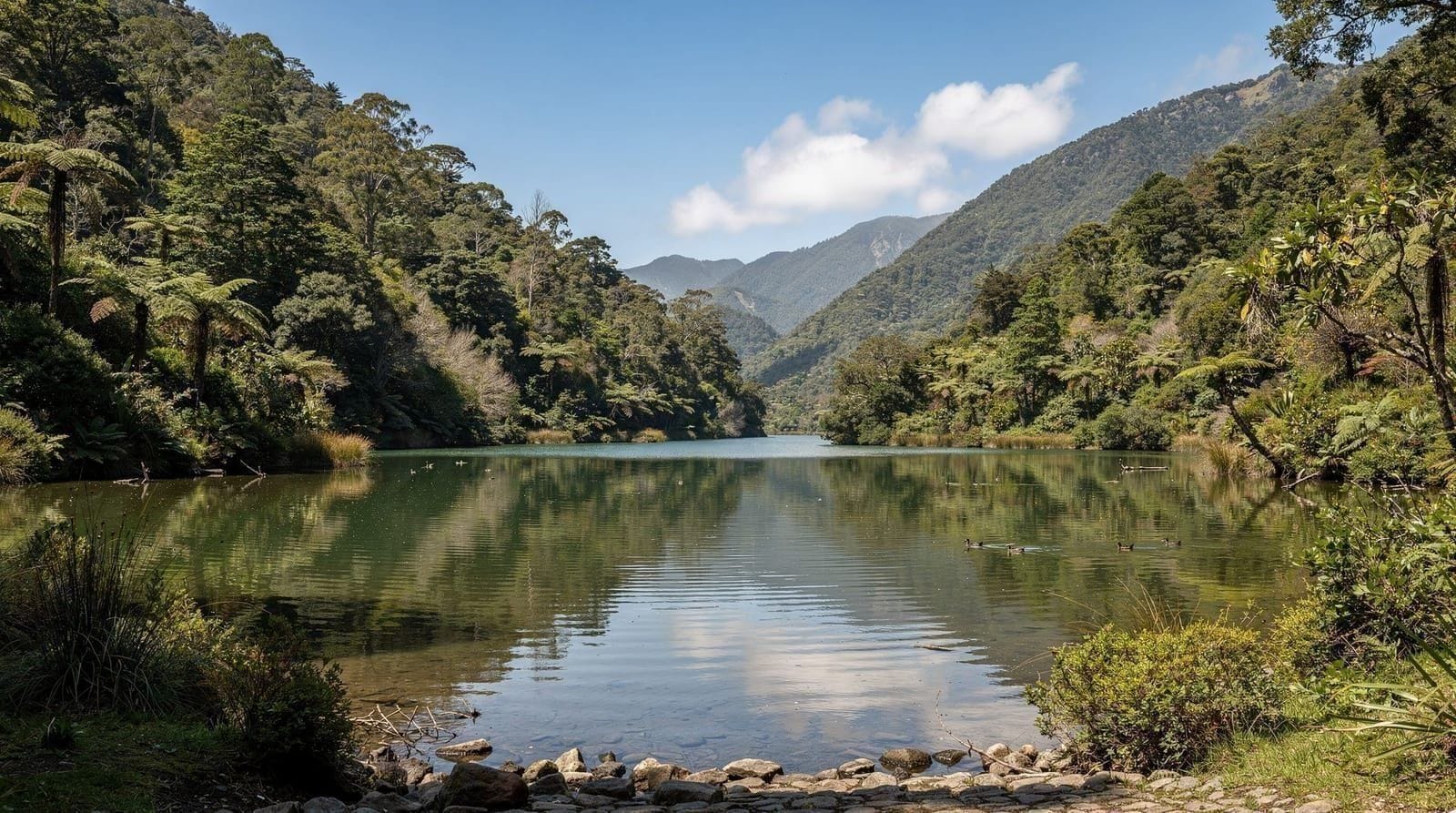
Zealandia is a 225-hectare predator-fenced valley in Karori, a 10-minute drive from central Wellington, restored to something close to pre-human New Zealand forest and now home to kiwi, tuatara, takahē, kākā and dozens of other native species rarely seen on the mainland. A guided day tour (around NZD 55 adult) covers the highlights in 2 hours; self-guided visits let you set your own pace across the reserve's 32 km of trails.
| Where | Karori, about a 10-minute drive from central Wellington |
| Cost | Around NZD 55 adult / NZD 27.50 child / NZD 110 family |
| Time needed | 2 hours (guided) to 3-4 hours (self-guided, full trails) |
| Hours | Roughly 10am-5pm (9am-4:30pm winter); closed Christmas Day |
| Booking | Recommended ahead, especially summer and school holidays |
A 500-year restoration project you can visit in an afternoon
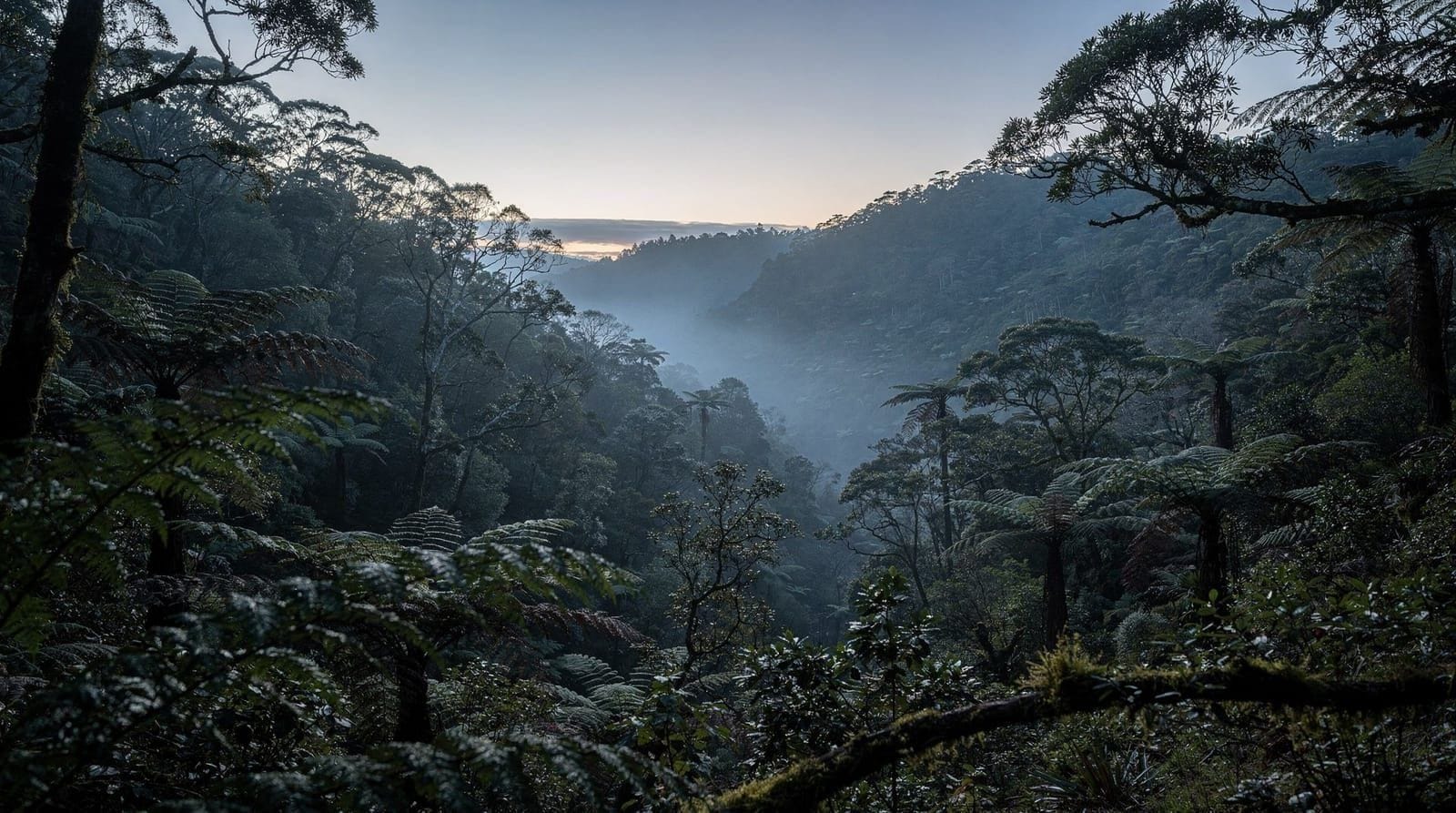
Zealandia, formally Zealandia Te Māra a Tāne, is a 225-hectare valley in the Wellington suburb of Karori enclosed by a purpose-built predator-proof fence — 8.6 km of it, engineered specifically to keep out every introduced mammal predator that has devastated New Zealand’s native bird populations since European settlement, down to the smallest mouse. Since the fence went up in 1999, the valley has been steadily restored toward something close to the forest and wetland ecosystem that existed before humans arrived, and the project’s own stated goal is a 500-year restoration timeline — this is very much a long-term undertaking rather than a finished attraction.
What makes Zealandia genuinely distinctive among Wellington’s attractions is how close it sits to the CBD — about a 10-minute drive or a scenic walk from Karori — while offering wildlife encounters normally requiring a trip to a remote offshore island like Kāpiti. Species here include the little spotted kiwi, tuatara (a reptile lineage older than dinosaurs), takahē, kākā, hihi (stitchbird), and saddleback, several of which are extinct or vanishingly rare on the mainland outside fenced sanctuaries like this one.
The fence: an engineering story worth knowing
Zealandia’s 8.6 km predator-proof fence is a genuinely sophisticated piece of pest-exclusion engineering, not simply a tall wire barrier. It uses a fine stainless steel mesh with an overhanging hood along the top designed specifically to stop climbing predators like rats and stoats from scaling over, buried skirting along the base to prevent digging predators from tunnelling underneath, and a mesh weave fine enough to exclude even mice — the smallest and most persistent of New Zealand’s introduced mammalian threats to native birds and their eggs. Regular inspection walks check the entire fence line for damage from fallen branches, erosion or wildlife activity, since a single breach anywhere along the perimeter could compromise years of restoration work inside.
That level of ongoing maintenance is part of why Zealandia charges admission at all, despite being run substantially as a conservation project rather than a conventional tourist attraction — ticket revenue directly funds fence upkeep, pest-monitoring and the reintroduction programmes that have brought species like takahē and hihi back into a landscape they’d otherwise be unable to survive in.
Guided day tour vs self-guided visit
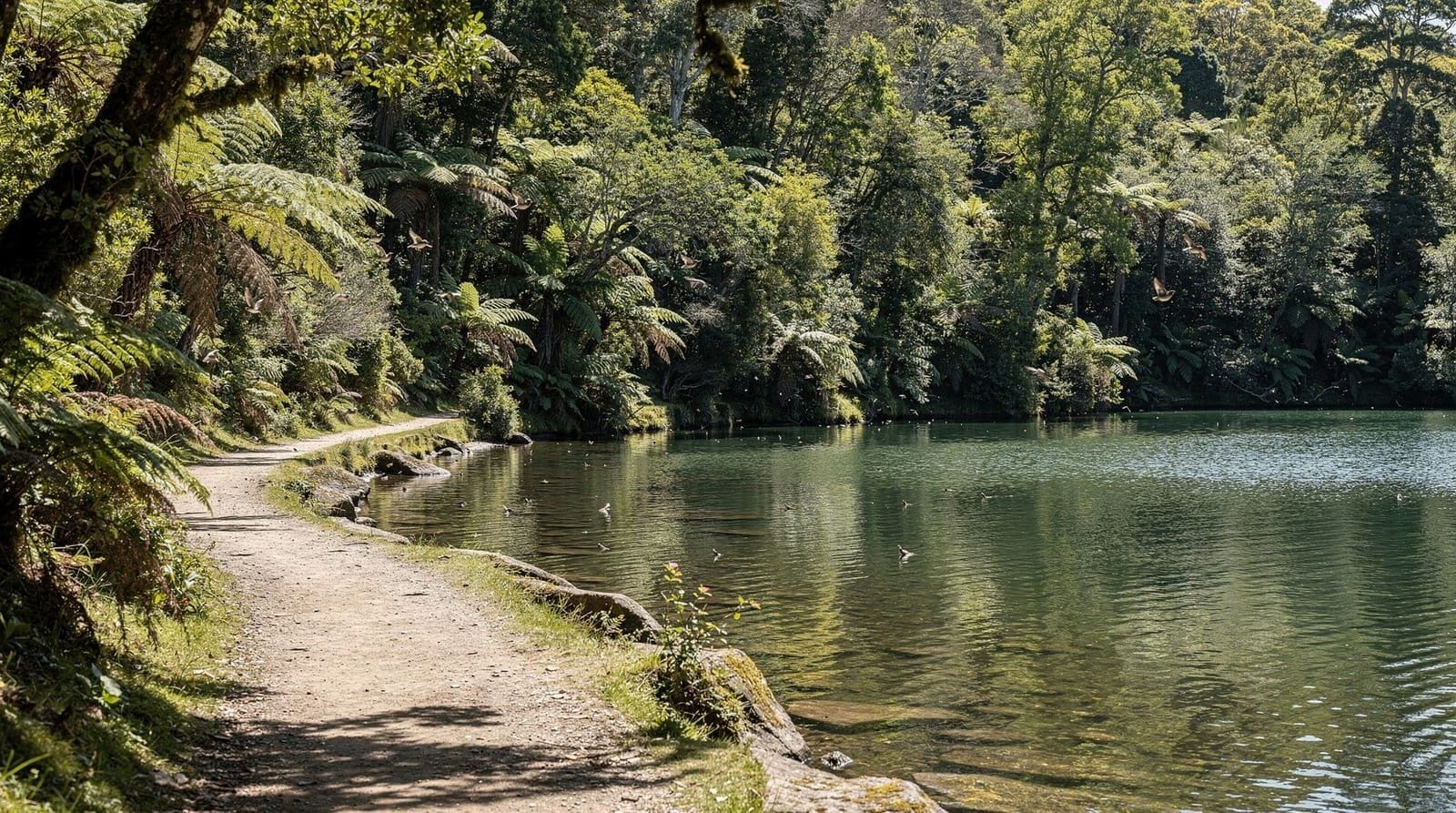
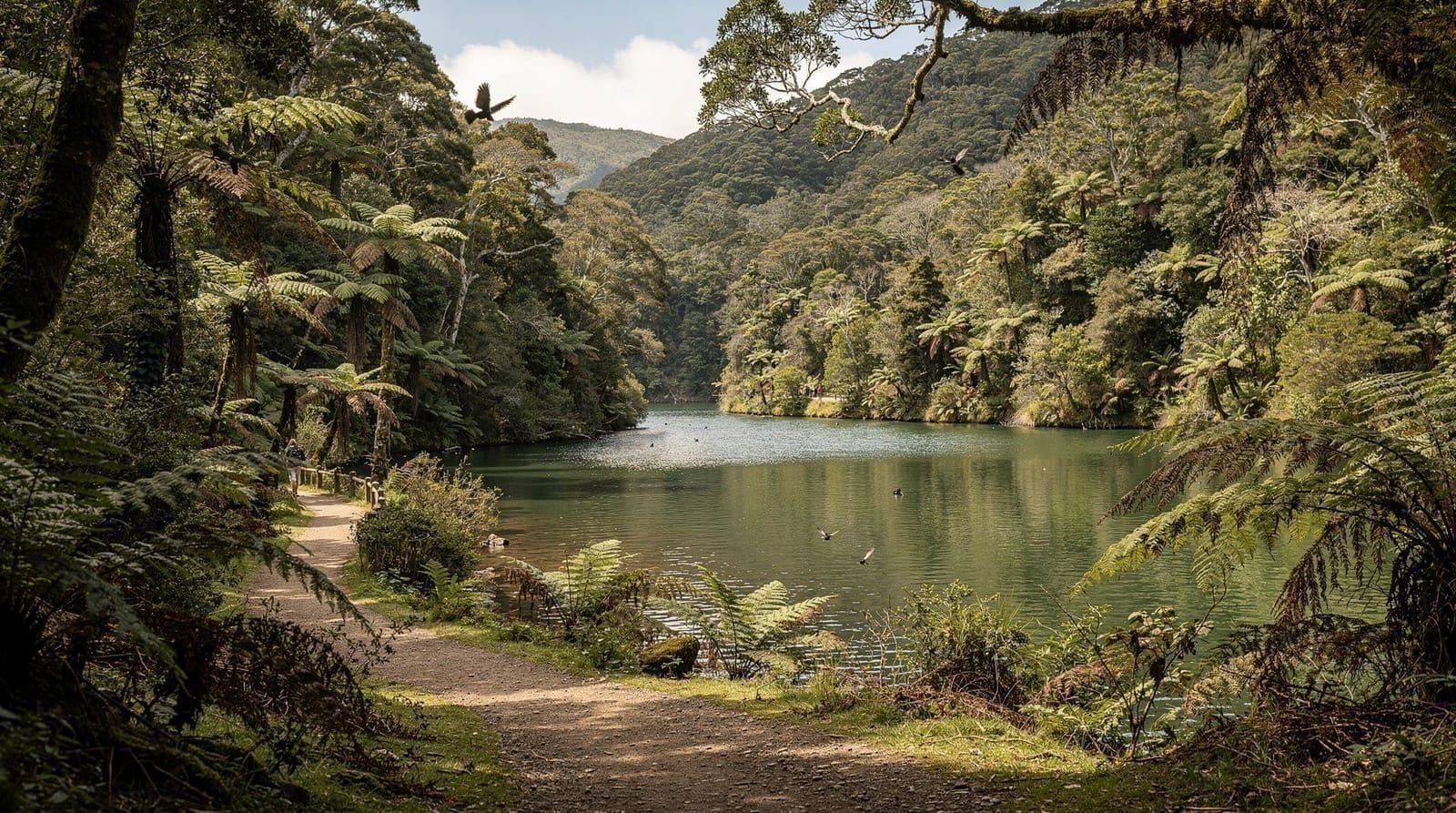
The Zealandia guided walking tour by day runs about two hours and covers the reserve’s most reliable wildlife-viewing spots near the main entrance and lower lake, with a knowledgeable guide pointing out species and explaining the restoration project’s history along the way — genuinely useful context that’s easy to miss walking the trails unguided, since much of the wildlife here blends into the undergrowth without a trained eye pointing it out.
Self-guided visits cost the same admission and give you the freedom to set your own pace across the reserve’s full 32 km of trails, useful if you want to linger at a particular spot, photograph birds without a group moving on, or simply prefer exploring independently. Interpretive signage throughout the reserve provides reasonable context without a guide, though it won’t match a live guide’s ability to spot and identify wildlife in real time.
What you’ll actually see
Kākā — large, boisterous native parrots — are among the most reliably visible species, often seen and heard around the visitor centre feeding stations rather than deep in the bush. Takahē, a large flightless rail once believed extinct until a small population was rediscovered in 1948, are similarly visible in the lower valley areas where a handful live semi-habituated to visitors. Tuatara, kept in a dedicated enclosure near the entrance as well as living wild elsewhere in the reserve, are a near-guaranteed sighting given their preference for basking in visible spots.
Kiwi are the exception — as strictly nocturnal birds, daytime visitors essentially never see one, though the reserve’s night-time soundscape and the possibility of a rustle in the undergrowth are part of what makes the Zealandia by night tour worth considering separately if a genuine kiwi encounter matters to your visit. Hihi and saddleback, both reintroduced species doing well within the fence, round out the bird list for visitors with patience and a decent pair of binoculars.
Trails and how far to walk
The lower valley loop near the visitor centre and lake is flat, well-formed and covers the reserve’s most productive wildlife-viewing areas in about an hour at an unhurried pace — this is the core of both the guided tour and most shorter self-guided visits. Further into the valley, trails climb into denser forest with fewer visitors and, for patient walkers, a decent chance of spotting species like North Island robin that favour quieter areas away from the main paths. Budget three to four hours if you want to properly explore beyond the lower loop, and note that some of the upper tracks involve genuine elevation gain rather than flat valley walking.
The reintroduction programme, briefly
Many of Zealandia’s headline species weren’t naturally present in the valley when the fence went up in 1999 — they’ve been carefully reintroduced over the following two decades as the restored forest matured enough to support them, in partnership with the Department of Conservation and a range of national recovery programmes for critically endangered species. Takahē, once believed extinct until a small population was rediscovered in a remote Fiordland valley in 1948, arrived at Zealandia as part of a broader breed-and-release strategy to establish additional populations away from the fragile original site.
Little spotted kiwi, hihi and saddleback followed similar paths, translocated from other predator-free sites once Zealandia’s own environment was judged ready. This layered history is worth knowing because it changes how you understand what you’re seeing on a visit — this isn’t simply “wild New Zealand as it always was,” but a genuinely deliberate, still-ongoing act of ecological reconstruction.
Tickets, hours and practical information
Standard day entry and the guided walking tour both sit around NZD 55 for adults, NZD 27.50 for children aged 5 to 17, with a family pass around NZD 110 — reasonable value against the reserve’s roughly two-hour guided experience and considerably cheaper than a Kāpiti Island day trip, which involves an offshore boat crossing and correspondingly higher operating costs. Opening hours run roughly 10am to 5pm through most of the year, shifting to 9am-4:30pm in winter, and the reserve closes on Christmas Day.
The visitor centre near the main entrance houses a small café, native plant nursery and interpretive displays worth ten minutes of your visit even if you’re heading straight out onto the trails. Toilets and water refill points are available at the entrance but limited further into the valley, so carry water if you’re planning an extended self-guided walk. It’s about a 10-minute drive from central Wellington, making it an easy half-day addition to a stay based in the CBD.
Volunteering and getting more involved
Zealandia runs an active volunteer programme, with locals and longer-staying visitors contributing to tasks ranging from track maintenance to species monitoring and the nursery propagating native plants used in the reserve’s ongoing restoration. While a casual day visit doesn’t require any volunteering commitment, the option exists for travellers spending extended time in Wellington who want a more hands-on connection to the project than a standard guided tour offers — worth inquiring about directly through the visitor centre if a longer stay and a genuine interest in conservation work align.
Photography inside the reserve
Zealandia is a genuinely rewarding spot for wildlife photography, though patience matters more than equipment — many species, particularly kākā and takahē, are habituated enough to visitors that a reasonable zoom lens captures good detail without needing professional-grade telephoto equipment. Early morning self-guided visits, when the reserve first opens, tend to offer calmer conditions and more active wildlife than the middle of the day, when both animals and visitor numbers are at their most settled. Tripods are permitted on self-guided visits but can be cumbersome on the guided tour’s moving-group pace, so a handheld approach with image stabilisation is generally more practical if you’re doing the tour rather than exploring independently.
Zealandia vs Wellington Zoo
It’s worth being clear about the distinction, since visitors sometimes conflate the two: Zealandia is a native-species-only ecosanctuary focused on conservation and restoration within a fenced wild valley, while Wellington Zoo is a conventional zoo with both native and exotic species in managed enclosures, better suited to a shorter, more predictable family visit, and a sensible pick on a rainy day alongside indoor stops if the outdoor Zealandia trails aren’t appealing in wet weather. Our Zealandia versus Wellington Zoo comparison breaks down which suits which kind of traveller in more detail.
Is it worth the price and the trip out to Karori?
Yes, and it’s one of the more genuinely distinctive things to do in Wellington precisely because of how unusual the concept is — a fully fenced valley a short drive from a capital city, restoring an ecosystem essentially wiped out everywhere else in the country. The two-hour guided tour delivers reliable value even for visitors without a particular interest in birdwatching, since the restoration story itself (the fence engineering, the reintroduction programmes, the 500-year timeline) is compelling on its own terms.
The honest caveat: don’t expect a guaranteed kiwi sighting during the day, and don’t expect the dense, close-packed wildlife concentration of a zoo — species here are genuinely wild and behave accordingly, meaning some visits deliver more sightings than others. If a kiwi encounter specifically is the priority, the Zealandia night tour with exhibit and sanctuary access is the better-targeted option — see our Zealandia by night guide for the full detail — and pairs naturally with a daytime visit if you have the time and budget for both.
For families weighing this against a shorter, more predictable outing, our Zealandia versus Wellington Zoo comparison breaks down which suits which kind of visitor, and the joint Kāpiti and Zealandia with kids itinerary sequences both of the region’s headline wildlife experiences into a single manageable trip. If your Wellington stay is short, our Wellington in 2 days guide shows where Zealandia fits alongside the CBD’s other essentials.
Combining Zealandia with a wider Wellington nature circuit
If Zealandia’s mix of restored forest and reintroduced species has you interested in New Zealand’s wider conservation landscape, Kāpiti Island offers a comparable but offshore predator-free experience, on a scale that requires a boat crossing and correspondingly more of your day. Our nature and wildlife in 4 days itinerary sequences Zealandia alongside Kāpiti and the Wellington harbour seal colony for visitors with the time and stamina for a fuller regional wildlife circuit rather than a single stop.
Getting there without a car
Zealandia is reachable by public bus from central Wellington, though services run less frequently than to the CBD’s main attractions, so check timetables ahead rather than assuming a walk-up wait will be short. Our getting around Wellington with Metlink guide covers the city’s bus network in more detail if you’re not planning to hire a car for your stay. A taxi or rideshare is a straightforward fallback if the bus schedule doesn’t line up with your plans, particularly for an early-morning self-guided visit before the crowds arrive.
Best time of day to visit
| Time | What to expect |
|---|---|
| Opening (10am, 9am winter) | Calmest conditions, most active wildlife, fewer visitors |
| Midday | Busiest with tour groups; animals often less active in the heat |
| Late afternoon | Quieter again, good light for photography before closing |
Early morning self-guided visits consistently offer the best combination of calm conditions and active wildlife, particularly for photography — worth building into your schedule if a specific species is a priority rather than treating opening time as arbitrary.
Frequently asked questions about Zealandia complete guide
How much does Zealandia cost?
Day entry for self-guided visits and the guided walking tour both sit around NZD 55 for adults, NZD 27.50 for children aged 5-17, with family passes around NZD 110. Night tours cost more, typically around NZD 85-95, reflecting the smaller group sizes and specialised guiding required after dark.Will you actually see a kiwi at Zealandia during the day?
Unlikely on a standard daytime visit, since kiwi are nocturnal and spend daylight hours hidden in dense undergrowth or burrows. A night tour offers a genuine chance of hearing or spotting one, which is the main reason serious kiwi-seekers pick the after-dark option over a day visit.How long do you need at Zealandia?
The standard guided walking tour runs about 2 hours and covers the reserve's highlights near the main entrance and lower lake. Self-guided visitors with more time can easily spend 3-4 hours exploring further into the 32 km trail network, particularly the upper valley tracks with less foot traffic.Is Zealandia suitable for young children?
Yes, the lower valley tracks near the visitor centre are flat, well-formed and stroller-friendly, making the reserve genuinely accessible for families. The steeper upper tracks further into the valley are better suited to older children and more confident walkers.Do you need to book Zealandia in advance?
Booking ahead is recommended, particularly for the guided tours and especially in summer and school holiday periods when visitor numbers peak. Walk-up entry for self-guided visits is sometimes possible outside peak times, but pre-booking removes the risk of being turned away on a busy day.Can you get to Zealandia without a car?
Yes, by public bus from central Wellington, though services run less frequently than to the CBD's main attractions, so check timetables ahead. A taxi or rideshare is a straightforward fallback if the bus schedule doesn't line up with your plans.
Top experiences
Bookable activities with verified prices and instant confirmation on GetYourGuide.