Do you need a car in Wellington?
Do I need to rent a car for a trip to Wellington?
No, not for the city itself — Wellington's CBD is highly walkable and Metlink's buses and trains cover the rest comfortably. A car becomes genuinely useful once your plans stretch to Martinborough, the wider Wairarapa, or a self-paced exploration of Kāpiti, where public transport connections are slower and less flexible.
The honest answer: it depends on how far you’re going
Whether a rental car is worth the cost and hassle for a Wellington trip has a genuinely different answer depending on whether you’re staying within the city or planning to explore the wider region. Within Wellington’s compact, walkable CBD and suburbs, a car adds cost and parking headaches without much upside. Head out toward Martinborough, the Wairarapa or Kāpiti, and the calculation shifts considerably. This guide breaks the decision down honestly rather than defaulting to a blanket recommendation.
| In the city | Skip it — walking + Metlink cover the CBD and suburbs comfortably |
| Wairarapa/Martinborough day | Optional — guided tour or single-day rental both work |
| Kāpiti day | Optional — train + tour transfer usually covers it |
| South Island leg | Recommended — distances and transit are thinner past Picton |
| CBD parking | Around NZ$15-30/day at commercial car parks |
Within Wellington: a car is a genuine liability
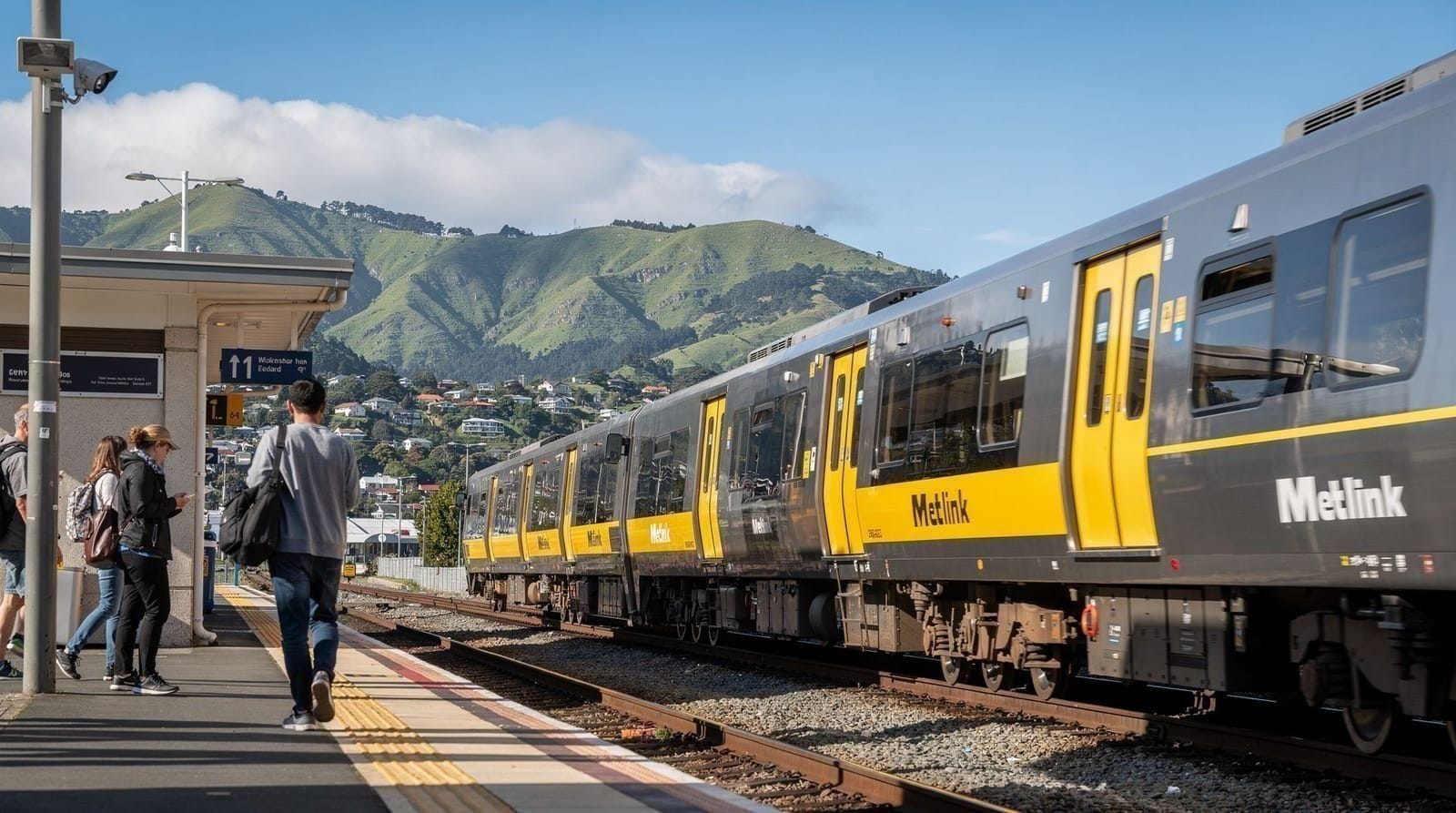
Wellington’s CBD is compact enough that around 90% of its core attractions — Te Papa, the cable car, Cuba Street, the waterfront — sit within a 15-30 minute walk of each other, and Metlink’s bus and train network comfortably covers the suburbs beyond walking distance, including Karori (Zealandia), Newtown (the zoo) and Miramar (Weta Workshop). A car in this context mostly sits parked, racking up metered or paid parking costs in a city where CBD parking is genuinely limited, while offering little time saved over walking or a short bus ride for most trips within the city itself.
Where the calculation changes: Martinborough and the Wairarapa
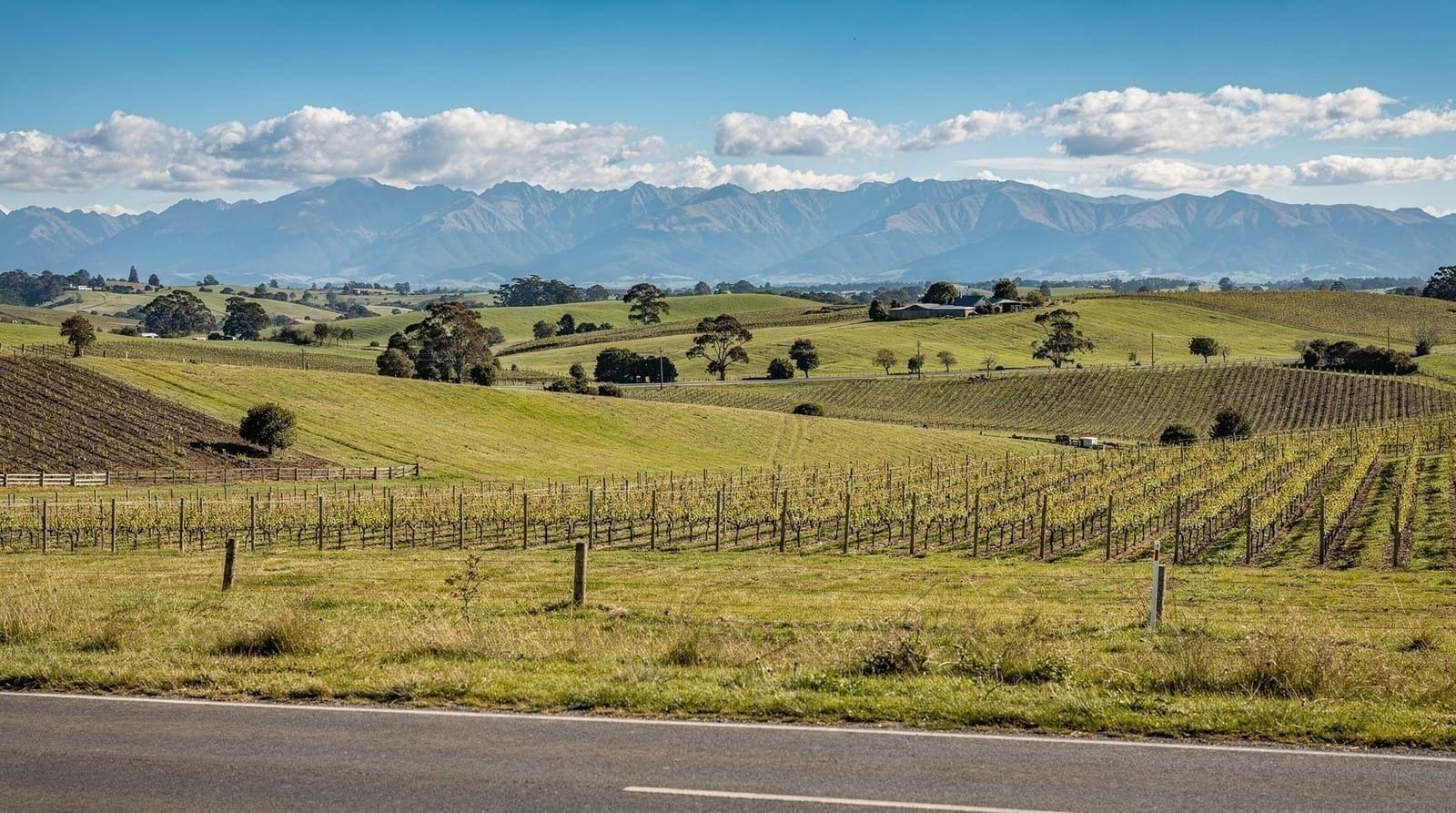
The Wairarapa’s wine country is where a rental car starts to pay for itself, since public transport reaches only as far as Featherston or Carterton by train, requiring a connecting taxi to actually get into Martinborough or Greytown. Our driving to the Wairarapa guide covers the roughly 1 hour 15 minute drive over the Remutaka Range in detail — for a day trip focused purely on wine tasting, though, a guided tour still resolves the driving-versus-drinking tension more cleanly than self-driving with a designated driver, so a car isn’t strictly necessary even here if wine is the main goal.
Kāpiti Coast and Kāpiti Island
Kāpiti is reachable by Metlink train to Waikanae or Paraparaumu in around 45-50 minutes, with a short taxi covering the final stretch to the Kāpiti Island ferry departure point — workable without a car, though a rental gives more flexibility if you’re combining the island trip with other stops along the coast. Most visitors booking a specific Kāpiti Island tour find the tour operator’s transfer arrangements handle this connection anyway, reducing the practical need for a car even for this day trip.
Kaikōura and the South Island
If your trip extends across the Cook Strait ferry toward Kaikōura or the wider Marlborough region, a car becomes considerably more useful on the South Island side, where distances between towns are longer and public transport thinner than in the Wellington region itself. Visitors planning this leg should weigh whether to bring a rental car onto the ferry (a meaningfully higher fare than foot-passenger-only) against picking one up fresh in Picton — see our Interislander vs Bluebridge guide for the ferry-side cost comparison.
The cost of a car you don’t need
Renting a car for a full multi-day Wellington visit when your plans are genuinely city-focused adds up in ways that aren’t always obvious upfront — daily rental cost, CBD parking (often NZ$15-30 a day at commercial car parks, more at some hotels), and the practical hassle of navigating one-way streets and hill-country roads in an unfamiliar city. For a purely city-based 2-3 day visit, this cost buys essentially nothing over walking and Metlink, making it one of the more avoidable expenses in a Wellington trip budget. Our Wellington trip cost and budget guide puts this in context against the rest of a typical daily spend.
When renting for just part of your trip makes sense
The more common sensible middle ground is renting a car for only the specific day or two you actually need one — picking up a vehicle the morning of a Wairarapa day trip and returning it that evening, for instance, rather than holding a rental for your entire stay. Several rental companies operate from both the airport and CBD locations, making this kind of short-term, targeted rental straightforward to arrange once your itinerary is set. Our Wellington airport to city guide covers airport pickup logistics if this is your preferred approach.
Driving on the left
New Zealand drives on the left, which catches out visitors from left-hand-drive countries most often at roundabouts and give-way intersections, where the rules can feel counter-intuitive until you’ve had a bit of practice. If you’re renting for a Wairarapa day trip and haven’t driven on the left before, it’s worth taking the first stretch through the flatter Hutt Valley roads at an easy pace before reaching the more demanding Remutaka summit crossing, rather than adjusting to left-hand driving and a winding hill road simultaneously.
Ride-hailing and taxis as a middle ground
For visitors who want more flexibility than Metlink but don’t want the cost or hassle of a rental car, Uber and local taxi services operate reliably within Wellington and for point-to-point trips a bit further afield, offering a reasonable middle ground for occasional trips without committing to a full rental. This works well for evening transport when Metlink’s frequency drops, or an occasional one-off trip to a destination slightly outside easy walking or bus range.
A practical decision framework
If your Wellington trip is 2-3 days and concentrated on the city itself — Te Papa, the cable car, Cuba Street, Zealandia — skip the rental car entirely and rely on walking plus Metlink. If you’re adding a Wairarapa wine day, decide between a guided tour (no car needed) or a single day’s rental depending on whether you want to explore beyond Martinborough itself. If your trip extends to Kaikōura or a longer South Island loop via the Cook Strait ferry, a rental car (picked up either in Wellington before the ferry or fresh in Picton) becomes considerably more valuable given the longer distances and thinner public transport on the South Island side.
What locals actually do
Many Wellington residents themselves go without a car for daily city life, relying on the same Metlink network and walking that visitors use, with a car reserved mainly for weekend trips out of the city toward the Wairarapa, Kāpiti or further afield. This local pattern is a reasonable model for visitors to follow — treat a car as a tool for specific regional excursions rather than a default requirement for the whole trip, mirroring how residents themselves approach it.
Insurance and excess considerations
If you do rent for a Wairarapa or wider regional day trip, checking your rental agreement’s excess and insurance coverage matters more on winding routes like the Remutaka summit crossing than on flat city streets, given the marginally higher risk of a minor scrape on tighter corners. Most rental companies offer excess-reduction add-ons, worth considering for a single day’s hire covering an unfamiliar hill-country route, even if you’d skip the same add-on for city-only driving.
Car-share and rental alternatives
Beyond traditional rental companies, car-share services operate in parts of Wellington, offering short-term, by-the-hour rentals that can work out cheaper than a full-day traditional rental if you only need a car for a few hours rather than an entire day. This suits visitors making a shorter, more targeted trip — a half-day Kāpiti Coast excursion, for instance — better than a full daily rental rate.
The environmental and practical case against a full-trip rental
Beyond cost, holding a rental car for a multi-day, city-focused Wellington visit has a real opportunity cost in parking search time, one-way street navigation in an unfamiliar CBD, and the general hassle of finding overnight parking near accommodation that may not include it. Visitors who’ve rented a car defaulting out of habit from other trips often find, in Wellington’s specific case, that they’d have moved around just as effectively — and with less stress — using Metlink and walking instead.
Combining a car with public transport strategically
A hybrid approach — Metlink and walking for the city portion of your stay, a single-day rental for a Wairarapa or Kāpiti excursion — captures the benefit of both options without paying for a car you don’t need for the bulk of your visit. This is, in practice, the approach most cost-conscious visitors land on once they’ve weighed the specific legs of their itinerary against each other rather than making a single all-or-nothing decision for the whole trip.
Questions to ask yourself before booking a rental
Before committing to a rental car for your Wellington trip, it’s worth honestly answering a few questions: is your visit concentrated in the city itself, or does it genuinely extend to the Wairarapa, Kāpiti or beyond? Would a guided tour handle your regional day trip just as well, removing the need to drive entirely? And does your accommodation include parking, or would a rental car add a daily parking cost on top of the rental fee itself? Answering these honestly for your specific itinerary, rather than defaulting to “yes” out of habit, is the most reliable way to avoid an unnecessary expense.
A day-by-day example itinerary without a car
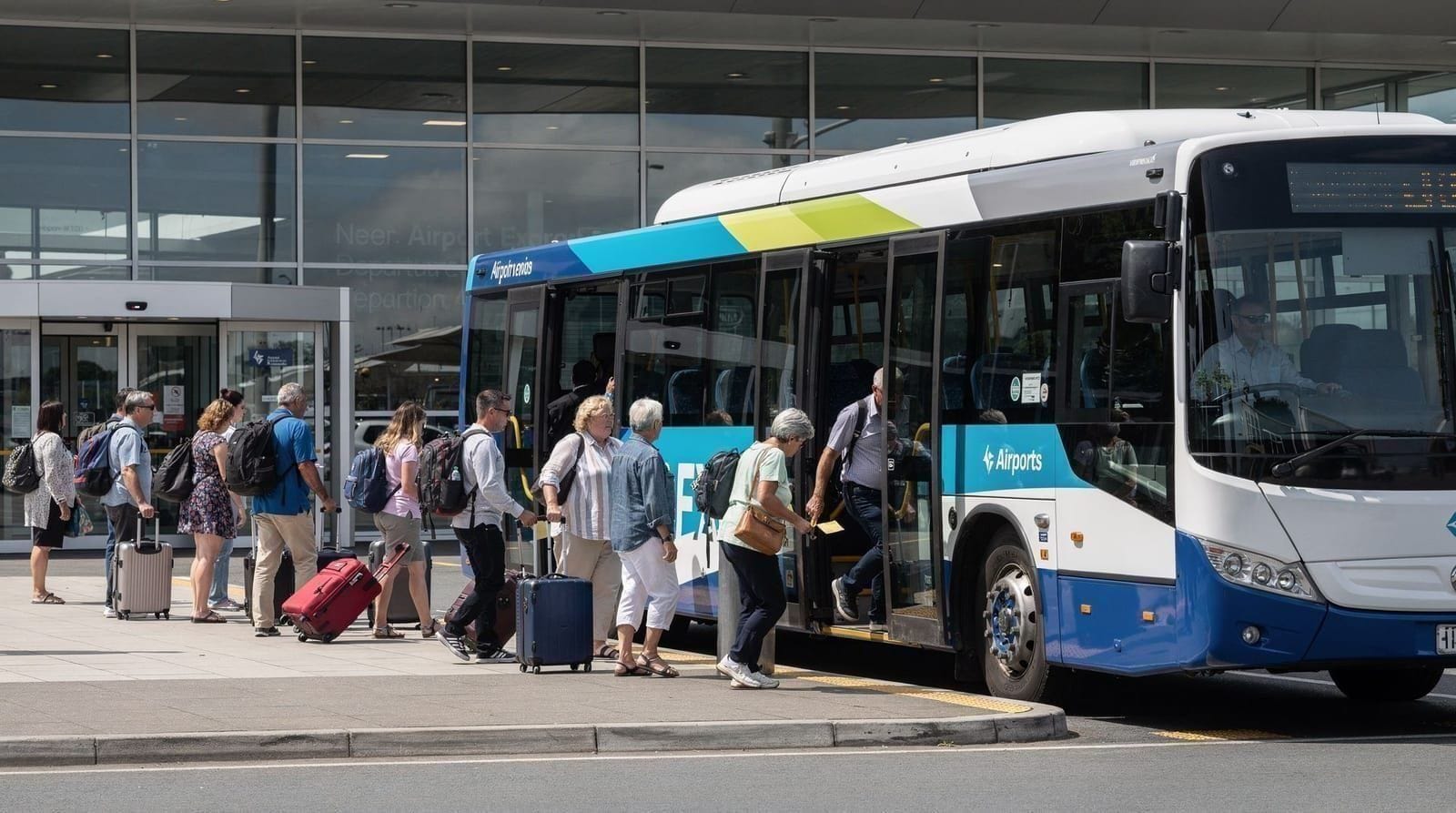
Consider a typical 4-day Wellington visit: day one, arrive via the Airport Express and explore the CBD core on foot (Te Papa, waterfront, cable car); day two, Metlink bus to Karori for Zealandia, returning for dinner on Cuba Street; day three, a booked Martinborough wine tour handling all transport; day four, Metlink train to Waikanae and a booked Kāpiti Island tour transfer. Across all four days, a rental car adds nothing to this itinerary — every leg is covered by walking, Metlink, or a tour operator’s own transport, illustrating just how far a car-free approach stretches for a fairly typical, moderately active Wellington visit.
When group size changes the calculation
For a solo traveller or couple, the case against a full-trip rental is strongest, since Metlink fares and the occasional taxi are both cheap relative to a daily rental cost split between only one or two people. For a larger family or group of four or more, a rental car’s daily cost divided across more people starts to look more comparable to Metlink fares for the same group, particularly for a Wairarapa or Kāpiti day trip — worth running the actual numbers for your specific group size rather than assuming the general “skip the car” advice applies equally regardless of party size.
Seasonal factors in the car decision
Winter’s shorter days and rougher weather make Metlink’s sheltered buses and trains a genuinely more comfortable option than walking longer distances in cold rain, reinforcing the case against a car for city-only winter visits. Summer’s longer days and better walking weather similarly favour walking and Metlink for city sightseeing, while making a self-driven Wairarapa or Kāpiti day trip more pleasant if you do decide a car is worth it for those specific legs, given more forgiving driving conditions than a winter crossing of the Remutaka Range.
What Wellington’s own residents’ habits reveal about the question
Wellington has one of the higher rates of car-free commuting among New Zealand cities, a reflection of both the CBD’s genuine walkability and the practical difficulty of driving and parking in a hill-constrained city centre with a relatively old, narrow street layout in places. This local pattern isn’t just a curiosity — it’s a genuine signal that the “do you need a car” question has a fairly settled answer for city-based living, one that translates reasonably directly to a visitor’s short-term experience of the same city.
Weighing convenience against cost honestly
It’s worth being honest that a car does offer some convenience even within the city — not needing to check a timetable, not walking the last ten minutes to a bus stop, being able to leave whenever you want rather than around a bus schedule. For most visitors, this convenience genuinely isn’t worth the parking cost and hassle given how short those Metlink or walking trips actually are within the compact CBD, but travellers who place a very high value on this kind of flexibility, regardless of cost, may reasonably decide differently from the general recommendation in this guide.
A final sanity check before booking
Before finalising a rental car booking for your Wellington trip, it’s worth listing out your actual planned activities day by day and checking off which ones genuinely require a car versus which are covered by walking, Metlink or a booked tour’s own transport. Most visitors doing this exercise honestly find the car is needed for at most one or two specific days rather than the whole trip, which is the core, most cost-effective conclusion this guide has been building toward throughout.
Checking your travel insurance’s rental car coverage
If you do decide a rental car suits part of your trip, it’s worth confirming ahead of time whether your travel insurance or credit card already includes rental vehicle excess cover, potentially saving the cost of the rental company’s own excess-reduction add-on for a short, single-day hire. This is a five-minute check that can meaningfully change the economics of a short Wairarapa or Kāpiti rental if your existing coverage already handles it.
Rental car availability during peak season
Booking a rental car well ahead matters more in summer (December-February), when both national and international visitor demand pushes local rental fleets close to capacity, occasionally leaving last-minute bookers with a smaller vehicle or higher price than they’d hoped for. Off-peak months offer considerably more flexibility to book a specific vehicle type closer to your actual travel date without this same pressure.
A traveller profile summary
To close with a quick reference: solo travellers and couples on a 2-3 day city-focused visit should skip a car entirely; anyone adding a single Wairarapa or Kāpiti day should decide between a short-term rental and a guided tour based on whether wine tasting is the day’s focus; and anyone extending across the Cook Strait ferry toward the South Island should plan a car specifically for that leg, either brought across on the ferry or picked up fresh in Picton, rather than for the Wellington portion of the trip at all.
One more honest caveat
None of this advice changes if you simply enjoy driving and would rather have a car regardless of strict cost-efficiency — that’s a legitimate personal preference this guide doesn’t presume to override. The point isn’t that a car is wrong for Wellington, only that it isn’t necessary for the city itself in the way it might be for a more sprawling, less transit-served destination, and that most visitors genuinely don’t need one for the bulk of a Wellington-based trip.
The bottom line
For the city of Wellington itself, a rental car is more liability than asset — parking costs money, spaces are limited, and walking plus Metlink covers the CBD and suburbs comfortably. The case for a car strengthens the further your trip reaches beyond the city, particularly toward the Wairarapa, Kāpiti or the South Island, where renting for just the specific days you need it (rather than your whole stay) is usually the most cost-effective approach.
What Metlink actually covers well
It’s worth being specific about what Metlink handles comfortably rather than leaving it as a vague claim: the bus and train network reliably connects the CBD to Karori (Zealandia), Newtown (the zoo), Miramar (Weta Workshop) and out to Waikanae for Kāpiti, with services frequent enough during the day that waiting isn’t a major factor for most trips. Evening frequency drops meaningfully after around 7-8pm on several routes, worth checking specific timetables if your plans involve a later return, and Sunday services generally run less frequently than weekday and Saturday schedules. Our getting around Wellington guide has the full network detail if Metlink alone is your plan for the whole trip.
Electric and hybrid rental options
New Zealand’s rental fleets increasingly include electric and hybrid vehicles, worth asking about specifically if lower running costs or environmental considerations matter for your Wairarapa or Kāpiti day trip. Charging infrastructure is reasonably established along main routes but thinner in the more remote stretches past Martinborough toward Cape Palliser, so a hybrid or a full charge before setting out is the more reliable choice than assuming a charging stop will be easy to find on a rural day trip. Rental companies can advise on realistic range for the specific route you’re planning, worth confirming before committing to an electric option for a longer regional day.
Motorhomes and campervans
Some visitors touring New Zealand more broadly arrive in Wellington already driving a rented motorhome or campervan as part of a longer North Island or full-country loop, a genuinely different consideration from renting specifically for a Wellington stay. If this describes your trip, the city-parking caveats above apply even more strongly — motorhomes are harder to park in the CBD than a standard car, and most visitors in this situation are better off finding a campground or holiday park slightly outside the centre and using Metlink or a day’s smaller rental for the city portion of their visit, saving the larger vehicle for the open-road legs of the trip.
Car vs Metlink vs guided tour, cost compared
For a rough sense of how the numbers actually stack up, here’s a comparison for a single day exploring beyond the CBD.
| Rental car (1 day) | Metlink + taxi | Guided tour | |
|---|---|---|---|
| Cost | NZ$70-120 + fuel + parking | NZ$20-40pp | NZ$150-250pp all-inclusive |
| Flexibility | Highest — your own schedule | Moderate — fixed timetables | Lowest — fixed itinerary |
| Driving stress | Unfamiliar left-hand roads | None | None |
| Best for | Groups of 3+, multi-stop days | Budget solo/couple travellers | First-time visitors, wine days |
For a solo traveller or couple doing a single Wairarapa day, a guided tour and a day’s rental often land within a similar overall cost once fuel, parking and the driving stress of an unfamiliar hill-country road are factored in — the tour simply removes the driving from the equation entirely.
What if you’re only in Wellington for a stopover
For visitors passing through Wellington for a day or two as part of a longer New Zealand trip — say, between flights or ferry crossings — the case against a rental car is even stronger than for a longer stay. A short stopover rarely allows time for a Wairarapa or Kāpiti day trip anyway, so the car-free city-only approach applies almost without exception; see our Wellington in 1 day guide for how to make the most of a single day using only walking and Metlink.
Frequently asked questions about Do you need a car in Wellington?
Is parking difficult in central Wellington?
Yes, relative to renting a car's benefit within the city — CBD parking is limited and metered, and many visitor accommodations don't include free parking, adding a real ongoing cost to having a car sit in town unused.Can I do Martinborough and Kāpiti without a car?
Yes, via a guided tour for either, or public transport with a connecting taxi at the far end, though both options are slower and less flexible than driving yourself.Is it cheaper to rent a car for just the days I need it?
Usually yes — renting for a single day trip to Martinborough or Wairarapa (rather than the whole visit) avoids paying for parking in the city on the days you don't need a vehicle at all.Do New Zealand road rules differ from other countries?
New Zealand drives on the left, which trips up visitors from left-hand-drive countries especially at roundabouts and give-way situations; a short adjustment period on quieter roads before tackling the Remutaka Range crossing is sensible for anyone unfamiliar with left-hand driving.