Kāpiti Island day trip guide
From Wellington: Kapiti Island Nature Reserve Day Trip
How do you get to Kāpiti Island from Wellington?
Drive or take the train roughly 45-50 minutes north to the Kāpiti Coast, then join an authorised boat operator for the short crossing to the island itself — independent access isn't permitted, since Kāpiti is a strictly managed predator-free nature reserve. Most day trips run as a guided package covering transport, the boat crossing and a guided walk.
A protected sanctuary, not a casual beach trip
| Where | Kāpiti Island, off the Kāpiti Coast, ~45-50 min from Wellington |
| Access | Authorised operator only — no independent visits |
| Time needed | Full day, ~8-10 hours door to door |
| Cost | Roughly NZD 90-95+ per adult, day tour |
| Booking | Weeks ahead, especially Dec-Feb |
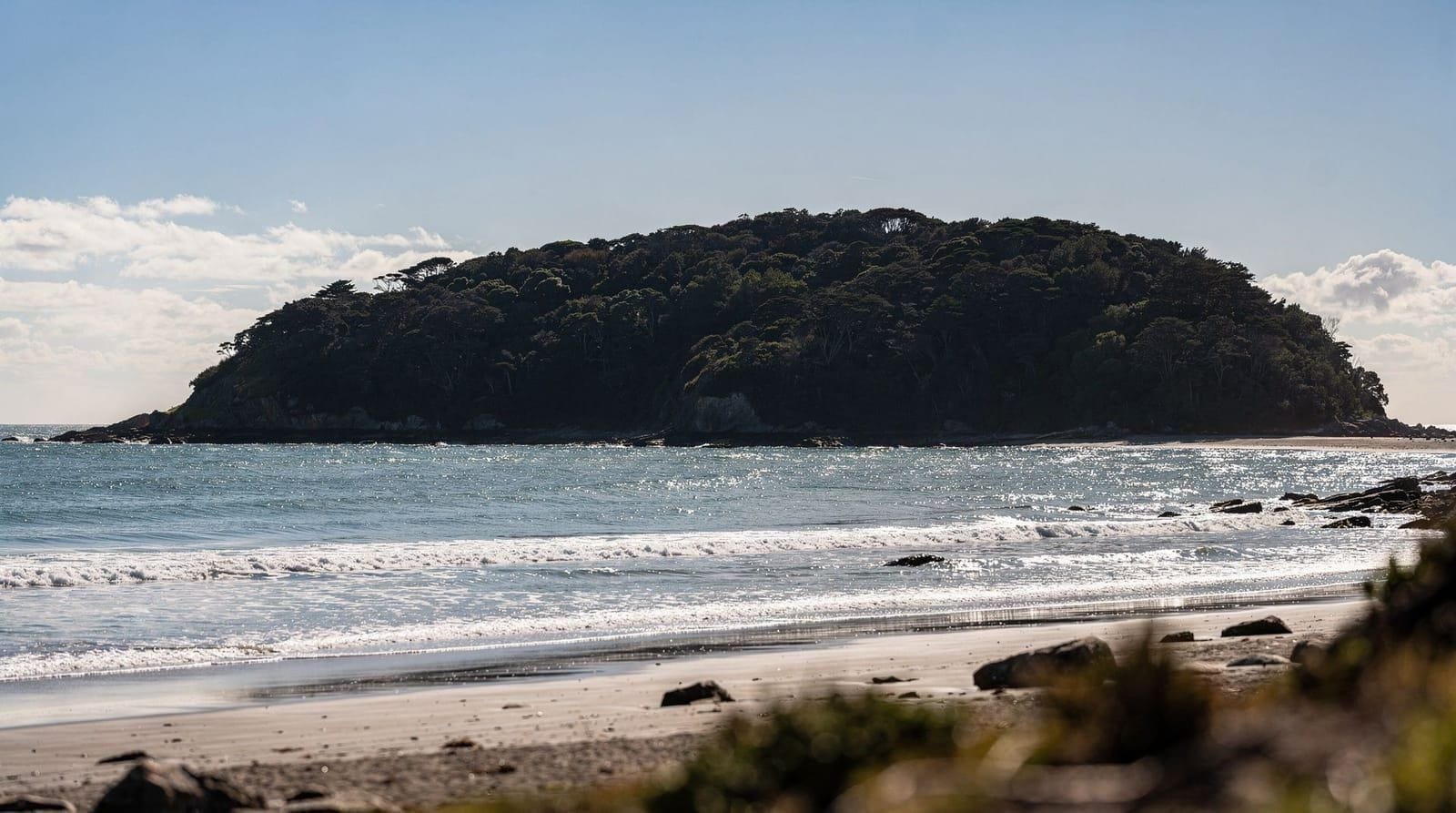
Kāpiti Island is one of New Zealand’s oldest and most significant nature reserves, a predator-free sanctuary just off the Kāpiti Coast holding some of the country’s rarest native birds in numbers you simply won’t encounter on the mainland. Unlike most day-trip destinations covered in this guide, access here is genuinely restricted — no independent visits, no turning up and hiring a boat yourself. Every visitor arrives through a Department of Conservation permit administered by a small number of authorised tour operators, a deliberate part of the island’s decades-long conservation success.
Getting to the coast
The starting point for any Kāpiti Island day is the Kāpiti Coast itself, roughly 45-50 minutes north of Wellington by car via State Highway 1, or a similar journey by regional train. From there, authorised operators run a short boat crossing to the island, with departure points and times fixed to specific tour schedules rather than flexible independent timing.
Booking through an authorised operator
The Kāpiti Island nature reserve day trip from Wellington bundles the transport from Wellington, the boat crossing and a guided walk on the island into a single package, the most straightforward option for visitors without their own transport to the coast. For those already based on the Kāpiti Coast or driving themselves up, the Kāpiti Island classic guided day tour departs directly from the coast, skipping the Wellington transfer leg for a more focused island-only day.
What the day actually involves
Expect a full day rather than a quick excursion: the drive or train up, a boat crossing of around 15-20 minutes depending on conditions and departure point, several hours guided on the island itself covering a mix of walking tracks and wildlife-spotting stops, and the return journey back to Wellington. Door to door, this typically runs 8-10 hours, so it’s realistic to treat Kāpiti Island as its own dedicated day rather than combining it with much else.
The wildlife: what makes this different
Decades of intensive predator eradication — removing rats, possums and other introduced mammals entirely from the island — have turned Kāpiti into one of the most important bird sanctuaries in the country. Species that are rare or absent on the New Zealand mainland, including kiwi, takahē, kōkako and saddleback, live here in genuinely healthy numbers, and the density and variety of birdsong on a guided walk is noticeably different from anywhere else most visitors will experience in New Zealand, including Zealandia back in Wellington itself, which operates on a similar predator-exclusion principle but at a smaller, urban scale.
Kiwi spotting: daytime realities
Kiwi are nocturnal, so a standard daytime visit is more likely to deliver kiwi calls or signs (droppings, probe holes in the ground) than an actual sighting, which is honest to set expectations around rather than promising guaranteed kiwi encounters. Overnight stays on the island, run by a small number of operators with lodge accommodation, offer considerably better odds of an actual kiwi sighting after dark, though that’s a different, longer commitment than the standard day trip covered here.
Walking tracks on the island
The island has a network of walking tracks ranging from gentle paths near the main landing point to steeper climbs toward higher viewpoints with wider coastal views. Guided groups typically choose a track suited to the group’s fitness and interests, so check with your specific operator about what’s included if you have particular mobility considerations or a strong preference for either an easier stroll or a more demanding hike.
What to bring
Sturdy walking shoes, a rain layer regardless of the forecast given how quickly weather can shift on an exposed island, water and your own food since there are no shops on-site, sunscreen (the open sections of track offer little shade), and a camera with a reasonable zoom for both birdlife and the coastal views back toward the mainland.
Booking ahead: essential, not optional
Given the limited number of authorised operators and daily visitor caps built into the island’s conservation management, booking well ahead — weeks rather than days, especially in the busier summer months (December-February) — is essential rather than a nice-to-have. Turning up on the Kāpiti Coast hoping to join a same-day tour is a genuine risk of disappointment.
Weather and cancellations
Boat crossings depend on sea conditions, and operators will postpone or cancel crossings in genuinely rough weather for safety reasons — a real possibility on the exposed Kāpiti Coast, particularly during winter months (June-August). Building a buffer day into your itinerary, rather than scheduling Kāpiti Island for your very last full day in the region, reduces the risk of missing out entirely if a crossing is cancelled.
Combining with the Escarpment Track
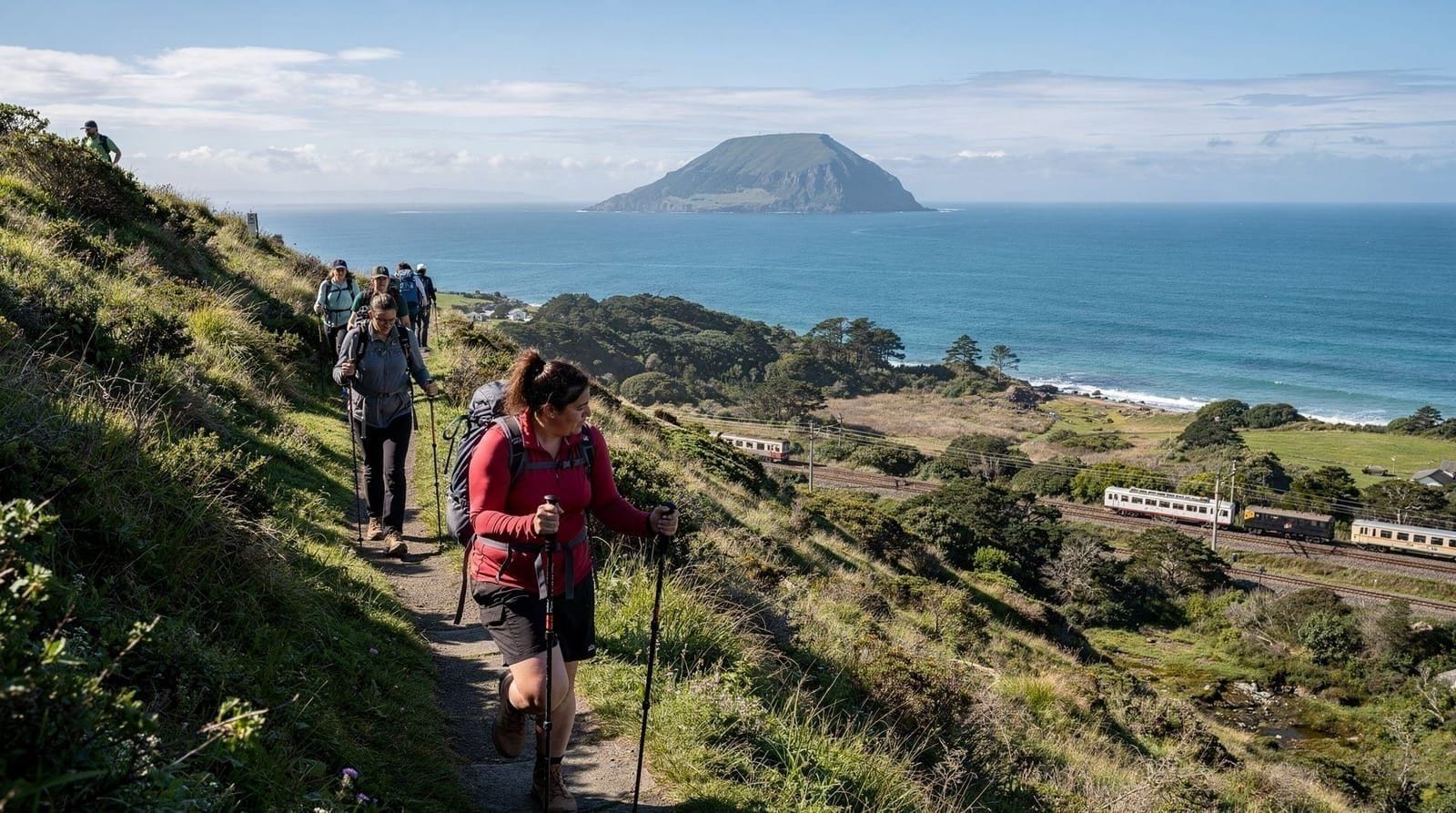
For visitors with more time and a genuine appetite for a physical day, the Escarpment Track runs along the coast just south of the main Kāpiti Coast towns, though attempting both the escarpment walk and a Kāpiti Island tour in the same day is ambitious given how much time each genuinely deserves — most visitors treat these as separate days.
Is it worth the full-day commitment?
For anyone with a genuine interest in New Zealand’s native birdlife, yes, without much hesitation — Kāpiti Island delivers an encounter with the country’s conservation success story that few other accessible destinations can match, in a genuinely well-managed, low-impact way that respects the island’s ecological significance. It demands a full day and advance booking, but for nature-focused travelers it’s one of the more worthwhile day trips available from Wellington.
The conservation story behind the visit
Kāpiti Island’s transformation into a predator-free sanctuary is one of New Zealand’s genuine conservation success stories, built over decades of sustained effort to eliminate introduced mammals — rats, possums, stoats — that had devastated native bird populations across the mainland. Guides on the island typically weave this history into the walk itself, explaining not just what you’re seeing but the sustained, ongoing effort required to keep the island predator-free, including biosecurity checks on every visitor’s bags before boarding the boat, a small but meaningful part of the experience that underscores how seriously this protection is taken.
Biosecurity checks: what to expect
Before boarding the boat to the island, expect a bag check for stowaway pests — mice, insects, seeds — as a standard part of the conservation protocol rather than an unusual or intrusive step. This typically takes only a few minutes and is handled efficiently by tour staff, but it’s worth knowing about in advance so it doesn’t come as a surprise, and worth packing bags the night before in a way that makes this quick check straightforward rather than digging through a disorganised bag at the departure point.
Comparing Kāpiti Island to Zealandia
Visitors who’ve already spent time at Zealandia in Wellington itself sometimes wonder whether Kāpiti Island offers a meaningfully different experience, and the honest answer is yes — Zealandia is a smaller, urban, fenced sanctuary reachable in minutes from the CBD, while Kāpiti Island is a genuine offshore island with a considerably longer conservation history and a wider range of rare species in a larger, wilder setting. The two complement rather than duplicate each other, and visitors with a strong interest in New Zealand’s native wildlife are well served doing both if time allows, rather than treating one as a substitute for the other.
Photography and respecting the wildlife
Guides generally encourage photography throughout the visit, but ask visitors to avoid using flash near sensitive bird species and to maintain a respectful distance from any wildlife encountered on the tracks, particularly ground-nesting or flightless species that have no natural defence against close human approach given their long isolation from mammalian predators. Following your guide’s specific instructions here matters more than on a typical nature walk, given how ecologically significant and fragile this environment genuinely is.
The Māori history of Kāpiti Island
Beyond its conservation significance, Kāpiti Island holds substantial historical importance in Māori history, having served as a stronghold for the Ngāti Toa chief Te Rauparaha in the early 19th century during a significant period of inter-iwi conflict and migration. Many guided tours weave this history into the visit alongside the conservation and birdlife focus, giving the island a layered significance that extends well beyond its present-day role as a wildlife sanctuary — worth listening closely to your guide’s commentary on this point, since it’s not always the first thing visitors expect from what’s primarily marketed as a nature-focused day trip.
Why some visitors extend into an overnight stay
For travelers who find a single guided day genuinely isn’t enough, the small number of operators running overnight lodge stays offer meaningfully better odds of an actual kiwi encounter after dark, along with a considerably more immersive, unhurried experience of the island generally. This is a bigger commitment in both cost and advance planning than the standard day trip, but worth knowing about as an option for visitors with a particularly strong interest in New Zealand’s native wildlife and the time to spare for it.
Comparing operators if you have a choice
Where more than one authorised operator services a similar route, differences typically come down to group size, specific walking-track options offered, and whether transport from Wellington itself is included or whether you need to reach the coast independently first. Reading recent visitor feedback for your specific chosen operator, rather than assuming all authorised operators deliver an identical experience, is worth the extra few minutes when booking.
Combining with other Kāpiti Coast time
Since the day already involves the drive or train up to the coast, it’s worth checking whether your chosen departure time leaves room either side for a coffee stop in a Kāpiti Coast town, though most visitors find the full-day nature of the island tour itself leaves little appetite for much else once the return journey to Wellington is factored in. Families weighing this trip against a lower-commitment alternative should see our Kāpiti and Zealandia with kids comparison, which lays out the cost and time trade-offs between the two side by side.
Frequently asked questions about Kāpiti Island day trip guide
Can you visit Kāpiti Island independently?
No — access is strictly controlled through Department of Conservation permits and authorised operators only, as part of ongoing predator-free conservation management. There's no way to simply turn up and cross to the island without a booked tour.How long does a Kāpiti Island day trip take?
Budget a full day, roughly 8-10 hours door to door from Wellington including the drive or train to the coast, the boat crossing, several hours guided on the island, and the return journey. It's not a half-day add-on to another activity.What wildlife will you see on Kāpiti Island?
The island is one of New Zealand's most important bird sanctuaries, home to species including kiwi, takahē, kōkako and saddleback that are rare or absent on the mainland, thanks to decades of predator eradication work. Sightings vary by day and season, but the sheer density of native birdlife here is considerably higher than almost anywhere else accessible to visitors.Is Kāpiti Island suitable for people with limited mobility?
The lower walking tracks near the landing point are relatively gentle, but the island's terrain includes genuine hill walking for those wanting to reach higher viewpoints. Check with your chosen operator about track options and difficulty before booking if mobility is a concern.Do you need to bring your own food?
There are no shops on the island, so pack your own food and water for the day — some tour packages include a light lunch, but check what's provided when booking rather than assuming.
Top experiences
Bookable activities with verified prices and instant confirmation on GetYourGuide.