Cable car and hikes guide
Wellington: Return Cable Car Ticket
Can you combine the Wellington cable car with a proper walk?
Yes — from the Kelburn terminus at the top of the cable car, the Botanic Garden's paths connect directly to the Northern Walkway, a mostly unsealed track running about 10 km along the town belt ridgeline toward Karori and Johnsonville. A shorter loop through the garden and back down to the waterfront takes 1.5-2 hours; the full Northern Walkway to Zealandia is a half-day outing.
A ridge of walking trails hiding above the CBD
Most visitors treat the Wellington cable car as a five-minute ride to a view and a photo at the top, then head straight back down. That undersells what’s actually up there: the Kelburn terminus sits at the entrance to the Botanic Garden, and the garden’s paths connect directly into the town belt’s Northern Walkway, a genuine hiking corridor running along the ridgeline above the city toward Karori and, eventually, Johnsonville. For anyone with half a day and decent shoes, this is one of the more underused ways to get out of the CBD without a car or a long drive.
| Short loop | Cable car + Botanic Garden descent, 1.5-2 hours |
| Long option | Full Northern Walkway, 10-11 km, 3-4 hours one-way |
| Cost | Cable car NZ$9-11 return; everything on foot is free |
| Terrain | Sealed garden paths; unsealed gravel/dirt on the Walkway |
| Return from Johnsonville | Train back to the CBD every 20-30 min (weekdays) |
The Wellington cable car return ticket covers the ride itself, which takes about five minutes and departs roughly every ten minutes from Cable Car Lane just off Lambton Quay. From the top, everything described here is on foot and free.
The short loop: cable car, garden, waterfront
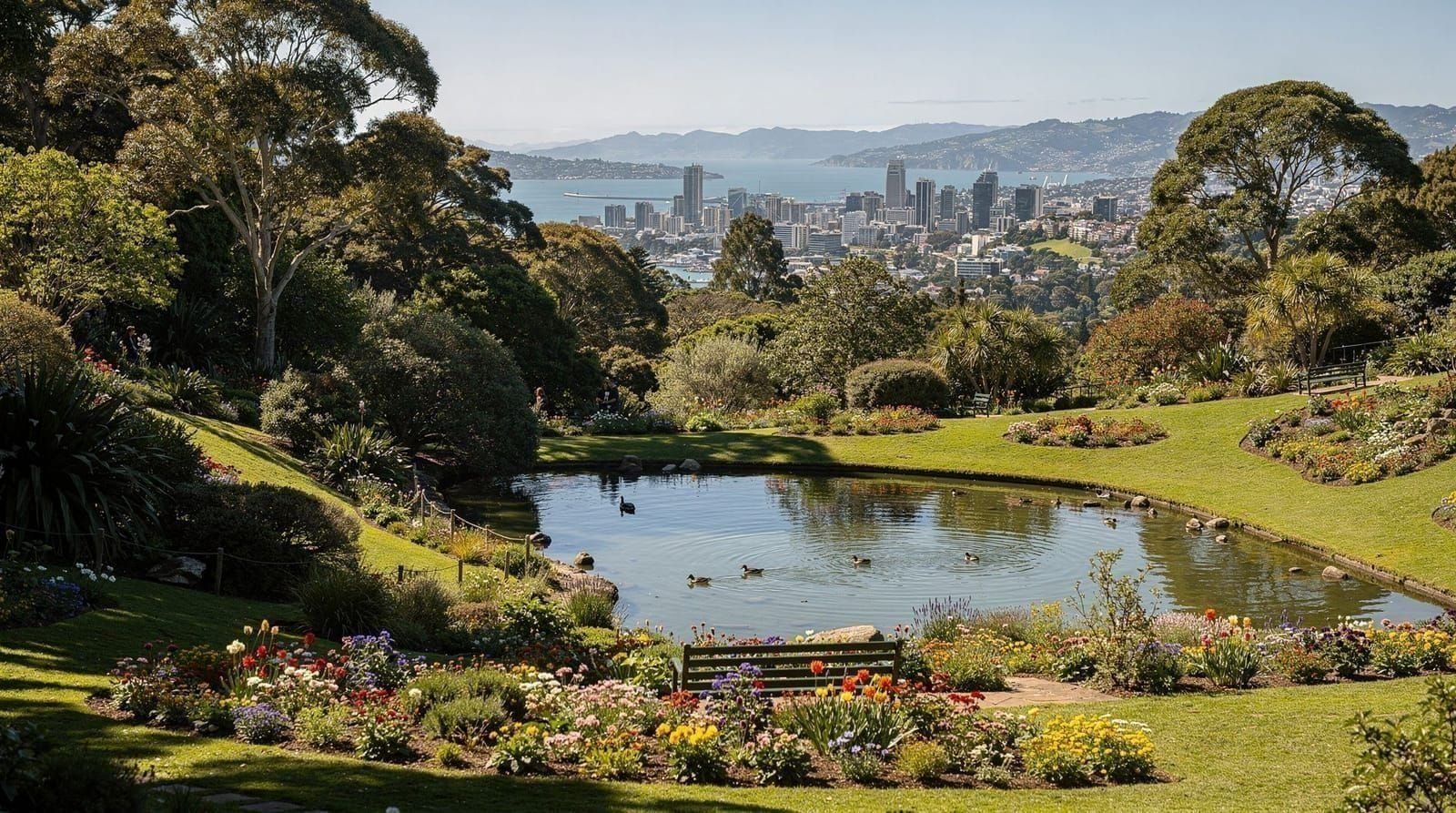
The simplest version of this outing suits visitors with an hour or two rather than a full afternoon. Ride the cable car up, spend 20-30 minutes at the Kelburn lookout taking in the harbour panorama, then walk down through the Botanic Garden rather than riding back down. The garden’s main path descends gently through 25 hectares of native and exotic plantings, past the Truby King memorial and the duck pond, exiting near the Bolton Street Cemetery and a short walk from Lambton Quay. Budget 45-60 minutes for this descent at an unhurried pace, plus stops.
This short loop covers most of what makes the cable car worthwhile without committing to the longer ridgeline walk, and it’s genuinely one of the better ways to spend a spare morning in Wellington if the weather’s cooperating.
The Northern Walkway: the longer option
For a proper half-day walk, the Northern Walkway begins at the Botanic Garden’s upper (Kelburn) end and runs roughly 10-11 km along the forested ridge toward Johnsonville, passing through Wilton Bush, Trelissick Park and skirting close to Zealandia’s boundary fence along the way. It’s mostly unsealed track — gravel and dirt rather than a paved path — with a mix of open ridgeline sections offering harbour and hill views, and shaded forest stretches through remnant native bush.
Walking the full distance one-way takes 3-4 hours at a moderate pace, and since it finishes well away from the CBD near Johnsonville, most visitors either arrange a return by bus (Johnsonville has a train station connecting back to the central city) or walk an out-and-back section instead, turning around at a natural midpoint like the Zealandia gate rather than committing to the full one-way distance.
Connecting to Zealandia
One of the more useful things about the Northern Walkway is that it runs directly past Zealandia’s outer fence line, meaning a walker starting from the Botanic Garden can reach the sanctuary’s main entrance on foot in roughly 1.5-2 hours rather than needing a car or bus. This isn’t how most visitors arrive at Zealandia — the vast majority drive or take a shuttle directly — but it’s a genuinely pleasant approach for anyone without a car who wants to combine the walk with an entry ticket, provided you check Zealandia’s entry hours before setting out, since arriving on foot doesn’t change admission requirements.
Wright’s Hill and the fortress bunkers
A worthwhile detour partway along the walkway, reached via a signposted side track, is Wright’s Hill Fortress — a set of WWII-era gun emplacements and underground tunnels built to defend the harbour entrance against a feared Japanese naval attack that never came. The tunnels themselves are only open on select open days run by volunteers, but the surface fortifications and the hilltop view are accessible year-round, and it’s a genuinely interesting, little-visited stop for anyone curious about Wellington’s wartime history rather than only its film-industry present.
What to expect underfoot
The Botanic Garden’s main paths are sealed or well-formed gravel throughout, manageable in any footwear. The Northern Walkway itself is a different proposition — unsealed, with tree roots and occasional mud in wetter months (June-August especially), and enough elevation change on some sections that trainers with decent tread are more sensible than smooth-soled shoes. It’s not technical hiking by any measure, but it’s genuine trail walking rather than a paved city path, and worth treating as such.
Wind and weather on the ridge
Wellington’s reputation as the world’s windiest capital holds especially true up on this exposed ridgeline, where gusts that feel moderate in the CBD often feel considerably stronger once you’re above the tree line on the more open sections near Wright’s Hill. A windproof layer is worth carrying regardless of how calm the morning looks from street level, and this is one of the outings where checking a wind forecast before setting out is more useful than checking a general weather forecast.
Combining with the Botanic Garden’s guided option
For visitors who’d rather have some context on the garden’s plantings and history rather than walking through independently, the Wellington walking tour with museum and cable car ticket bundles the cable car ride with a guided walk and a museum stop, a straightforward option for a first morning in the city before deciding whether to return independently for the longer Northern Walkway another day.
Timing your visit
Morning departures beat the cable car’s queues, which build noticeably by late morning once cruise-ship passengers and day-tour groups arrive, and morning light also tends to be clearer over the harbour before any afternoon haze sets in during summer. If walking the full Northern Walkway, starting by 9am gives a comfortable buffer to finish before the shorter winter daylight hours (roughly 5:30pm sunset in June) close in, particularly if you’re relying on a bus back from Johnsonville rather than a car waiting at the far end.
Getting back if you walk one-way
Johnsonville, at the walkway’s northern end, has its own train station on the Wellington regional rail network, with services back to the central city roughly every 20-30 minutes on weekdays. This makes a one-way walk genuinely practical without needing a car shuttle arranged in advance — check current Metlink timetables before setting out, since weekend frequencies run less often than weekday services.
Is this worth doing over just riding the cable car?
If your Wellington time is genuinely limited to an hour or two, the standard cable car return trip and a wander around the top of the Botanic Garden covers the essentials well enough. But for anyone with a spare morning or afternoon and reasonably comfortable shoes, walking down through the garden — or continuing onto the Northern Walkway toward Zealandia or Wright’s Hill — turns a five-minute tourist ride into a genuinely satisfying half-day outing that most visitors never realise is there, largely because it isn’t signposted from the cable car terminus itself in any prominent way.
Accessibility considerations
The cable car itself is fully accessible, with level boarding at both the Lambton Quay and Kelburn stations and space for wheelchairs and pushchairs on every car. The Botanic Garden’s main paths near the Kelburn entrance are sealed and gently graded, manageable for most mobility levels, though the garden’s lower sections toward Bolton Street include some steeper drops that aren’t suitable for wheelchair users without assistance. The Northern Walkway itself, being unsealed trail with roots and uneven surfaces, isn’t accessible for wheelchairs or those with significant mobility restrictions — visitors in this position get the best value from the short cable car and garden loop rather than attempting the longer ridgeline walk.
An alternative route: Anderson Park and Highbury
For visitors who’ve already done the standard Kelburn loop and want a different perspective on the same general area, a lesser-known route descends from the Botanic Garden’s western edge toward Anderson Park and the Highbury neighbourhood, rejoining the CBD via a different set of streets than the standard descent past Bolton Street. It’s not signposted as prominently as the main garden paths, so a downloaded offline map or a photo of the Botanic Garden’s trail board (near the Kelburn entrance) helps avoid backtracking. This route sees noticeably fewer visitors than the standard loop, genuinely useful if you’re looking for a quieter version of essentially the same outing.
What repeat visitors do differently
Wellington locals and repeat visitors tend to treat the cable car less as a destination and more as a lift to a walk’s starting point — riding up once, then choosing a different descent or connecting trail on each subsequent visit rather than always taking the same path back down through the main garden. Rotating between the short garden loop, a partial Northern Walkway out-and-back, and the Anderson Park route described above turns what could be a repetitive there-and-back activity into several genuinely different half-day outings drawing from the same starting point.
A realistic budget for the outing
Beyond the cable car ticket itself, this is one of the cheaper activities on offer in Wellington: the Botanic Garden is free to enter, the Northern Walkway has no fee or permit requirement, and the only other likely cost is a coffee or light meal at the garden’s café near the Kelburn end, typically in line with standard Wellington café pricing (a flat white runs roughly NZ$5.50-6.50). For a family or group wanting to add the guided museum-and-cable-car option instead of going independently, that bundled ticket is the main additional cost to budget for.
The cable car’s own history
The current cable car dates to 1979, replacing an earlier version that had operated since 1902 as one of Wellington’s first pieces of dedicated public transport infrastructure, built specifically to connect the growing Kelburn suburb on the hill above the CBD with the flat city centre below. The original cars ran on a different mechanical system entirely, and the 1979 upgrade brought the modern Swiss-built cars still in use today, along with the current five-minute journey time. A small cable car museum near the Kelburn terminus displays some of the original 1902 rolling stock for visitors curious about this transport history alongside the walking options above.
Rainy-day considerations for this outing
Because a meaningful part of this guide’s appeal is the Northern Walkway’s unsealed sections, genuinely wet weather changes the calculus considerably — muddy trail conditions make the walkway considerably less pleasant and, on some steeper sections, less safe underfoot. On a rainy day, the cable car ride itself and the paved Botanic Garden paths remain perfectly viable, sheltered activities, but it’s worth downgrading ambitions for the longer Northern Walkway to a future, drier day rather than pushing through in poor conditions purely to complete the planned itinerary.
Comparing this to Wellington’s other walking options
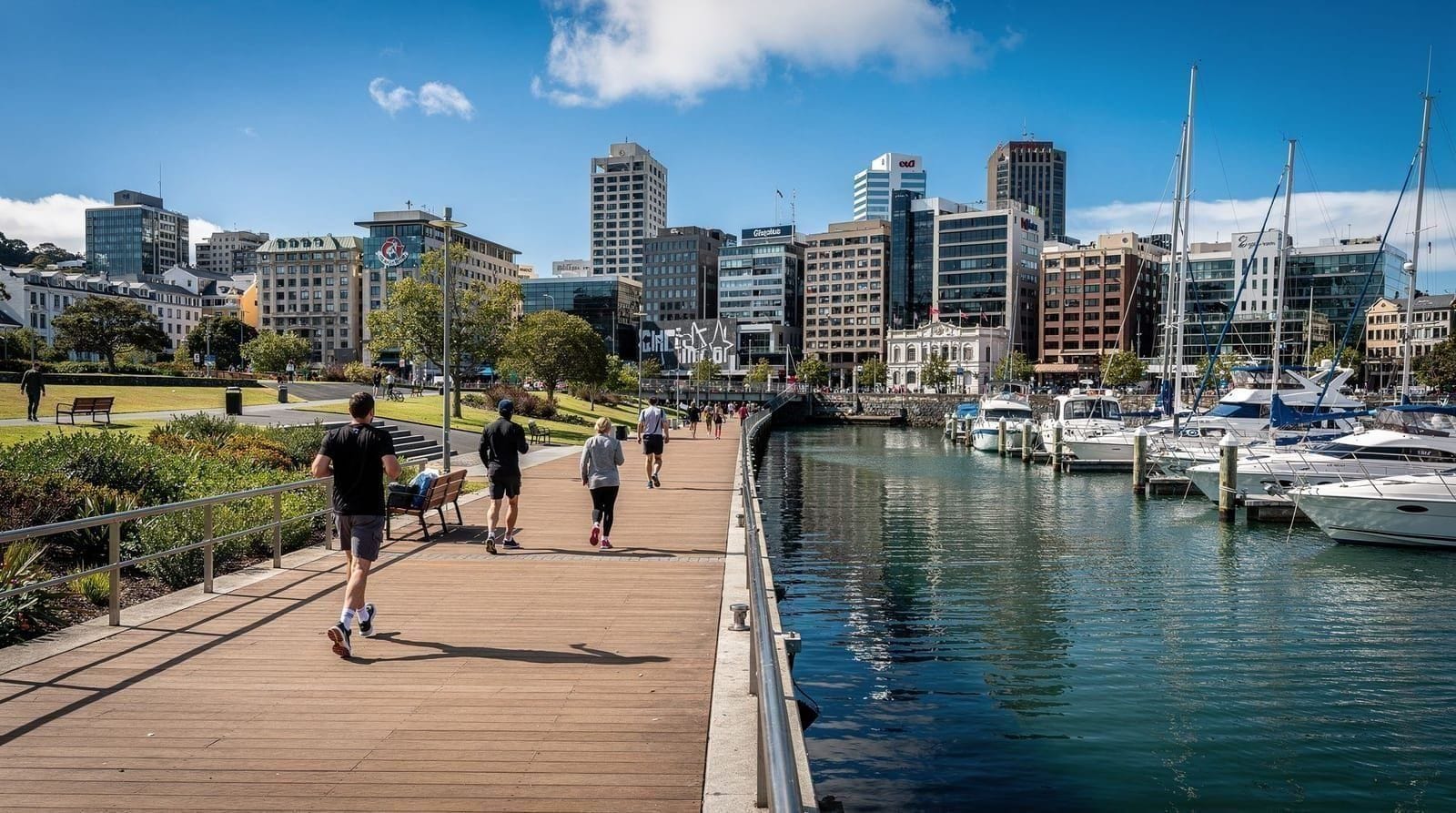
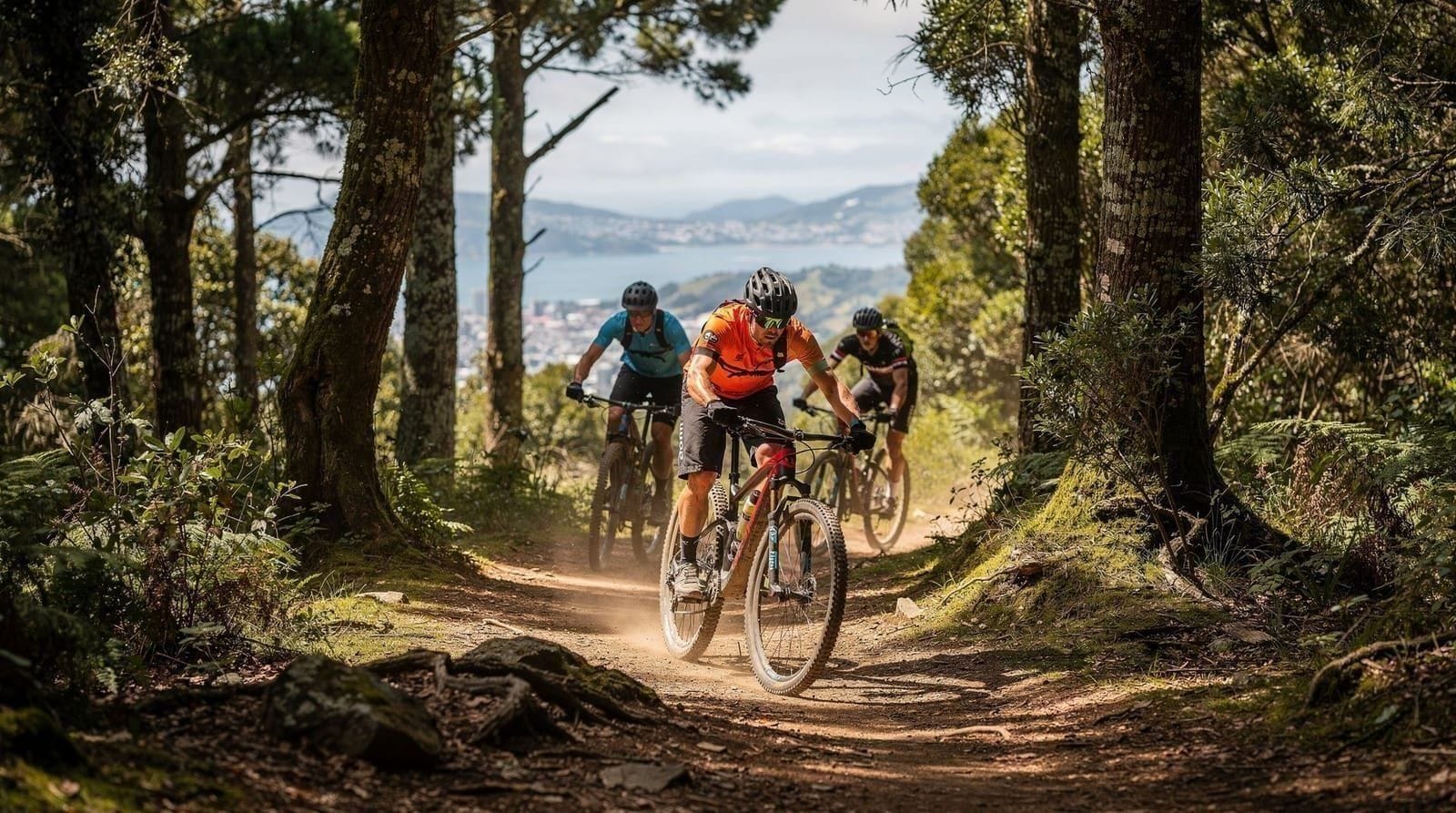
This outing sits alongside a handful of other Wellington walks worth knowing about for comparison. The Wellington waterfront walk is flatter, fully paved, and better suited to a stroller or a genuinely casual pace than the Northern Walkway’s unsealed sections. Mount Victoria offers a shorter, steeper climb to a single dramatic viewpoint rather than a ridgeline traverse. For mountain bikers specifically, Makara Peak is the purpose-built trail network the Northern Walkway isn’t, worth the detour if riding rather than walking is the priority. Knowing these alternatives helps you choose the right outing for the day’s weather, energy level and available time rather than defaulting to the same route every visit.
Packing list for the longer option
For the full Northern Walkway rather than the short garden loop, a slightly more deliberate packing list pays off: water (there are no reliable refill points along the ridge), a windproof layer regardless of how the morning looks from street level, sturdy trainers or light trail shoes, sun protection even on an overcast day, and a downloaded offline map or a photo of the trail board near the Botanic Garden entrance, since phone signal can be patchy in the denser forest sections. None of this is technical hiking gear — this remains an accessible half-day outing — but treating it with slightly more preparation than a casual CBD stroll avoids an uncomfortable few hours if the weather or your energy shifts partway along.
Frequently asked questions about Cable car and hikes guide
How much does the Wellington cable car cost?
A return ticket runs roughly NZ$9-11 for adults, with a one-way fare available for around half that if you plan to walk back down through the Botanic Garden instead of riding down. Children and Snapper/Motu Move card holders get a reduced rate.How long is the Northern Walkway?
The full Northern Walkway from the Botanic Garden's Kelburn end to Johnsonville is about 10-11 km one-way and takes 3-4 hours at a walking pace, following the forested town belt ridge with occasional harbour views. Most visitors walk a shorter section rather than the full distance.Do you need hiking boots for these trails?
Sturdy trainers are fine for the Botanic Garden's formed paths and most of the Northern Walkway, which is well-graded gravel and dirt rather than technical terrain. After heavy rain, sections can get muddy, so trail shoes with decent grip are more comfortable than smooth-soled sneakers.Can you cycle the Northern Walkway instead of walking?
Parts of it are shared-use and popular with mountain bikers, particularly the sections nearer Karori, but it's narrower and busier with walkers than a dedicated bike park like Makara Peak. Riders wanting a purpose-built trail network are usually better off heading there directly.Is the cable car worth it if you're planning to walk anyway?
Most people ride up and walk down, which lets you enjoy the view from the top without the climb, then use the Botanic Garden's gentle downhill paths back to the CBD on foot at your own pace — a sensible way to get both the ride and the walk without double the effort.Is the Northern Walkway safe to walk alone?
Generally yes for the more popular sections nearer the Botanic Garden and Zealandia, which see reasonable foot traffic through the day. The quieter stretches toward Johnsonville are more isolated, so telling someone your plan and carrying a charged phone is sensible, as with any less-trafficked walking track.What shoes do I actually need?
Sturdy trainers with decent tread cover the Botanic Garden's sealed paths and most of the Northern Walkway in dry conditions. Proper hiking shoes aren't necessary unless you're walking the full Northern Walkway after heavy rain, when muddy sections become genuinely slippery underfoot.
Top experiences
Bookable activities with verified prices and instant confirmation on GetYourGuide.