Nature & wildlife in 4 days
Wellington: Zealandia by Day Guided Walking Tour
Duration: 2h
More native wildlife than a capital city has any right to have
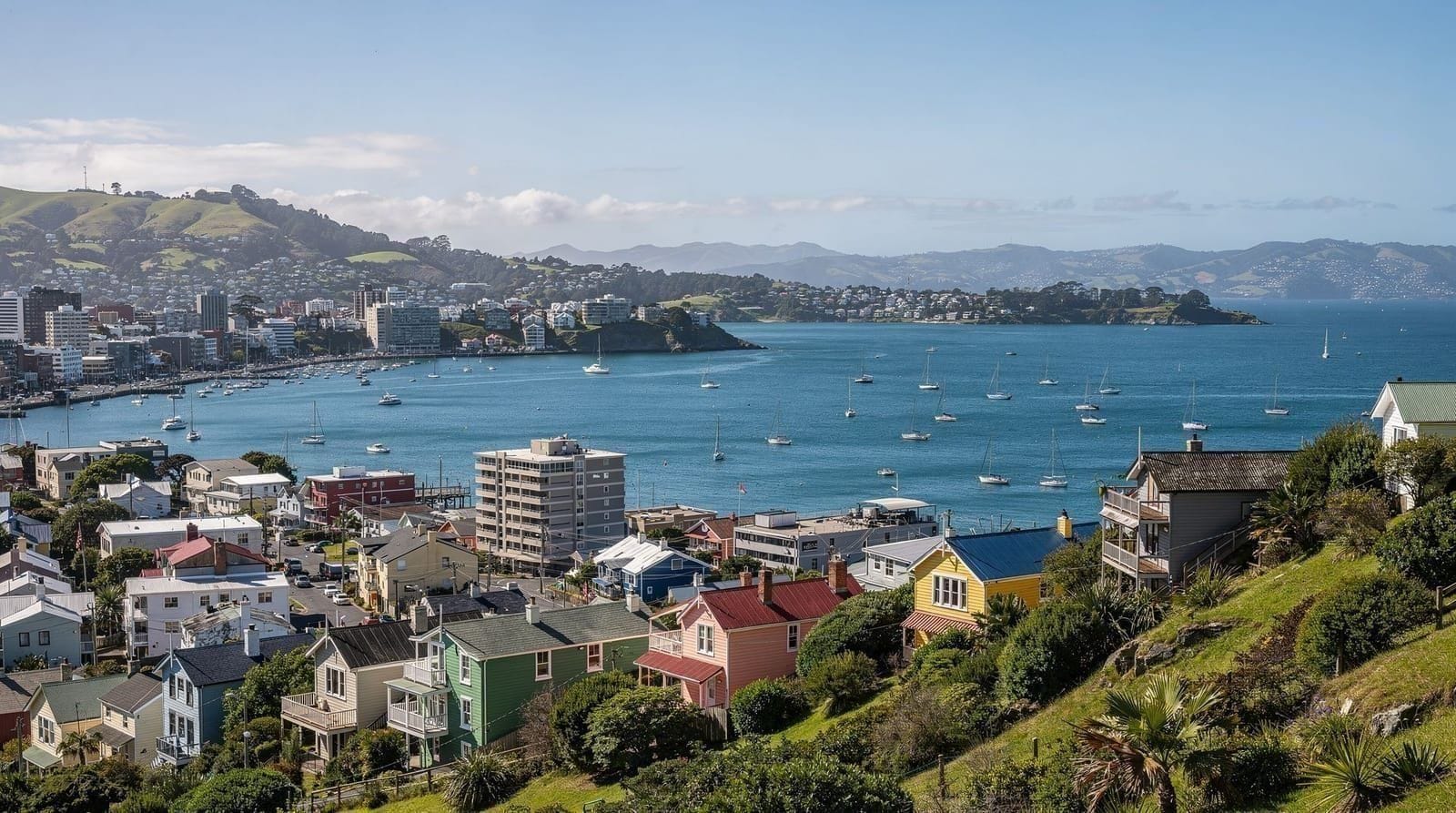
Wellington sits inside a genuinely unusual concentration of native New Zealand wildlife for a national capital: a fully fenced predator-free sanctuary within city limits, an offshore island reserve with species found almost nowhere else, and a wild fur seal colony a short drive from downtown. This four-day itinerary takes each in turn — a full day at Zealandia, a full day on Kāpiti Island, a half-day with the seal colony at Days Bay/Eastbourne, and a flexible final day for whichever destination rewarded a return visit — with enough pacing between wildlife-heavy days to avoid the fatigue that comes from stacking too many guided walks back to back.
This is a genuinely different kind of Wellington trip from the standard CBD-focused visit — expect more time in nature and less in cafés and museums, though the two aren’t mutually exclusive if you have any spare time to add a Te Papa half-day.
| Where | Zealandia (Karori), Kāpiti Island, Days Bay/Eastbourne |
| Cost | Around NZ$1,620–2,290 for two, excluding flights |
| Time needed | 4 days, no car needed for any of the three main days |
| Getting there | Wellington Airport (WLG), 20 minutes from the CBD |
| Best time | September–November for peak birdwatching activity |
Why Wellington specifically for wildlife
New Zealand’s most dramatic wildlife encounters — Kaikōura’s whales, Fiordland’s dolphins — tend to sit far from Wellington and require dedicated multi-day trips of their own. What Wellington offers instead is genuinely rare native bird conservation within easy reach of a capital city, which is a different but equally distinctive proposition: nowhere else in the world can you see a fenced urban sanctuary, an offshore predator-free island and a wild seal colony all within a single short trip without a long-haul domestic transfer between them. That density, rather than any single spectacular sighting, is the actual case for this itinerary.
Who this suits
Photographers, birdwatchers and anyone with a general interest in conservation will get the most out of this itinerary. Families with younger children should look at Kāpiti & Zealandia with kids instead for a lighter-paced version of similar ground, since this plan assumes reasonably fit adults comfortable with several hours of walking across multiple days.
Photographers specifically should bring a longer lens if birdwatching matters to the trip — Zealandia’s forest birds and Kāpiti Island’s rarer species are rarely close enough for a standard travel zoom to do justice to, and low forest-canopy light means a wider aperture helps more than it would for typical daylight travel photography. None of this is essential, but it’s worth planning for if wildlife photography is a real priority rather than a casual add-on to general trip photos.
Where to stay
A central Wellington base works fine for this whole itinerary — nothing requires an overnight away from the city, even the Kāpiti Island day. The Bolton Hotel or Cambridge Hotel both suit, at NZ$130–200/night mid-range. See where to stay in Wellington for the fuller comparison.
Given how early several of these tour days start — Kāpiti Island in particular requires an early departure to reach the coast in time for morning crossings — it’s worth prioritising a hotel with an easy, well-signposted route to wherever your tour pickup happens, rather than the very centre of the CBD if that means a longer or more confusing walk at an early hour. A short taxi ride to a pickup point is usually more reliable than trying to navigate to it on foot before sunrise.
Weather and seasonal planning notes
Rain rarely cancels a Zealandia visit outright — the sanctuary’s forest canopy offers real shelter and a wet day can actually improve certain sightings, since some species are more active in damp conditions. Kāpiti Island is the more weather-sensitive day of the two, since the crossing itself depends on sea conditions rather than just rainfall; a forecast of strong wind or swell in Cook Strait is the more relevant thing to watch than a simple rain forecast. Days Bay’s seal colony tour sits somewhere between the two — comfortable in light rain, but a genuinely rough day reduces both visibility and the colony’s own activity level. Building a day of slack around Kāpiti Island specifically, rather than any of the other three, is the single most useful weather-planning decision for this itinerary.
Day 1: Zealandia
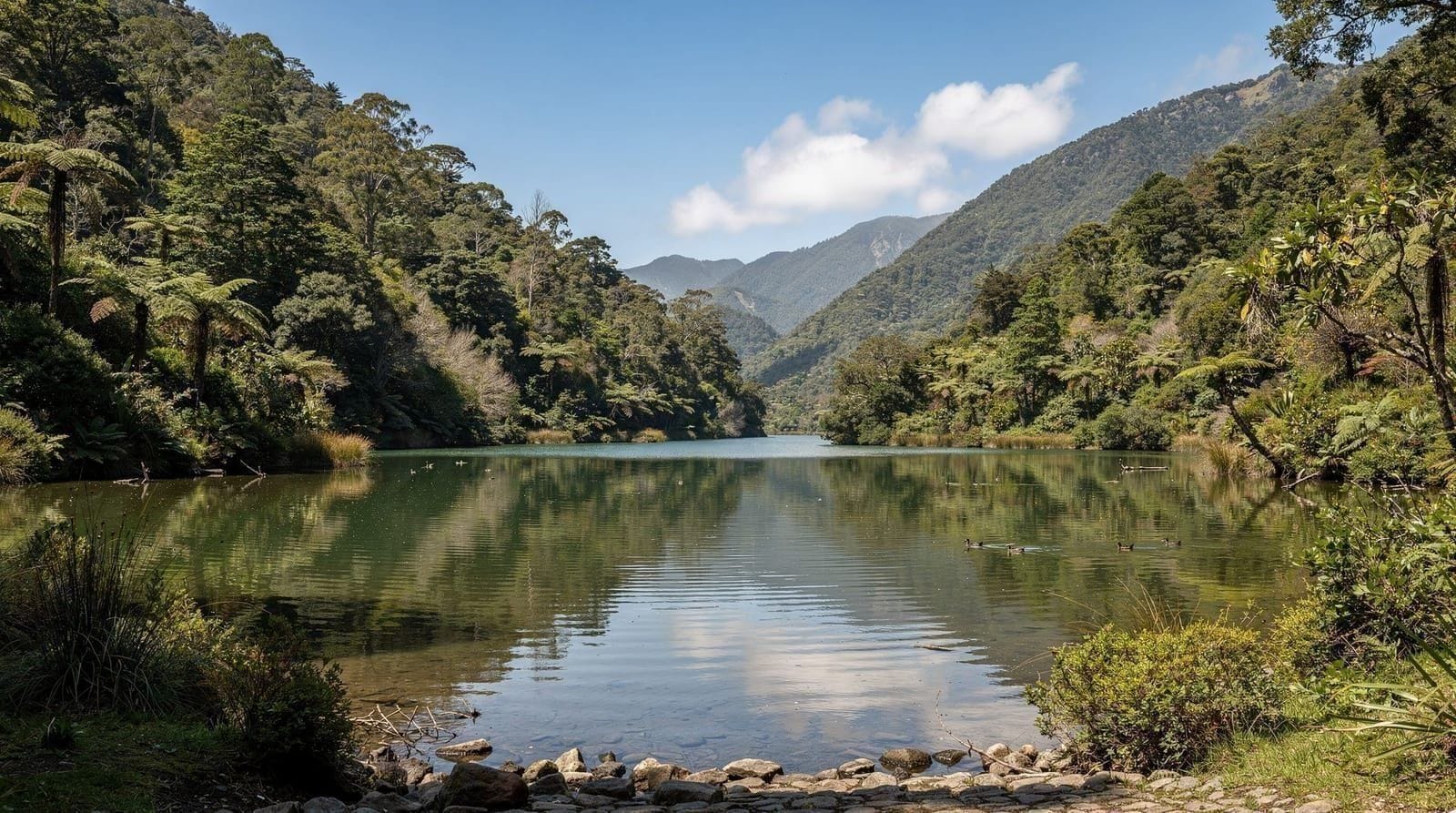
Morning to afternoon — the full Zealandia experience (allow 3–5 hours, NZ$55 adult entry). Zealandia is a 225-hectare fenced valley sanctuary in Karori, 15 minutes from the CBD, reintroducing native species that vanished from mainland New Zealand decades ago — kiwi, tuatara, kākā, hihi and more than 40 bird species across 32km of trails. Book the Zealandia guided walking tour for a ranger-led introduction that covers the sanctuary’s predator-fence engineering and conservation history in more depth than a self-guided visit typically picks up — genuinely useful context for a nature-focused trip rather than just a checklist of species spotted. See Zealandia’s conservation history for the fuller background, and the Zealandia complete guide for trail options if you want to extend the visit beyond the guided portion.
Evening — Zealandia by night, if energy allows. If you’re keen and not too tired from the day walk, Zealandia’s night tours reveal an entirely different set of species — kiwi are far more active after dark, and the sanctuary runs specifically for this reason. Doing both the day and night tour on the same day is intense but genuinely rewarding for committed wildlife enthusiasts; more typically, save the night tour for a return visit later in the trip if Day 1 leaves you tired. See Zealandia by night for what a night visit actually involves.
If you do combine both tours on Day 1, plan a proper break between them — a full dinner and some downtime back at accommodation rather than heading straight from the day walk into the evening tour. Kiwi sightings in particular reward patience and quiet more than energy, so arriving at the night tour already exhausted tends to undercut the experience rather than simply testing your stamina.
Day 2: Kāpiti Island nature reserve
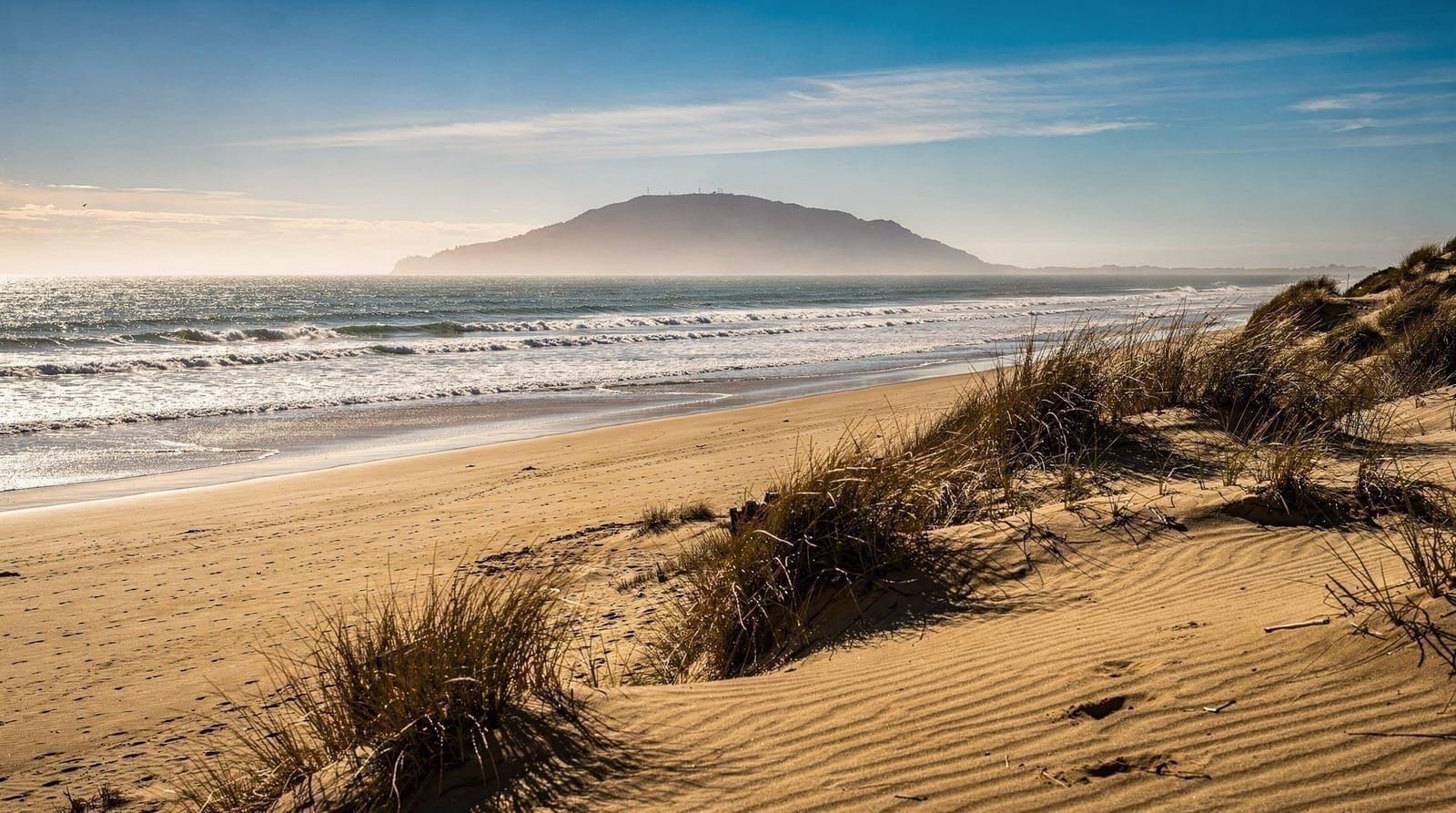
Morning — the trip out. Kāpiti Island sits about 50km north of Wellington, roughly 50 minutes by road to the coast, then a short water-taxi crossing to the island itself. Access is restricted to licensed operators for conservation reasons. The Kāpiti Island nature reserve day trip from Wellington handles the whole day, including the coastal drive, the crossing and a guided walk with a strong focus on the island’s birdlife rather than a general sightseeing pace — a better fit for this itinerary’s wildlife focus than the more general-audience Kāpiti tours.
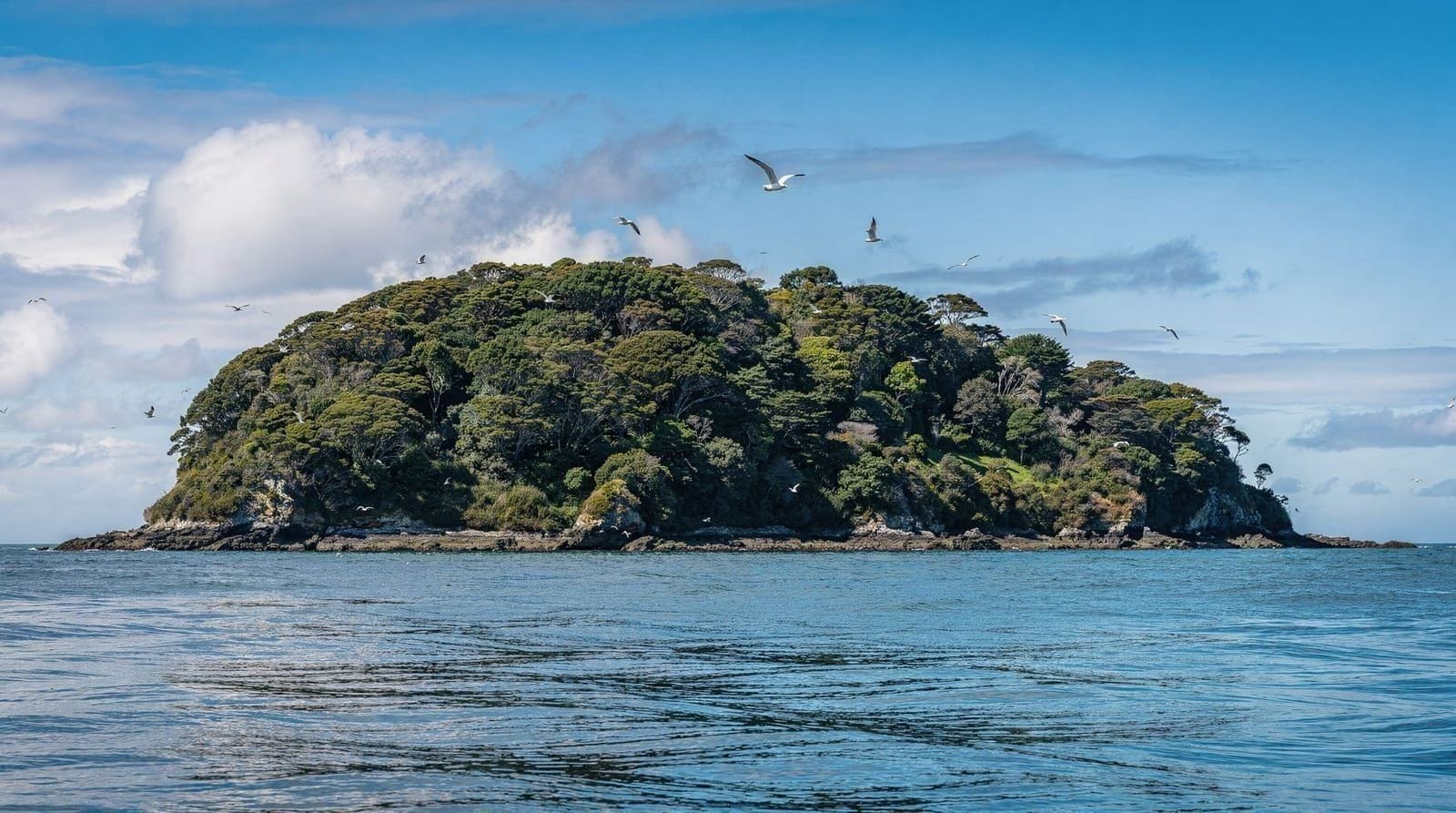
On the island. Kāpiti Island is predator-free — rats, stoats and possums have been eradicated — and the bird density reflects it: kōkako, takahē, saddleback and little spotted kiwi are all realistic sightings, several of them extinct or vanishingly rare on the mainland. See the Kāpiti Island nature reserve guide for what to expect on a day visit, and book this well ahead of your travel dates — crossings are capacity-limited by permit and popular dates sell out weeks in advance, especially in summer.
Evening — back to Wellington. Most guided day tours return by early evening; a relaxed dinner closes out what’s typically the most physically demanding day of the four given the early start and the walking involved.
Day 3: the harbour seal colony and a lighter pace
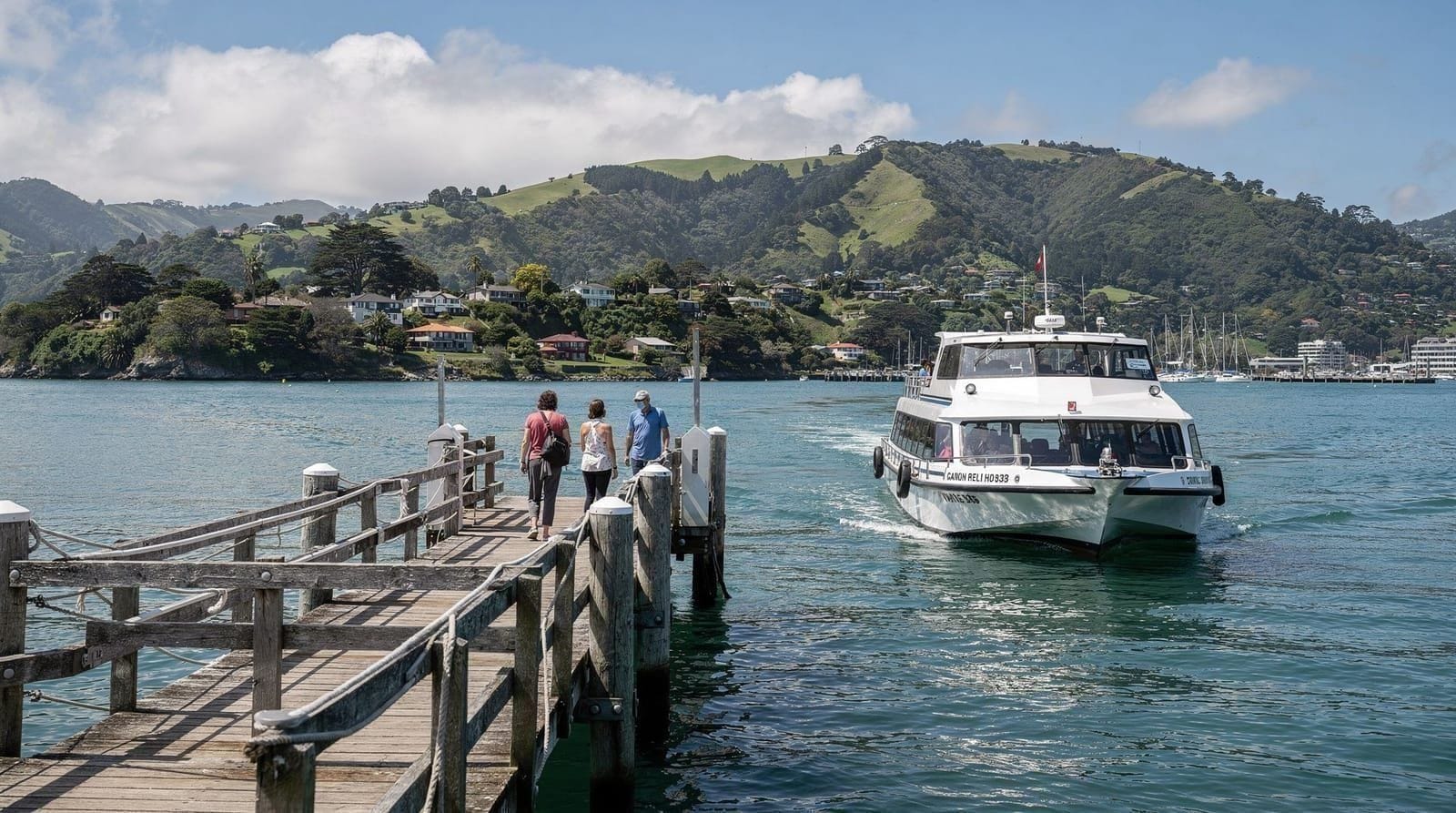
Morning — Days Bay and the harbour ferry. Take the harbour ferry (or drive) out to Days Bay in Eastbourne, a quieter, more residential stretch of coastline across the harbour from the CBD — a nice change of pace and scenery after two intensive wildlife days. See Days Bay & Eastbourne for the destination context.
Midday — the seal colony. Book the Wild Wellington seal colony half-day tour for a guided look at the wild fur seal colony along the south coast — a genuinely different wildlife experience from Zealandia’s forest birds or Kāpiti’s island reserve, and a shorter, lower-commitment half-day that suits a lighter Day 3 after two full days of walking. See the Wellington harbour seal colony guide for what to expect and the best viewing conditions.
Afternoon — a genuinely restful stretch. Use the remaining afternoon for downtime — a slow lunch in Eastbourne or back in the CBD, a browse through shops, or simply resting before Day 4. Three consecutive intensive wildlife days risks fatigue that undercuts the whole trip’s appeal; this lighter Day 3 is deliberately built to prevent that.
If Days Bay’s quieter pace appeals more broadly, it’s worth knowing this stretch of coastline has a small, pleasant beach and a couple of decent café stops beyond the seal colony tour itself — a genuinely relaxing half-day even setting aside the wildlife focus, and a useful contrast to the more structured guided walks on Days 1 and 2.
Day 4: flex day
By Day 4, most travellers know which of Zealandia, Kāpiti Island or the seal colony rewarded them most and want either a return visit or a chance to see something missed the first time — this is a deliberately open day rather than a fixed activity, since three days of guided wildlife tours give a strong sense of personal preference by this point in the trip. Reasonable options: a second, more relaxed Zealandia walk without the guided tour’s fixed pace, a look at Wellington Zoo’s native-species enclosures for comparison (see Zealandia vs Wellington Zoo), or simply a slower morning at the Botanic Garden before departure. If your flight allows, this flex day is also a good time to process photos and notes from the trip’s wildlife sightings while details are still fresh.
Budget for four days
Mid-range budget for two people: accommodation NZ$520–800 (four nights at NZ$130–200), food NZ$400–560, the Zealandia guided day tour NZ$110–150 for two, Kāpiti Island day tour NZ$400–500 for two (the priciest single day, reflecting licensed-operator access), the seal colony half-day tour NZ$150–220 for two, local transport NZ$40–60. Total roughly NZ$1,620–2,290 for two people excluding flights. See the Wellington trip cost and budget guide for how this compares to a standard city-focused trip.
Self-guiding Zealandia rather than booking the guided tour trims a modest amount off the total (general entry alone runs the standard NZ$55 adult rate without the guide surcharge), and self-driving to Days Bay rather than booking the seal colony tour saves further still if budget is tighter than time. Kāpiti Island’s cost is largely fixed regardless of how you book it, since access requires a licensed operator either way — there’s no meaningfully cheaper self-guided version of that particular day.
What to pack for a wildlife-focused trip
Sturdy, closed walking shoes matter more here than on a standard city-focused itinerary — Zealandia’s and Kāpiti Island’s trails are formed but often uneven, with tree roots and occasional muddy sections after rain. Binoculars are a genuine asset for both destinations if you have a pair, since a lot of the more interesting birdlife is heard well before it’s seen up close. Layer for wind and changeable weather regardless of season — Kāpiti Island’s exposed coastal sections in particular catch a stronger breeze than the sheltered Zealandia valley does. See the packing list for windy Wellington for the fuller general list, adapted here toward a few extra wildlife-specific additions.
Four days at a glance
| Day | Focus | Approx. spend (two people) |
|---|---|---|
| Day 1 | Zealandia guided day walk, optional night tour | NZ$110–220 |
| Day 2 | Kāpiti Island nature reserve day trip | NZ$400–500 |
| Day 3 | Days Bay ferry, harbour seal colony tour | NZ$150–220 |
| Day 4 | Flex day: return visit, zoo comparison or Botanic Garden | NZ$0–60 |
Booking order matters on this itinerary
Because Kāpiti Island crossings are capacity-limited by conservation permit and genuinely sell out weeks ahead in summer, book that day first once your travel dates are fixed — before accommodation, before the Zealandia guided tour, before anything else. The seal colony half-day tour and Zealandia’s guided walk are comparatively easy to book closer to your trip, so there’s little risk in leaving those until you’ve locked in the Kāpiti Island date around them. Getting this order backwards is the single most common way this itinerary goes wrong for otherwise well-planned trips.
Extending this trip
If you have a fifth day, the most natural addition beyond this plan is Cape Palliser’s seal colony and lighthouse — a different, wilder stretch of coastline than the Days Bay tour covers, worth the extra half-day drive for anyone who found Day 3’s seal colony the highlight of the trip. See Cape Palliser seals & lighthouse guide for the detail. Alternatively, extending toward Kaikōura on the South Island opens up whale watching, though that’s a substantially bigger undertaking involving the Cook Strait ferry and is better treated as its own multi-day leg — see Kaikōura whale-watching guide if that appeals as a longer-term extension of this trip’s wildlife theme.
Honest notes
Kāpiti Island is the day most likely to disappoint if you don’t book ahead — crossings sell out weeks in advance during peak season, and this is genuinely the itinerary’s centrepiece, so treat booking it as the first task once travel dates are fixed, well before accommodation or anything else. Weather also affects the crossing directly — rough sea conditions can delay or cancel sailings, and operators are conservative about this for good reason. Build slack into your schedule around this day rather than scheduling it for your last full day with a tight onward connection.
Wildlife sightings, honestly, are never guaranteed on any single visit regardless of how well-run the sanctuary or tour operator is. Zealandia and Kāpiti Island both have genuinely high sighting rates for their signature species given the fenced, predator-free environment, but individual visits vary with weather, time of day and simple luck. Set expectations around “a strong chance of seeing several native species across the trip” rather than “guaranteed to see every species on the list” and the trip will land better regardless of what any single day delivers.
FAQ about Nature & wildlife in 4 days
Is four days too intensive for a wildlife-focused trip?
It’s paced deliberately to avoid that — Day 3’s lighter half-day and Day 4’s flex time exist specifically to prevent burnout from three consecutive full days of guided walking. If you’d rather have an even gentler pace, stretch this into five days by splitting Day 1 and Day 2’s full-day activities across two separate mornings-and-afternoons instead.
Do I need a car for this itinerary?
No — Zealandia, the seal colony tour and Kāpiti Island are all reachable via guided tours that include transport, or short taxi/bus rides from the CBD. See do you need a car in Wellington for the wider reasoning.
What’s the single best wildlife experience in this itinerary?
Kāpiti Island, for sheer species rarity and the novelty of a genuine island crossing — but Zealandia offers a longer, more flexible visit and slightly easier logistics, making it the stronger choice if you can only do one.
Is it worth doing both Zealandia’s day tour and its night tour?
For committed wildlife enthusiasts, yes — the two visits reveal genuinely different sets of species and behaviour, since much of the sanctuary’s kiwi population is far more active after dark. For a more general nature interest, one visit (day or night) is enough, and the saved time is better spent on Kāpiti Island or the seal colony instead.
What time of year is best for this itinerary?
Year-round works reasonably well since all three main destinations operate through the seasons, but spring (September–November) is a particularly good window for birdwatching, coinciding with breeding activity at Zealandia and Kāpiti Island. Winter’s rougher seas make Kāpiti Island crossings more prone to weather delays, so build in extra schedule flexibility if travelling June–August.
Can this itinerary be shortened to three days?
Yes, at the cost of Day 3’s lighter seal-colony half-day — drop it and you’re left with a tighter two-day core (Zealandia, then Kāpiti Island) plus a single flex day, which still delivers the itinerary’s two strongest wildlife experiences without the gentler middle day. This works for travellers confident they can handle two intensive guided days back to back without the recovery buffer this four-day version builds in.
Are these destinations suitable for visitors with limited mobility?
Zealandia has some accessible trail sections near the visitor centre but its longer loops involve uneven terrain and elevation changes. Kāpiti Island’s tracks are similarly uneven, and the water-taxi crossing itself requires a reasonable level of mobility. Contact operators directly ahead of booking if mobility is a concern, since accommodations vary by tour and track.
Should we add Te Papa or the cable car if we have any spare time?
If a flight or connection leaves a spare half-day, Te Papa is the natural addition — free, indoor, and a useful contrast after several days of outdoor wildlife tours. See things to do in Wellington for other lower-commitment options that fit a genuinely short gap without disrupting the rest of this itinerary’s pacing.
Do we need travel insurance that covers tour cancellations?
Given how weather-dependent the Kāpiti Island crossing is, and how far ahead most travellers book it, checking that your travel insurance covers a cancelled or rescheduled tour is a sensible precaution specifically for this itinerary — more so than for a general city-sightseeing trip where individual attractions rarely depend on sea conditions. Check the policy specifics before booking rather than assuming standard travel insurance automatically covers this, since terms vary meaningfully between providers.
Top experiences
Bookable activities with verified prices and instant confirmation on GetYourGuide.