Driving to the Wairarapa from Wellington
From Wellington: Martinborough Winery Tour
Duration: 5h
How long does it take to drive from Wellington to the Wairarapa?
Around 1 hour 15 minutes to Martinborough, covering roughly 65km via State Highway 2 and the Remutaka Range. Greytown and Featherston are slightly closer, Masterton a little further, but all sit within a broadly similar 1-1.5-hour drive.
The Remutaka Range stands between Wellington and wine country
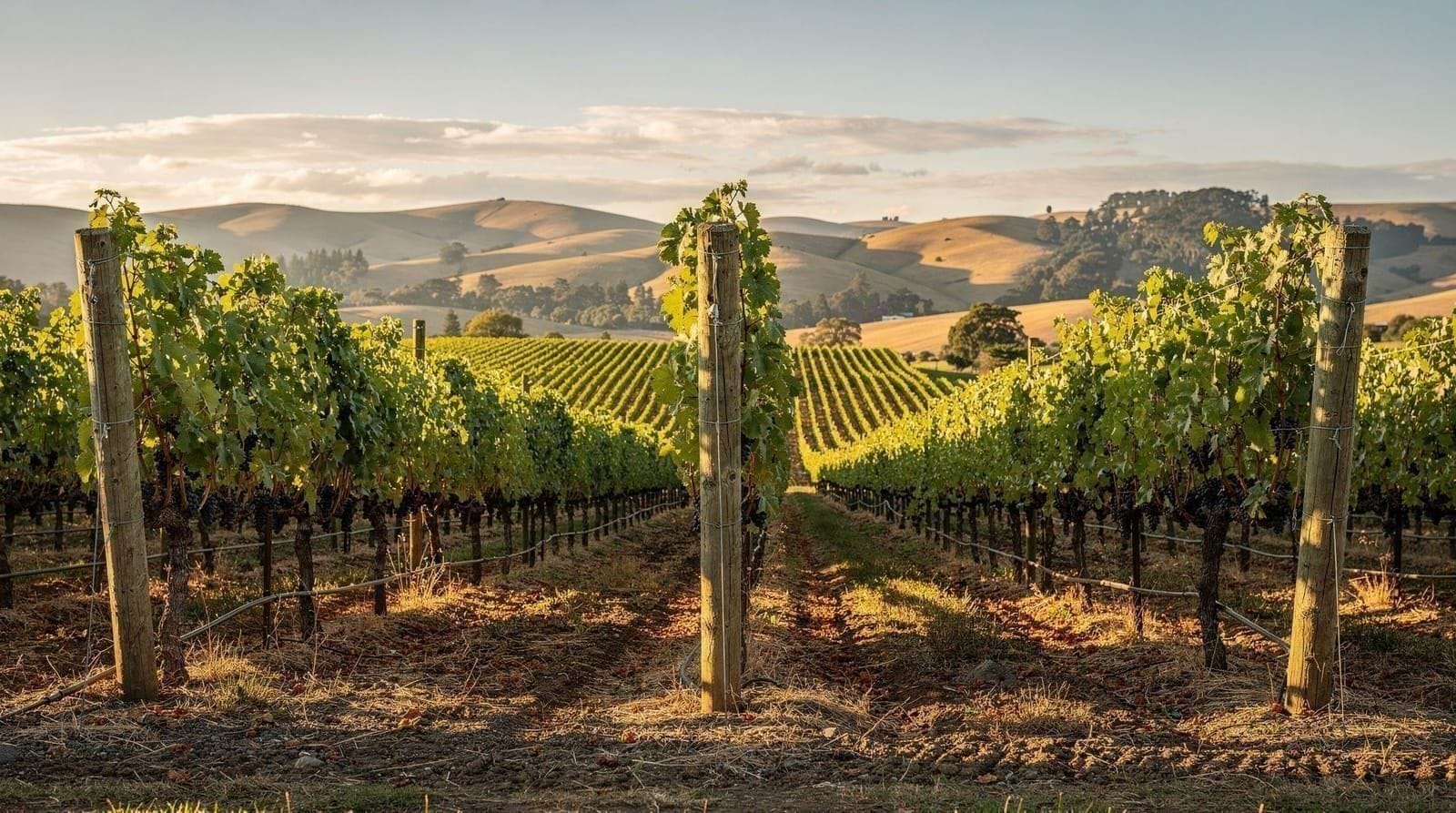
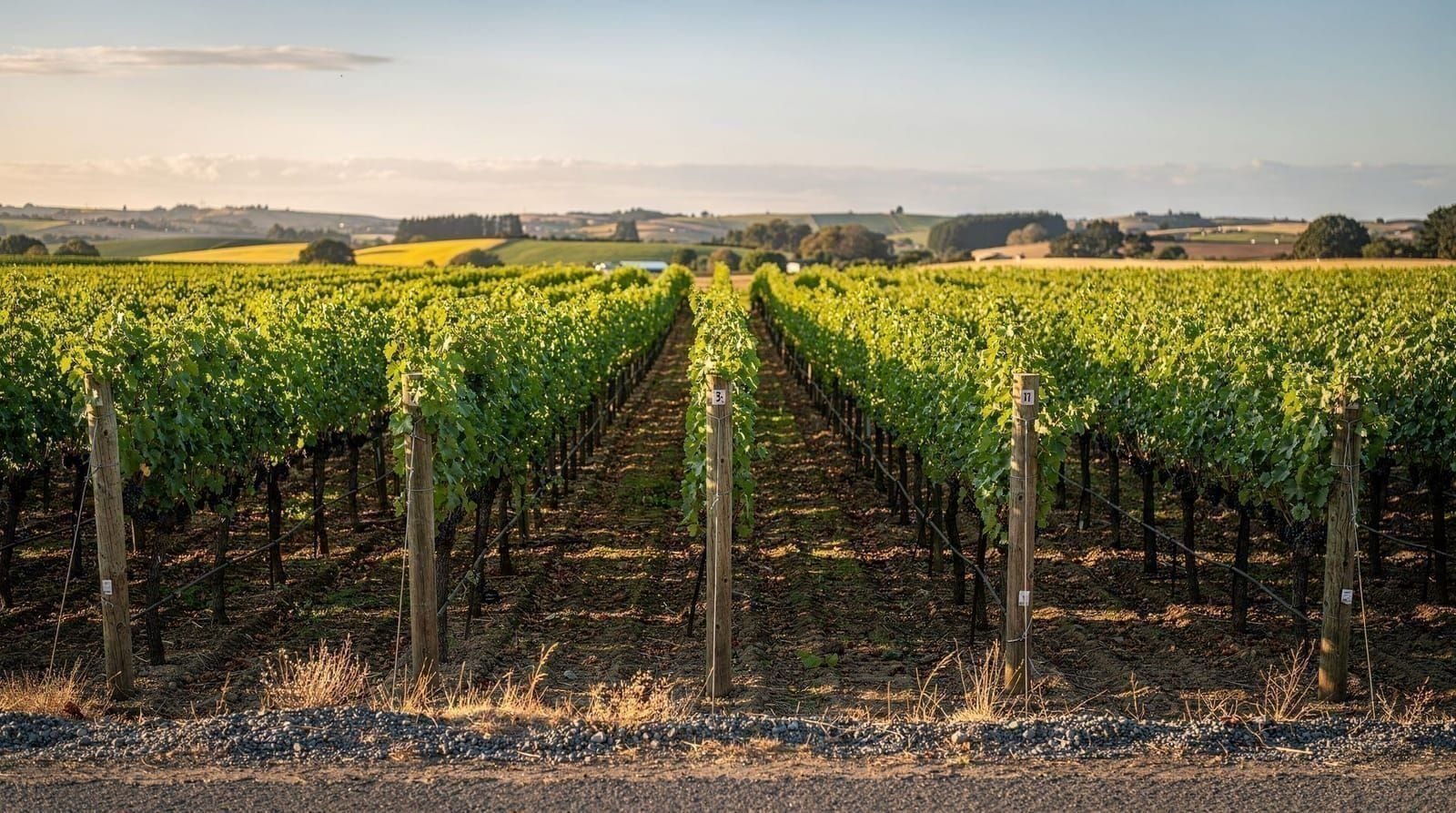
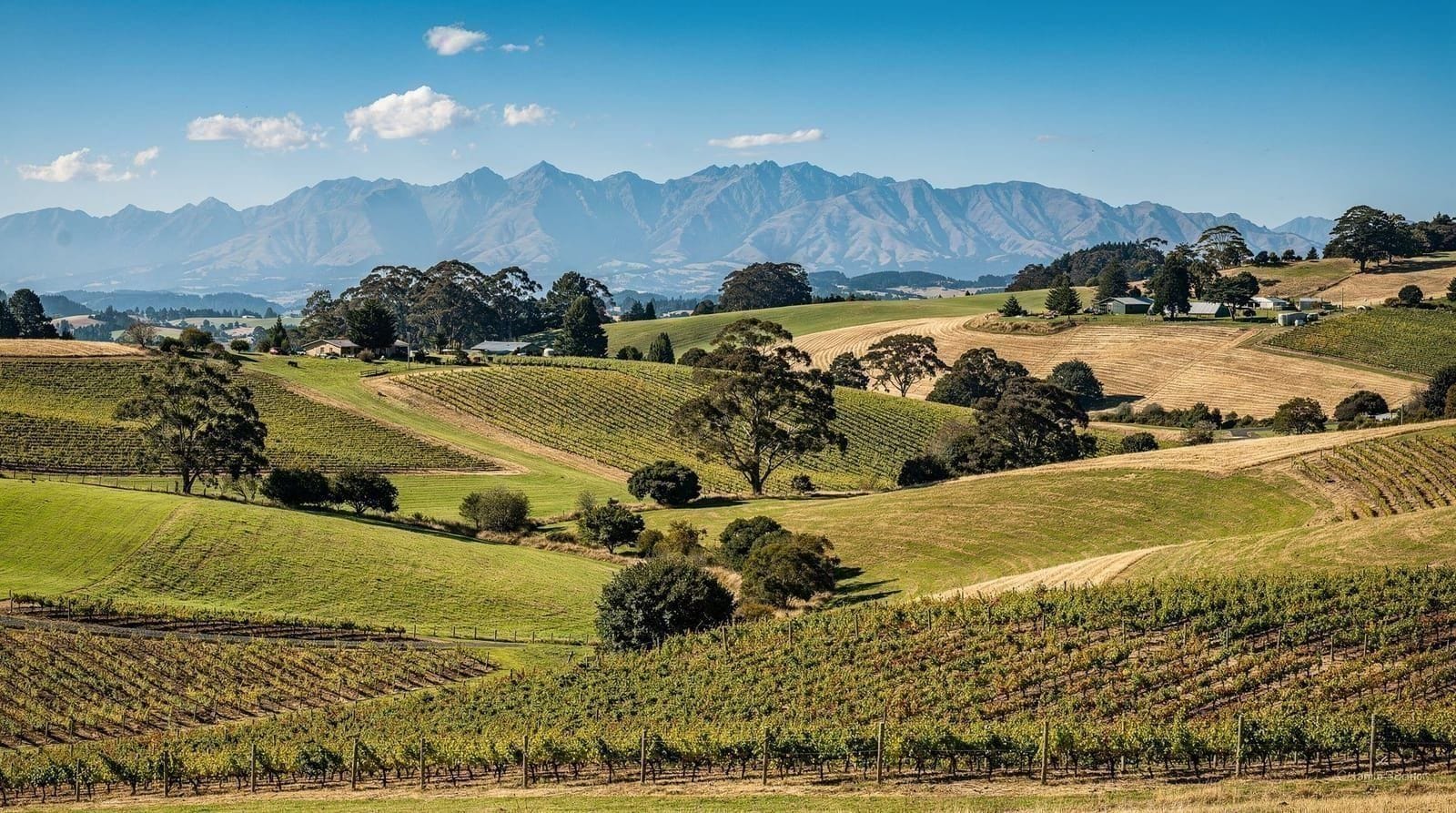
The drive from Wellington to the Wairarapa — home to Martinborough’s wine country, Greytown’s heritage main street and the wider Masterton area — crosses the Remutaka Range, a genuine hill-country barrier separating the Wellington region from the Wairarapa valley beyond. It’s a manageable drive for most visitors, but understanding the route, timing and whether self-driving actually suits your plans is worth doing before you commit to a rental car for the day.
| Distance | About 65km, roughly 1hr 15min to Martinborough |
| Route | State Highway 2 via Hutt Valley and the Remutaka summit |
| Cost | Rental + fuel, or a guided tour from around NZD 150-200pp |
| Difficulty | Winding summit section, sealed and well-maintained |
| Best time | Weekday mid-morning departure, outside peak commuter hours |
The route in outline
From central Wellington, the drive to Martinborough runs via State Highway 2 through the Hutt Valley and Upper Hutt, before climbing over the Remutaka Range on a winding, well-maintained sealed road and descending into Featherston on the Wairarapa side. From there it’s a short additional stretch south to Martinborough itself, or north through Greytown and Carterton toward Masterton if that’s your destination instead. The full drive to Martinborough covers roughly 65km and takes about 1 hour 15 minutes under normal conditions; Greytown and Featherston are marginally closer, Masterton a little further north again.
What the Remutaka summit crossing is actually like
The summit section is the drive’s most demanding stretch — a winding, hilly road with tighter corners than the flatter approach through the Hutt Valley, climbing to a genuine high point before descending into Featherston. It’s sealed and well-used, manageable for any reasonably confident driver in good conditions, but it does slow the average speed noticeably compared with a motorway-style drive, and wet weather or high wind (not uncommon given the wider region’s exposure) makes it considerably more demanding. If you’re driving in winter (June-August) or during a forecast wind warning, building in extra time — and being genuinely cautious on the summit bends — is sensible rather than optional.
Self-driving versus a wine tour
Whether to drive yourself or book a guided tour largely comes down to what you’re prioritising. If the day’s main purpose is wine tasting across several Martinborough cellar doors, a tour resolves the obvious tension between driving and drinking, and typically visits more wineries in a day than a self-driving group with a single designated driver would manage — the driver misses out on the tastings either way, so a shared tour vehicle spreads that cost across the whole group rather than one person. This winery tour from Wellington covers the Remutaka crossing, several cellar doors and lunch in a single day without anyone needing to worry about the drive home. Self-driving makes more sense if you want to explore Greytown or Masterton beyond just Martinborough’s wine, if you’re travelling with children, or if you’d simply rather set your own pace and stops.
Our Martinborough wine guide covers the tasting side of the day in more detail either way.
Public transport as an alternative
For travellers without a car and not wanting a guided tour, Metlink’s Wairarapa rail line reaches Featherston and Carterton, both a short taxi ride from Martinborough or Greytown respectively, covered in more detail in our getting around Wellington guide. This option is slower and less flexible than driving or touring — the train doesn’t run directly into Martinborough itself — but it’s a workable budget alternative for a single winery visit or a Greytown day trip rather than a full multi-stop wine day.
Fuel, parking and practicalities
Fuel stations are available in Upper Hutt before the summit crossing and again in Featherston and Martinborough on the far side, so range anxiety isn’t a genuine concern on this route even in a smaller rental car. Parking in Martinborough town itself is free and generally straightforward outside of the Toast Martinborough festival weekend in the harvest season, when the town’s usual capacity is stretched by a much larger-than-usual crowd. Greytown’s main street has similar free, easy parking most of the year.
Timing your day around the drive
Given the roughly 1 hour 15 minute drive each way, a Wairarapa day trip from Wellington effectively costs about 2.5 hours of travel time out of the day, which leaves a genuinely full day for wine tasting, lunch and a wander through Martinborough or Greytown’s town centre if you leave Wellington reasonably early — mid-morning departure and a late-afternoon return is a comfortable rhythm rather than a rushed one. Starting later in the day compresses the actual time in the Wairarapa considerably, so an early start pays off if you want to see more than a single winery.
Combining the drive with other Wairarapa stops
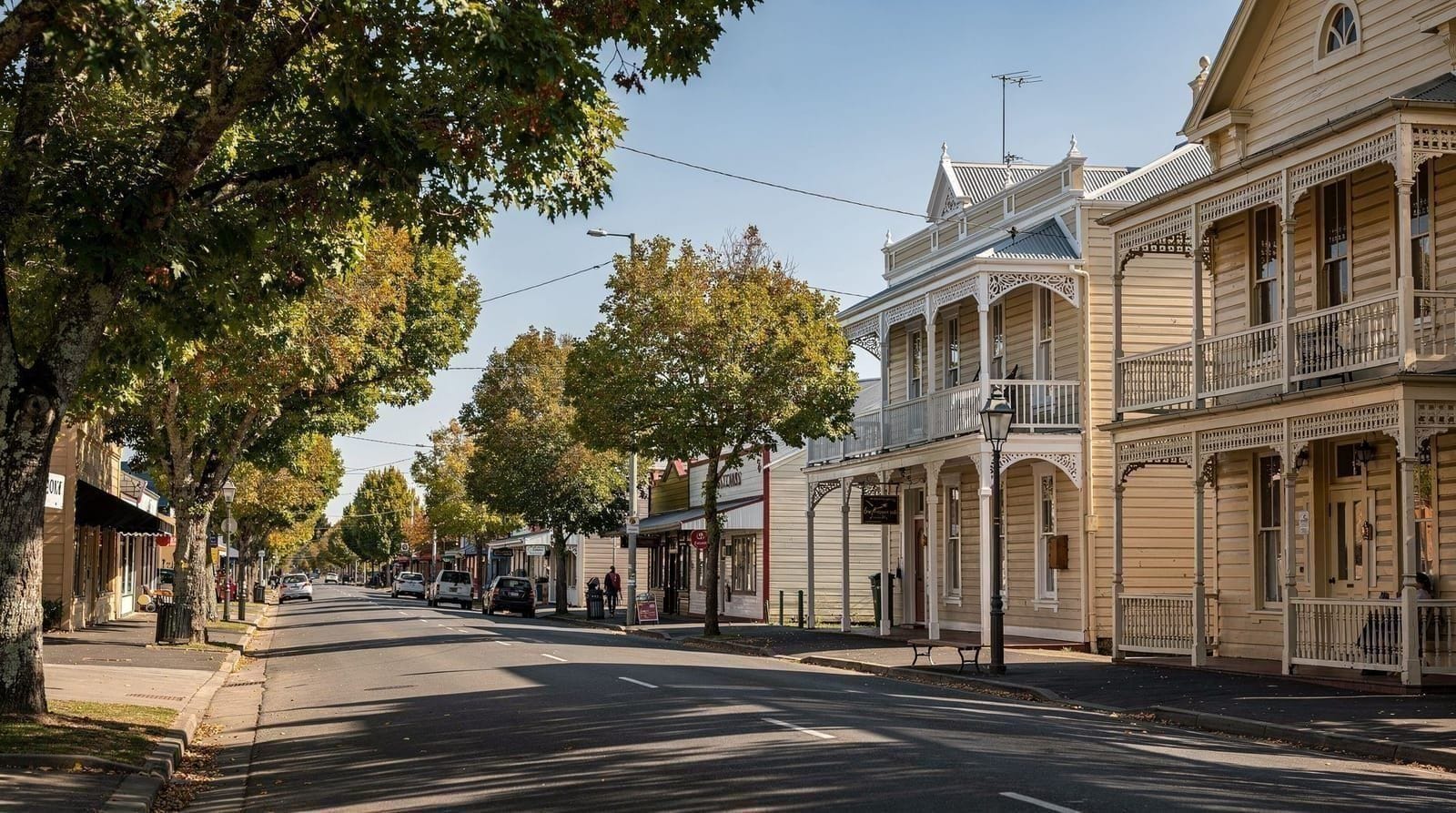
The Remutaka route also opens up destinations beyond Martinborough’s wine country if you have more time. Greytown’s well-preserved main street of Victorian-era buildings, cafés and boutique shops sits a short additional drive north of Martinborough, and Cape Palliser’s dramatic coastline and seal colony is accessible via a separate, longer coastal route south of Martinborough for visitors with a full day or more to spend in the wider region.
Weather and seasonal considerations
The Wairarapa’s climate runs noticeably drier and, in summer, considerably warmer than Wellington’s own coastal exposure, since the Remutaka Range shelters the valley from much of the city’s characteristic wind. Autumn (March-May), which coincides with the region’s grape harvest, is a particularly good season for the drive, combining pleasant driving conditions with Martinborough’s harvest-season atmosphere. Winter crossings are manageable but benefit from extra caution and time given the summit road’s exposure to rain and occasional strong wind.
Rental car considerations for the day
If you’re renting a car specifically for this drive, a standard small or mid-size vehicle is entirely sufficient — the Remutaka summit crossing is winding but well-maintained and doesn’t require four-wheel drive or a larger vehicle under normal conditions. Picking up a rental in central Wellington on the morning of your trip and returning it that evening avoids paying for a car sitting unused in the city for the rest of your stay, covered in more detail in our do you need a car in Wellington guide. Booking a few days ahead rather than the morning of, particularly in summer, secures better availability and pricing.
Driving on the left for first-timers
Visitors unfamiliar with left-hand driving should treat this route with a bit of extra caution, particularly at the roundabouts through Upper Hutt before the open road begins and at the tighter bends on the summit crossing itself. The flatter, more built-up stretch through the Hutt Valley is a reasonable place to get comfortable with left-hand driving and New Zealand’s give-way rules before tackling the winding summit section, rather than attempting both the adjustment and the harder driving simultaneously.
Alternative routes and detours
While State Highway 2 over the Remutaka Range is the standard and most direct route, a small number of visitors extend the day with a coastal detour via Cape Palliser to the south of Martinborough, though this adds considerable driving time and is better treated as a separate day trip than combined with a Martinborough wine visit in a single outing. Our Cape Palliser day trip guide covers that route and its own timing separately.
Signal and navigation reliability
Mobile signal along the Remutaka summit crossing can be patchy in places, particularly for visitors on smaller international carriers’ roaming plans, so downloading offline maps for the route before setting out is a sensible precaution rather than relying entirely on real-time navigation throughout the drive. Signal returns reliably once you’ve descended into Featherston and the wider Wairarapa township area.
What a typical wine-tasting day costs beyond the drive itself
Beyond fuel and any rental cost, a typical Martinborough day involves cellar-door tasting fees (roughly NZ$5-10 per winery, sometimes waived with a purchase), a sit-down lunch (NZ$20-40 per person at one of the town’s cafés or restaurants), and any wine purchases you decide to bring home. Budgeting for this alongside the transport cost gives a more complete picture of what a self-driven Wairarapa day actually costs versus a guided tour that bundles tastings and lunch into a single upfront price.
Returning to Wellington in the evening
The drive back over the Remutaka summit in the evening, particularly after a day of wine tasting, is one of the clearer arguments for a designated non-drinking driver or a guided tour over self-driving — the same winding summit road that’s manageable in daylight becomes more demanding after dark, and fatigue from a full day adds a further factor worth taking seriously. If your group doesn’t have a comfortable designated driver, the guided tour option removes this concern entirely.
Extending the drive to Masterton and the northern Wairarapa
Visitors with more than a single day, or specifically interested in the wider Wairarapa beyond Martinborough’s wine country, can continue north past Greytown and Carterton to Masterton, the region’s largest town, adding perhaps another 30-40 minutes of driving beyond Martinborough itself. This extension suits a longer, more exploratory Wairarapa day or an overnight stay in the region rather than a tightly timed single-day wine trip, given the extra driving time it adds on top of the Remutaka crossing.
What locals say about the crossing
Wellington residents who regularly commute to or from the Wairarapa generally treat the Remutaka summit crossing as routine rather than a genuinely difficult drive, a useful data point for visitors nervous about the route based purely on descriptions of “winding hill road.” That said, locals also treat wet-weather caution seriously, particularly around the tighter bends near the summit itself, echoing the advice in this guide rather than contradicting it — routine for a confident, attentive driver, but still worth genuine care rather than complacency.
Fuel efficiency and rental car specifics
If you’re driving a smaller rental car, fuel consumption on the winding summit section is somewhat higher than on flat motorway driving given the frequent gear changes and elevation gain, though this difference is marginal over a single day trip and shouldn’t meaningfully affect your budget. Confirming your rental agreement’s fuel policy (full-to-full versus a prepaid tank) before setting out avoids any confusion about refuelling before returning the car at the end of the day.
A comparison: self-drive, guided tour, or public transport plus taxi
| Self-drive | Guided tour | Train + taxi | |
|---|---|---|---|
| Flexibility | Highest | Moderate (fixed itinerary) | Lowest |
| Drinking at wineries | Needs a designated driver | Everyone can taste | Everyone can taste |
| Cost | Rental + fuel | Per-person tour price | Train fare + taxi |
| Best for | Independent explorers, families | Wine-focused groups | Budget solo travellers, single winery visits |
A brief history of the Remutaka crossing
The current road over the Remutaka Range replaced an earlier, even steeper and more challenging route in the 1970s, itself a successor to the original horse-and-cart era track that first connected Wellington to the Wairarapa in the nineteenth century. A rail line also once crossed the range via a dramatic incline system before being replaced by the modern tunnel route used by today’s Wairarapa trains — a reminder that this crossing has always been the defining challenge of getting between Wellington and the Wairarapa, long before rental cars and guided wine tours existed to make the trip considerably more comfortable than it once was.
Combining the drive with the Remutaka Rail Trail or Forest Park
Cyclists and hikers with a specific interest in the Remutaka Rail Trail or the wider Remutaka Forest Park can access several trailheads directly from the same route used for the Wairarapa wine drive, making it possible to combine a shorter trail section with a Martinborough or Greytown stop in a single, longer day for visitors with a genuine interest in both wine and the outdoors. This isn’t a fit for every visitor’s pace, but it’s worth knowing the route serves double duty for this specific combination.
What if you’re not confident driving the crossing yourself
For visitors who’ve read through this guide and still feel uncertain about self-driving the Remutaka crossing — whether due to unfamiliarity with left-hand driving, limited driving experience on winding roads, or simply a preference not to deal with it — a guided tour removes every one of these concerns entirely, handling the crossing, the wine-tasting logistics and the return drive as a single, worry-free booking. There’s no meaningful downside to choosing this option purely for peace of mind, even for confident drivers who’d simply rather relax for the day.
Traffic patterns and timing your departure
Weekday commuter traffic through the Hutt Valley can add 10-15 minutes to the drive if you leave during the morning peak (roughly 7-9am), since a portion of the route shares roads with Wellington’s own commuter traffic before the road opens up beyond Upper Hutt. Leaving mid-morning, after the peak has cleared, generally offers a smoother, slightly faster run out to the Wairarapa than an early-morning departure timed to beat the day’s heat or crowds elsewhere.
Combining the drive with a scenic detour at the summit
The Remutaka summit itself has a small lookout area worth a five-minute stop if you haven’t already visited on a previous trip, offering a genuine, if brief, view back down toward the Hutt Valley and Wellington Harbour — a worthwhile pause partway through the drive rather than treating the crossing purely as a means to an end before reaching Martinborough’s wineries.
Mobile data and pre-downloading useful information
Beyond offline maps, it’s worth pre-downloading a list of your planned wineries’ opening hours and any tasting-fee details before setting out, since patchy signal on the summit crossing and even in parts of Martinborough itself can make last-minute research awkward. A short list prepared the night before saves fumbling with a weak signal mid-drive or on arrival at your first stop.
Weekday versus weekend visits to Martinborough
Martinborough’s cellar doors and cafés are noticeably quieter on weekdays than weekends, when both local day-trippers and other visitors converge on the town — worth timing a weekday visit if you’d prefer a more relaxed, less crowded tasting experience, or accepting the busier weekend atmosphere if that’s the only day your schedule allows.
A quick reference for your drive-day checklist
Before setting out: confirm your rental car booking and fuel policy, download offline maps for the Remutaka crossing, note a few winery opening hours and tasting fees, check the weather forecast for wind or rain warnings, and settle on a designated driver if wine tasting is the day’s focus. This short pre-drive routine covers the practical points raised throughout this guide in a single, quick pass.
Accessibility considerations for the drive
For travellers with mobility considerations, the drive itself doesn’t pose any particular accessibility challenge beyond what’s normal for a winding rural road, but it’s worth confirming ahead which specific Martinborough or Greytown wineries and cafés have step-free access, since some occupy older heritage buildings with less accommodating entrances than a purpose-built modern tasting room. A guided tour operator can often advise on which stops on their route suit accessibility needs better than others, worth asking about directly when booking rather than assuming every stop on a fixed itinerary is equally accessible.
What to pack for the drive
Beyond the usual rental car checklist, a Wairarapa day trip benefits from a few specific items: sunglasses for the drive itself, since the route faces into afternoon sun on the return leg; a printed or downloaded backup of key winery addresses given patchy signal on the summit; and a light jacket even on a warm day, since temperatures at the Remutaka summit run noticeably cooler than either the Wellington or Wairarapa side. If you’re planning any walking around Greytown or Martinborough’s town centre alongside the wine tasting, comfortable shoes make more sense than anything you’d wear purely for a cellar-door visit.
Combining Martinborough with Cape Palliser in one trip
Some visitors are tempted to combine a Martinborough wine stop with the longer drive out to Cape Palliser in a single day, since the coastal route continues south past Martinborough itself. This is possible but makes for a genuinely long day — easily 8-10 hours door to door once driving, wine tasting and the seal colony and lighthouse are all factored in. Most visitors get a better experience treating these as two separate day trips, or accepting a rushed, lighter version of each if a single combined day is the only option your schedule allows.
Driving times to each Wairarapa town
| Destination | Approx. drive time from Wellington | Distance |
|---|---|---|
| Featherston | 55-65 minutes | ~55km |
| Martinborough | About 1hr 15min | ~65km |
| Greytown | About 1hr 10min | ~60km |
| Masterton | About 1hr 30-45min | ~95km |
These are approximate under normal traffic and weather; add extra time for the morning commuter peak, wet weather, or a stop at the summit lookout along the way.
Electric vehicles and the Remutaka crossing
If you’re renting an electric or hybrid vehicle for the day, the Remutaka crossing itself is well within range for any modern EV on a full charge, but charging infrastructure thins out noticeably once you’re past Featherston toward Martinborough and further south toward Cape Palliser. A full charge before leaving Wellington, rather than planning to top up mid-trip, is the more reliable approach for this specific route. Petrol and diesel vehicles have no such concern, with fuel stations available in Upper Hutt, Featherston and Martinborough itself.
Combining the drive with public transport for a one-way trip
Some visitors drive out to the Wairarapa and take the train back, or vice versa, particularly if picking up or dropping off a rental car at the Wellington train station makes more sense than a full round-trip drive. This works reasonably well given Metlink’s Wairarapa line connects Featherston and Carterton back to central Wellington, though it requires more logistical coordination than a simple there-and-back drive, and is really only worth the added complexity if it solves a specific rental car drop-off or single-direction travel need.
The bottom line
The drive from Wellington to the Wairarapa, while it involves a genuine hill crossing rather than a flat motorway run, is a manageable roughly 1 hour 15 minute journey that opens up Martinborough’s wine country, Greytown’s heritage streets and the wider Wairarapa valley. Self-driving suits visitors wanting flexibility or a wider regional exploration; a guided wine tour removes the driving-versus-drinking tension for a day centred purely on Martinborough’s cellar doors.
Frequently asked questions about Driving to the Wairarapa from Wellington
Is the Remutaka Range drive difficult?
It's a winding, hilly road rather than a straightforward motorway, with a genuine summit crossing between Upper Hutt and Featherston, but it's sealed, well-maintained and manageable for any reasonably confident driver. Wet or windy weather makes it more demanding, so allow extra time in poor conditions.Can I get to Martinborough without driving?
Yes — Metlink trains run to Featherston and Carterton, from where a taxi covers the final short distance into Martinborough itself, though this is slower and less flexible than driving or joining a tour that handles the whole route.Is it better to drive myself or book a wine tour?
If wine tasting is the main goal, a tour removes the obvious problem of driving after tastings and lets you visit more cellar doors in a day than you'd comfortably manage self-driving with a designated non-drinking driver. Self-driving suits visitors prioritising flexibility, a wider Wairarapa exploration beyond Martinborough, or travelling with kids.Are there rest stops or things to see on the drive itself?
The Remutaka summit has a lookout point with wide views back toward Wellington Harbour, and Kaitoke Regional Park sits just off the route on the Wellington side, worth a short detour if you have time before or after your Wairarapa day.