Kaikōura whale-watching guide
Kaikoura: Whale Watching Cruise
Duration: 3.5h
Is Kaikōura whale watching worth it from Wellington?
Kaikōura offers some of the most reliable sperm whale sightings in the world, with whales resident year-round rather than migratory, but it sits 259 km south of Wellington via the Cook Strait ferry and a further South Island drive — roughly 5-8 hours total each way, making it better suited to an overnight or multi-day South Island trip than a rushed same-day round trip.
Whales that never leave, in a town built around them
Kaikōura, a small coastal town on the South Island’s northeast coast, sits directly above an unusually deep underwater canyon where cold Antarctic currents meet warmer subtropical water, creating one of the richest concentrations of marine life anywhere off New Zealand’s coast. The headline draw is sperm whales — and unlike most whale-watching destinations built around a migratory season, Kaikōura’s resident population means these whales are present essentially year-round, diving into the deep canyon just offshore to feed on giant squid at depths few other coastal whale-watching sites can match.
| Where | Kaikōura, South Island, ~259km from Wellington |
| Getting there | Cook Strait ferry (~3.5hrs) + drive (~2-3hrs) |
| Cruise cost | Mid-hundreds NZD per adult, ~2 hours |
| Flight cost | Higher than cruise, ~30-40 minutes |
| Best time | Year-round (resident whales); calmer seas Nov-Apr |
That year-round reliability is genuinely unusual in the whale-watching world, and it’s the main reason Kaikōura has built such a strong international reputation despite being a small, remote town rather than a major city. The honest complication, particularly relevant for Wellington-based travellers, is distance: this isn’t a nearby day trip, and treating it as one leads to a genuinely rushed, exhausting day for very little time actually spent with the whales.
A Māori-owned enterprise with a genuine history
Whale watching at Kaikōura is run substantially through Whale Watch Kaikoura, a company owned by the local Ngāi Tahu iwi (Māori tribal group), established in the late 1980s partly as an economic development initiative for the local Māori community during a period when the town’s traditional fishing and farming economy was under real pressure. The venture’s success over the following decades transformed Kaikōura from a struggling small town into a genuinely significant tourism destination, and it remains one of the more prominent examples of Māori-led tourism enterprise in New Zealand, with cultural interpretation woven into the commentary alongside the marine biology. Understanding this history adds useful context to a visit beyond simply “seeing whales” — it’s also a story about a community-led response to economic hardship that reshaped the town’s fortunes.
The 2016 earthquake and its aftermath
In November 2016, a major earthquake struck the Kaikōura region, causing significant damage to the town’s infrastructure, uplifting sections of the coastline by several metres in places, and cutting the main state highway connections for an extended period during repairs. Whale-watching operations were suspended for a time in the immediate aftermath, and the seabed changes around the harbour required genuine adaptation — some boat access routes changed permanently as a result of the uplift. The town and its whale-watching industry have since recovered fully, with infrastructure rebuilt and operations running at full capacity again, but the earthquake remains a significant, relatively recent chapter in the region’s history that many long-term Kaikōura locals and operators can speak to directly if you’re curious during your visit.
Cruise vs scenic flight: which to choose
The Kaikoura whale-watching cruise runs about two hours on the water, using hydrophones to detect whale vocalisations before positioning the boat for a sighting — a genuinely well-honed process given decades of local operating experience, and one that typically delivers multiple whale surfacing events per trip alongside a good chance of dusky dolphins and fur seals along the way. The trade-off is real seasickness risk, since Kaikōura’s open Pacific waters can run a noticeable swell even on otherwise calm days — worth taking precautions in advance if you’re prone to motion sickness, rather than assuming it won’t be an issue.
For travellers who’d rather avoid the boat altogether, the Kaikoura whale-watching flight with guided commentary covers considerably more ocean from the air in less time, generally 30-40 minutes, with a pilot spotting whales from altitude and guided commentary throughout — a strong option for anyone prone to seasickness or simply short on time. The 1-hour whale-watching helicopter tour extends the flight option further, generally covering more ground and offering a smoother, lower-altitude vantage point than a fixed-wing flight, at a correspondingly higher price.
Cost and what to expect
Boat cruises typically run in the mid-hundreds of NZ dollars per adult for the standard roughly two-hour experience, while scenic flights and helicopter options generally cost more given the higher operating costs of aircraft versus boats — expect flights to run meaningfully higher than the boat cruise price, with helicopter tours at the top of that range. Most operators offer some form of partial refund or complimentary rebooking if no whale is sighted on a given trip, a policy worth confirming directly when booking given how central it is to managing expectations around wildlife encounters that can never be fully guaranteed.
Other wildlife you’re likely to see
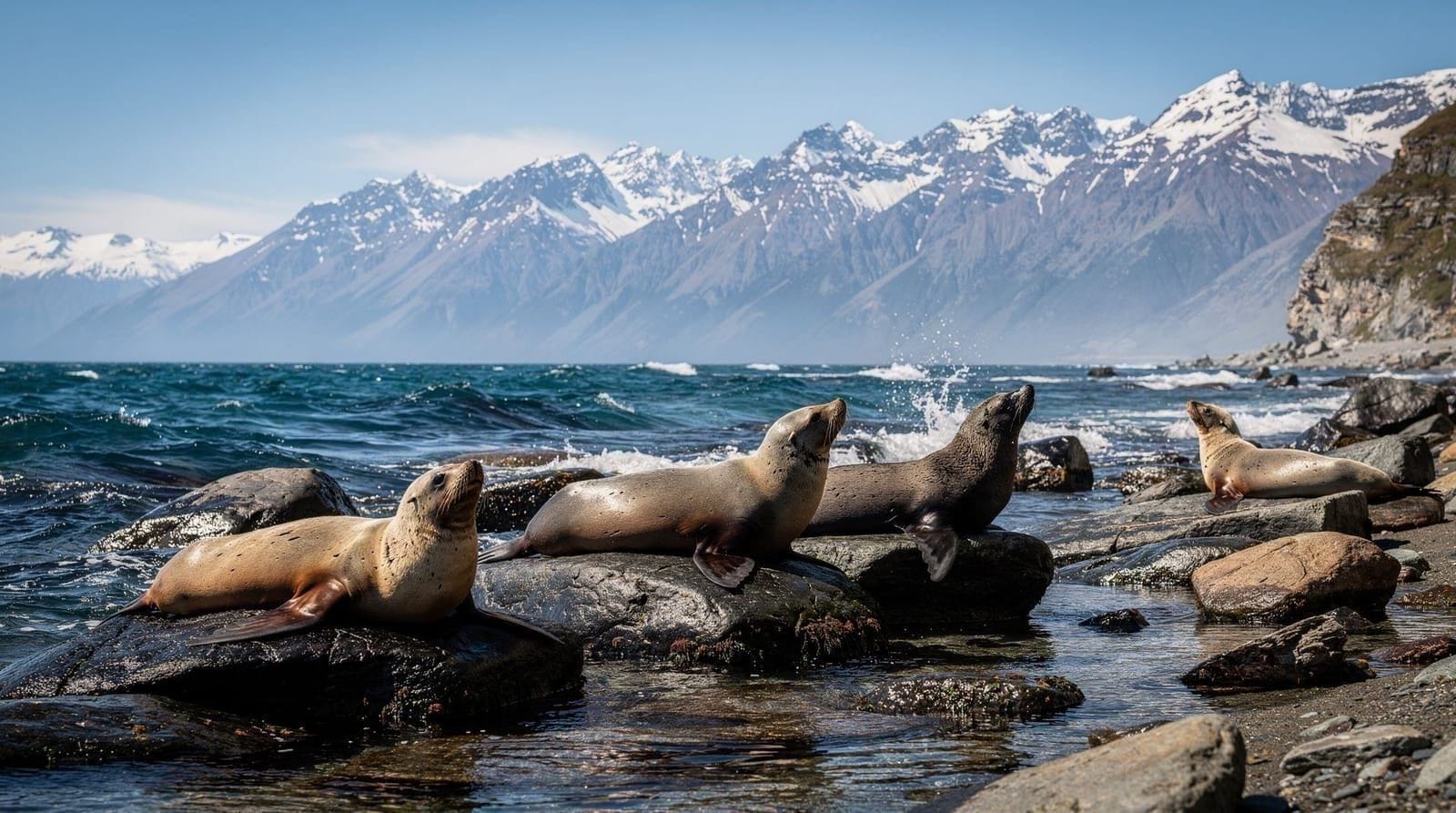
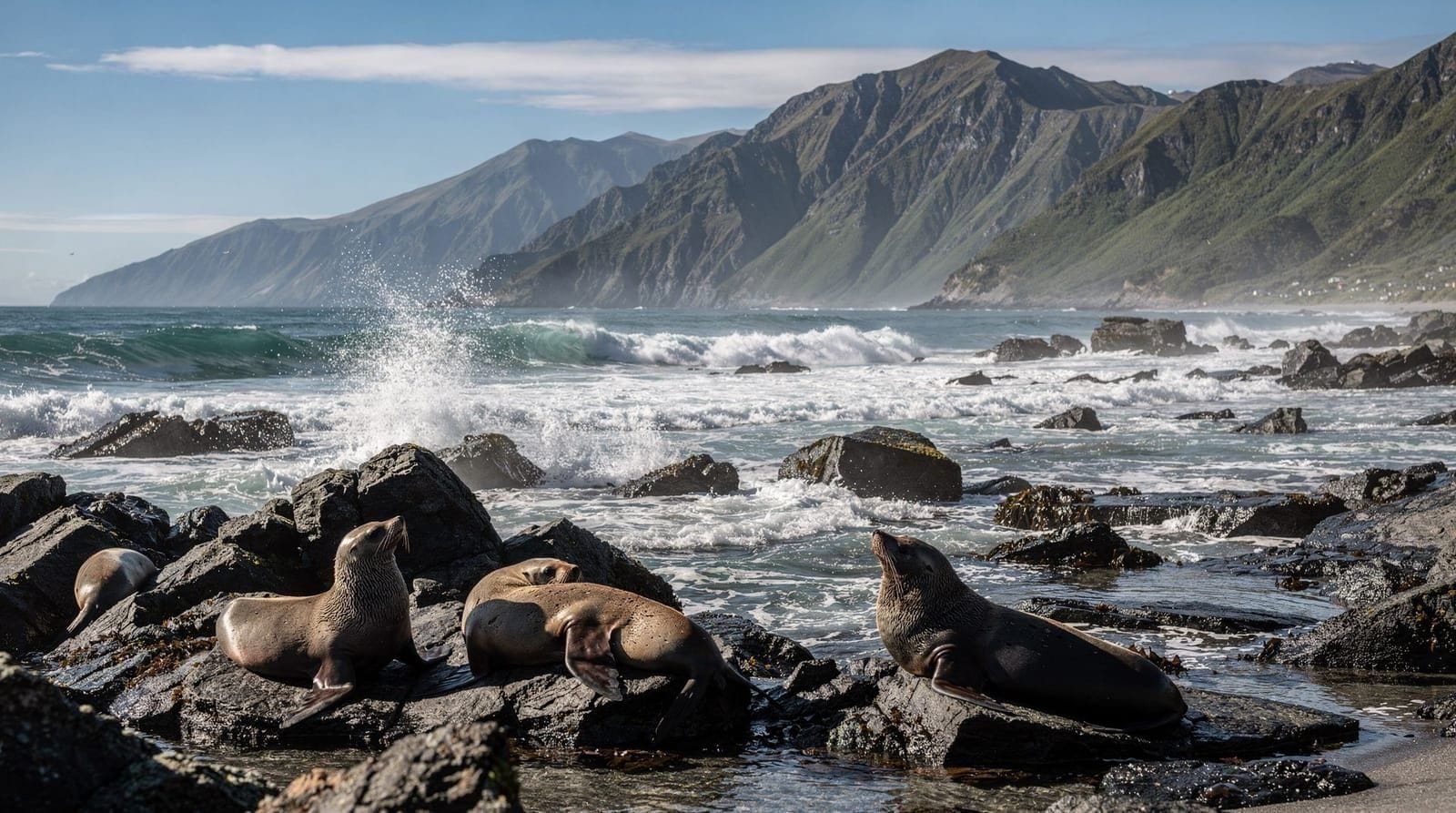
Dusky dolphins are a near-constant feature of Kaikōura’s waters, often gathering in large, energetic pods that approach boats and occasionally put on genuinely spectacular aerial displays — for many visitors, the dolphins end up as memorable as the whales themselves. New Zealand fur seals haul out along the rocky coastline near the town, and albatross and other pelagic seabird species are commonly seen feeding over the same deep canyon that draws the whales, making a Kaikōura trip a genuinely rich marine-wildlife outing beyond the headline sperm whale sightings.
Getting there from Wellington: the honest distance
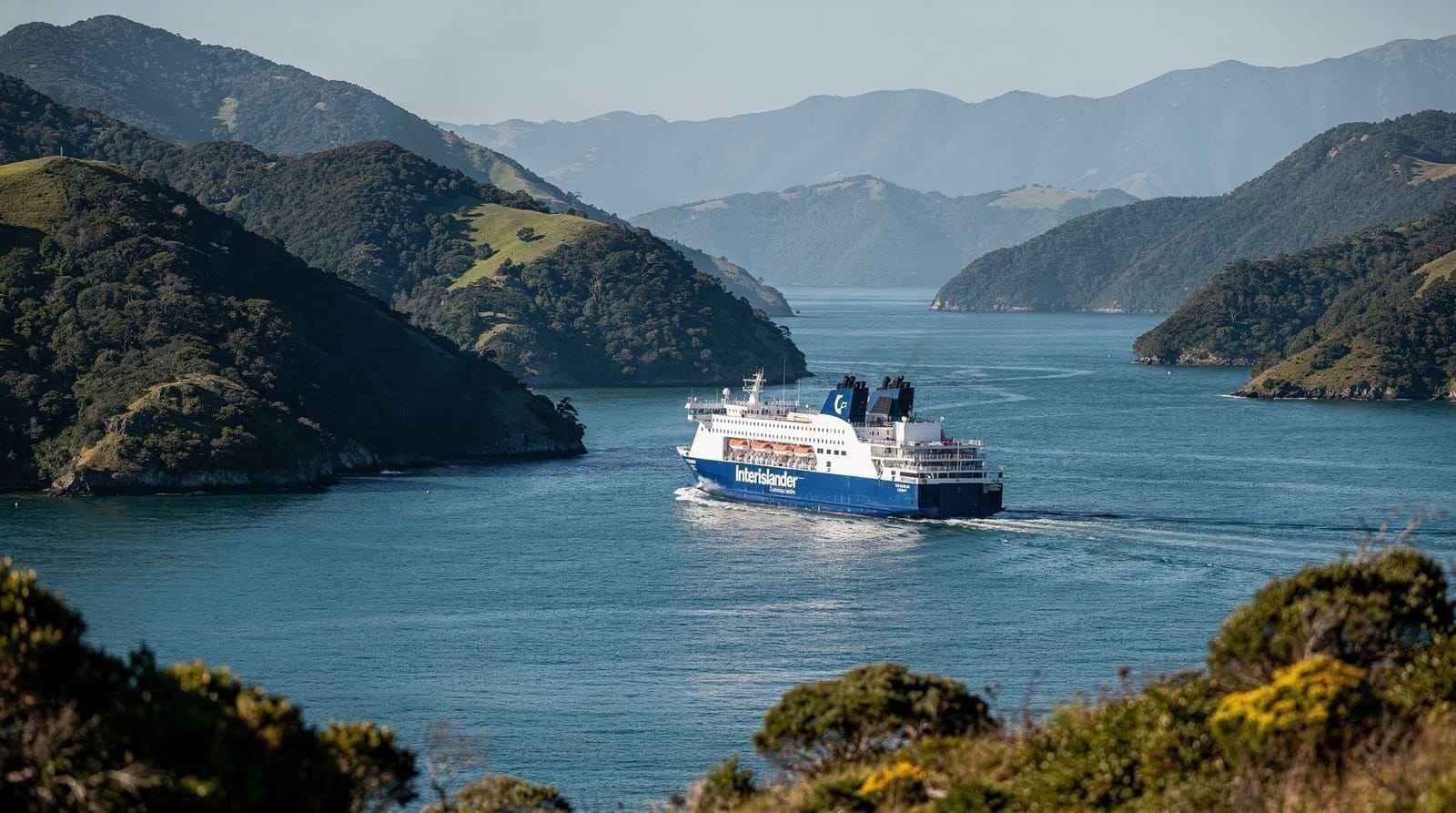
Kaikōura sits about 259 km from Wellington, but that figure understates the real time commitment — reaching it requires the Cook Strait ferry crossing (roughly 3.5 hours on Interislander or Bluebridge) followed by a further South Island drive of two to three hours south from Picton, for a total of five to eight hours travel time each way depending on ferry timing and road conditions. That’s a genuinely demanding day of travel before you’ve even reached the whale-watching activity itself.
Day trip vs overnight: the reality check
Some itineraries and tour packages market Kaikōura as a Wellington day trip, and it’s technically possible on paper — an early ferry, a fast drive, the cruise itself, then the return journey. In practice, this leaves very little slack for ferry delays, road conditions, or simply enjoying the town itself, and most experienced South Island travellers strongly recommend at least one overnight stay in Kaikōura rather than attempting the full round trip in a single day. Our dedicated Kaikōura as a day trip: reality check guide goes into the honest maths behind this in more detail — the short version is that an overnight stay turns a punishing logistics exercise into a genuinely enjoyable couple of days.
For travellers building a longer South Island itinerary regardless — say, as part of a week-long Wellington-plus-South-Island trip via the ferry or a 5-day trip to the South Island — Kaikōura fits naturally as a stop along the main route south from Picton toward Christchurch, ideally paired with a night or two around Blenheim and the Marlborough wine region rather than a dedicated round trip from Wellington.
The town itself and where to stay
Kaikōura is a genuinely small town, and its accommodation options range from budget backpacker lodges to comfortable mid-range motels and a handful of higher-end options with coastal views, most within easy walking distance of the whale-watching departure point and the town’s compact main street. Booking ahead matters more here than in larger centres, since the town’s limited bed count fills up quickly during peak summer and school holiday periods when whale-watching demand peaks alongside general South Island road-trip traffic passing through. An overnight stay also opens up the chance to sample Kaikōura’s well-regarded seafood scene, with crayfish (rock lobster) a genuine local specialty worth trying if you’re staying rather than rushing straight back to the ferry.
Booking practicalities and what to expect on the day
Whale-watching cruises depart from a dedicated terminal a short walk from the town centre, with check-in typically required 30-60 minutes before departure to allow for a safety briefing and any weather-related schedule adjustments. Conditions on the day genuinely do affect the experience — a calm day delivers a smoother ride and generally better visibility, while rougher swell can make for a bumpier, less comfortable trip even when whales are still sighted. Operators monitor conditions closely and will postpone or cancel trips outright in genuinely unsafe weather rather than risk passenger safety or animal welfare, so building some schedule flexibility into a South Island itinerary that includes Kaikōura is a sensible precaution rather than an unnecessary one.
Best time of year to visit
Because Kaikōura’s sperm whales are resident rather than migratory, there’s no strict “best month” the way there is for many whale-watching destinations elsewhere in the world — sightings happen year-round. Sea conditions do vary seasonally, though, with winter (June-August) more prone to rougher swell affecting both cruise comfort and occasional trip cancellations, while summer and shoulder seasons generally offer calmer, more reliable conditions for those prioritising a smoother ride over any particular whale-behaviour timing.
What to pack for the cruise
Seasickness tablets taken well ahead of boarding, a warm, wind-resistant layer even on a sunny day (the open water is noticeably cooler and breezier than the town itself), sunglasses and sun protection for the glare off the water, and a camera with reasonable zoom for both whale surfacing events and the dusky dolphins that often accompany the boat. Waterproof or splash-resistant protection for a phone or camera is worth having on choppier days, since spray is common even in otherwise calm conditions.
Is it worth the trip?
For genuine wildlife enthusiasts, yes, decisively — Kaikōura’s resident sperm whale population and rich surrounding marine ecosystem make it one of the standout wildlife experiences accessible from a South Island itinerary, and the reliability of sightings here is hard to match elsewhere, including against Wellington-region wildlife options like Zealandia or the south coast seal colony. The honest caveat is entirely about logistics rather than the experience itself: this is not a Wellington day trip in any comfortable sense, and travellers should plan at least one overnight stay to do it properly rather than treating it as a box to tick on a rushed single day.
For a full breakdown of pricing, operator comparisons and booking specifics, see our dedicated Kaikōura whale-watching tour review, and pair a Kaikōura stop with a Marlborough Sounds cruise on the way south from Picton if you have the extra day to spare.
Frequently asked questions about Kaikōura whale-watching guide
Are whale sightings guaranteed at Kaikoura?
No sighting is ever 100% guaranteed with wild animals, but Kaikoura's resident sperm whale population makes it one of the more reliable whale-watching destinations in the world, since these particular whales don't migrate away seasonally the way many whale species do elsewhere. Most operators offer a partial refund or rebooking policy if no whale is sighted on a given trip.Should I take a whale-watching cruise or a scenic flight?
A boat cruise gets you closer to the water and typically runs 2-3 hours with a good chance of multiple sightings, but carries a real seasickness risk in open Pacific swell. A scenic flight covers more ocean from the air in less time, avoids seasickness for most passengers, and often spots whales a boat might miss, at a generally higher price point.How far is Kaikoura from Wellington?
About 259 km, requiring the Cook Strait ferry crossing (roughly 3.5 hours) followed by a South Island drive of a further 2-3 hours, for a total of around 5-8 hours travel time each way. This makes Kaikoura genuinely impractical as a Wellington day trip despite appearing on some itineraries as one.What's the best time of year for whale watching at Kaikoura?
Sperm whales are present year-round due to Kaikoura's unusually deep offshore canyon supporting a resident population, making it one of the few whale-watching destinations without a strict seasonal window. Winter months (June-August) can bring rougher sea conditions affecting cruise comfort and occasional cancellations.What other marine wildlife might you see at Kaikoura?
Dusky dolphins are common and often approach boats in large, active pods, alongside New Zealand fur seals along the coastline and various albatross and seabird species that gather over the same deep-water canyon that draws the whales.
Top experiences
Bookable activities with verified prices and instant confirmation on GetYourGuide.