Kāpiti Island Nature Reserve guide
From Wellington: Kapiti Island Nature Reserve Day Trip
Do you need a permit to visit Kāpiti Island?
Yes — Kāpiti Island is a strictly protected nature reserve and independent access isn't permitted. You must book through a licensed tour operator, who arranges the Department of Conservation permit and the ferry crossing as part of the tour package, so there's no separate permit to organise yourself.
An island reserve you can’t simply turn up to
| Where | Kāpiti Island Nature Reserve, off the Kāpiti Coast |
| Access | DOC-licensed operator only; permit bundled in the booking |
| Boat crossing | ~15-20 minutes from Waikanae Beach or Paraparaumu |
| Cost | From ~NZD 90-95 per adult, day tour |
| Best for | Little spotted kiwi, takahē, hihi, weka |
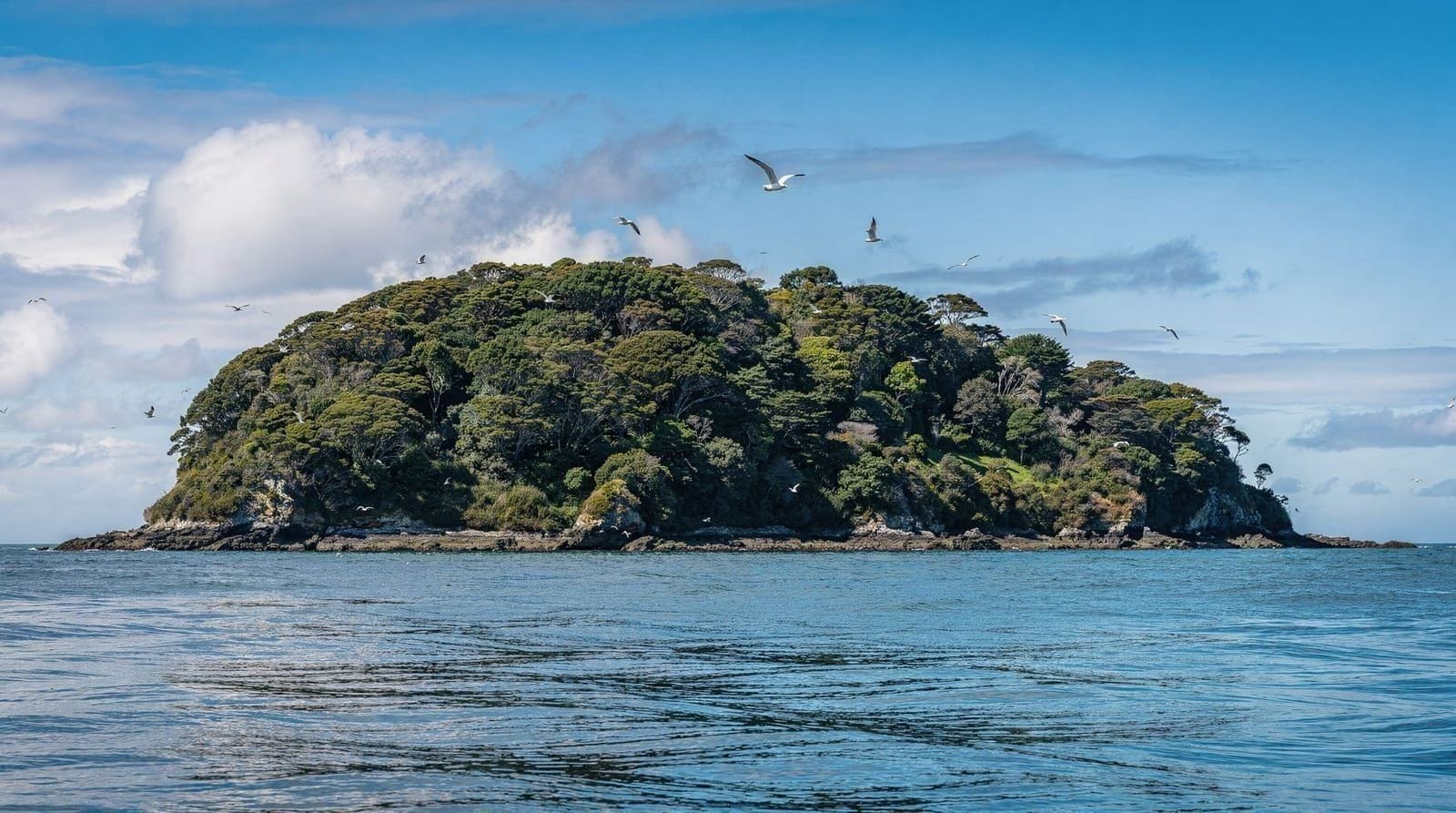
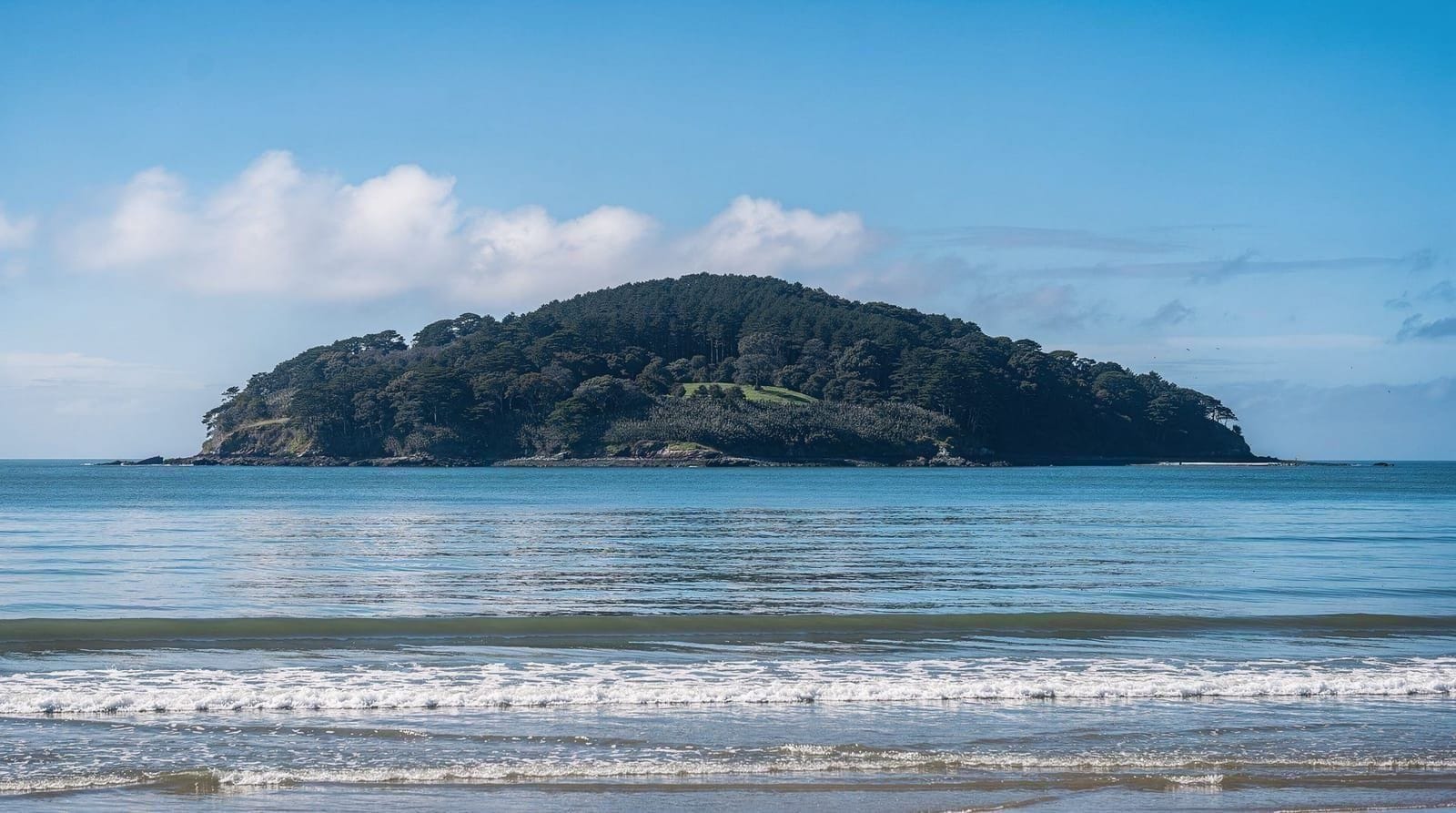
Kāpiti Island sits a few kilometres off the Kāpiti Coast, north of Wellington, and it’s one of New Zealand’s most significant nature reserves — a predator-free island sanctuary supporting bird species that have vanished from most of the mainland after a century of introduced stoats, rats and possums. Unlike Zealandia’s fenced mainland valley, Kāpiti is a genuine offshore island, and that isolation is precisely what makes its wildlife so different: species like the little spotted kiwi and takahē survive here specifically because predators can’t reach it.
The single most important thing to understand before planning a visit is that Kāpiti Island isn’t independently accessible. This is a strictly managed nature reserve, and every visitor arrives through a Department of Conservation-licensed operator who holds the concession to land people on the island — there’s no way to hire a private boat and simply turn up, and there’s no separate permit process for individual travellers to navigate. Booking a tour is the permit.
How the island became predator-free
Kāpiti Island’s status as a nature reserve dates back further than most visitors expect — it was formally protected in 1897, making it one of New Zealand’s earliest designated wildlife reserves, though introduced predators (rats, possums, and for a period, goats and deer left over from earlier farming) continued to threaten native species on the island for most of the 20th century regardless of its protected status. A sustained, large-scale eradication programme through the 1980s and 1990s progressively removed these introduced mammals, culminating in the island being declared predator-free — a milestone that took decades of sustained effort and remains actively maintained through ongoing biosecurity checks on every boat and passenger arriving on the island, precisely to prevent any reintroduction of rats or mice via cargo, luggage or even boat ropes.
That biosecurity vigilance is part of why the licensed-operator system exists in the first place — it’s not simply a matter of controlling visitor numbers, but a genuine and ongoing defence of decades of predator-eradication work that could be undone by a single stowaway rodent arriving with an unchecked visitor.
How booking and access actually works
Licensed operators handle the entire process as part of your tour booking: the DOC landing permit, the boat crossing, and — depending on which tour you choose — a guided walk once you’re on the island. This matters practically because it means there’s genuinely nothing extra to arrange yourself beyond picking a tour and booking a spot; unlike some New Zealand nature experiences where a permit and a transport booking are separate steps, here they’re bundled into one transaction.
The Kāpiti Island Nature Reserve day trip from Wellington is the most complete option for visitors based in the capital, including transport from Wellington to the Kāpiti Coast departure point, the boat crossing, and time on the island with a guide. Visitors already staying on the Kāpiti Coast itself, or those preferring to drive up independently, can book the crossing and island tour directly from Waikanae Beach or Paraparaumu without the Wellington transfer included.
The boat crossing
The crossing itself is short — typically 15 to 20 minutes from the mainland departure point, most commonly Waikanae Beach, to one of the island’s two landing points (northern end for Rangatira, or the southern end near the DOC visitor centre). Conditions in the Kāpiti Coast waters can be choppier than they look from shore, and trips are occasionally postponed or cancelled in poor weather — a genuine possibility worth building slack into your schedule for, particularly if visiting on a tight day-trip timeline from Wellington.
What wildlife you’ll actually see
Kāpiti Island’s standout draw is the little spotted kiwi — extinct on the mainland and now found only on a handful of predator-free islands, with Kāpiti holding one of the largest populations. Daytime visits won’t typically produce a kiwi sighting, since they’re nocturnal, but overnight lodge stays (run by a small number of licensed operators with accommodation on the island) offer guided evening walks with a genuine chance of hearing or spotting one in the wild — an experience unavailable on any day tour.
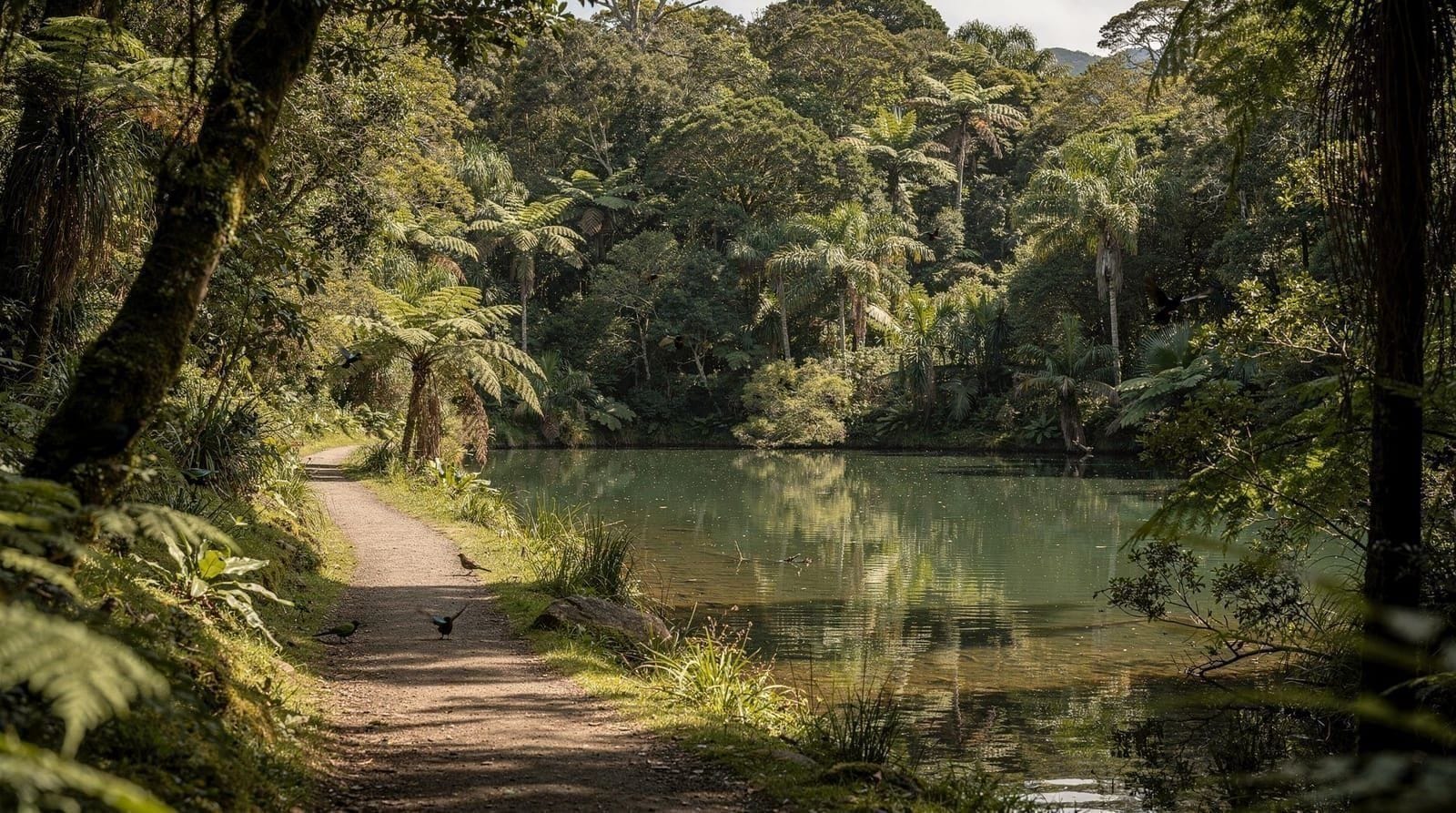
Daytime visitors instead encounter a strong population of diurnal native birds: takahē (a large, flightless, brilliantly coloured rail once thought extinct), weka wandering boldly around walking tracks, North Island robin, saddleback, hihi (stitchbird) and kākā parrots, several of which are tame enough from decades of protection to approach visitors closely without prompting. For many first-time visitors, simply seeing takahē and hihi at close range — species most New Zealanders themselves have never encountered in the wild — is worth the trip on its own.
Walking tracks and the summit option
Once on the island, guided walks generally follow well-formed tracks through regenerating forest, with options ranging from an easy 30-45 minute loop near the landing point to a more demanding climb toward Tuteremoana, the island’s summit at 521 metres, which rewards the effort with sweeping views back across Cook Strait toward the South Island on a clear day — a similar payoff, on a grander scale, to the harbour views from Mount Victoria back in the city. The Kāpiti Island sea kayak and hike marine reserve tour adds a paddling element around the island’s marine reserve coastline to the standard walking visit, a good option for visitors wanting a more active day than a straightforward guided nature walk.
How much time to budget
Day trips typically run four to six hours including the crossing, guided walking time and return, which is enough for a solid taste of the island’s birdlife without feeling rushed on the well-formed lower tracks. Reaching the summit adds a further two to three hours and a genuinely steep climb, so factor that in if it’s a priority rather than an optional extra. Overnight stays, run through a small number of licensed lodge operators, extend the experience into evening and pre-dawn wildlife activity — including the kiwi-spotting walks unavailable to day visitors — but require booking well ahead given limited overnight capacity.
Cost and honest value
Day tours including the boat crossing typically start from around NZD 90-95 per adult, rising with add-ons like kayaking or a longer guided walk. That’s a meaningfully higher price point than Zealandia’s roughly NZD 55 day-entry fee, and the honest reason is the boat crossing and the island’s more remote, tightly regulated access — you’re paying for genuinely different wildlife (particularly takahē and the possibility of kiwi on overnight stays) and a proper island excursion rather than a valley walk a short drive from central Wellington.
For travellers with only a single day near Wellington and no particular pull toward island wildlife specifically, Zealandia delivers a strong native-bird experience at lower cost and without the weather-dependent boat crossing. For those wanting the genuinely rarer species and the sense of a proper offshore excursion, Kāpiti Island is worth the extra cost and half-day commitment. It also compares favourably in scale against a shorter best day trips from Wellington shortlist, given how few other genuine wildlife-island options exist within a similar travel radius.
The surrounding marine reserve
Kāpiti Island is ringed by its own marine reserve, extending roughly a kilometre out from the island’s shoreline and protecting the surrounding waters from fishing and other extractive activity in the same way the island itself protects its land-based wildlife. This matters directly for visitors doing the sea kayak and hike marine reserve tour , since the calm, protected waters and healthy fish populations within the reserve make for noticeably clearer paddling conditions and better underwater visibility than open, unprotected coastline nearby. Little blue penguins nest along parts of the island’s rocky shoreline, and the marine reserve’s waters occasionally host dolphins passing through the wider Kāpiti Coast area, though sightings during a kayak trip specifically aren’t a given.
Weather and cancellation policy
Because the boat crossing is a mandatory part of every visit, weather has a more direct effect on whether a Kāpiti Island trip goes ahead than for most other Wellington-region day trips. Operators generally make a call on sailing the morning of departure based on wind and sea conditions in the Kāpiti Coast strait, and cancelled sailings are typically rescheduled or refunded rather than simply forfeited — worth confirming the specific policy when booking, particularly if your visit is squeezed into a tight overall itinerary with little slack for a rescheduled day. Building at least one buffer day into your trip if Kāpiti Island is a priority is a sensible precaution rather than an unnecessary one.
Getting there from Wellington
Without the Wellington transfer included in your tour, Kāpiti Coast departure points are roughly 50 minutes by car or a similar time by Metlink train from central Wellington to Waikanae or Paraparaumu station, both a short walk or taxi ride from the boat departure jetty. Building the drive or train journey into your day alongside the island visit itself typically makes for a genuinely full day out from the city rather than a half-day activity — check our do you need a car in Wellington guide if you’re deciding whether to rent one for this and other day trips.
Comparing Kāpiti Island to New Zealand’s other predator-free islands
New Zealand has a genuine network of predator-free island sanctuaries beyond Kāpiti, including Tiritiri Matangi near Auckland and several smaller reserves around the country, each supporting its own mix of rare native species depending on which birds have been reintroduced and how the habitat suits them. Kāpiti’s particular strength is its combination of size, forest maturity and proximity to a capital city — few of New Zealand’s other island sanctuaries are as easily reached from a major population centre, which is part of why it draws such consistent visitor interest despite the access restrictions and comparatively higher cost than a mainland sanctuary visit.
Combining Kāpiti Island with the wider Kāpiti Coast
A Kāpiti Island visit pairs naturally with time spent in the wider Kāpiti Coast region itself, whether that’s a coffee stop in Waikanae before an early boat crossing, or extending into a fuller Kāpiti day trip covering the coastline’s beaches and cafés alongside the island visit, with the practical logistics laid out in our Kāpiti Island booking guide. Families travelling with children who also want to fit in Zealandia during the same trip might find our Kāpiti and Zealandia with kids itinerary useful for sequencing both wildlife experiences without overloading a single day, or the broader Wellington with kids guide for other family-friendly options nearby.
What to pack
Sturdy walking shoes suited to unsealed tracks, a rain layer regardless of the day’s forecast, sunscreen and a hat for the more exposed sections, water and your own food since there’s no shop on the island, and a camera with a reasonable zoom for both the birdlife and the coastal views back toward the mainland. A dry bag or waterproof phone case is worth having for the boat crossing itself, since spray is common even on a calm day.
Frequently asked questions about Kāpiti Island Nature Reserve guide
Can you visit Kāpiti Island independently?
No — access is restricted to visitors booked through Department of Conservation-licensed operators, who hold the concession to land on the island and handle the required permit as part of your booking. There's no way to arrange your own boat crossing and walk-in visit.How do you get to Kāpiti Island?
Licensed operators run a short boat crossing (about 15-20 minutes) from Kāpiti Coast departure points, most commonly Waikanae Beach or Paraparaumu, roughly 45-50 minutes' drive or train ride north of Wellington. The crossing is included in the tour booking, not arranged separately.What wildlife can you see on Kāpiti Island?
Kāpiti Island is one of the best places in New Zealand to see and hear little spotted kiwi in the wild, alongside takahē, weka, saddleback, hihi (stitchbird) and a strong population of native forest birds generally uncommon or absent on the mainland. Being predator-free, the island supports species that can't survive alongside introduced mammals elsewhere.How much does a Kāpiti Island tour cost?
Day tours including the boat crossing typically start from around NZD 90-95 per adult, with combined tours adding a guided nature walk, kayaking, or hiking to the island's highest point for a higher price. Overnight lodge stays run considerably more but include evening and pre-dawn wildlife activity unavailable on a day visit.Is Kāpiti Island better than Zealandia?
They offer different experiences rather than a strict better-or-worse comparison — Zealandia is a fenced mainland sanctuary a short trip from central Wellington, while Kāpiti Island is a genuine offshore island reserve with a wider range of bird species and a proper boat crossing involved. See our Zealandia versus Wellington Zoo comparison and Kāpiti day-trip guide for more detail on planning either.
Top experiences
Bookable activities with verified prices and instant confirmation on GetYourGuide.