Wellington Christmas and New Year guide
A summer Christmas, not a snowy one
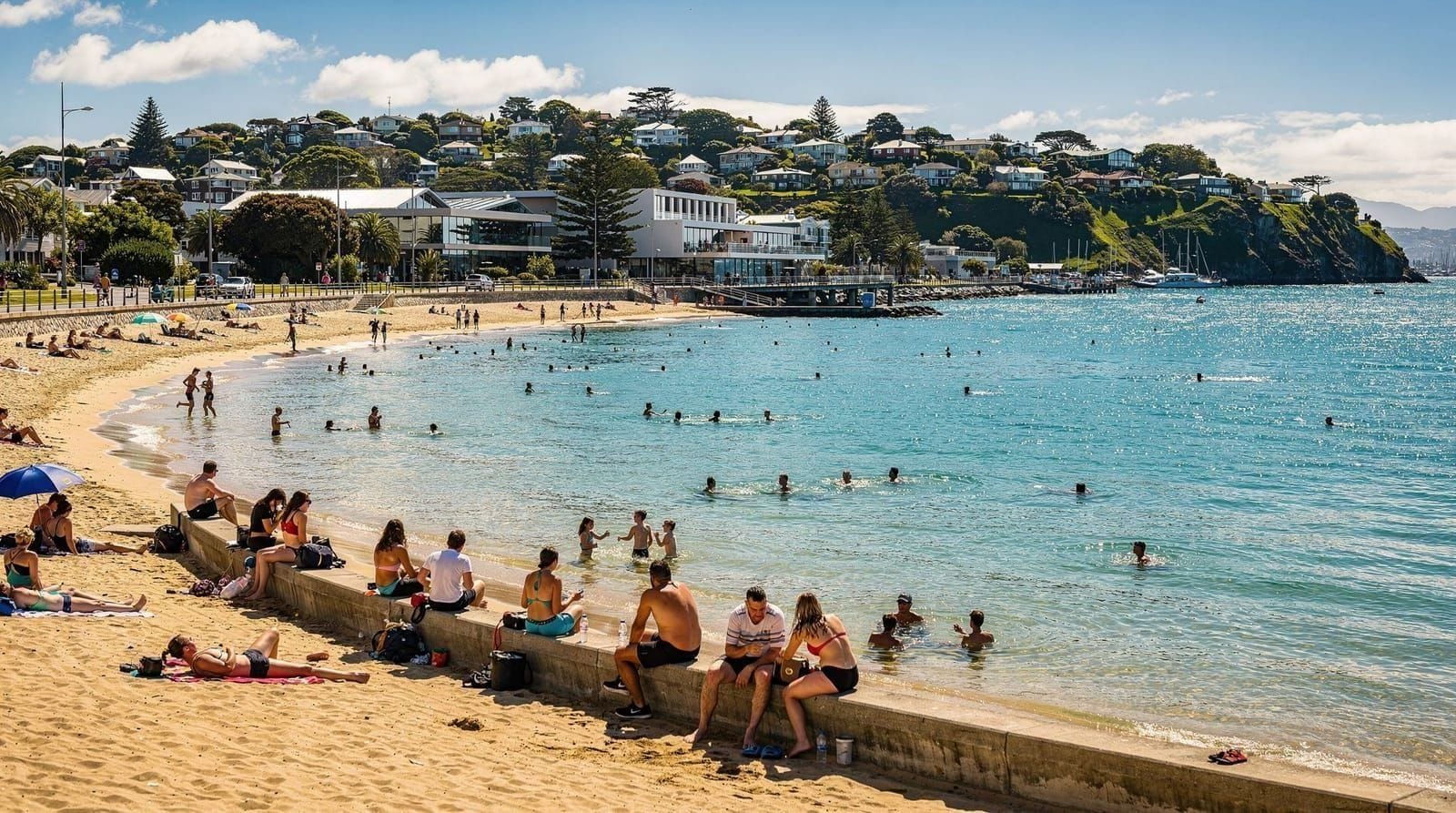
Christmas and New Year in Wellington land in the middle of the southern-hemisphere summer, which throws off a lot of visitors from the northern hemisphere expecting anything close to a traditional cold-weather holiday season, and it’s genuinely worth resetting those expectations before you pack — snow, log fires and short grey days simply aren’t part of a Wellington December. Expect warm, long days (18-25°C, with the season’s longest daylight hours), outdoor dining, and a city in a genuinely festive but distinctly summer mood — think barbecues and harbour swims rather than mulled wine and log fires.
| Weather | Warm, long days, around 18–25°C |
| Cost | Highest of the year — around 30–40% above autumn rates |
| What’s closed | Most shops and attractions on Christmas Day itself |
| Best for | Outdoor activities, harbour, festive summer atmosphere |
| Booking lead time | Weeks ahead for accommodation, ferries and NYE dining |
What’s actually open (and what isn’t)
Christmas Day itself sees most shops, restaurants and attractions closed by law or choice, including Te Papa and most major museums — Weta Workshop is one of the very few attractions that stays open essentially year-round but does close specifically on Christmas Day. New Zealand’s Trading Restrictions Act means most large retailers are legally required to close on Christmas Day and (in most regions) Easter Sunday, a stricter rule than many visitors are used to, so it’s worth planning meals and activities around this rather than assuming you can shop your way through a quiet Christmas Day the way you might elsewhere.
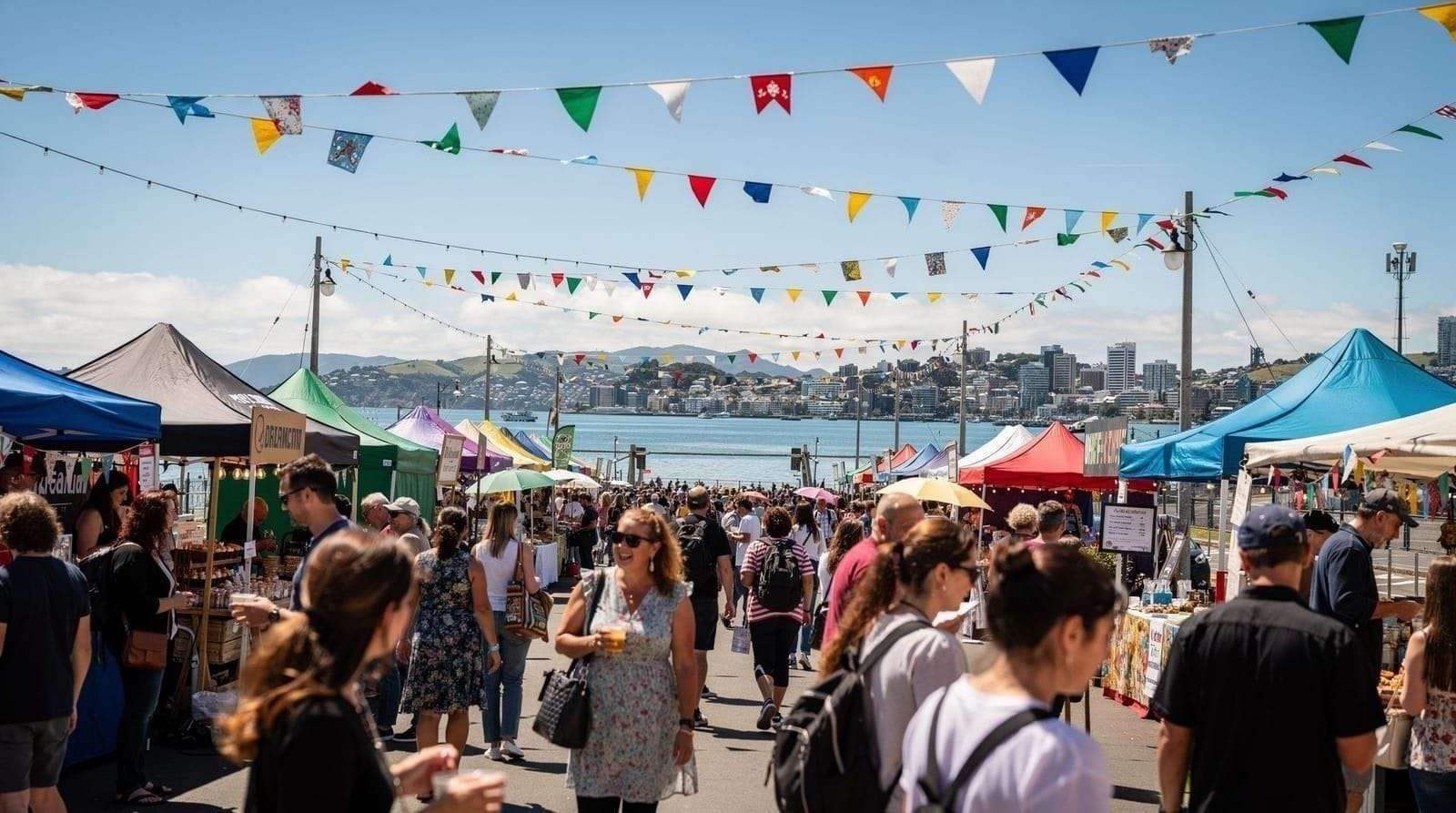
Boxing Day (26 December) sees most retail reopen, often with sales, and the rest of the period between Christmas and New Year runs close to normal, if with reduced staffing at some smaller operators whose owners take the week off — a pattern worth expecting rather than being surprised by if a specific cafe or shop you’re counting on turns out to have a handwritten “back in January” sign on the door. New Year’s Eve itself sees the waterfront and Civic Square area become the natural gathering point for the city’s fireworks and public celebrations, with harbourside bars and restaurants booking out well in advance.
Prices during peak season
This is genuinely the most expensive time of year to visit Wellington — accommodation runs at its highest rates of the year, roughly 30-40% above the March-May autumn sweet spot our best time to visit Wellington guide recommends, and popular restaurants require booking well ahead rather than the more casual walk-in approach that works in quieter months. Rental cars, if you’re planning a Martinborough or wider regional add-on, also see a noticeable price jump over this stretch, driven by the same domestic holiday demand that pushes up accommodation rates across the whole lower North Island, not just within Wellington itself. If cost is a genuine constraint, this is the single worst season to target, and shifting even two or three weeks either side of the school-holiday peak makes a real difference to both price and crowd levels.
What to actually do
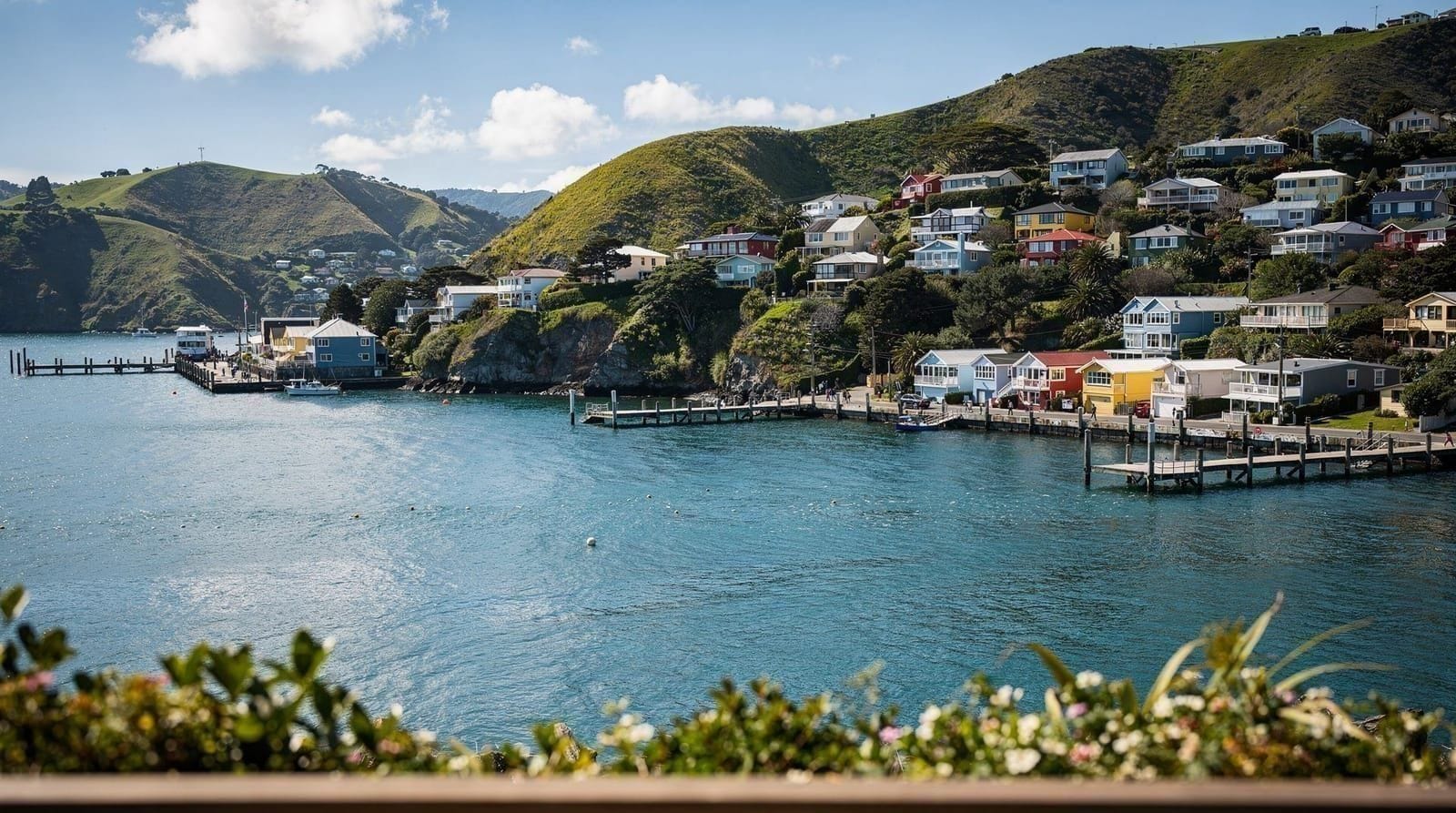
The long daylight hours and warm weather make this the best time of year for exactly the outdoor activities Wellington’s harbour and hills are built for — Oriental Bay’s beachfront gets genuinely busy with locals rather than just tourists, harbour ferry trips to Days Bay make for an easy half-day out, and the Wellington Botanic Garden is at its most lush.
Wellington’s craft-beer and cafe scenes shift outdoors too, with rooftop and courtyard seating coming into its own — our Wellington craft-beer scene, explained piece covers the specific venues that make the most of an outdoor summer setting. If you want a break from the peak-season crowds in the CBD itself, a Martinborough day trip works particularly well in this window — the wine region is quieter over the holiday period than Wellington’s own waterfront, and our wine day-trip logistics from Wellington guide covers the logistics.
Why New Zealanders themselves travel this week
It’s worth understanding one local dynamic that shapes the whole period: late December through mid-January is New Zealand’s own main domestic summer holiday season, when much of the country shuts down for an extended break and many New Zealanders travel within the country themselves — to baches (holiday homes), campgrounds and popular domestic destinations including Wellington’s surrounding regions. This means you’re competing for accommodation and restaurant bookings with local holidaymakers as much as with international visitors, which is part of why the price and availability crunch is sharper here than a simple “peak tourist season” framing would suggest. Many smaller, family-run businesses — some cafes, boutique shops — close for one to three weeks over this exact period as their own owners take the same break, which is different from the retail-closure pattern in many northern-hemisphere cities where Christmas Day itself is the main closure and everything reopens shortly after.
Booking around the holidays
The general rule for this entire period is simple: whatever you’d normally book a few days ahead the rest of the year, book weeks ahead instead. If your trip specifically spans Christmas or New Year, book accommodation and any major tours (particularly the harbour explorer tour , which is a genuinely good way to see the New Year’s Eve fireworks setup from the water if timed right) well in advance — this is the one period of the year where popular Wellington experiences do sell out, unlike the rest of the calendar where same-week booking is usually fine.
Ferry crossings to the South Island also see their heaviest demand of the year around this period, so if a Picton or Marlborough add-on is part of your trip, our Cook Strait ferry tips piece is worth reading before you assume a sailing will have space — both Interislander and Bluebridge sell out specific sailings well ahead of the actual holiday dates, and last-minute rebooking options narrow considerably once the school-holiday period is underway.
New Year’s Eve specifically
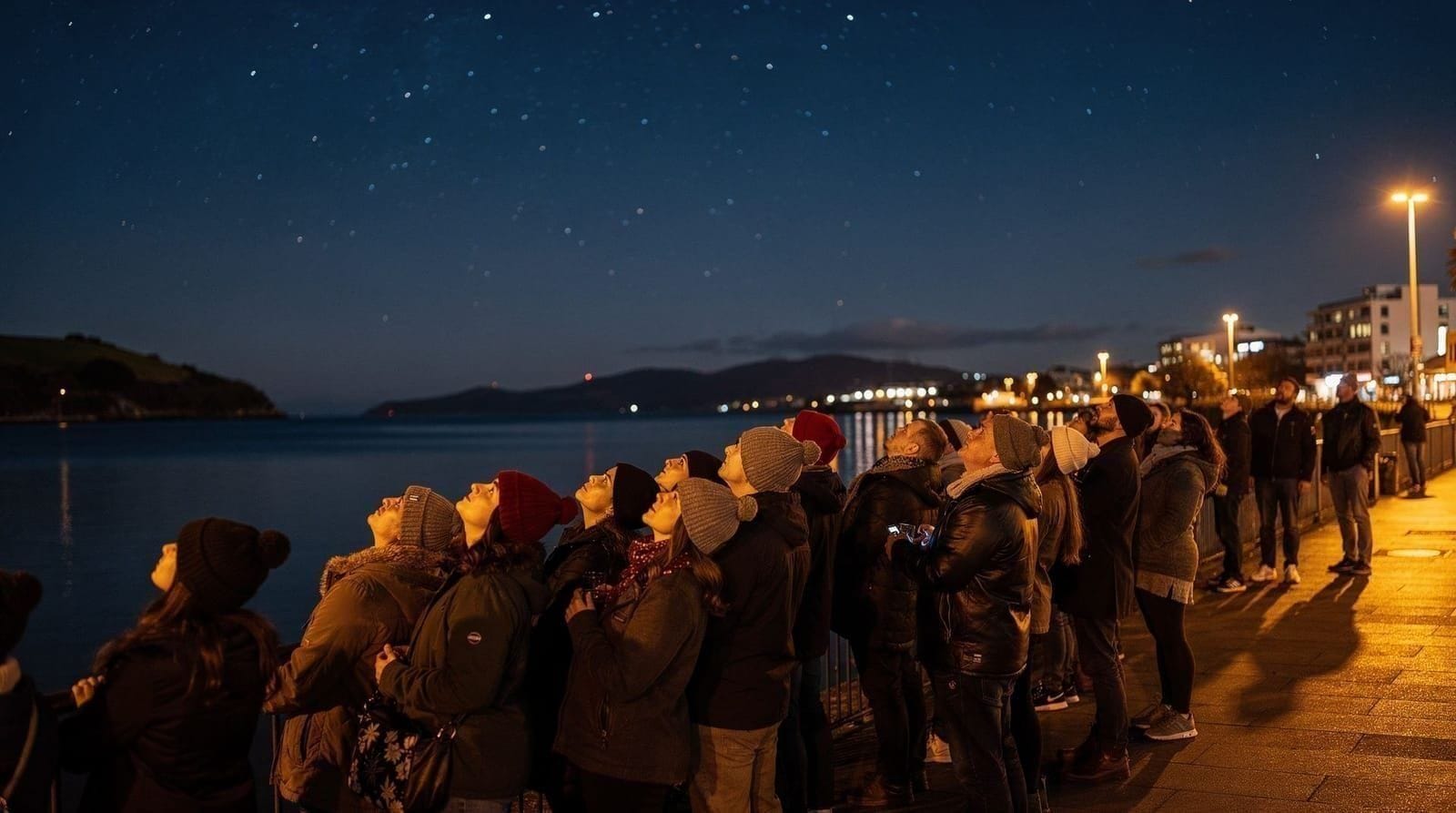
Wellington’s waterfront and Civic Square host the city’s main public New Year’s Eve gathering, typically including a midnight fireworks display over the harbour, drawing large crowds who arrive early to claim a spot with a harbour view, though nothing on the scale of the road closures and ticketed viewing areas larger cities sometimes impose for their own equivalent events. Unlike Sydney’s globally televised fireworks, Wellington’s version is a genuinely local, low-key affair by comparison — worth attending for the atmosphere rather than expecting a spectacle on that scale.
Restaurants along the waterfront and in the CBD typically run fixed-price NYE dinner menus that need booking weeks ahead, and the better-value option for most visitors is simply securing a spot along the waterfront promenade with a picnic rather than paying a premium for a table with a view that’s often no better than the free public vantage points nearby. Arriving at least an hour before midnight is sensible if a clear harbour view of the fireworks matters, since the best free vantage points along the waterfront and around Oriental Bay fill up steadily through the evening rather than only in the final few minutes before midnight.
Travelling with kids over the holidays
Families visiting over this period benefit from the same long daylight hours and generally warm weather that make it a strong pick for outdoor activities — Te Papa’s interactive galleries, the Botanic Garden, and harbour ferry trips to Days Bay all suit family groups well, and school holidays mean local families are out doing the same things, so attractions are noticeably busier with children than during term time. Our Wellington with kids guide covers family-specific logistics if this is your main travel window, and booking ahead for anything requiring a reservation matters even more with kids in tow, since a fully booked restaurant or sold-out attraction is a bigger disruption to a family day than it is for a flexible solo or couple itinerary, and there’s less room to simply improvise an alternative plan once tired, hungry children are part of the equation.
Peak season versus the shoulder alternative
Comparing the numbers side by side makes the trade-off concrete rather than abstract:
| Christmas/New Year | March–May (autumn) | |
|---|---|---|
| Accommodation | Highest of the year | 30–40% cheaper |
| Crowds | Heaviest, local + international | Noticeably quieter |
| Weather | Warm, long days, some wind | Mild, often clearer, less wind |
| Booking lead time | Weeks ahead essential | A few days usually fine |
| Ferry/tour availability | Sells out for specific sailings/dates | Generally flexible |
Beyond the CBD over the holiday period
If the CBD’s peak-season crowds and prices wear thin, day trips out of the city stay genuinely quieter through this window since many locals head further out of town to baches and campgrounds rather than staying close to Wellington itself. A guided cave-to-coast highlights tour covers a fuller slice of the region’s scenery in a single half-day than most visitors manage on their own over a short, price-sensitive trip window, and it’s a reasonable way to make the most of the long daylight hours without adding your own driving into the mix during the busiest traffic period of the year.
Getting around during the peak period
Public transport and roads both see heavier use over the holiday period, with locals travelling for their own summer break adding to visitor traffic on the main routes out of the city. If you’re not renting a car, Wellington’s compact CBD means most central sights stay walkable regardless of season, and our getting around Wellington on Metlink guide covers the public transport basics if you’re relying on it over a period when timetables sometimes run on modified holiday schedules around Christmas Day and New Year’s Day specifically.
Weighing it against the rest of the year
Christmas and New Year in Wellington deliver genuinely excellent weather and a distinctly festive, summer-holiday atmosphere, but at the cost of the year’s highest prices and heaviest crowds — a trade-off worth being honest about rather than assuming peak season is automatically the best time to visit simply because the weather statistics look their best on paper.
Our Wellington in summer guide covers the broader December-February season beyond the holiday peak specifically, and if a quieter, cheaper, culturally distinct alternative appeals more, our Matariki in Wellington piece covers the city’s winter equivalent public holiday six months later. Our full festivals and events calendar rounds up how the holiday period sits alongside the rest of the year’s major dates, which is worth reviewing in full if you have any flexibility at all over your travel dates and want to weigh the trade-offs across the whole calendar rather than in isolation.
Frequently asked questions about Christmas and New Year in Wellington
Is Wellington a good choice for Christmas if I want warm weather?
Yes — Wellington’s Christmas lands in the middle of the southern-hemisphere summer with genuinely warm, long days, though it’s also the city’s most expensive and crowded stretch of the year, so weigh that trade-off against the guaranteed good weather.
How far ahead should I book if my trip covers New Year’s Eve?
Book accommodation, any major tours and NYE dinner reservations several weeks ahead at minimum — this is the one period of the year where popular Wellington experiences and restaurants genuinely sell out, unlike most of the calendar where a few days’ notice is usually enough.