Wellington harbour kayaking
Kapiti Island: Sea Kayak and Hike Marine Reserve Tour
Can you kayak on Wellington harbour?
Yes — the sheltered waters around Oriental Bay and Evans Bay suit casual paddlers reasonably well on calm days, with hire available from waterfront operators. Wellington's wind is the deciding factor: check the forecast before committing, since a harbour that looks calm at 9am can turn genuinely choppy by early afternoon.
A sheltered paddle close to the CBD
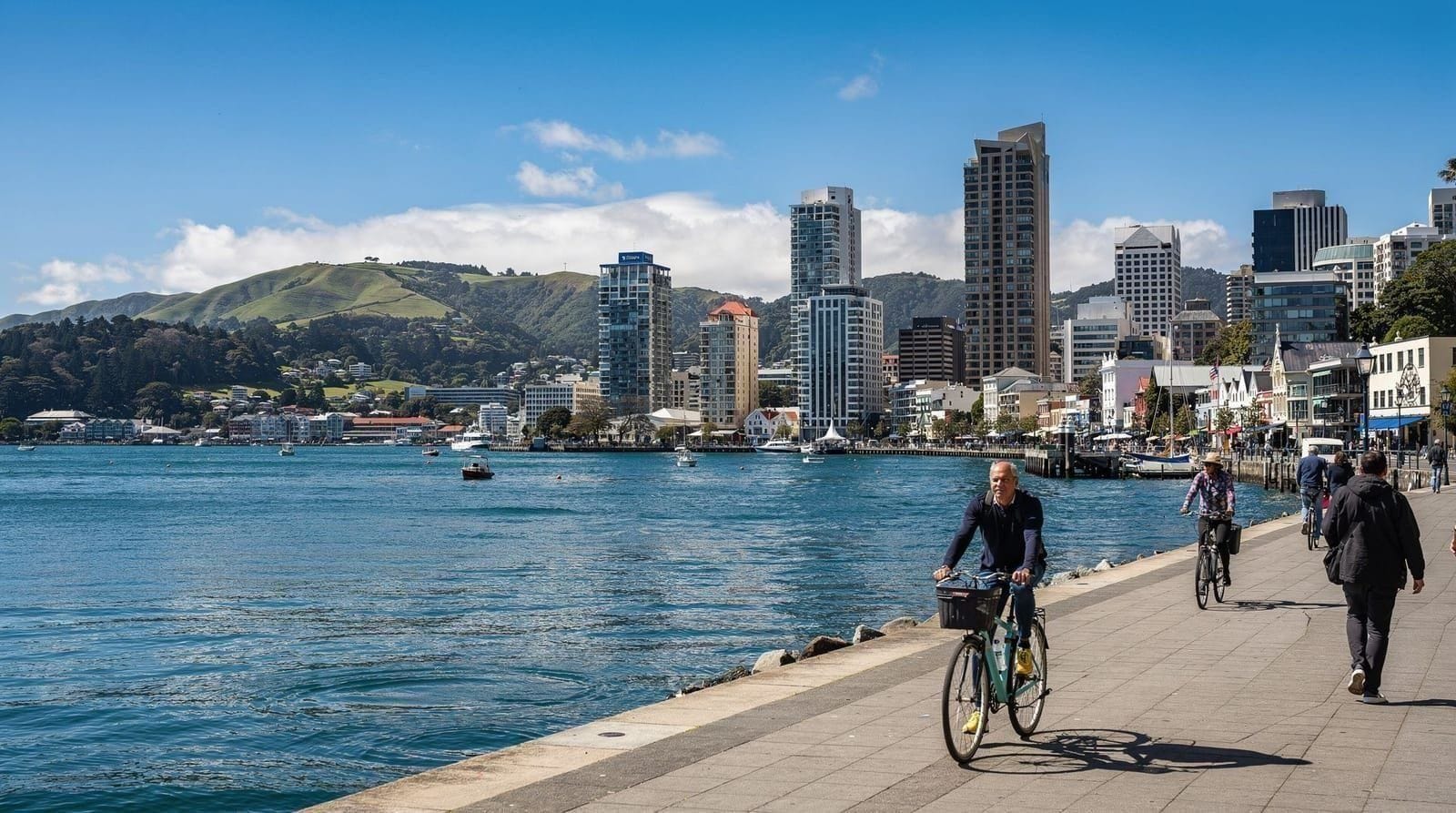
Wellington’s waterfront curves around a genuinely large natural harbour, and on a calm day, the sheltered water around Oriental Bay and Evans Bay makes for a pleasant, low-commitment kayak — nothing like the open-water adventure of a coastal tour, but a straightforward way to see the city from the water without booking a guided excursion or driving out of town. Seasonal hire operators set up along Oriental Bay’s beach front through summer and the shoulder seasons, renting single and double kayaks by the hour to anyone comfortable with basic paddling instruction.
| Where | Oriental Bay (main launch) or Evans Bay |
| Cost | Hourly hire, roughly NZ$25–40 per single kayak |
| Time needed | 1–2 hours for a harbour paddle; half-day+ for Kāpiti Island |
| Best time | Mornings, before afternoon wind builds |
| Season | Roughly October–April; reduced hire June–August |
Where to launch
Oriental Bay is the obvious starting point — a short walk from the CBD, sheltered by the surrounding hills and the harbour’s shape, and the most consistently used hire location. Evans Bay, a little further round toward the airport, offers a similarly sheltered stretch of water and is sometimes used by clubs and occasional hire operators, though it’s less central and requires transport to reach.
Neither location requires any booking beyond turning up during operating hours and checking hire availability, though on genuinely calm, sunny weekends demand can outstrip the number of kayaks on hand, so arriving earlier in the day improves your odds.
The deciding factor: wind, not water
Wellington’s reputation as the world’s windiest capital matters more for kayaking than almost any other activity on this list. The harbour itself is relatively sheltered compared with open coastline, but conditions shift fast — a genuinely calm morning can turn into a stiff, tiring paddle back to shore by early afternoon once the day’s typical nor’wester or southerly picks up. Checking a same-day wind forecast rather than a general weather app, and erring toward morning sessions, is the practical local approach rather than an overcautious one.
A gentler alternative to open-water touring
Casual harbour kayaking is a genuinely different experience from a guided open-water tour, and it’s worth being honest about that distinction rather than overselling a rental kayak session as an adventure sport outing. It’s a pleasant hour or two on the water with harbour views back toward the CBD and Mount Victoria, suited to visitors wanting a low-key activity between other Wellington plans rather than a dedicated paddling expedition.
The real adventure: Kāpiti Island
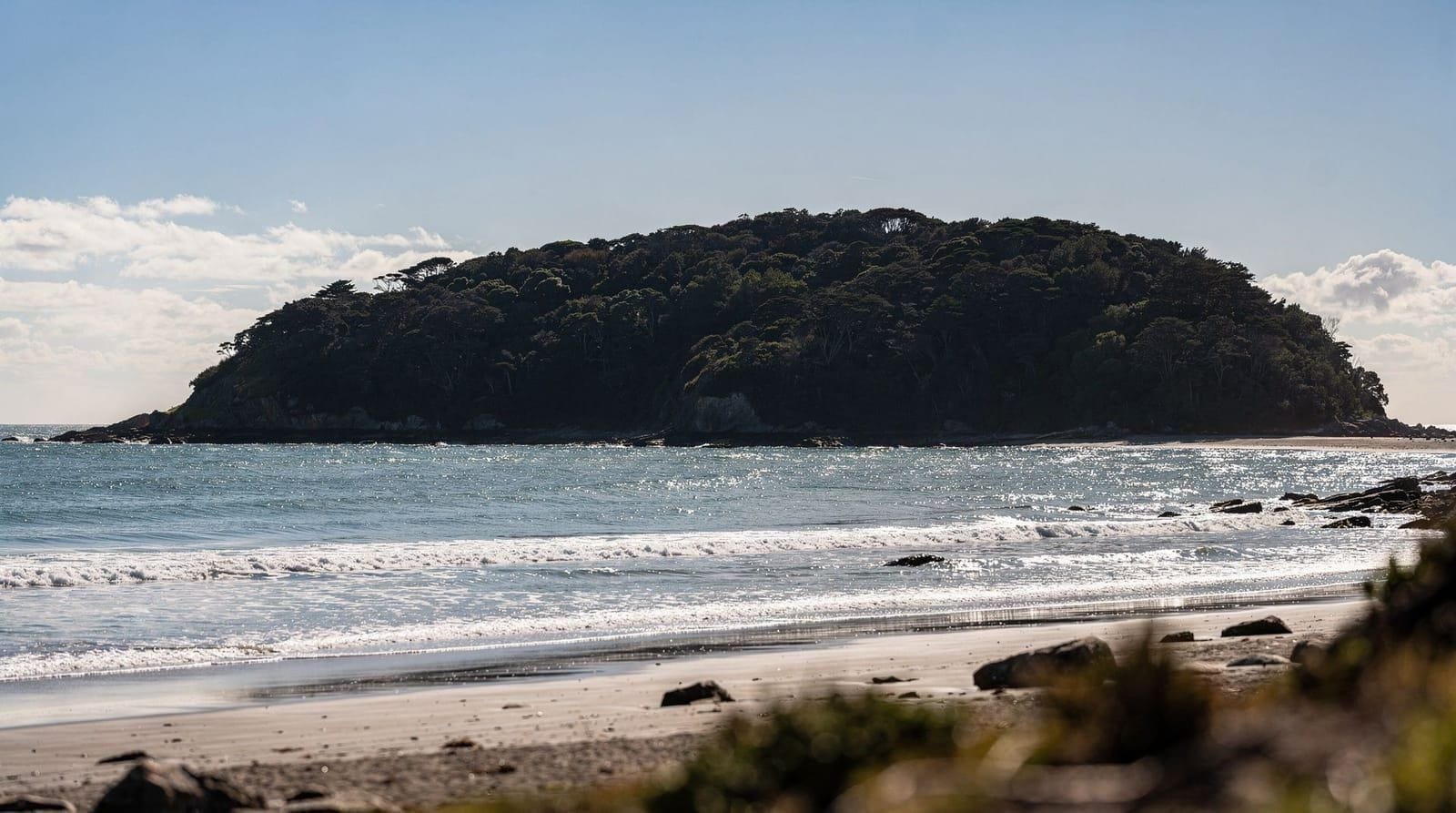
For paddlers wanting a genuine guided sea-kayak adventure, the Kāpiti Island sea kayak and hike marine reserve tour is the region’s standout option — a half-day guided trip combining coastal paddling around the protected marine reserve off Kāpiti Island with a guided walk on the island itself, home to some of New Zealand’s rarest native birds in a predator-free sanctuary environment. It’s a considerably more involved outing than a Wellington harbour rental, both in distance covered and the marine and bird life on offer, and no prior kayaking experience is required since guides lead the route and handle safety briefings throughout.
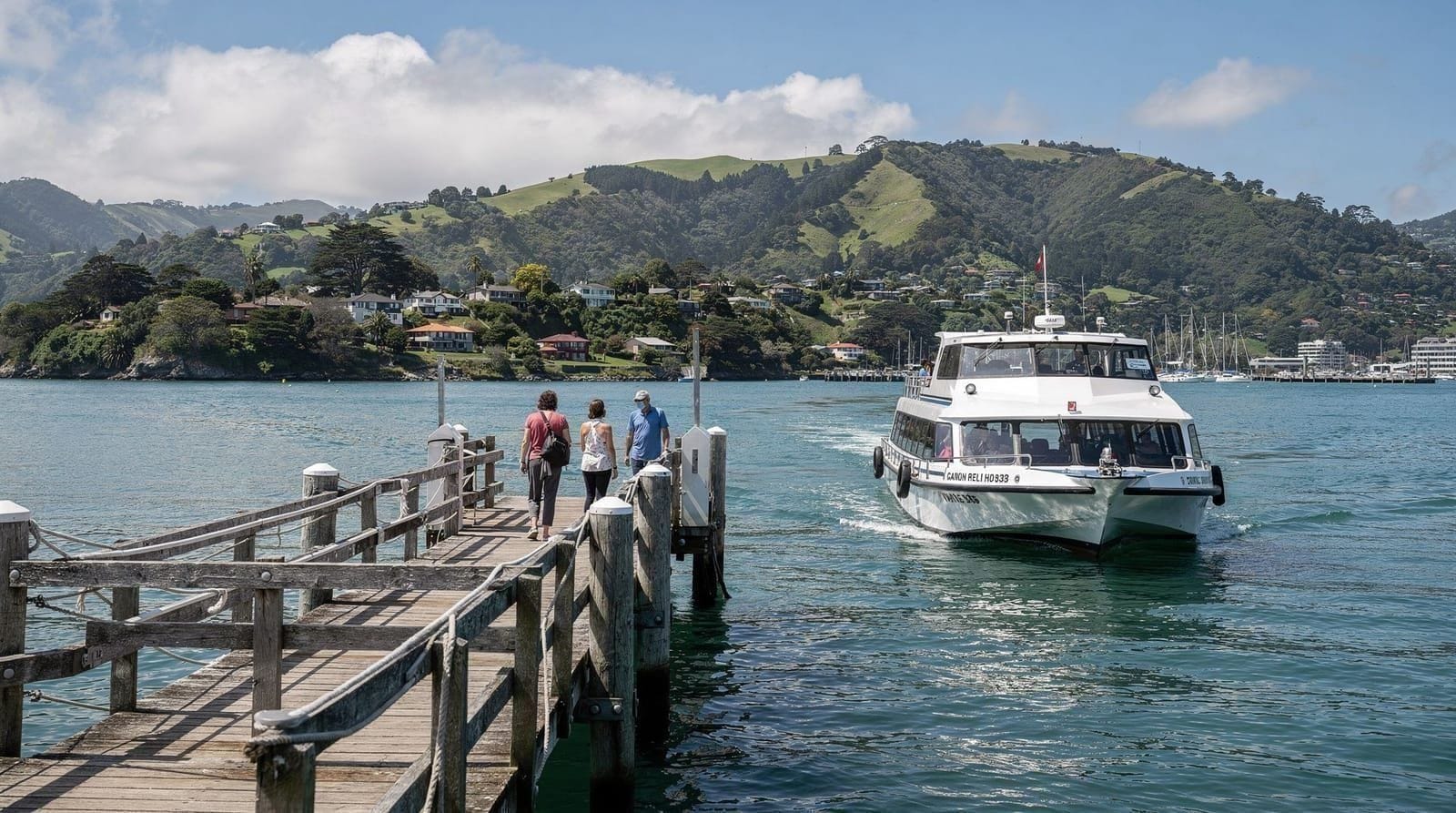
Getting to Kāpiti requires reaching the coast north of Wellington, roughly 45-50 minutes’ drive, before the boat and kayak component of the tour begins — worth planning as a half-day-plus outing rather than a quick add-on to a Wellington city day.
Wildlife on the water
Wellington harbour itself occasionally sees dolphins, particularly in calmer months, though sightings are opportunistic rather than something to plan a kayak session around. The Kāpiti Island marine reserve, by contrast, has a considerably richer marine environment — reef fish, seabirds and, seasonally, better odds of dolphin or seal encounters — a meaningful part of why the guided tour there delivers a fundamentally different experience from a casual Wellington harbour paddle.
What to bring
For a Wellington harbour rental, swimwear or quick-dry clothing, a hat and sunscreen (even on overcast days, Wellington’s UV index runs higher than many visitors expect), and a dry bag for phones or cameras if the hire operator doesn’t provide one. For the Kāpiti Island tour, the operator typically supplies wetsuits or splash jackets and all kayaking equipment, though a warm layer for the boat transfer and the island walk itself is worth packing regardless of season.
Combining with other waterfront activities
A kayak session pairs naturally with the rest of a Wellington waterfront walk — paddle in the morning while conditions are calmer, then walk the promenade toward Te Papa or Oriental Bay’s cafés once you’re back on dry land. For visitors basing a day around Oriental Bay itself, a kayak hire slots easily alongside a beach afternoon without needing to travel elsewhere.
Safety basics
Life jackets are standard with any harbour hire, and reputable operators won’t rent out kayaks if wind or swell conditions look genuinely unsafe on the day — trust that call rather than pushing to get on the water regardless. For solo or inexperienced paddlers, staying within sight of the launch beach rather than heading out toward open harbour water is the sensible default, since rescue response times, while generally good, are still meaningfully longer than simply paddling back to shore yourself.
Seasonal availability
Hire operators typically run through the warmer months — roughly October through April — with reduced or no availability over the coldest winter weeks (June-August) when both demand and comfortable conditions drop off. If visiting in winter and keen to paddle regardless, checking ahead with operators directly is more reliable than assuming a hire stand will be open on the day.
Is it worth doing?
A casual Oriental Bay kayak session is a pleasant, inexpensive way to spend an hour on a calm Wellington day, but it’s genuinely a low-key activity rather than a bucket-list adventure — go in with that expectation and it delivers exactly what it promises. For travelers wanting a proper guided paddling adventure with real wildlife payoff, the half-day trip out to Kāpiti Island is the better use of a dedicated adventure day, even with the additional drive and cost involved.
Choosing between a single and a double kayak
Hire operators at Oriental Bay typically stock both single and double (tandem) kayaks, and for couples or a parent-child pair, a double is generally the more forgiving choice — it’s more stable in choppy conditions and lets a stronger paddler compensate if their partner tires, which matters more here than at a fully sheltered inland lake given the harbour’s exposure to wind. Solo paddlers comfortable with their own technique will get more manoeuvrability from a single kayak, but should be honestly realistic about their paddling fitness before committing to a longer session alone.
What a typical hire session actually involves
Most hire operators run a brief safety and technique briefing before handing over equipment, covering basic paddling strokes, what to do if you capsize (rare in the sheltered bays, but not impossible), and the boundaries of the area they’re comfortable with you paddling in. Sessions are typically booked by the hour, with an option to extend if conditions remain favourable and kayaks are available — arriving with a rough sense of how long you want to be on the water helps the operator plan around other bookings on a busy day.
The Kāpiti Island tour: a fuller day than it first appears
It’s worth setting expectations clearly for the Kāpiti Island sea-kayak tour: this isn’t a quick add-on to a Wellington day, but a genuine half-day-plus commitment once the drive to the coast, the boat transfer, the kayaking itself, and the guided island walk are all factored in. Visitors sometimes underestimate this, assuming “kayak tour” implies a shorter outing than it actually is — treating it as its own dedicated day, rather than squeezing it in alongside other Wellington plans, leads to a considerably less rushed and more enjoyable experience.
Alternative paddling spots worth knowing about
Beyond Oriental Bay and Evans Bay, some visitors with their own kayak or a car-top rack explore quieter stretches of the harbour further round toward Seatoun or the eastern bays, though these areas lack consistent hire infrastructure and are better suited to independent paddlers who already know what they’re doing rather than a casual first-timer’s session. For most visitors without their own equipment, Oriental Bay remains the simplest, most reliable starting point given its combination of hire availability, shelter and central location.
The harbour’s own maritime history
Wellington harbour has served as the country’s key North Island port since the earliest days of European settlement, and evidence of that maritime history remains visible from the water even on a casual kayak paddle — old wharf structures, the container port’s cranes along the eastern shore, and the general shape of a harbour that was deliberately settled around because of its natural deep-water anchorage. Paddling gives a genuinely different vantage point on this working harbour history than viewing it from the waterfront promenade, worth a moment’s appreciation between paddle strokes rather than treating the kayak session purely as exercise or scenery.
Combining a paddle with a swim
On genuinely warm, calm summer days, some paddlers combine a kayak session with a swim stop at one of Oriental Bay’s swimming areas, paddling out a short distance before anchoring or beaching the kayak temporarily for a dip. Wellington’s harbour water is noticeably cooler than many visitors expect even in summer, given the exposure to the wider Cook Strait’s cold-water influence, so this suits confident swimmers comfortable with cooler conditions rather than visitors expecting tropical-style warm-water swimming.
Other ways to see the harbour if kayaking isn’t for you
If paddling isn’t your thing, Wellington’s harbour is just as easily appreciated on foot along the waterfront walk, from a helicopter for a genuinely different aerial perspective on our helicopter and scenic flights guide, or from the water via a guided commentary tour. None require the wind-dependent planning a kayak session does, which makes them a more reliable fallback if the forecast turns against you on the day.
Combining with a wider harbour day
A kayak session works well as one component of a longer harbour-focused day rather than the whole plan — pair a morning paddle with an afternoon at Oriental Bay itself, or extend into the wider days trip to Eastbourne across the harbour if you have transport sorted. Our best day trips from Wellington guide covers how a harbour morning fits alongside other regional options if you’re building a longer itinerary.
Frequently asked questions about Wellington harbour kayaking
Where can you rent a kayak in Wellington?
Oriental Bay is the most common spot, with seasonal hire operators renting single and double kayaks by the hour along the beach front during summer and shoulder-season months. Evans Bay, further round the harbour, is another sheltered option with occasional hire availability.Is Wellington harbour safe for beginner kayakers?
On a calm morning, the sheltered bays are genuinely approachable for beginners with basic paddling instruction from the hire operator. The risk isn't the water itself so much as Wellington's wind, which can build quickly and turn a comfortable paddle into a genuine struggle back to shore — always check the forecast and stay close to shore if you're inexperienced.What's the best time of day to kayak in Wellington?
Mornings are typically calmer before the day's characteristic nor'wester or southerly builds through the afternoon. Checking a same-day wind forecast rather than relying on a general weather app is the more reliable approach here.How does Wellington harbour kayaking compare to Kāpiti Island?
Wellington harbour kayaking is a casual, self-directed paddle in sheltered bays close to the CBD, while the Kāpiti Island sea-kayak tour is a guided, half-day trip in open coastal water around a protected nature reserve, with considerably more marine wildlife on offer. They suit different appetites — casual versus a dedicated adventure outing.Do you need experience to kayak at Kāpiti Island?
No prior kayaking experience is required for the guided sea-kayak and hike tour, since guides handle route selection and safety briefing, but reasonable fitness helps given the paddling distance and the accompanying island walk.Do I need to book a Wellington harbour kayak in advance?
No — Oriental Bay hire operators generally run on a walk-up basis during operating hours, though arriving earlier on a calm, sunny weekend improves your odds since demand can outstrip available kayaks. The Kāpiti Island tour, by contrast, should be booked ahead given limited group sizes.