Kāpiti Island booking guide
Kāpiti Island isn’t a walk-up destination — book well ahead
Unlike most of Wellington’s attractions, Kāpiti Island genuinely requires advance booking rather than a same-day decision — it’s a protected nature reserve with a Department of Conservation permit system, limited daily visitor numbers, and boat access that depends on weather and tide conditions. This guide covers the actual booking mechanics rather than just describing the island itself, since booking mistakes are the most common way visitors miss out entirely.
| Access | Licensed operators only, no independent booking |
| Getting to Paraparaumu | ~45-50 min by Metlink train or car from Wellington |
| Book ahead | Weeks for off-peak, a month+ for summer/school holidays |
| Weather risk | Boat crossings can be cancelled or rescheduled |
| See also | Kāpiti Island destination page |
Day trip vs overnight lodge stay
| Day trip | Overnight lodge | |
|---|---|---|
| Access point | Southern end, near DOC facilities | Northern end |
| Wildlife | Daytime birds (takahē, weka, forest birds) | Dawn/dusk viewing, kiwi more likely |
| Cost/booking lead time | Moderate, weeks ahead | Higher, book well ahead — limited capacity |
| Best for | Most first-time visitors | Dedicated wildlife-focused visitors |
Why it’s permit-controlled in the first place
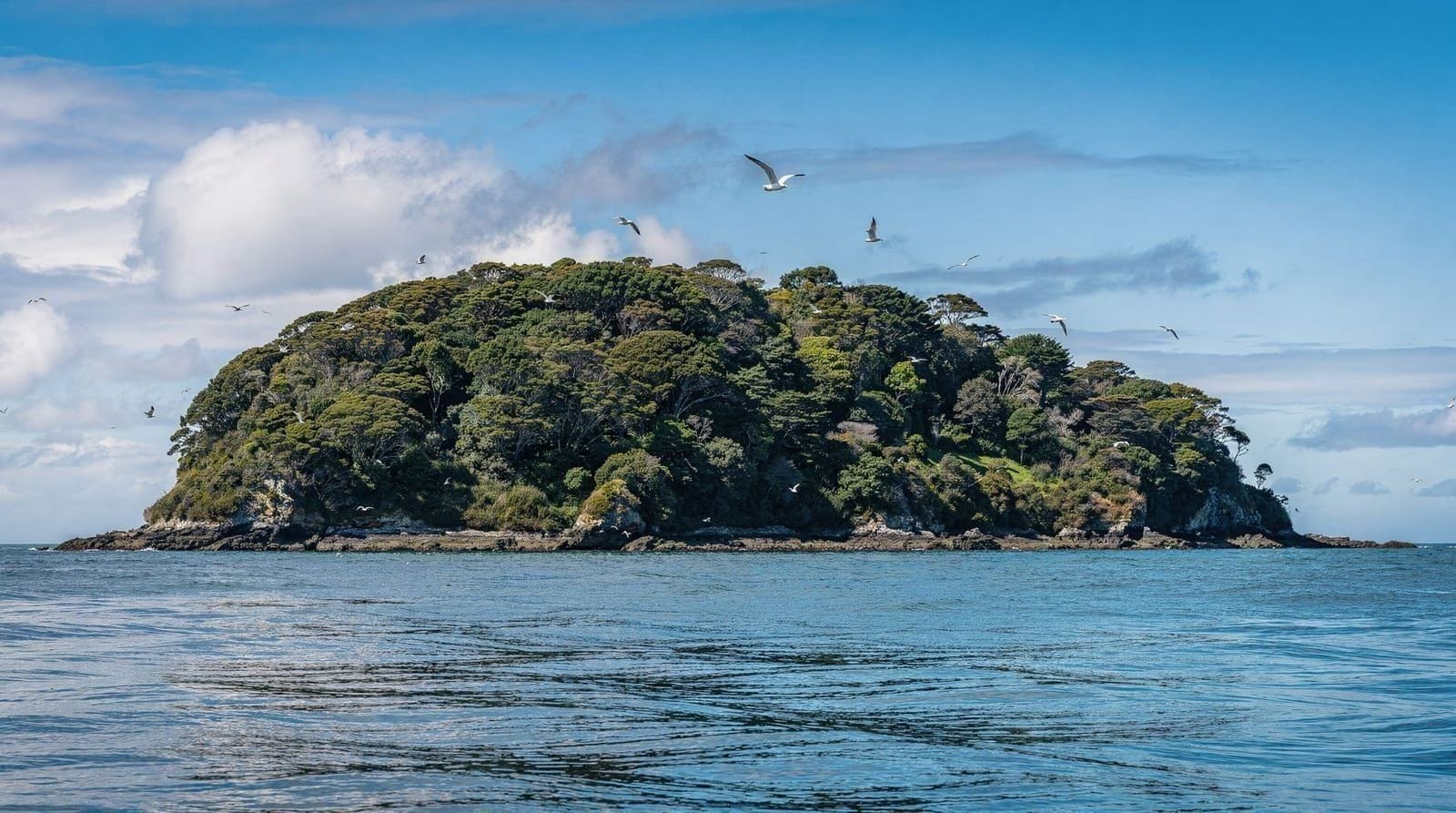
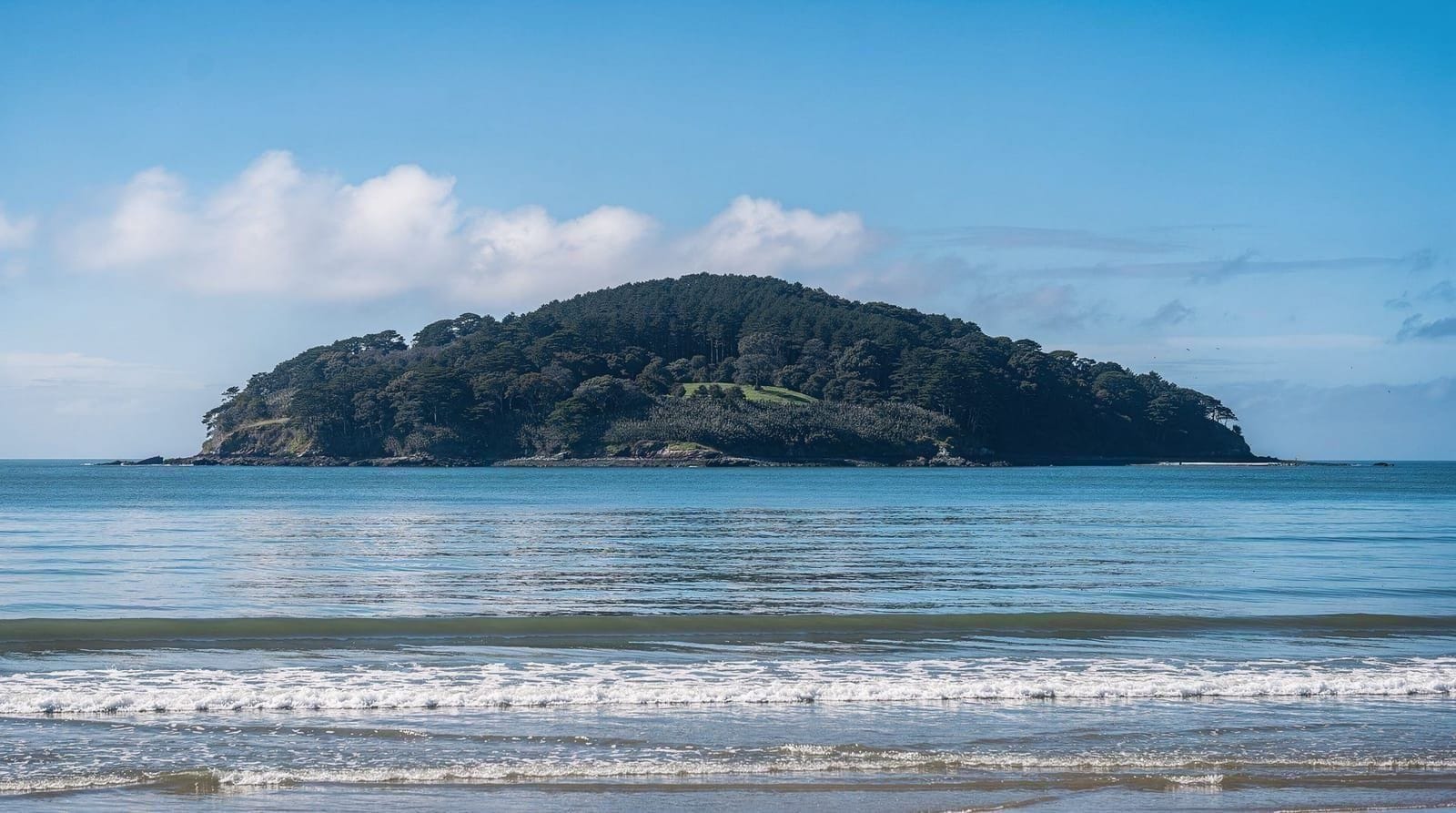
Kāpiti Island is a predator-free nature reserve, home to species including little spotted kiwi, takahē and a range of native birds that don’t survive on the mainland due to introduced predators. That conservation status is precisely why visitor numbers are capped and access is only possible through licensed operators rather than independent boat trips — the restriction protects the island’s wildlife, and it’s worth understanding this rather than treating the booking requirement as mere bureaucracy.
How booking actually works
Almost all visitor access to Kāpiti Island runs through a small number of licensed tour operators who hold DOC permits and manage the boat crossing from Paraparaumu, generally 45-50 minutes from central Wellington by train or car. You book directly through the operator rather than through DOC itself, and the operator handles both the permit and the boat transfer as part of a single package — there’s no way to visit independently without going through one of these licensed providers.
How far ahead to book
Book at least a few weeks ahead if your travel dates are flexible, and considerably further ahead — a month or more — during peak season (summer, and school holidays generally). Daily visitor numbers are genuinely capped, and popular sailing days sell out, particularly on weekends and during the recommended autumn (March-May) travel window when Wellington’s own weather is at its best and Kāpiti day trips are correspondingly popular.
What can cancel or delay a trip
Boat crossings to Kāpiti Island are weather-dependent, and rough sea conditions occasionally force a cancellation or reschedule with limited notice — operators generally contact you directly if this happens rather than leaving you to discover it on arrival. Given this real risk, avoid booking a Kāpiti Island day trip on your last full day before a flight home, since a weather cancellation with no buffer day could mean missing the visit entirely.
Cost and what’s included
A guided day tour package typically bundles the boat transfer, the DOC permit and a guided walk on the island, and running roughly a full day once you account for the trip out to Paraparaumu and back. This classic guided day tour from Wellington includes transport from the city itself, useful if you don’t want to separately organise the train or drive to Paraparaumu. This nature reserve day trip is a comparable alternative worth checking if the first option’s exact timing doesn’t suit your schedule.
Getting to Paraparaumu if arranging it yourself
If you’d rather manage the Paraparaumu leg independently and just book the island crossing and permit through the operator, Metlink trains run regularly from Wellington to Paraparaumu in about 45-50 minutes, and the boat departure point is a short taxi or walk from the station — our getting around Wellington on Metlink guide has fares and timetables if you haven’t used the network before. Confirm your exact departure point and time directly with your chosen operator rather than assuming a single standard schedule, since timings shift with tides and season.
What to actually bring
Sturdy, closed walking shoes for the island’s tracks, a rain layer regardless of the day’s forecast, and cash or a card for any optional extras are all worth having — food and drink options on the island itself are limited, so bring what you need for the day rather than expecting to buy lunch there. Sunscreen and a hat matter more than you might expect given how exposed parts of the island’s walking tracks are.
Combining Kāpiti Island with the rest of the Kāpiti Coast
If you’re making the trip out to Paraparaumu regardless, it’s worth allowing time either before or after your island crossing to see more of the Kāpiti Coast itself rather than treating the day purely as an island-and-back trip. Our Kāpiti Island nature reserve guide covers what to expect once you’re actually on the island, our Kāpiti Island day trip guide covers the logistics of the day as a whole, and the Kāpiti Island day tour review covers how the main operator packages compare against each other in more depth than this booking guide alone.
Comparing Kāpiti Island to Zealandia for wildlife viewing
If your booking window is tight and Kāpiti Island’s weeks-ahead lead time doesn’t fit your trip, Zealandia within the city itself offers a comparable native-wildlife experience with far more flexible, near-walk-up booking — a reasonable fallback rather than skipping a nature reserve visit entirely. Families specifically weighing the two should see our Kāpiti and Zealandia with kids guide, which compares both directly for a family itinerary.
What first-time visitors get wrong
The most common mistake is assuming Kāpiti Island works like a normal walk-up attraction and leaving the booking to the last few days of a trip — by the time many visitors think to book, their preferred dates are already full, particularly in peak season. A close second is under-allowing time: between the Wellington-to-Paraparaumu leg, the boat crossing, and the guided walk itself, a Kāpiti Island visit is realistically a full-day commitment rather than a quick half-day add-on. Our nature and wildlife, 4 days itinerary builds a Kāpiti Island day trip into a wider wildlife-focused Wellington visit if you want it as one part of a longer stay rather than a single isolated day.
Overnight stays on the island
A small number of operators offer overnight stays on Kāpiti Island itself, generally at a lodge on the northern end, which allows for dawn and dusk wildlife viewing when nocturnal species like the little spotted kiwi are most active. This is a considerably more involved and expensive booking than a standard day trip, and it books out well ahead given genuinely limited capacity — worth considering only if wildlife viewing, rather than a general day out, is the specific priority for your visit.
Choosing between the northern and southern access points
Most day tours access the island’s southern end near the DOC visitor facilities, which suits general wildlife viewing and shorter guided walks well; access to the northern end, where overnight lodge stays are based, is more limited and generally reserved for those specific overnight bookings. Confirm with your chosen operator which part of the island their day tour actually visits, since the experience differs meaningfully between the two.
What wildlife you can realistically expect to see
Kāpiti Island is one of the more reliable places in New Zealand to see and hear a range of native birds during a daytime visit, including takahē, weka and a variety of forest birds, though the little spotted kiwi itself is nocturnal and rarely seen on a standard daytime tour. Manage expectations accordingly — a guide’s knowledge of bird calls and habitat often matters more to a satisfying visit than luck alone.
Physical fitness and accessibility
The island’s walking tracks range from short, flat routes near the landing point to steeper trails further inland, and most guided day tours are built around a track level suited to reasonably fit adults rather than requiring serious hiking fitness. If mobility is a concern, ask your chosen operator directly about track options before booking, since accessibility varies between the different guided walk lengths on offer.
Combining a booking confirmation with travel insurance
Given the genuine weather-cancellation risk, it’s worth checking whether your travel insurance policy covers non-refundable activity bookings disrupted by weather, particularly if you’ve paid for a premium overnight lodge stay rather than a standard day tour. Confirming this before you book, rather than after a cancellation, avoids an unwelcome surprise on top of a missed island visit.
What a typical booking confirmation includes
Once booked, expect a confirmation covering your exact meeting point and time in Paraparaumu, what to bring, and the operator’s cancellation and weather policy — read this document rather than filing it away unread, since it typically contains operator-specific details (like exact tide-dependent departure windows) that a general guide like this one can’t cover for every operator.
Frequently asked questions about booking Kāpiti Island
How far in advance should I book a Kāpiti Island day trip?
At least a few weeks ahead for off-peak dates, and a month or more ahead for summer weekends or school holidays, given genuinely capped daily visitor numbers.
What happens if my Kāpiti Island trip is cancelled for weather?
Operators generally contact you directly to reschedule or refund; because of this real risk, avoid booking the trip for your last full day in New Zealand if you can help it.
Can I visit Kāpiti Island without a guide?
No — all visitor access runs through licensed operators holding a DOC permit; there’s no independent or self-guided way to reach the island.
Is Kāpiti Island worth booking if I’m also planning a Zealandia visit?
Yes, they’re complementary rather than redundant — Kāpiti Island offers a genuine offshore reserve experience with species like takahē, while Zealandia is easier to book last-minute; see our Kāpiti and Zealandia with kids guide for how families typically split the two.
The bottom line
Kāpiti Island is one of the more rewarding nature experiences within easy reach of Wellington, but only if you treat the booking process with the seriousness it requires — book weeks ahead rather than days, avoid scheduling it on your last available day given the weather-cancellation risk, and confirm your Paraparaumu transport plan before the day itself. Get those three things right and the actual visit is straightforward from there.