Kāpiti Island day tour review: real price, wildlife, and honest logistics
From Wellington: Kapiti Island Classic Guided Day Tour
What the Kāpiti Island day tour actually is
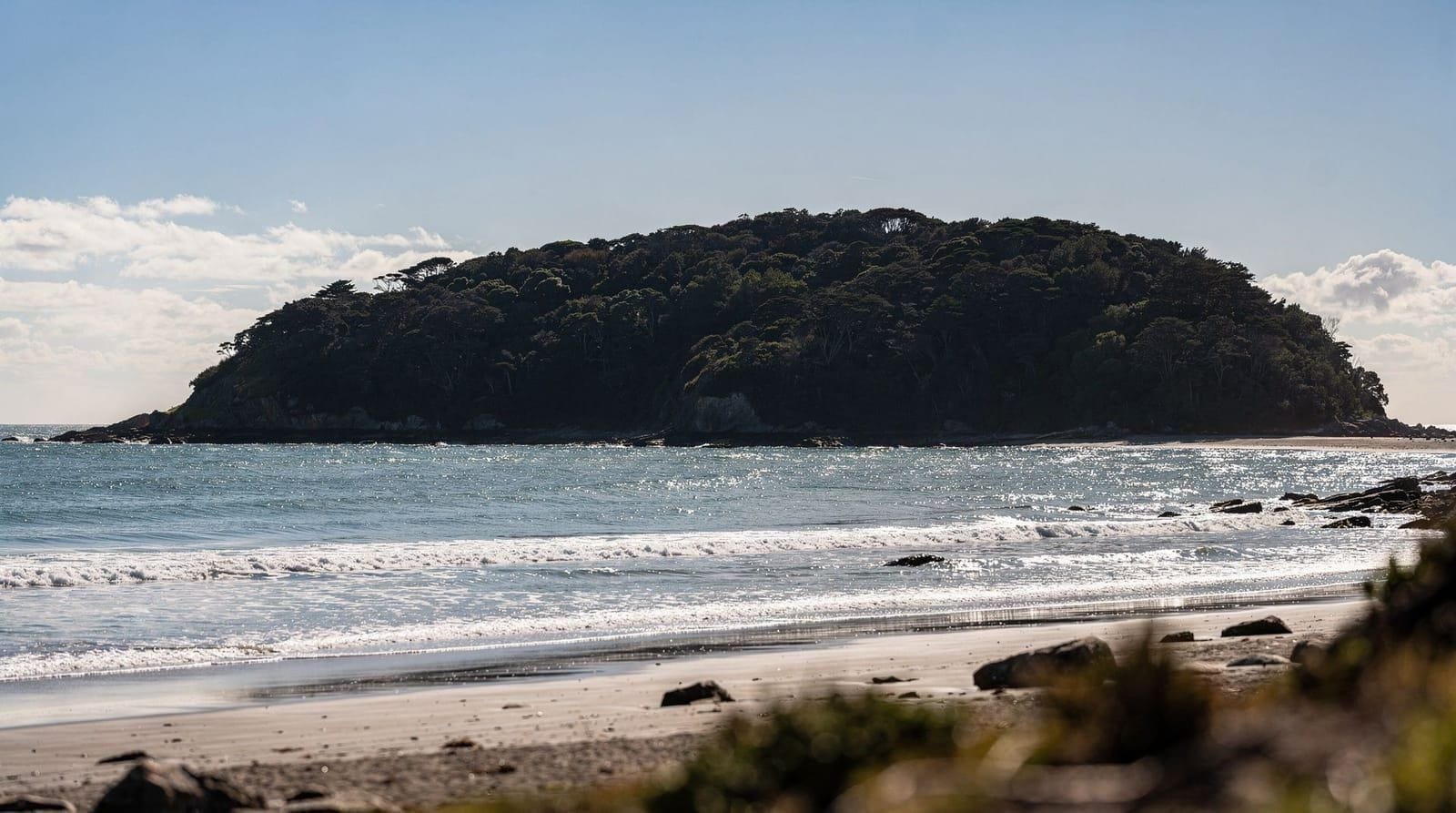
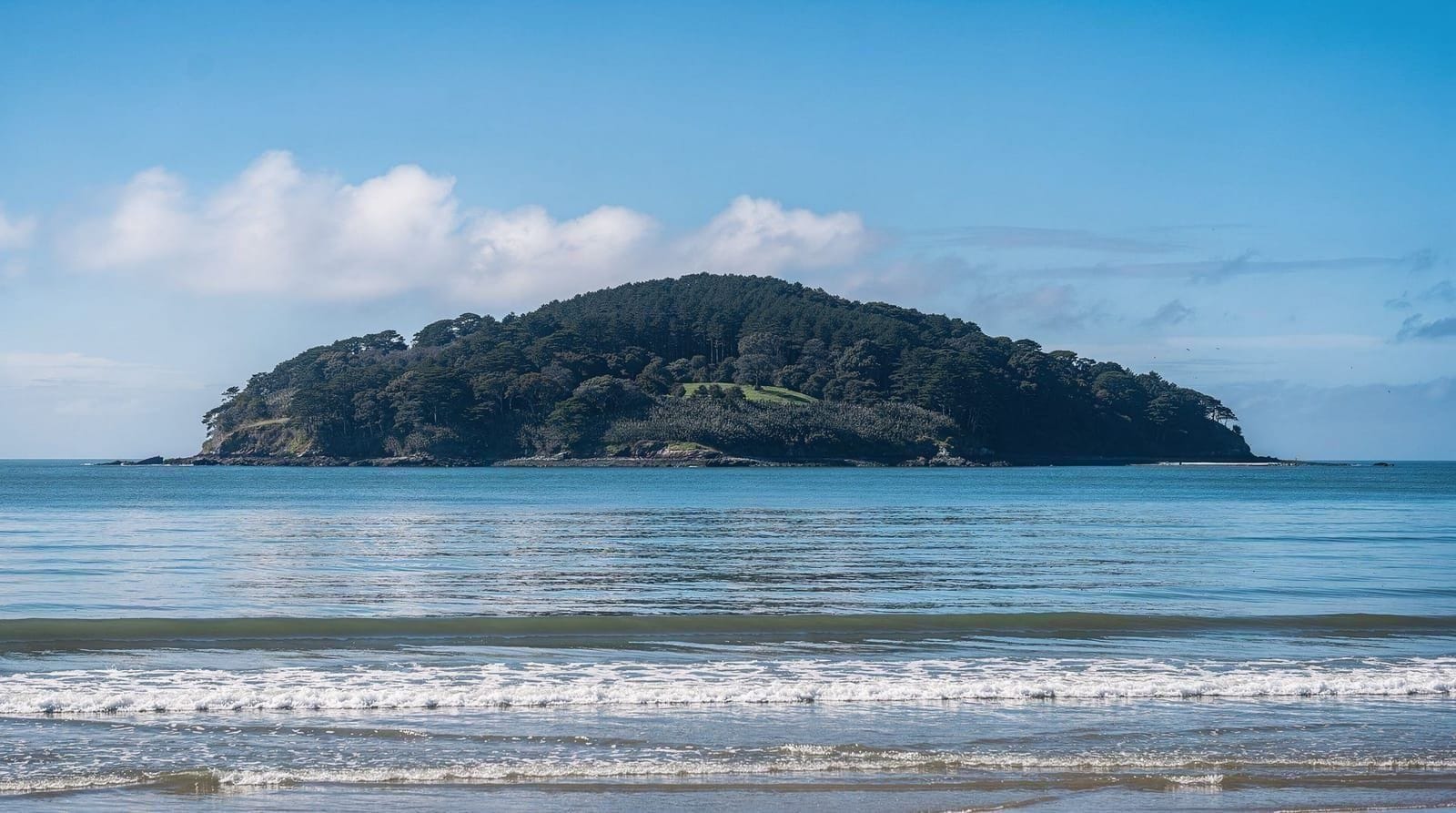
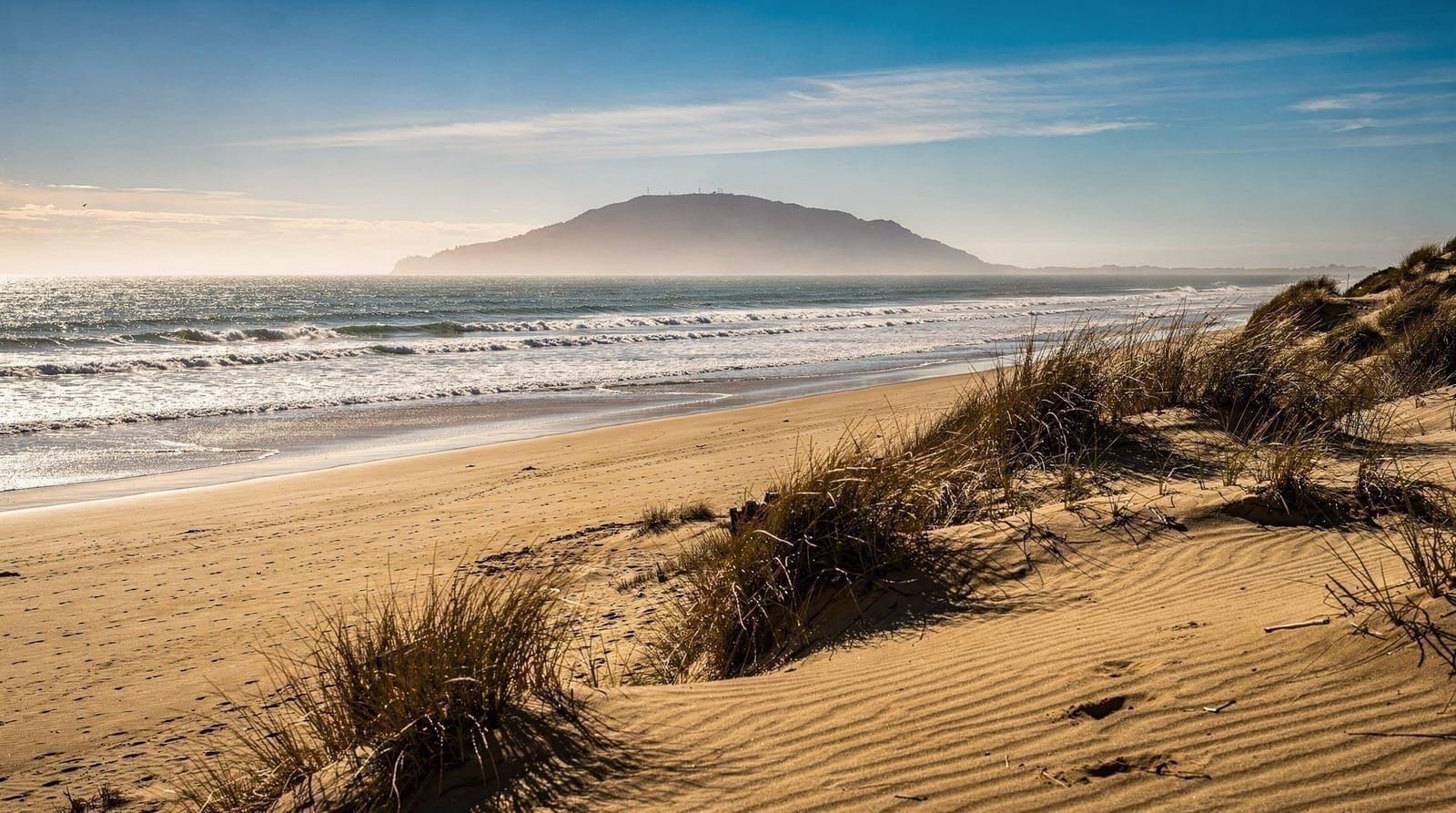
Kāpiti Island sits just off the Kāpiti Coast, roughly 50 minutes north of Wellington by road, and stands as one of New Zealand’s most significant predator-free wildlife sanctuaries — a true offshore island rather than a fenced mainland reserve, with a longer, deeper conservation history than most comparable mainland equivalents. A guided day tour handles everything a visit genuinely requires: the drive or transfer to the coast, the boat crossing, the Department of Conservation permit, and guided walking time once you land — logistics that would be genuinely difficult and costly to arrange independently given the island’s strict access controls.
| Where | Kāpiti Island, off the Kāpiti Coast, ~50min north of Wellington |
| Cost | NZD 250–350/person from Wellington; less from the coast directly |
| Time needed | Full day, mid-morning to late afternoon |
| Getting there | Wellington pickup or self-drive to the Kāpiti Coast launch point |
| Best time | Sep–Apr for calmer crossings and peak bird activity |
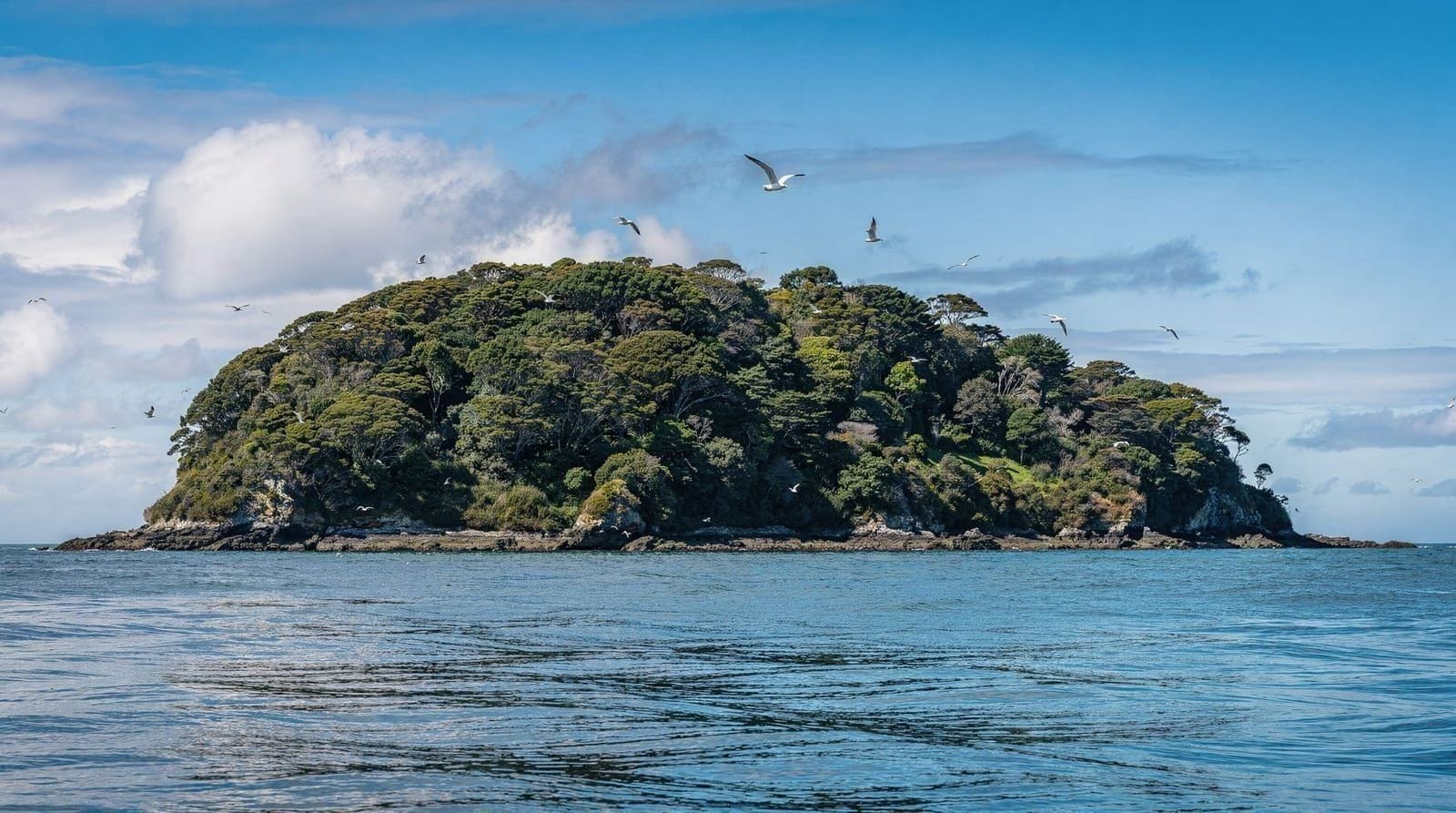
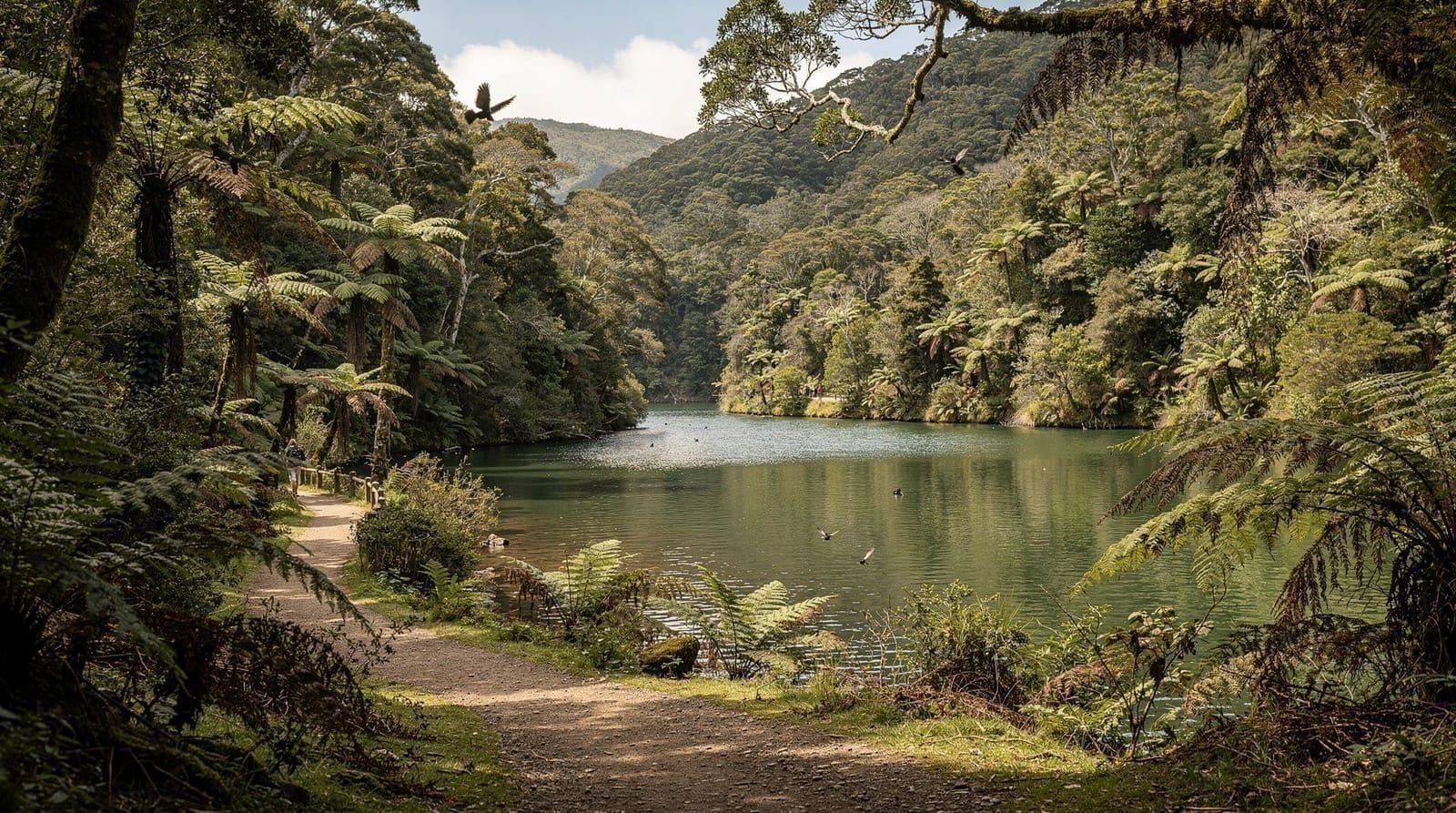
The Kāpiti Island Classic Guided Day Tour from Wellington covers a full day out, typically running from mid-morning to late afternoon once travel time, the crossing, and island time are all accounted for. What you get for that time investment is genuinely dense, bold native bird life — takahē, kākā, and saddleback among the highlights — species that have grown confident around visitors precisely because the island has been free of introduced predators for long enough that they’ve never learned to fear them.
This isn’t a quick add-on to a Wellington city day; it’s a dedicated half-day-to-full-day excursion, and the honest framing matters before booking: you’re committing real time and a meaningful price to a genuinely special wildlife experience, not a casual afternoon detour.
Kāpiti Island’s conservation story stretches back further than most mainland sanctuaries — predator eradication work began here in the 1980s, decades before fenced ecosanctuaries like Zealandia became common practice, and the island has served as a source population for reintroducing several species to other protected sites around the country. That head start is part of why the wildlife here feels so established and confident rather than newly settling in. Species like takahē, once thought extinct and now recovering through carefully managed breeding and translocation programmes across New Zealand, have found a genuine stronghold on Kāpiti Island, and seeing one graze in the open near a walking track is a markedly different experience from viewing captive individuals in an enclosure elsewhere.
A typical day, step by step
Most day tours begin with an early- to mid-morning meeting point on the Kāpiti Coast (or a Wellington pickup for combined tours), followed by a safety briefing before the short boat crossing to the island. Once ashore, guides typically lead a walking route through the lowland forest near the landing point, pointing out bird calls and movement as you go, before either continuing to a further lookout or turning back depending on the specific tour’s route and your group’s pace.
Lunch is often a self-provided picnic eaten on the island rather than a catered meal, so checking whether food is included — or whether you need to bring your own — is worth confirming at booking. The return crossing typically departs mid-to-late afternoon, timed to get everyone off the island before the day’s permitted visiting window closes, since overnight stays on the island itself require separate, more limited accommodation arrangements outside the scope of a standard day tour.
What’s included and what it costs
The classic guided day tour from Wellington typically costs NZD 250 to 350 per person, covering return transport from central Wellington to the Kāpiti Coast launch point, the roughly 15- to 20-minute boat crossing each way, the mandatory DOC permit, and guided walking time on the island — usually 2 to 4 hours depending on the specific route.
If you’re already based on the Kāpiti Coast or would rather arrange your own transport there, the Kāpiti Island Nature Reserve day trip and the Kāpiti Island Classic Guided Day Tour departing directly from the coast are worth comparing — skipping the Wellington-to-coast transfer segment typically brings the price down somewhat, useful if you’re staying in Kāpiti Coast accommodation rather than Wellington itself.
The permit fee, boat crossing, and guiding are consistently included across these tour formats; what varies is transport coverage and the specific walking route offered, from gentler lowland tracks to steeper summit climbs with wider views.
For a family of four booking the Wellington-departure tour, expect roughly NZD 900 to 1,200 total at typical adult and child rates — a genuinely significant single-day expense, which is worth weighing honestly against how much of a trip priority wildlife specifically is for your family compared with other Wellington-area experiences at a fraction of the cost.
The permit system, explained
Every visitor to Kāpiti Island needs a Department of Conservation permit, and DOC caps daily numbers to protect the sanctuary’s ecology — this is the real reason independent access is impractical for most travellers and why booking a guided tour, which bundles the permit into the price, is the sensible route for almost everyone. The cap also means the island never feels crowded even at peak season, since visitor numbers are deliberately kept well below what a similarly sized attraction on the mainland might allow. Popular sailing dates, particularly weekends through summer, can sell out weeks ahead precisely because of this cap, which makes early booking more than just a convenience here — it’s often the difference between getting on the island at all and missing out entirely.
Accessibility and physical demands
Kāpiti Island’s walking tracks range from gentle, relatively flat lowland paths near the landing point to considerably steeper climbs toward higher lookout points, and the boat crossing itself requires a reasonable degree of mobility to board and disembark safely, particularly in choppier conditions. This tour is generally less accessible than mainland options like Zealandia for visitors with significant mobility restrictions — worth discussing directly with the tour operator if this is a concern, since some routes are more manageable than others. Guides are generally happy to tailor the day’s walking distance to a group’s pace and fitness on request, but the boat crossing itself remains a fixed requirement regardless of mobility level, so it’s worth raising any concerns directly with the operator before booking rather than on the day.
Is it worth it — the honest verdict
For wildlife enthusiasts and birders, yes, unreservedly — Kāpiti Island delivers some of the boldest, closest native bird encounters available anywhere in New Zealand, a direct result of decades of dedicated predator eradication and management that few other accessible sites can match. The permit system, while adding cost and requiring advance planning, is also exactly why the wildlife is as abundant and confident as it is — a direct trade-off worth understanding rather than resenting. Traveller feedback consistently rates the takahē and kākā encounters as genuine trip highlights, often described as more memorable than similar wildlife experiences elsewhere in the country precisely because the birds behave with such little fear of people.
The honest caveat is the time and cost commitment relative to more convenient wildlife alternatives closer to the city. If your Wellington stay is short and tightly scheduled, Zealandia delivers a meaningfully different but still worthwhile wildlife experience in a fraction of the time and at lower cost, without a boat crossing or full-day commitment. Kāpiti Island rewards travellers who can dedicate a genuine full day and have wildlife as a real trip priority, not a casual afternoon filler.
Who this suits
This suits committed birders and wildlife enthusiasts, photographers chasing close encounters with rare native species, and travellers with at least one full flexible day in their Wellington-area itinerary who want to prioritise nature over city sightseeing that day. It also suits travellers building a wider South Island or Kāpiti Coast route who can treat this as a highlight day within a longer, less rushed itinerary rather than the sole activity of a short Wellington visit. It’s also a strong fit for the nature and wildlife 4-day itinerary, which pairs it naturally with Zealandia and other wildlife-focused stops.
It suits less well travellers on a tight one- or two-day Wellington visit who can’t spare a full day, anyone prone to seasickness who hasn’t planned for the boat crossing, and budget-conscious visitors for whom the combined transport, permit, and guiding cost feels steep relative to lower-cost wildlife alternatives like Zealandia or the Wellington Zoo. Honest self-assessment of your genuine interest level before booking pays off here more than almost any other tour on this list.
Tips for visiting
Book well ahead — daily visitor numbers are capped by the DOC permit system specifically to protect the island’s ecology, and popular dates, especially in summer, can sell out weeks in advance. Take seasickness precautions if you’re at all prone to it; the open-water crossing can be choppy, and there’s no quick way off the boat once you’re underway.
Charge your camera battery fully and bring a spare if photography matters to you — between the crossing, the landing, and hours of walking with wildlife encounters throughout, battery drain adds up over a genuinely full day out. Confirm your specific meeting point and time carefully in advance, since departures for Kāpiti Island tours are tied to a fixed daily boat schedule with no flexibility for late arrivals.
Wear sturdy walking shoes and bring layers regardless of season — island weather can shift quickly, and the walking tracks range from easy lowland paths to steeper climbs depending on your tour’s specific route. Bring binoculars and a decent camera if photography matters to you; several of the island’s birds approach closely enough for genuinely excellent photos without a long lens.
Pack sun protection even on an overcast day, since much of the walking time is spent in open areas without significant shade, and New Zealand’s UV levels run high year-round. Bring your own food and water unless your specific tour confirms lunch is provided — there are no shops or cafés on the island itself, and once you’ve landed, you’re committed to whatever you’ve brought until the return crossing.
Best season for Kāpiti Island
Spring through autumn (roughly September to April) generally offers the most reliable conditions for the boat crossing and the most active bird behaviour, with breeding season activity through spring and summer adding extra interest for keen birders. Winter crossings are still available but weather-dependent cancellations are somewhat more common, and shorter daylight hours can compress the total time available on the island — worth building in some flexibility to your wider itinerary if you’re visiting outside the peak season.
| Season | Crossing conditions | Bird activity | Booking pressure |
|---|---|---|---|
| Sep–Apr | Generally calmer | Breeding-season activity through spring/summer | High — book weeks ahead |
| May–Aug | More weather-dependent cancellations | Still good, less breeding-season buzz | Lower — easier to secure a date |
Kāpiti Island vs Zealandia at a glance
| Kāpiti Island | Zealandia | |
|---|---|---|
| Access | Offshore, permitted boat crossing | Fenced mainland site, central Wellington |
| Time needed | Full day | 2–4 hours |
| Cost | NZD 250–350/person | Considerably lower |
| Bird density | Very high, decades of predator-free management | High, shorter conservation history |
| Kiwi sightings | Rare (diurnal tours, nocturnal bird) | Possible on night tours |
Combining with Kāpiti Coast or Zealandia
If you’re building a wider Kāpiti Coast day or weekend, our Kāpiti Island day trip guide and Kāpiti Island nature reserve guide cover logistics for pairing the crossing with other coastal stops, while families weighing Kāpiti against Zealandia for a kid-friendly wildlife day should see our Kāpiti and Zealandia with kids guide. Staying overnight on the coast rather than doing a rushed round trip from Wellington also opens up a more relaxed morning departure, worth considering if you’re not tied to a single central Wellington base for your whole stay.
Alternatives to consider
If a full day feels like too large a commitment, Zealandia in central Wellington delivers a genuinely worthwhile native wildlife experience in 2 to 3 hours without a boat crossing or permit system, at a lower price point — see our Zealandia complete guide for what to expect there instead. Many travellers do both across a longer Wellington stay rather than choosing one over the other, since the two experiences are genuinely complementary rather than substitutes for each other.
For travellers who’d rather explore Kāpiti Island’s marine environment over its birdlife specifically, a sea kayak and hike option exists as a more active alternative, worth researching separately if paddling appeals more than walking. And for a broader look at how Kāpiti Island fits into a wider Wellington-region trip, our best day trips from Wellington guide ranks it against Martinborough, the Hutt Valley, and other common day-trip options so you can weigh it against your overall itinerary priorities.
If you’re travelling with a mix of ages or interests, our Kāpiti and Zealandia with kids guide is worth reading before choosing between the two, since Zealandia’s shorter format and lower physical demands often suit families with younger children better than a full-day island crossing.
Compare the Wellington-departure and coast-departure tour formats below to find the option that best matches your base and budget.
Compare alternative tours
Frequently asked questions about Kāpiti Island day tour review: real price, wildlife, and honest logistics
How much does the Kāpiti Island day tour cost from Wellington?
A classic guided day tour departing from Wellington typically costs NZD 250 to 350 per person, covering return transport to the launch point, the boat crossing, a permit fee, and guided walking time on the island. Booking directly from Waikanae or Paraparaumu, closer to the island itself, can cost somewhat less since it skips the Wellington-to-Kāpiti Coast transfer.What wildlife will I actually see on Kāpiti Island?
Kāpiti Island is one of New Zealand's most important predator-free sanctuaries, and daytime visitors have a genuinely strong chance of seeing takahē, kākā, saddleback, and various native birds at close range — some approach visitors quite boldly since they've never learned to fear introduced predators. Kiwi are present but, being nocturnal, are rarely seen on standard daytime tours; hearing one is more realistic than seeing one.How long is the boat crossing to Kāpiti Island and is it rough?
The crossing from the Kāpiti Coast takes about 15 to 20 minutes each way across open water, and it can be choppy depending on wind and swell — Cook Strait's weather systems affect this stretch of coast too. If you're prone to seasickness, taking preventative medication beforehand is a sensible precaution.Do I need a permit to visit Kāpiti Island?
Yes, always — Kāpiti Island is a strictly managed nature reserve with a Department of Conservation permit system limiting daily visitor numbers to protect the wildlife. Guided tours handle the permit as part of the booking, which is one of the practical reasons most visitors go with a tour rather than trying to arrange independent access.How much walking is involved on the island?
Most guided day tours involve 2 to 4 hours of walking on marked tracks, with route and difficulty varying by tour — some stick to gentler lowland tracks near the landing point, while others climb higher toward the island's summit for wider views, which is a noticeably steeper and more demanding walk. Check the specific tour's track before booking if fitness or mobility is a consideration.Is Kāpiti Island worth it compared to Zealandia in Wellington?
They're genuinely different experiences rather than direct substitutes. Zealandia is a fenced mainland sanctuary a short trip from central Wellington, convenient but smaller in scale. Kāpiti Island is a true offshore island sanctuary with a longer history of predator-free management, generally denser and bolder bird life, but requires a half-day-plus commitment including transport, a boat crossing, and a permit — worth it if wildlife is a genuine priority for your trip, less essential if you only have a single spare afternoon.Can I visit Kāpiti Island independently without a guided tour?
Not really in practice. Access is controlled by a Department of Conservation permit system that guided tour operators handle as part of the booking, and independent water-taxi-only arrangements without a guide are considerably more complex to organise and still require the same permit. For almost all visitors, a guided day tour is the simplest and most reliable way to actually get onto the island.