Zealandia by Night tour review: is the after-dark version worth the extra cost?
Wellington: Zealandia Twilight Ecosanctuary Tour
Duration: 2.5h
What the Zealandia by Night tour actually is
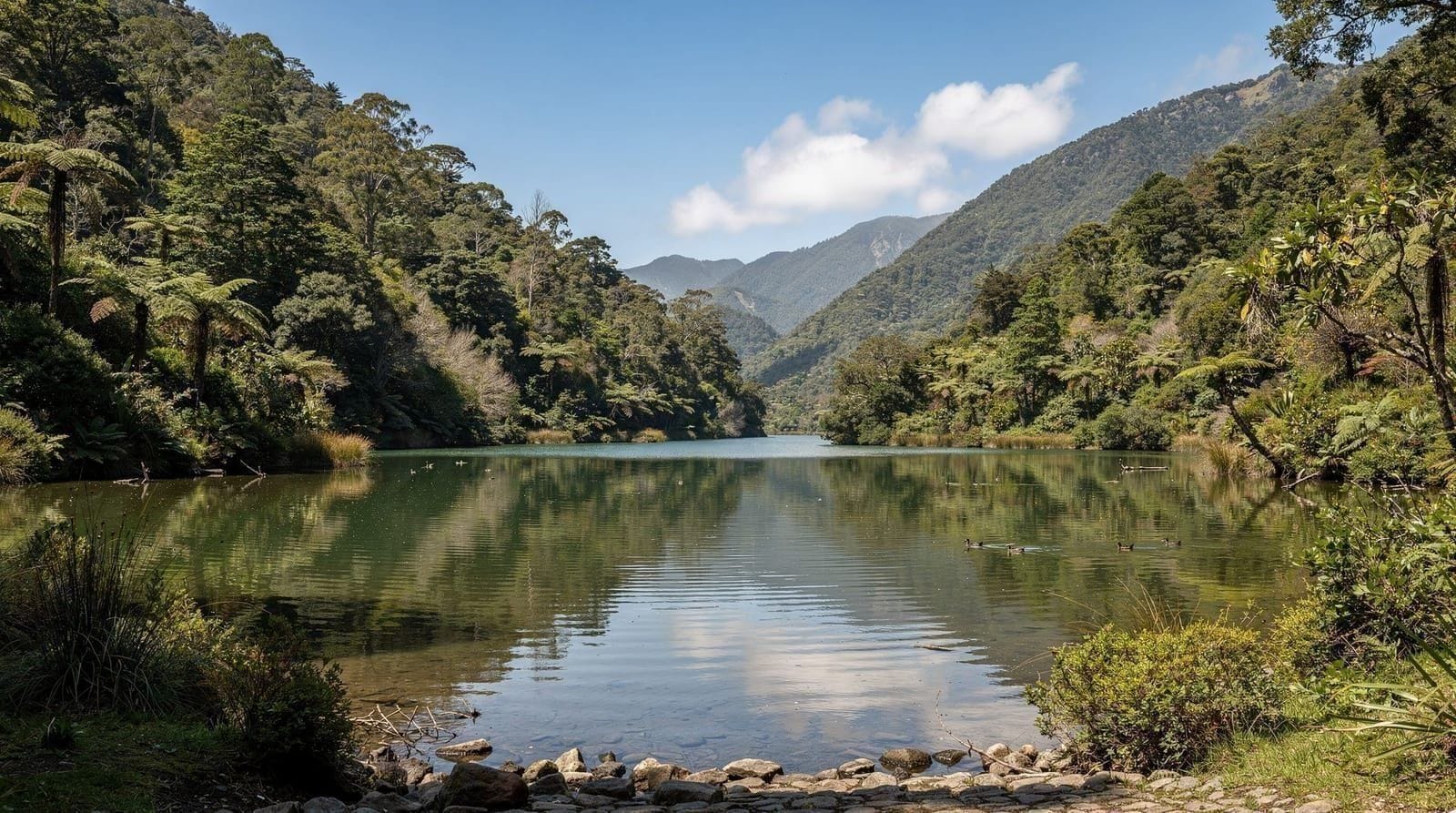
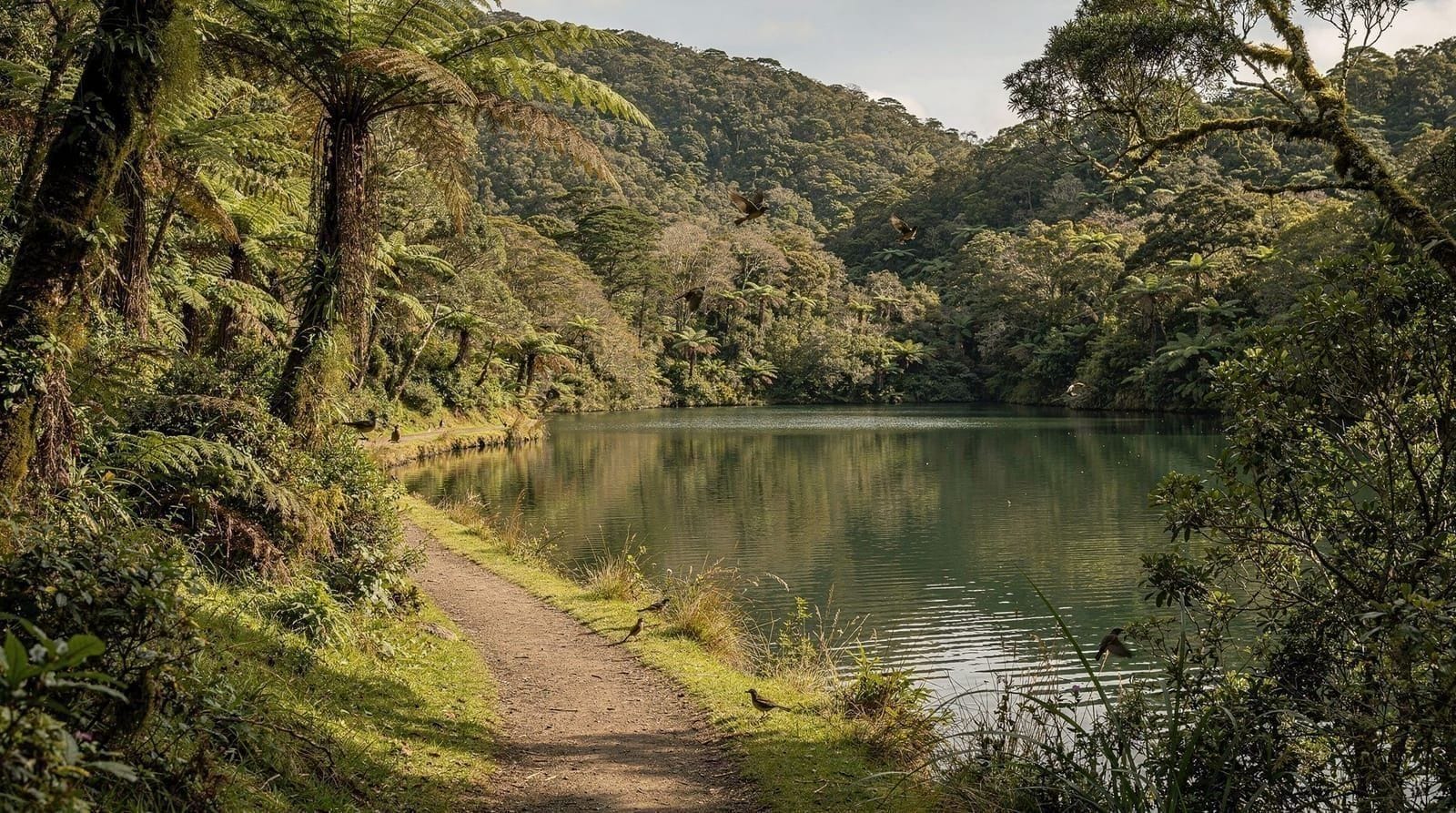
Zealandia is a 225-hectare fully fenced ecosanctuary in the Wellington suburb of Karori, just minutes from the CBD, predator-proofed to let native New Zealand wildlife — including several species found almost nowhere else on the mainland — recover and breed without introduced predators. By day it’s a walking and birdwatching destination; after dark, it becomes something genuinely different, since several of its most sought-after residents, kiwi chief among them, are strictly nocturnal.
| Where | Zealandia ecosanctuary, Karori, minutes from central Wellington |
| Cost | around NZD 80–100/adult |
| Time needed | roughly 2.5 hours, starting at dusk |
| Getting there | short drive or bus from the CBD |
| Best time | shoulder seasons (Mar–May, Sep–Nov) for mild evenings and lower demand |
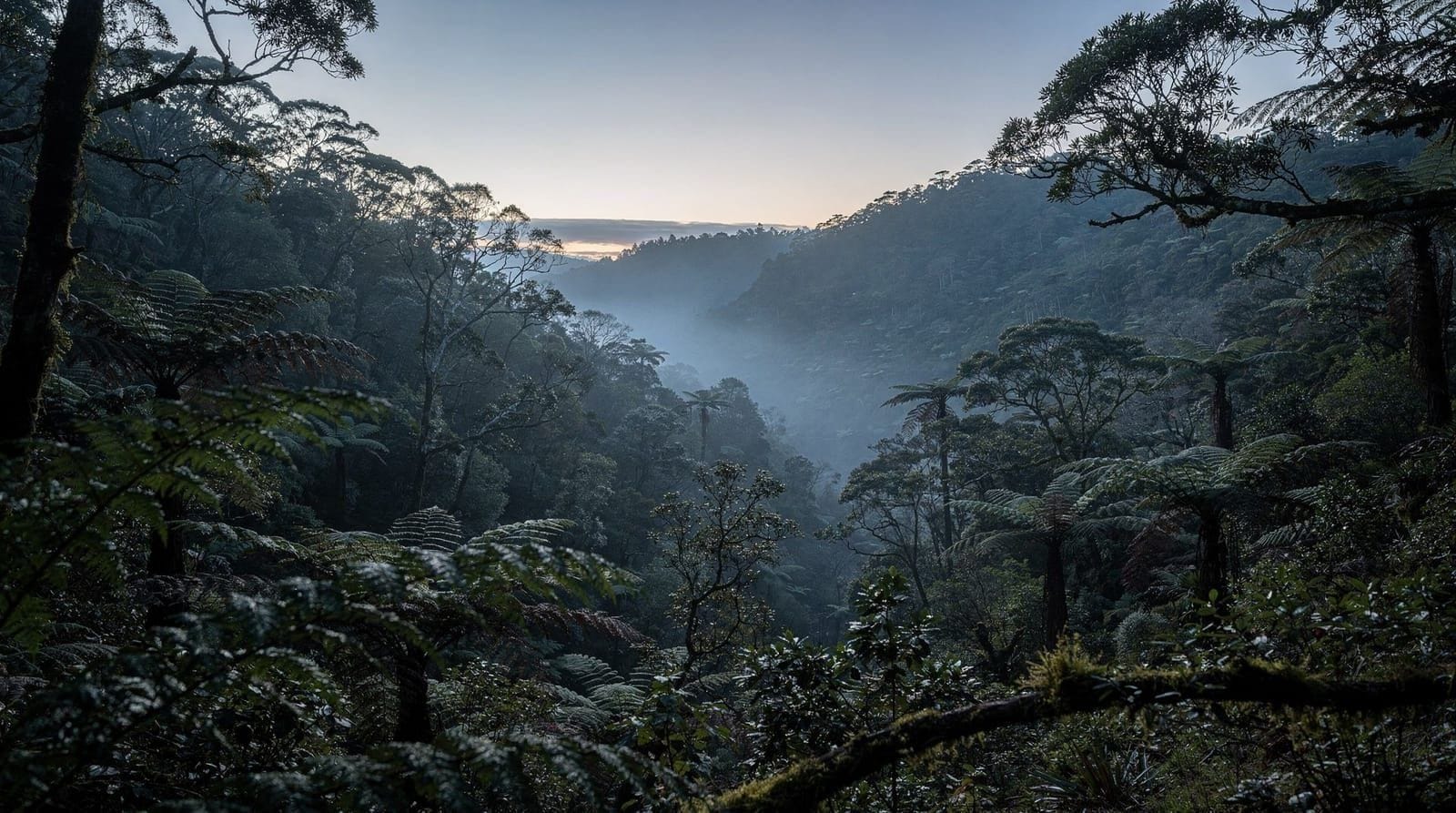
The Zealandia Twilight Ecosanctuary tour runs roughly 2.5 hours starting around dusk, taking small guided groups through the valley using red-light torches that don’t disturb the animals’ night vision, with a guide trained to read the sounds and signs of nocturnal activity. It’s a considerably more atmospheric, quieter experience than the daytime walk — less about covering ground and more about standing still, listening, and letting your eyes adjust.
The honest framing to set before booking: this is a wild sanctuary, not a zoo, and no night tour anywhere can guarantee a kiwi sighting. What it does reliably deliver is a genuine chance — better than almost anywhere else accessible to visitors — plus a good likelihood of glow-worms, tuatara, and weta, and kiwi calls carrying across the dark valley even on nights when the birds themselves stay hidden.
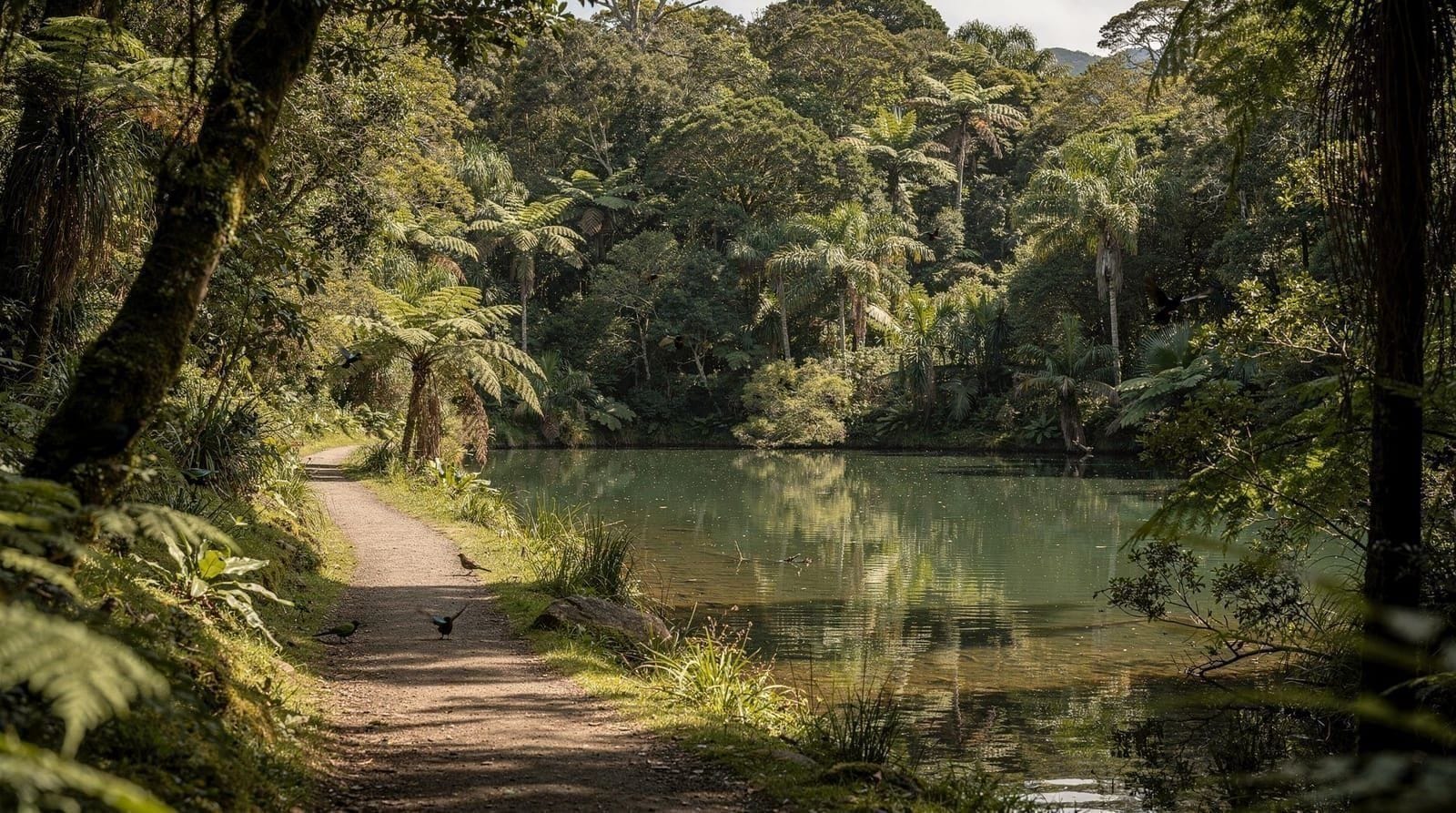
Zealandia’s fence — a specially engineered predator-exclusion barrier completed in 1999 — was one of the first of its kind in the world at this scale, and it’s the reason the valley now hosts species that had vanished from mainland New Zealand for generations. Understanding that history adds real weight to the experience: you’re not just walking a nice bush track after dark, you’re inside a genuinely globally significant conservation project, and a good night guide typically weaves that story through the walk rather than treating it as a footnote.
A typical night, step by step
Groups typically assemble at the visitor centre shortly before dusk for a safety briefing and equipment handout — red-light torches, and sometimes headlamps — before heading into the valley as the light fades. The early part of the walk often still has enough ambient light to see the general terrain clearly, with the true “night tour” character setting in as full darkness falls and the group’s eyes adjust.
Guides typically pause at known feeding or calling spots, encouraging genuine stillness and quiet for several minutes at a time — this is where kiwi calls or a chance visual sighting are most likely, and where the experience’s specific rhythm (walk, pause, listen, walk again) becomes clear. Glow-worm banks along parts of the track are a near-guaranteed highlight regardless of what larger wildlife does or doesn’t appear on a given night.
What’s included and what it costs
The twilight tour typically costs around NZD 80 to 100 per adult for the roughly 2.5-hour experience, noticeably more than the standard day walk — the premium reflects smaller group sizes, specialised equipment, and the more resource-intensive logistics of running guided groups through a sanctuary after dark. Included in that price are red-light torches (so you’re not bringing your own white-light torch and disturbing wildlife), guiding, and general admission for the tour’s duration.
For a lower-cost alternative that still covers nocturnal wildlife, the Zealandia Night Tour, Exhibit and Sanctuary is a comparable format at a similar price point, worth comparing on start time and exact route before booking. If daytime birdwatching and a broader overview of the conservation story matters more to you than nocturnal species specifically, the Zealandia by Day guided walking tour runs about 2 hours at a generally lower price and covers considerably more ground in better light for photography.
Group sizes on night tours run smaller than day tours by design, both to protect wildlife from disturbance and to keep the experience genuinely intimate rather than a large, noisy crowd moving through a quiet valley after dark.
For a couple booking the twilight tour, expect roughly NZD 160 to 200 total — a genuine premium activity by Wellington standards, reflecting the specialised guiding, small group sizes, and equipment involved rather than simple entrance-fee economics.
Comparing the main formats
| Format | Typical price | Duration | Best for |
|---|---|---|---|
| Twilight ecosanctuary tour | around NZD 80–100/adult | ~2.5 hours | Visitors specifically chasing kiwi and nocturnal species |
| Night Tour, Exhibit and Sanctuary | comparable price point | similar length | Alternative operator/route, worth comparing start times |
| Day guided walking tour | generally lower price | ~2 hours | Better photography light, more bird species overall |
If nocturnal wildlife and atmosphere matter most, the twilight tour is the clear pick; if guaranteed daylight sightings and a broader conservation overview matter more, the day tour is the better-value option.
Seasonal wildlife activity
Kiwi calling activity, glow-worm brightness and general nocturnal activity vary somewhat through the year, though guides report reasonable activity across most seasons. Spring and early summer (September to January) generally coincide with more overall bird activity in the valley, including breeding-season behaviour, while the cooler shoulder months of autumn (March–May) offer a quieter, less crowded tour with fewer visitors competing for the guide’s attention. Whatever season you book, manage expectations around sightings rather than the calendar — this is a wild sanctuary, and no season guarantees a kiwi encounter. Glow-worms, by contrast, are reliably visible year-round along the same track sections, since they don’t depend on seasonal breeding or migration patterns the way bird activity does, making them the most dependable highlight of any night visit regardless of when you book.
Accessibility and what to expect physically
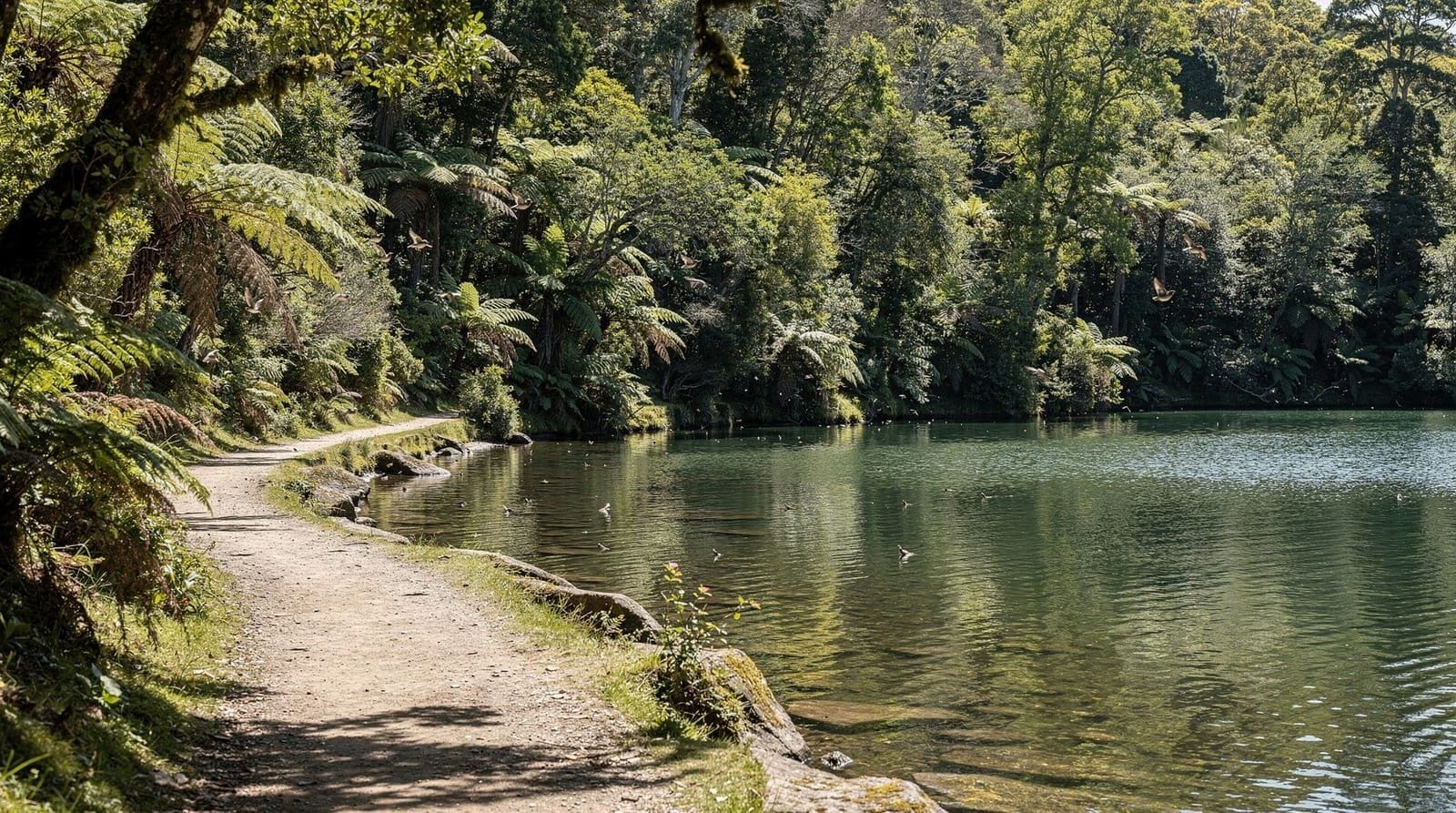
Night tours involve walking forest tracks in low light over roughly 2 to 3 kilometres depending on the specific route, with some uneven ground and occasional gentle inclines — manageable for most reasonably fit adults but worth flagging mobility concerns when booking, since low-light conditions make already-uneven terrain somewhat more demanding than the same paths would be in daylight. Sturdy, closed footwear is effectively mandatory rather than optional for this reason.
Is it worth it — the honest verdict
For visitors specifically hoping to encounter — or at least hear — a kiwi in the wild, yes, this is close to the best realistic option available anywhere near a major New Zealand city, and the atmosphere of walking a dark, predator-free valley with a knowledgeable guide is genuinely memorable regardless of exact sightings on the night. The premium price buys you a fundamentally different experience from the day tour, not just a later time slot. Little spotted kiwi in particular have established a real, if secretive, presence in the valley since reintroduction, and hearing their distinctive call carry across the dark bush is, for many visitors, memorable in its own right even without a clear visual sighting.
The honest trade-off is cost and unpredictability together. At roughly double the day tour’s price, with no guaranteed kiwi sighting, this isn’t a rational booking purely on a cost-per-sighting basis — it’s worth it for the atmosphere and genuine chance rather than as a guaranteed wildlife encounter. If budget is tight or a guaranteed animal sighting matters more to you than atmosphere, the day tour or Wellington Zoo may serve you better. Weigh this honestly against your own travel style before booking — some visitors leave thrilled purely by the darkness, quiet, and glow-worms even without a kiwi encounter, while others who booked expecting a guaranteed sighting feel let down regardless of how well the tour itself was run.
Who this suits
This suits wildlife enthusiasts and birders specifically hoping to encounter kiwi or other nocturnal species, photographers interested in glow-worms and night-sky conditions away from city light, and couples or small groups looking for a quieter, more atmospheric evening activity than Wellington’s usual dinner-and-drinks options. It’s also a memorable choice for a special-occasion evening — anniversaries and milestone celebrations among small groups who want something more distinctive than a restaurant booking, and a natural fit within our nature and wildlife in 4 days itinerary for travellers building a dedicated wildlife-focused trip.
It suits less well families with very young children who may struggle with the required quiet and stillness, visitors on a tight budget who’d get better value from the day tour, and anyone travelling in the depths of winter without appropriate warm layers — Wellington evenings cool sharply even when the day has been mild, and standing still in a dark valley for stretches at a time makes that cold more noticeable. Anyone with a genuine fear of the dark or discomfort in unlit natural settings should also think carefully before booking, since the experience deliberately minimises artificial light throughout.
Tips for visiting
Dress in warm layers regardless of the season and wear closed, sturdy shoes — forest paths in low light are less forgiving of sandals or thin soles than the same paths in daylight. Bring binoculars if you have them; even with red-light torches, distant movement and shapes benefit from a closer look than the naked eye gives in the dark.
Avoid bright phone screens during the walk — beyond the obvious courtesy to other guests trying to preserve their night vision, sudden white light can genuinely startle nearby wildlife and reduce your own group’s chances of a sighting for several minutes afterward while everyone’s eyes readjust. If you need to check the time or take a note, step slightly away from the group first.
Book well ahead, especially for summer evening slots when demand peaks and group sizes stay deliberately small. Manage expectations honestly with anyone in your group before the tour starts — framing it as “a real chance to hear or see a kiwi in a genuinely wild setting” rather than “guaranteed kiwi sighting” sets the right tone for an experience that’s atmospheric either way, and it heads off the disappointment that comes from over-promising to travel companions beforehand.
Best season for the night tour
Zealandia’s night tours run year-round, but the shoulder seasons — autumn (March to May) and spring (September to November) — offer a good balance of milder evening temperatures than winter and less overall visitor demand than the peak summer months, when tours book out fastest and evenings, while warm, stay light later, pushing start times later into the night. Winter tours start earlier in the evening thanks to shorter daylight hours, which can suit visitors who’d rather not be out until very late, though the cold makes warm layers non-negotiable.
Combining with a daytime visit
Some visitors do both the day and night tours on the same trip — often the same day, with a break in between — since the two genuinely show different sides of the sanctuary. Our Zealandia complete guide and dedicated Zealandia by Night guide cover logistics for combining the two without unnecessary duplication of the entrance route.
Alternatives to consider
If nocturnal wildlife specifically isn’t your priority, the Zealandia by Day guided walking tour covers more ground, more bird species overall, and the sanctuary’s conservation history in better light for photos — our Zealandia complete guide lays out exactly what each version of a visit covers. Some visitors on a longer Wellington stay do both across separate days specifically to compare the two experiences directly, which is a genuinely worthwhile way to appreciate how different the same valley feels under daylight versus darkness.
For families weighing Zealandia against a more conventional wildlife experience, our Zealandia versus Wellington Zoo comparison guide is worth reading first — the zoo offers guaranteed animal encounters in a format better suited to young children, while Zealandia trades that certainty for a genuinely wild, conservation-driven setting. If your group includes both wildlife enthusiasts wanting the night tour and younger children better suited to daytime activities, splitting the two across different days of your Wellington stay is a common and sensible compromise — our Kāpiti and Zealandia with kids guide covers exactly this kind of mixed-age planning.
Anyone interested in the sanctuary’s backstory should also see our Zealandia conservation history guide, which explains why this particular valley became one of the world’s most ambitious urban ecological restoration projects and how that same predator-fenced model has since influenced conservation projects elsewhere in the country and beyond.
Compare the twilight tour against the alternative night format and the daytime walking tour below to decide which fits your priorities and budget.
What to pack
Beyond warm layers and sturdy shoes, check Wellington’s general outdoor packing advice in our packing list for Wellington’s wind — the sanctuary sits in a valley that can channel wind and cool air even on an otherwise still evening elsewhere in the city. If you’re building this into a wider Wellington itinerary, our Wellington in winter guide and nature and wildlife 4-day itinerary cover how to sequence a night tour with the city’s other wildlife and nature activities, including how to pair it with a daytime visit to Kapiti Island if wildlife is a major focus of your trip rather than a single evening activity.
Compare alternative tours
Frequently asked questions about Zealandia by Night tour review: is the after-dark version worth the extra cost?
How much does Zealandia by Night cost and how long does it run?
The twilight ecosanctuary tour typically runs around 2.5 hours and costs roughly NZD 80 to 100 per adult — noticeably more than the standard daytime guided walk, reflecting the smaller group sizes and specialised night-vision equipment involved.What wildlife will I actually see on the night tour?
Realistically expect kiwi (heard more often than clearly seen, since they're shy and mostly nocturnal by nature), tuatara, weta, and glow-worms as the most likely encounters, plus a good chance of little spotted kiwi calls carrying across the valley after dark. Sightings are never guaranteed — this is a genuine wild sanctuary, not a zoo enclosure — but guides know the resident animals' typical patterns well.Is the night tour better than the day tour?
They're genuinely different experiences rather than one being strictly better. The day tour covers more ground, more bird species, and the sanctuary's broader conservation story in daylight. The night tour is specifically built around the chance of encountering nocturnal species like kiwi that you simply won't see during the day, using red-light torches that don't disturb the animals' night vision.Do I need to book the night tour in advance?
Yes — group sizes are kept deliberately small for the night tour, both to minimise disturbance to wildlife and to make the experience genuinely intimate, which means popular evening slots do sell out, particularly in the warmer months when demand is highest.Is Zealandia by Night suitable for children?
It can be, but think carefully about age and temperament. The tour runs after dark, involves quiet walking on sometimes uneven forest paths, and requires the group to stay hushed for extended stretches to avoid disturbing wildlife — better suited to older children who can manage stillness and quiet than to toddlers or very young kids who may find it tiring or restless-making.What should I wear or bring for the night tour?
Warm layers regardless of season — Wellington evenings cool quickly even after a warm day — plus closed, sturdy shoes for uneven forest paths in low light. Torches with red-light settings are usually provided by the tour, since white light disturbs nocturnal wildlife, but check what's included when booking.How far in advance should I book Zealandia by Night?
At least several days ahead for most of the year, and 1–2 weeks ahead for summer evenings, since group sizes are kept deliberately small to limit wildlife disturbance. Last-minute availability does occur outside peak season, but treating it as a must-book-early activity avoids disappointment if your trip dates are fixed.