Wellington maritime heritage guide
Wellington: Commentated Harbour Explorer Tour
Duration: 90min
Why does Wellington's harbour matter so much to the city's identity?
Wellington was settled and named by Māori centuries before European arrival as Te Whanganui-a-Tara, 'the great harbour of Tara,' and the harbour has shaped the city's history ever since — from 1840s settler ships arriving after months at sea, through a working port era, to the 1968 sinking of the ferry Wahine, New Zealand's worst modern maritime disaster. The Museum of Wellington and a harbour cruise both bring this layered history to life.
Why this history rewards a deliberate visit rather than passive absorption
It’s entirely possible to spend several days in Wellington enjoying the waterfront’s cafés, walks and harbour views without ever engaging with the deeper history behind why this specific stretch of coastline became a capital city in the first place. That’s a genuine shame given how accessible the fuller story actually is — a compact, free museum, a handful of well-marked memorial sites, and an affordable harbour tour cover the essential thread in well under a day combined. This guide is written specifically to make that history legible and worth deliberately seeking out, rather than treating the waterfront purely as a scenic backdrop for a coffee and a walk.
| Where | Museum of Wellington, Queens Wharf, and the harbour itself |
| Cost | Museum entry free; harbour tour typically NZ$40-70 |
| Time needed | 1-2 hours for the museum alone, half a day for the full route |
| Best for | History-minded visitors, families with older children |
| Getting there | Walkable from the CBD along the waterfront |
Three ways to engage with this history
| Stop | What it covers | Time | Cost |
|---|---|---|---|
| Museum of Wellington | Settlement, working port era, Wahine disaster | 1-1.5 hours | Free |
| Te Papa Māori collections | Pre-colonial Te Whanganui-a-Tara, waka voyaging | 1-1.5 hours | Free |
| Guided waka experience | Living Māori connection to the harbour, on the water | 1-2 hours | Paid, varies |
A harbour that shaped a capital city
Wellington’s identity is inseparable from its harbour, and understanding why requires going back further than most visitors assume — this natural deep-water port has been central to human life in the region for centuries before European settlement, not just since Wellington became New Zealand’s capital in 1865. Te Whanganui-a-Tara, “the great harbour of Tara,” carries that pre-colonial history directly in its Māori name, and the layered story that follows — settlement, arrival, a working port era, and one of the country’s defining maritime disasters — is worth understanding properly rather than treated as background scenery for a waterfront walk. This guide traces that history chronologically and points to where you can encounter it directly on a Wellington visit.
Te Whanganui-a-Tara: Māori settlement and the harbour’s original name
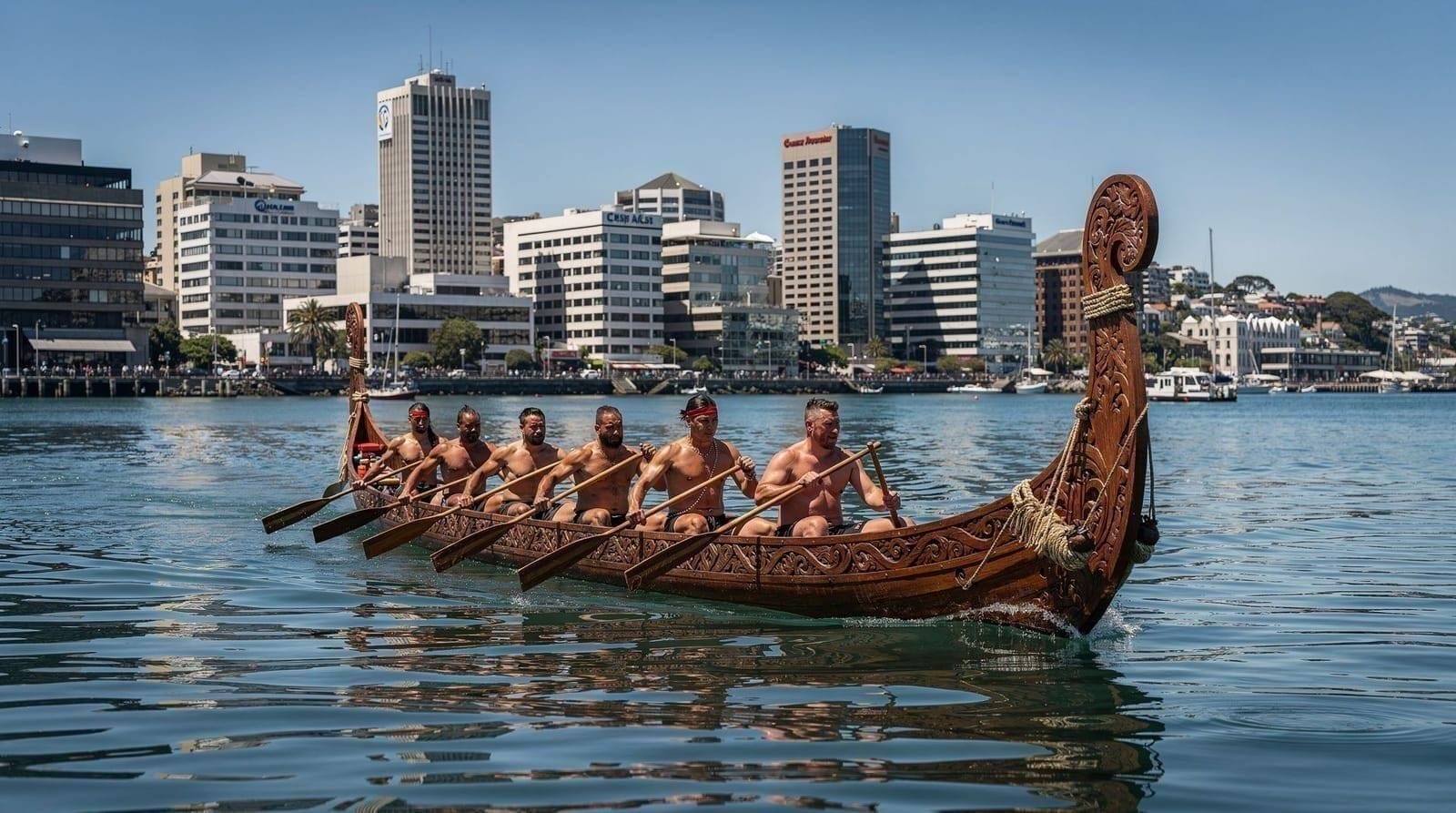
Long before European ships arrived, Wellington harbour was a place of ongoing Māori settlement, travel and significance, crossed and used by waka for generations and known by a name — Te Whanganui-a-Tara — that references Tara, an ancestral figure connected to the region’s early history. This isn’t a symbolic or purely ceremonial naming; it reflects a genuine, sustained pre-colonial relationship between local iwi and this specific body of water, one that continues today through ongoing connections to the harbour and its surrounding land. Visitors wanting to properly engage with this side of the harbour’s history — beyond a name on a map — should look at Te Papa’s Māori collections, which covers waka construction and voyaging tradition in considerable depth, and the guided waka experience, which puts you directly on the water with Māori guides sharing this history as you paddle.
1840: European settlement by sea
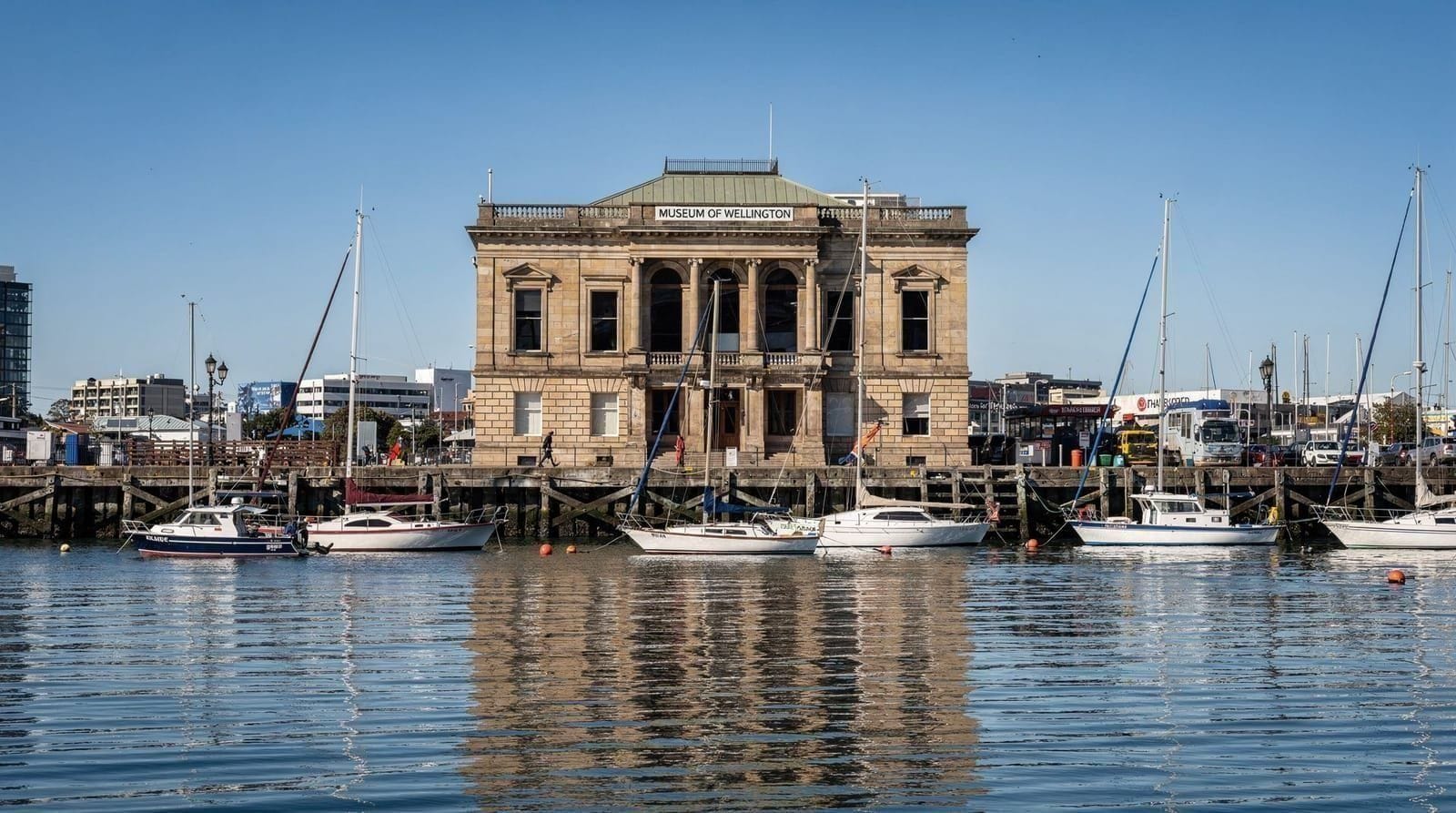
Organised European settlement of Wellington began in 1840, when the first New Zealand Company ships arrived carrying settlers who had spent months at sea travelling from Britain — a genuinely arduous, dangerous journey by any modern standard, undertaken by people committing to a one-way relocation to the other side of the world with no realistic prospect of return visits. That founding wave of sea-borne arrival established the pattern that shaped Wellington’s growth for more than a century afterward: this was fundamentally a port city, built around and dependent on ships, long before air travel offered any alternative. The Museum of Wellington, housed in the historic 1892 Bond Store on Queens Wharf, covers this immigration-by-sea history directly, including personal accounts from settlers who arrived after these long ocean voyages.
The working port era
Through the nineteenth and much of the twentieth century, Wellington’s harbour functioned as a genuinely busy working port, handling the bulk of goods and people moving in and out of the growing capital before road, rail and eventually air transport reduced the port’s centrality to daily city life. The Bond Store building itself — now home to the Museum of Wellington — is a direct physical relic of this era, built specifically to hold dutiable cargo under customs bond as it moved through the working wharves. Ship models, cargo-handling equipment and period photographs throughout the museum’s galleries trace this working-port identity in detail, giving a sense of a harbour considerably busier and more industrially significant to daily city life than today’s leisure-focused waterfront promenade might suggest to a first-time visitor.
1968: the Wahine disaster
The single most significant event in Wellington’s modern maritime history is the sinking of the inter-island ferry TEV Wahine on 10 April 1968. Caught in an extraordinarily violent storm — cyclone Giselle merging with a separate weather system from the south in what remains one of the worst storms ever recorded in New Zealand — the Wahine ran aground on Barrett Reef at the harbour entrance while attempting to complete a routine overnight crossing from Lyttelton, then drifted and eventually capsized and sank in the shallows near Steeple Rock.
Fifty-one people died that day, with further deaths from injuries sustained during the sinking in the years that followed, making it New Zealand’s worst peacetime maritime disaster. The event unfolded partly on live television, an early and formative moment in New Zealand’s television news coverage, and it prompted lasting changes to maritime safety regulation and disaster response protocols that still influence how Cook Strait crossings are managed today. The Museum of Wellington covers this disaster as its most substantial single exhibit, combining survivor accounts, rescue-effort documentation and analysis of the disaster’s lasting regulatory impact.
Why Cook Strait’s weather is genuinely different
Understanding why the Wahine disaster happened at all requires understanding Cook Strait’s specific, notoriously difficult weather patterns. The strait funnels wind and swell between the North and South Islands in a way that regularly produces conditions considerably rougher than either coastline experiences independently, a product of the specific geography squeezing weather systems through a comparatively narrow gap between two large landmasses. This isn’t a historical curiosity — modern Interislander and Bluebridge sailings are still occasionally delayed or cancelled for weather today, a direct, ongoing legacy of the same geographic reality that turned an already severe storm into a genuine catastrophe in 1968. Visitors planning a Cook Strait crossing as part of a wider South Island itinerary should build some schedule flexibility around this possibility rather than assuming a fixed sailing time is guaranteed regardless of conditions.
The port’s declining centrality, and what replaced it
Across the twentieth century, as air travel became increasingly central to both domestic and international transport, Wellington’s working port gradually lost the centrality to daily city life it held throughout the nineteenth century and into the early twentieth. Where sea arrival was once the only way for immigrants and goods to reach the city, Wellington Airport’s growth from the mid-twentieth century onward offered an alternative that steadily reduced the wharves’ role in everyday passenger movement, even as cargo shipping and the enduring Cook Strait ferry service kept the harbour genuinely active rather than purely historical. This shift is part of why the waterfront today reads primarily as a leisure and dining precinct rather than a working industrial port — a genuine transformation from its nineteenth and early twentieth-century character that the Museum of Wellington’s exhibits trace in detail.
Iwi connections to the harbour today
The Māori history of Te Whanganui-a-Tara isn’t purely a matter of historical record — local iwi, including Te Āti Awa and other groups with customary connections to the wider Wellington region, maintain ongoing relationships with the harbour and its surrounding land today, relationships reflected in place names, co-governance arrangements over parts of the region’s natural resources, and cultural programming connected to institutions like Te Papa. Visitors wanting to engage respectfully with this living dimension of the harbour’s history, rather than treating it as a purely historical footnote, should look to the guided waka experience and Te Papa’s Māori collections for guidance grounded in genuinely current, living cultural practice rather than only archival material.
Comparing Wellington’s maritime story to other New Zealand port cities
Auckland and Lyttelton (Christchurch’s port) both carry their own significant maritime histories, but Wellington’s story is distinctive in combining a still-active Cook Strait crossing with a single, exceptionally well-documented twentieth-century disaster that reshaped national maritime safety practice. Auckland’s maritime heritage leans more heavily into its yachting and America’s Cup-era identity, while Lyttelton’s history is more tied to Christchurch’s Canterbury Plains settlement pattern and, more recently, the 2011 earthquake’s impact on the port itself. Wellington’s harbour, by contrast, remains a genuinely functioning transport link today in a way that gives its maritime heritage a living, ongoing relevance beyond pure historical interest — you can still buy a ticket and cross the same strait the Wahine was navigating in 1968, under considerably safer modern conditions.
From the Wahine to the modern Cook Strait ferry
The modern Interislander and Bluebridge ferries crossing Cook Strait between Wellington and Picton continue the same maritime tradition the Wahine was part of, now operating under considerably stricter safety regulation shaped in part by the lessons of 1968. Crossing roughly the same stretch of water — a genuinely exposed, weather-affected passage between the North and South Islands — modern ferry passengers cross in far safer conditions and with far better storm forecasting than existed in 1968, though Wellington’s notoriously changeable weather still occasionally delays or disrupts sailings. Our dedicated Interislander ferry review covers the modern crossing in practical detail if a Cook Strait trip to the South Island is part of your itinerary.
Wellington’s other harbour crossings, then and now
The Wahine wasn’t the only ship making this crossing, and it’s worth remembering the disaster against the backdrop of a genuinely routine, decades-long ferry service that has otherwise operated safely across Cook Strait. Thousands of crossings a year, on both the Interislander and Bluebridge lines, complete without incident, and the strait’s difficulty is a matter of degree rather than a reason to avoid the crossing altogether — see our Interislander vs Bluebridge comparison for how the two operators differ if a South Island leg is part of your plans. The disaster’s continuing relevance lies less in making the crossing feel risky today and more in explaining why modern sailings carry the safety margins, weather monitoring and cancellation thresholds they do.
The Wahine’s lasting regulatory legacy
Beyond the immediate human tragedy, the Wahine disaster prompted a genuine, lasting overhaul of New Zealand’s approach to maritime emergency response and inter-agency coordination, since the rescue effort exposed real gaps in how police, harbour authorities and emergency services communicated and coordinated during a large-scale maritime disaster unfolding in real time. Reforms following the disaster shaped subsequent New Zealand maritime safety regulation in ways that continued to influence practice for decades afterward, making the Wahine not just a singular historical tragedy but a genuine turning point in how the country approached large-scale emergency response more broadly, well beyond shipping specifically.
Seeing this history on the water
Beyond the museum’s static exhibits, the commentated harbour explorer tour puts you directly on Wellington harbour with a guide narrating the same history — Māori settlement, colonial-era shipping, and the harbour’s ongoing role in the city’s identity — from the water itself rather than from a gallery. Seeing the harbour entrance near Barrett Reef, Steeple Rock and the wider approach where the Wahine met its fate adds a genuinely different, more visceral dimension to the disaster’s story than reading about it in a museum alone, and the tour’s broader commentary situates that single event within the harbour’s much longer history of use, both Māori and European.
A suggested half-day maritime heritage route
For visitors wanting to trace this history in a single, well-sequenced outing, a sensible route starts with Te Papa’s Māori collections for the pre-colonial and waka-voyaging context, moves along the waterfront walk toward Queens Wharf, stops at the Museum of Wellington for the settlement, immigration and Wahine story, and finishes on the water itself with the commentated harbour tour described above, taking in the harbour entrance and Barrett Reef where the Wahine met disaster. This sequence moves roughly chronologically — pre-colonial Māori history, colonial settlement, and the harbour’s ongoing modern use — and takes a comfortable half-day at an unhurried pace, with a lunch break naturally fitting in around the Queens Wharf midpoint.
Memorials and further traces of this history
Beyond the Museum of Wellington’s dedicated exhibits, physical traces of this maritime history are scattered around the city for visitors who know to look for them — memorial plaques connected to the Wahine disaster near the harbour entrance, historic wharf buildings repurposed for modern use along the waterfront, and place names throughout the CBD that reference the harbour’s shipping and settlement history. None of these individually justify a special trip, but collectively they reward a visitor who’s already engaged with the fuller story through the museum and harbour tour, adding texture to what might otherwise be an anonymous waterfront walk.
Telling this story to children
Families with older children on a Wellington trip might reasonably wonder whether the Wahine disaster’s genuinely sombre subject matter is appropriate to include on a family itinerary. The honest answer depends on age and temperament — primary-school-age children and older can generally handle the story’s broad outline (a storm, a shipwreck, a rescue effort, real loss of life) without it being genuinely distressing, particularly framed as history rather than a currently unfolding threat, while very young children likely get more out of skipping this specific exhibit in favour of the museum’s ship models and lighter settlement-history content. Parents know their own children’s sensitivities better than any general guide can, so use judgment rather than a fixed age cutoff when deciding how much of this specific story to include on a family visit.
Where to encounter this history in person
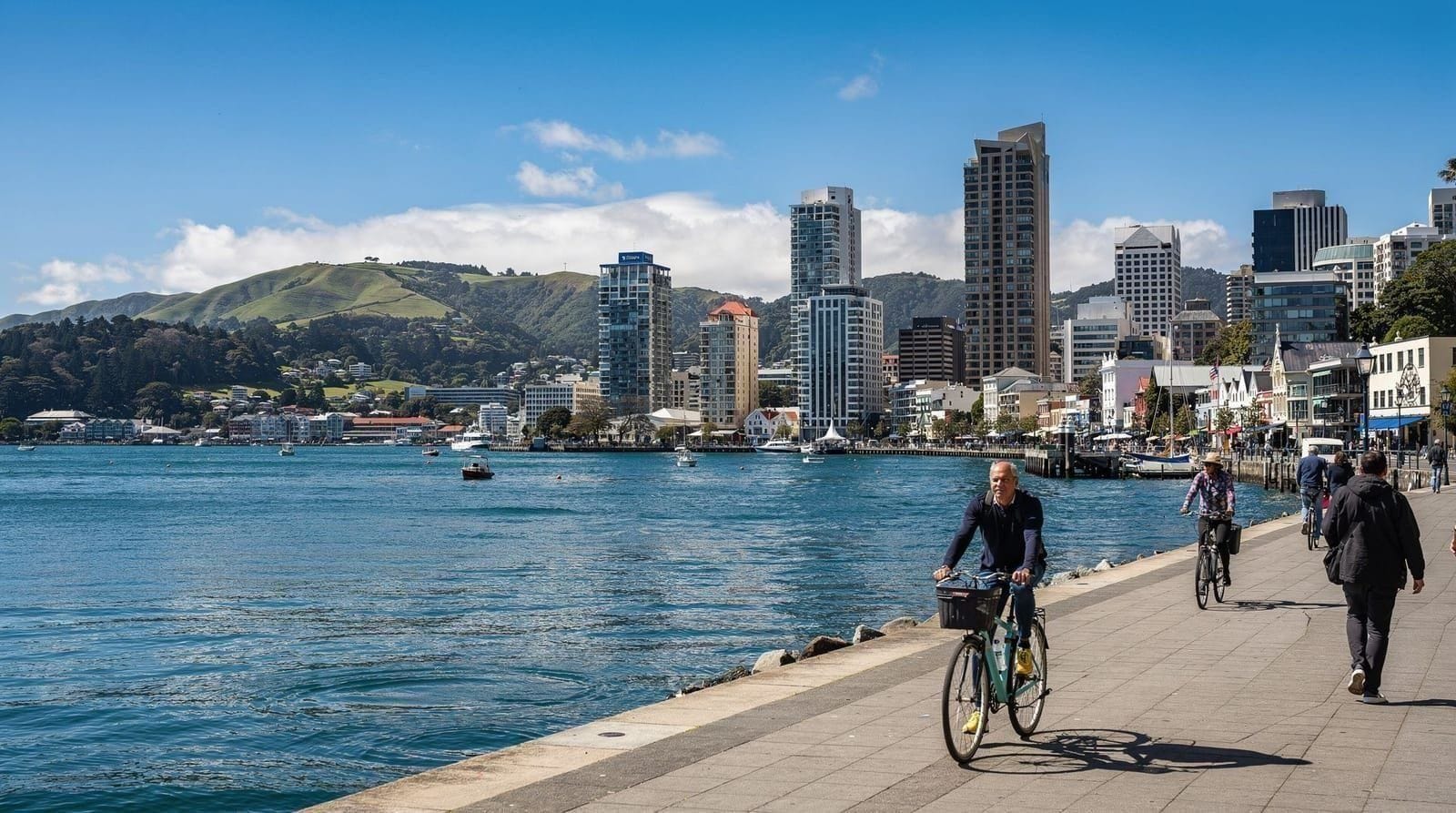
For the most concentrated single dose of this history, the Museum of Wellington on Queens Wharf remains the best starting point — free, compact, and built specifically around the harbour’s maritime and settlement story rather than Wellington’s broader civic or cultural history. Te Papa’s Māori collections add the pre-colonial and ongoing Māori dimension in considerably more depth than the smaller museum has room for, and the guided waka experience offers a genuinely active, on-the-water way to engage with the harbour’s Māori history specifically. A waterfront walk past Queens Wharf and Frank Kitts Park ties these stops together geographically, following roughly the same stretch of shoreline that’s anchored the city’s maritime story for nearly two centuries.
Fitting this into a wider Wellington visit
This maritime history sits naturally alongside the fuller things to do in Wellington list and the Wellington neighbourhoods guide, both useful for placing the waterfront’s specific story within the city’s wider layout. Visitors continuing on to the South Island via the Cook Strait ferry should also read up on Picton, the crossing’s destination, and our Wellington in 2 days itinerary for how a maritime-heritage morning fits into a tightly scheduled first visit.
Researching this history further
Visitors with a deeper interest in the Wahine disaster or Wellington’s maritime settlement history specifically will find New Zealand’s national historical archives and several published accounts of the 1968 disaster considerably more detailed than any single museum visit or guide can convey, since the event’s scale and the volume of surviving eyewitness testimony support genuinely extensive further reading. The Museum of Wellington’s own staff and volunteer guides, where available, can often point toward specific further reading or archival resources for visitors wanting to go beyond what a single gallery visit covers.
The Cook Strait crossing today, in context
Understanding the Wahine’s story changes how the modern crossing feels. If a South Island leg is part of your itinerary, our Cook Strait ferry as an adventure guide and Interislander vs Bluebridge comparison cover the practical side of booking the same crossing the Wahine was making in 1968, now run under far stricter safety regulation shaped partly by that disaster. Watching the harbour entrance near Barrett Reef slide past from the deck of a modern ferry, having read this history first, is a genuinely different experience than making the same crossing without the context.
Practical tips for a first visit
First-time visitors short on time should prioritise the Museum of Wellington over the harbour tour if forced to choose one — it’s free, compact, and covers the fullest single-stop version of this story. Our Wellington first-timers guide has this maritime heritage route positioned as an optional half-day addition rather than a core must-do, which is a fair characterisation: it rewards visitors with a genuine interest in history considerably more than it will interest anyone simply ticking off headline attractions. Budget-conscious visitors can cover the museum and a waterfront walk entirely free; our free things to do in Wellington guide has further no-cost options to pair with it.
Why this history is worth understanding before a Wellington visit
Wellington’s whole civic identity — its choice as national capital in 1865, its rapid nineteenth-century growth, its ongoing relationship with the sea via the Cook Strait ferries that still connect it to the South Island today — flows directly from this harbour’s history. Visitors who take even an hour to properly engage with the Museum of Wellington’s Wahine exhibit, or spend time on a harbour tour hearing this layered story firsthand, tend to see the rest of the waterfront differently afterward: not simply a scenic promenade for a morning walk, but the physical location of genuine, consequential history stretching from pre-colonial Māori settlement through to a defining twentieth-century tragedy and the modern ferry crossings that continue the harbour’s working maritime role today.
Frequently asked questions about Wellington maritime heritage guide
What does Te Whanganui-a-Tara mean?
It translates roughly as 'the great harbour of Tara,' referencing an ancestral figure connected to the region's early Māori history and settlement of the harbour, long before European arrival established Wellington as a colonial port town.What happened to the Wahine in 1968?
The inter-island ferry TEV Wahine, caught in an extraordinarily violent storm combining cyclone Giselle with a separate weather system, ran aground on Barrett Reef at the harbour entrance on 10 April 1968, then drifted and sank in the shallows near Steeple Rock. Fifty-one people died that day, with further deaths from injuries in the years after, making it New Zealand's worst modern maritime disaster.When did European settlers first arrive in Wellington by sea?
The first organised New Zealand Company settler ships arrived in 1840, beginning more than a century of Wellington's growth as a sea-borne immigration port, well before air travel existed as an alternative. This wave of arrivals, alongside the pre-existing Māori presence around the harbour, shaped the city's rapid nineteenth-century development.Where can you learn about this history today?
The Museum of Wellington, in the historic Bond Store on Queens Wharf, covers the harbour's maritime and settlement history in the most concentrated form, including a substantial Wahine disaster exhibit. Te Papa's collections and a guided waka experience on the harbour both add further layers, from a different angle each.Does the Cook Strait ferry crossing connect to this history?
Yes, in a direct if less dramatic way — the modern Interislander and Bluebridge ferries crossing Wellington to Picton continue more than a century and a half of Cook Strait maritime tradition, following broadly the same waters where the Wahine met disaster in 1968, now operating under considerably stricter modern safety regulation partly shaped by that event.How much time should I set aside for Wellington's maritime heritage?
An hour is enough for a focused visit to the Museum of Wellington alone. For the fuller route — Te Papa's Māori collections, a waterfront walk, the museum, and a harbour tour — set aside a comfortable half-day, with a lunch break naturally fitting in around Queens Wharf.Is the maritime heritage trail suitable for a first-time Wellington visitor short on time?
It's a worthwhile optional addition rather than a core must-do on a tight first visit. If time is short, prioritise the free Museum of Wellington over the harbour tour, since it covers the fullest single-stop version of the settlement, working-port and Wahine story.