Museum of Wellington guide
Wellington: Museum of Te Papa Tongarewa Guided Tour
What is the Museum of Wellington and is it worth visiting?
The Museum of Wellington (formerly Museum of Wellington City & Sea) is a small, free museum in the historic 1892 Bond Store on Queens Wharf, covering the city's maritime and settlement history, including the 1968 Wahine ferry disaster. It's a genuinely worthwhile 45-minute add-on to a waterfront walk or a Te Papa visit, not a destination to build a whole day around on its own.
Why this museum exists alongside Te Papa
A reasonable first question for visitors weighing their limited Wellington time is why a dedicated city museum exists at all when Te Papa, New Zealand’s much larger national museum, sits just a few minutes’ walk away covering some overlapping historical ground. The answer comes down to scope and depth: Te Papa’s remit is the whole country’s natural history, art and culture, meaning Wellington’s own specific civic and maritime story necessarily gets a smaller slice of that much broader canvas. The Museum of Wellington exists specifically to give this one city’s own history — its founding, its working port, and above all the Wahine disaster — the concentrated, dedicated treatment a national institution with a country-wide mandate simply can’t offer to any single city’s story, however locally significant that story is. This division of labour between the two museums is worth understanding before you decide how to allocate limited sightseeing time between them.
| Where | Bond Store, Queens Wharf, Wellington waterfront |
| Cost | Free for NZ residents; check current international-visitor pricing |
| Time needed | Around 45 minutes |
| Getting there | Short walk from Te Papa or the CBD along the waterfront |
| Best for | A focused add-on to a waterfront day, not a standalone destination |
A small museum with an outsized harbour story
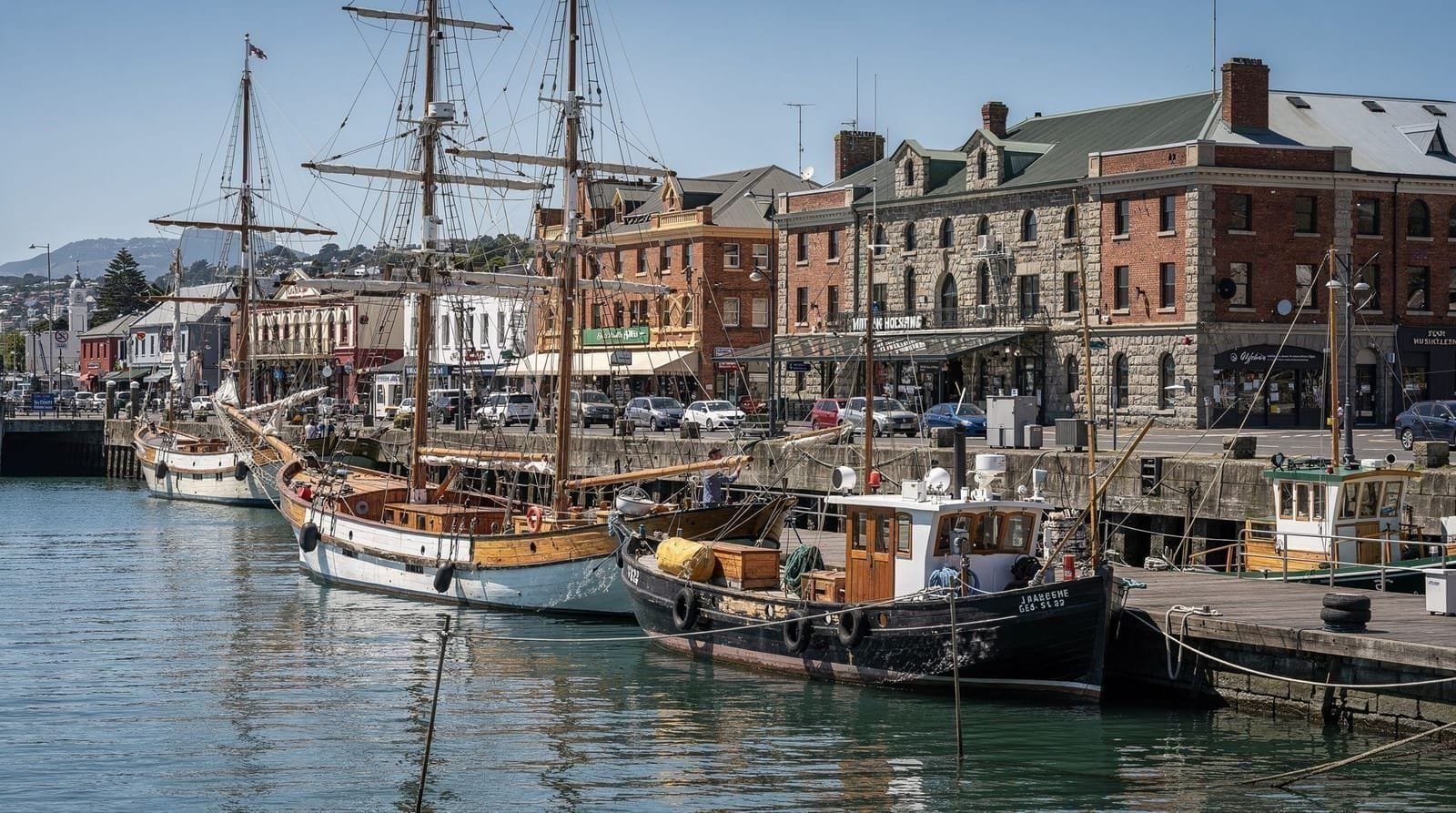
Tucked into the historic Bond Store building on Queens Wharf, the Museum of Wellington — formerly known as the Museum of Wellington City & Sea, a name still widely used and worth knowing if you’re searching for it — is one of the more easily overlooked stops on the Wellington waterfront, sitting a few minutes’ walk from Te Papa without anything like Te Papa’s scale or visibility. That’s slightly unfair to it, since what’s inside is a genuinely well-put-together account of exactly why this harbour matters so much to the city’s identity: shipwrecks, immigration by sea before air travel existed, and the single most significant maritime disaster in modern New Zealand history, all covered in a compact, free-to-enter format that rewards a focused 45-minute visit rather than demanding a whole afternoon.
A short walk from Te Papa
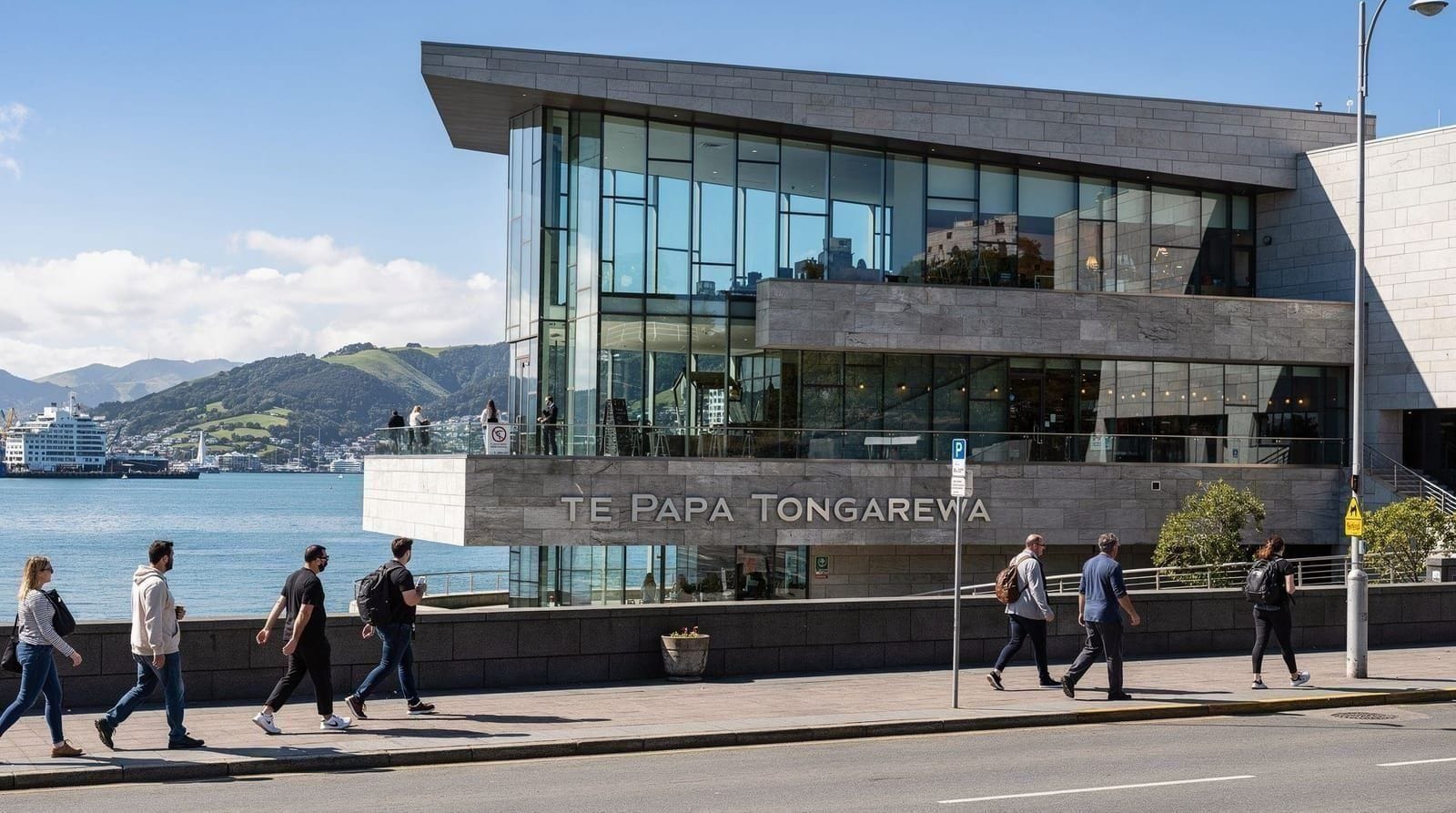
The museum sits close enough to Te Papa that most visitors reach it on foot within a few minutes of leaving New Zealand’s national museum, making the two a natural pairing for anyone spending a morning or afternoon around the waterfront rather than treating them as separate, unconnected outings. If you’d rather book Te Papa’s headline galleries ahead as part of a planned waterfront day, the Te Papa guided tour pairs naturally with a Museum of Wellington stop either side, giving structure to the morning before you wander to Queens Wharf independently.
The Bond Store building itself
The museum’s home is worth a moment’s attention before you even reach the exhibits. Built in 1892 as a bond store — a warehouse used to hold dutiable cargo under customs bond before duty was paid and goods released into the wider city — the building is a heritage-listed survivor of Wellington’s working port era, when Queens Wharf handled the bulk of the goods and people arriving by sea rather than the leisure-focused waterfront promenade it’s become today. Its solid brick construction and cargo-handling layout give the museum an atmosphere that a purpose-built modern gallery space couldn’t easily replicate — you’re standing inside a genuine piece of the working harbour the exhibits describe, not a reconstruction of one.
What’s inside: the core exhibits
The museum’s galleries trace Wellington’s story from Māori settlement of the harbour — Te Whanganui-a-Tara — through the arrival of European settlers by sea from 1840, and into the twentieth century’s shipping, immigration and disaster history. Ship models, cargo-handling equipment and photographs from the port’s working decades sit alongside personal accounts from immigrants who arrived after weeks or months at sea, a useful reminder of how differently travel to New Zealand worked before international air routes existed. The museum doesn’t try to cover every thread of the city’s broader history — that’s Te Papa’s and the Museum of Wellington’s maritime heritage territory in more depth — but what it does cover, it covers with real specificity and genuine period artefacts rather than generic reproductions.
The Wahine disaster: the museum’s most substantial exhibit
The sinking of the inter-island ferry TEV Wahine on 10 April 1968 is the single most significant event in Wellington’s modern maritime history, and the museum treats it accordingly. Caught in an extraordinarily violent storm — cyclone Giselle merging with a separate weather system in what remains one of the worst storms recorded in New Zealand history — the Wahine ran aground on Barrett Reef at the harbour entrance, drifted, and eventually capsized and sank in the shallows near Steeple Rock, with 51 people losing their lives that day and further deaths from injuries in the weeks and years after.
The disaster unfolded live on New Zealand television, one of the first major news events the country experienced through broadcast footage rather than newspaper reports the following morning, and the exhibit covers both the human stories of survival and rescue and the disaster’s lasting influence on New Zealand’s approach to maritime safety regulation. It’s a genuinely sobering, well-researched display, and arguably the single strongest reason to visit the museum specifically rather than treating the waterfront’s other free attractions as sufficient on their own.
Immigration and the port’s working history
Beyond the Wahine story, the museum covers the more everyday reality of Wellington as an immigration port — the ships that brought settlers from Britain and elsewhere across months-long voyages, the conditions on board, and the port facilities (including the Bond Store itself) that processed the goods and people arriving. This thread connects usefully to Wellington’s broader identity as a city built substantially by sea-borne arrival, a history that predates the airport by more than a century and shaped where and how the city itself grew up around its harbour.
How long to spend, and when to go
Budget around 45 minutes for a proper visit — the museum’s compact scale means it rewards a focused visit rather than a rushed skim, but it also doesn’t need the multi-hour commitment a visit to Te Papa does. It works particularly well as a wet-weather stop, since it’s entirely indoor and free of the crowds that build up at Te Papa on a rainy day when every visitor in the city is looking for cover; see our rainy-day things to do in Wellington guide for how it fits into a broader wet-weather plan.
Pairing with the rest of the waterfront
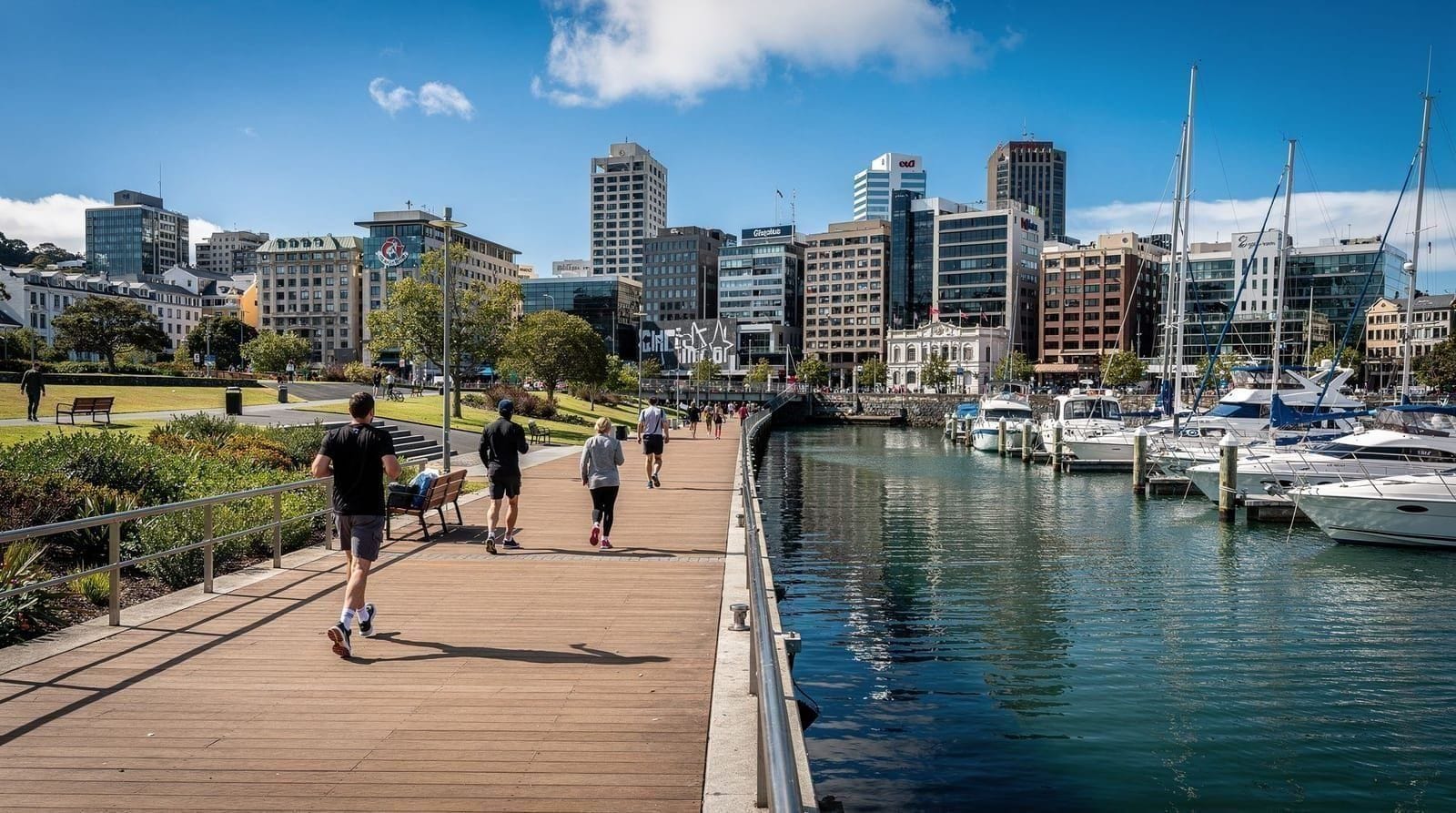
Given its location on Queens Wharf, the museum sits naturally along the Wellington waterfront walk route, making it an easy add-on rather than a special trip requiring its own dedicated outing. Visitors doing a full waterfront day — Te Papa in the morning, a walk along to Queens Wharf, lunch somewhere with a harbour view — can fold a 45-minute museum stop into that itinerary without disrupting the day’s pacing. It also pairs naturally with a visit to City Gallery Wellington a short walk away on Civic Square, giving a genuinely full afternoon of free, indoor culture stops along a single compact stretch of the CBD.
The Wellington Museums Trust and its sister sites
The Museum of Wellington operates under the Wellington Museums Trust, a council-connected organisation that also runs several of the city’s other smaller, specialist museums — Space Place, the planetarium and astronomy museum at the Carter Observatory near the Botanic Garden’s upper cable car terminal, and Nairn Street Cottage, a preserved 1858 colonial worker’s cottage in Thorndon that’s one of the oldest surviving houses in the city. Knowing this connection is useful if you’re building a wider culture-and-history-focused stay, since a single organisation’s cluster of smaller museums often shares complementary opening hours, ticketing approaches and thematic threads worth visiting together rather than as entirely separate outings.
The port’s decline, and why it matters to the exhibits
Part of what makes the museum’s maritime story genuinely poignant is the port’s own decline in relative importance across the twentieth century. Where Wellington’s harbour once handled the overwhelming majority of goods and people entering and leaving the city, the rise of domestic and international air travel from the mid-twentieth century onward steadily reduced the working port’s centrality to everyday city life, even as Cook Strait ferry crossings to Picton continued (and continue today) as a genuinely important transport link. The museum’s exhibits, in tracing this arc from booming immigration port to today’s leisure-focused waterfront, give a useful sense of just how differently Wellington related to its own harbour a century ago compared with how most visitors experience it today.
Specific artefacts worth seeking out
Among the museum’s ship models and period photographs, a few specific items reward closer attention if you want to get the most from a focused 45-minute visit. Cargo-handling equipment original to the Bond Store’s working decades gives a tangible sense of the physical labour involved in a pre-automation port, and personal immigrant accounts — letters, diaries and oral histories from settlers who endured the months-long sea voyage from Britain — humanise the immigration story in a way that ship manifests and statistics alone don’t achieve. The Wahine exhibit specifically includes survivor testimony alongside physical artefacts recovered from the wreck, giving the disaster section a weight that a purely factual timeline wouldn’t carry on its own.
Comparing to New Zealand’s other maritime museums
The New Zealand Maritime Museum in Auckland covers similar broad themes — immigration, shipping, and the country’s seafaring history — at a considerably larger scale and with a stronger focus on Auckland’s own harbour and yachting heritage specifically. Wellington’s museum is smaller and more tightly focused on this one city’s specific story, including the Wahine disaster, which Auckland’s museum doesn’t cover in comparable depth given its distance from Wellington’s exact geography. Visitors doing a wider New Zealand trip encompassing both cities will find each museum worthwhile on its own specific terms rather than one making the other redundant.
Best time to visit
Weekday mornings offer the quietest visiting conditions, since the museum sees a modest but real uptick in weekend and school-holiday foot traffic as visitors combine it with a broader waterfront day. Given its compact scale, though, genuine overcrowding is rarely a concern here the way it can be at Te Papa on a busy day — even a moderately busy visit rarely feels cramped given the museum’s manageable visitor numbers relative to its floor space.
Cost, and why it’s worth knowing this changes over time
General admission has historically been free, funded through a mix of Wellington City Council support and the Wellington Museums Trust that operates several of the city’s smaller cultural institutions. Council-run museums across the city, following the same funding pressure that led Te Papa to introduce its NZ$35 international-visitor fee in September 2025, have been reviewing charges for international visitors specifically — check current pricing directly before your visit rather than assuming free entry applies to every visitor category, since this is genuinely an area of active policy change across Wellington’s council-controlled museums right now. Whatever the current fee structure, the museum remains inexpensive relative to the genuine depth of its Wahine and settlement-history exhibits.
A suggested route through the galleries
Rather than wandering without a plan, a sensible route starts with the Bond Store’s own building history near the entrance, moves through the immigration and settlement galleries covering 1840s arrivals and the working port era, and ends with the Wahine disaster exhibit as the visit’s natural, more emotionally weighted conclusion. This sequencing — building context first, then arriving at the museum’s most significant single story — tends to land better than tackling the Wahine material cold without the surrounding settlement history to frame why this harbour, and this specific disaster, mattered so much to the city’s development. Most visitors naturally gravitate toward this order regardless, since the galleries are laid out roughly chronologically, but it’s worth being deliberate about pacing rather than rushing toward the most famous exhibit first.
Visiting with children
The museum’s compact scale and free entry make it a reasonable stop for families, though the Wahine disaster content specifically suits older children and adults better than very young kids, given its genuinely sombre subject matter and reliance on written testimony and photographs rather than the hands-on interactivity that holds a toddler’s attention. Families with a mix of ages might treat this as a shorter stop for younger children — a quick look at the ship models and Bond Store building history — while older kids and parents spend more time with the Wahine exhibit specifically. It’s not a headline family attraction the way Te Papa is, but it’s a worthwhile 20-30 minute add-on even with young children in tow, given how little time commitment it demands.
Nearby dining and combining with a meal
Queens Wharf and the surrounding waterfront have a reasonable spread of cafés and casual dining options, making it easy to combine a museum visit with lunch or a coffee break either side without needing to travel elsewhere. This is particularly convenient if you’re already spending a full day around the waterfront taking in Te Papa, a harbour walk and the museum together, since none of these stops require leaving the same compact stretch of shoreline for food.
Accessibility and facilities
The Bond Store’s heritage construction means some sections involve steps and older building features rather than a fully modern, purpose-built accessible layout — check directly with the museum if mobility is a specific concern for your visit. Toilets are available on-site, and the museum’s Queens Wharf location puts it within easy reach of the waterfront’s broader café and dining options for a break either side of your visit.
Volunteers and how the museum is staffed
Like several of Wellington’s smaller council-connected cultural institutions, the Museum of Wellington relies partly on volunteer guides and front-of-house staff alongside its core professional team, a common pattern for compact museums of this scale that don’t carry Te Papa’s considerably larger operating budget. Volunteer guides, where available, can add genuinely valuable additional context beyond the printed panels, particularly around the Wahine disaster, where several long-serving volunteers have personal or family connections to the event’s local memory. It’s worth asking on arrival whether a guide is on duty and available for a few minutes of extra commentary, since this isn’t always advertised in advance the way a formal guided tour would be.
Combining with a first-day city itinerary
Our Wellington in 2 days itinerary folds a waterfront morning — Te Papa, this museum and a harbour walk — into a broader two-day structure, useful if you’re planning a first visit around a fixed schedule rather than picking attractions ad hoc.
Fitting the museum into a wider Wellington sightseeing day
Most visitors encounter the Museum of Wellington as one stop within a broader waterfront day rather than a planned destination in its own right, and it slots naturally into the fuller things to do in Wellington list as a compact, free add-on for anyone with a spare 45 minutes near Queens Wharf. Treating it this way — as a worthwhile bonus rather than a must-plan-around headline attraction — sets the right expectations for what is, honestly, a small but genuinely rewarding museum.
Who this suits, honestly
This suits visitors with a genuine interest in New Zealand’s maritime history, anyone specifically wanting to understand the Wahine disaster’s place in the country’s collective memory, and travellers looking to round out a waterfront day with one more free, indoor stop beyond Te Papa. It suits less well visitors on a very tight schedule with only time for one museum — in that case, Te Papa should take priority given its far larger scope, and the Museum of Wellington is better treated as an add-on for a second day or a longer stay rather than competing directly with it for a single limited time slot.
Combining with a wider culture and history day
Visitors building a dedicated culture-and-history-focused day around Wellington’s CBD should treat the Museum of Wellington as one stop among several rather than the day’s centrepiece. A reasonable route: Te Papa in the morning for the Māori collections and Gallipoli exhibition, the Museum of Wellington after lunch for the city’s own maritime story, then either City Gallery Wellington or a walk up to Old St Paul’s and the NZ Parliament tour in Thorndon to round out the afternoon, all within comfortable walking distance of each other along the CBD’s waterfront-to-Thorndon axis.
For a deeper look specifically at the harbour’s layered history — Māori settlement, European arrival, and the Wahine disaster in a broader chronological sweep — see our Wellington maritime heritage guide, which picks up several threads the museum’s own compact galleries only have room to summarise.
A note for return visitors
Repeat visitors to Wellington who’ve already done the museum’s core galleries on a previous trip should still find a return visit worthwhile if exhibits have rotated or a temporary display has been added, since the museum periodically refreshes smaller sections of its collection even while the core Wahine and settlement galleries remain largely consistent year to year. Checking the museum’s current exhibit listing before a return visit, rather than assuming it’s identical to a trip from a few years earlier, avoids the disappointment of expecting something new that hasn’t actually changed.
Ticketing and how it differs from Te Papa’s system
Unlike Te Papa, which has introduced a formal ticketing and booking system alongside its international-visitor fee, the Museum of Wellington operates on a simpler walk-in basis without needing advance booking or timed entry slots, regardless of season or day of the week. This makes it a genuinely flexible add-on to slot into a day whenever a gap appears, rather than something that needs planning around a fixed arrival window the way a booked Te Papa visit sometimes does during peak periods.
Comparing a visit here to a Wellington Museums Trust day pass
Visitors interested in more than just the Museum of Wellington itself might reasonably ask whether the Wellington Museums Trust offers any kind of combined ticket across its sites — Space Place and Nairn Street Cottage among them. In practice, each of the Trust’s sites is generally visited and, where applicable, ticketed independently rather than through a single bundled pass, so budget for each stop separately if your itinerary extends beyond the Museum of Wellington to the Trust’s other, smaller sites during a longer Wellington stay.
What the shop and entrance area offer
The museum’s small entrance area typically includes a modest selection of locally themed books and postcards, worth a quick browse on the way out rather than a dedicated stop in its own right, since the shop’s scale reflects the museum’s overall compact footprint rather than a full retail experience like Te Papa’s larger gift shop. Staff at the entrance desk are generally happy to answer quick questions about current exhibits or point out whether a volunteer guide is on duty that day, a useful first stop before heading into the galleries proper.
A quiet counterpoint to the CBD’s busier attractions
For visitors who’ve spent a morning navigating Te Papa’s crowds or the cable car’s queues, the Museum of Wellington offers a genuinely calmer pace by contrast — modest visitor numbers, no timed-entry pressure, and a scale that invites a slower, more attentive look rather than the busier navigation a larger institution sometimes demands. This quieter character is part of the appeal for visitors who find themselves museum-fatigued after a bigger stop earlier in the day, and it’s a reasonable reason on its own to save the Museum of Wellington for the afternoon rather than the morning of a full waterfront day.
Photography and what you can bring home
Photography is generally permitted throughout the galleries for personal, non-commercial use, letting you capture the ship models, Bond Store architecture and Wahine exhibit details for your own trip record — check current signage on entry, since specific policies around flash or tripod use can vary by exhibit. Given the compact scale, a phone camera handles the space comfortably without needing dedicated equipment, and the warm, low-lit atmosphere of the historic building itself often makes for more atmospheric shots than a brightly lit modern gallery would.
A rainy-day pairing worth planning around
Because the museum is entirely indoor, free and rarely crowded, it’s one of the more reliable wet-weather stops on the waterfront alongside Old St Paul’s and City Gallery Wellington — all free, all indoor, and all genuinely worthwhile rather than mere shelter from the rain. A determined wet-weather visitor could reasonably string together all three across a single rainy afternoon, moving between them on foot without needing transport, and coming away with a genuinely full day of Wellington’s civic and maritime history despite the weather working against outdoor plans.
Frequently asked questions about Museum of Wellington guide
How much does the Museum of Wellington cost to enter?
General admission is free for New Zealand residents; check current pricing for international visitors directly with the museum, since Wellington's council-run museums have been introducing modest international-visitor charges in recent years, following the same pattern as Te Papa's entry fee. Either way, it's inexpensive relative to the depth of what's on display.What is the Bond Store and why does the museum sit inside it?
The Bond Store is a heritage-listed harbour warehouse dating from 1892, originally used to store dutiable goods (hence the name) awaiting customs clearance as they moved through Wellington's working port. The museum uses the building's own cargo-handling history as part of its story, alongside the exhibits about the wider harbour.Does the museum cover the Wahine disaster?
Yes — the 1968 sinking of the inter-island ferry Wahine, New Zealand's worst peacetime maritime disaster, is one of the museum's most substantial exhibits, covering the storm, the rescue effort, and the disaster's lasting impact on how New Zealand handles maritime emergencies.How long do you need at the Museum of Wellington?
Around 45 minutes covers the museum properly without feeling rushed, since it's compact by design rather than a sprawling multi-floor institution. It works best as a focused add-on either side of a longer waterfront walk or a Te Papa visit rather than a standalone half-day trip.Is the Museum of Wellington the same as Te Papa?
No, and the similar names cause genuine confusion. Te Papa is New Zealand's national museum, covering the whole country's natural history, art and Māori culture at a vast scale. The Museum of Wellington is a much smaller, city-specific museum focused purely on Wellington's own maritime and settlement story, housed in a historic waterfront building a short walk from Te Papa.