Te Papa guided tour review: is a paid guide worth it at a free museum?
Wellington: Museum of Te Papa Tongarewa Guided Tour
What the Te Papa guided tour actually is
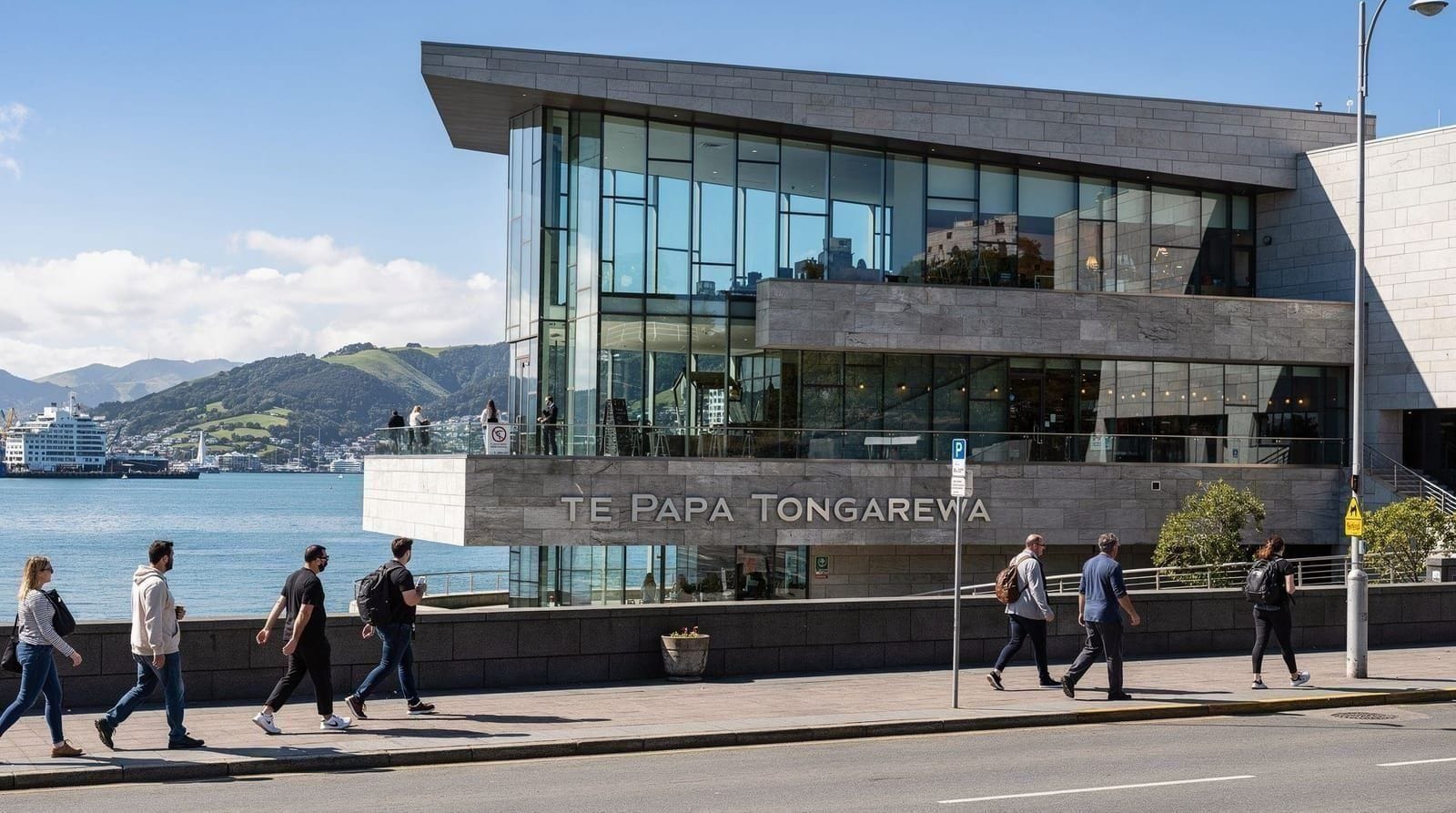
Te Papa Tongarewa — the Museum of New Zealand — sits right on Wellington’s waterfront and is free to enter, which raises an obvious question for anyone considering a paid tour: why book a guide at a museum that costs nothing to walk into?
| Where | Te Papa, Wellington waterfront |
| Cost | Free entry; guided tour NZD 30–50/adult on top |
| Time needed | 60–90min guided; half a day or more if exploring independently after |
| Getting there | Easy walk from the CBD and cable car |
| Best time | Book ahead for cruise-ship days and school holidays |
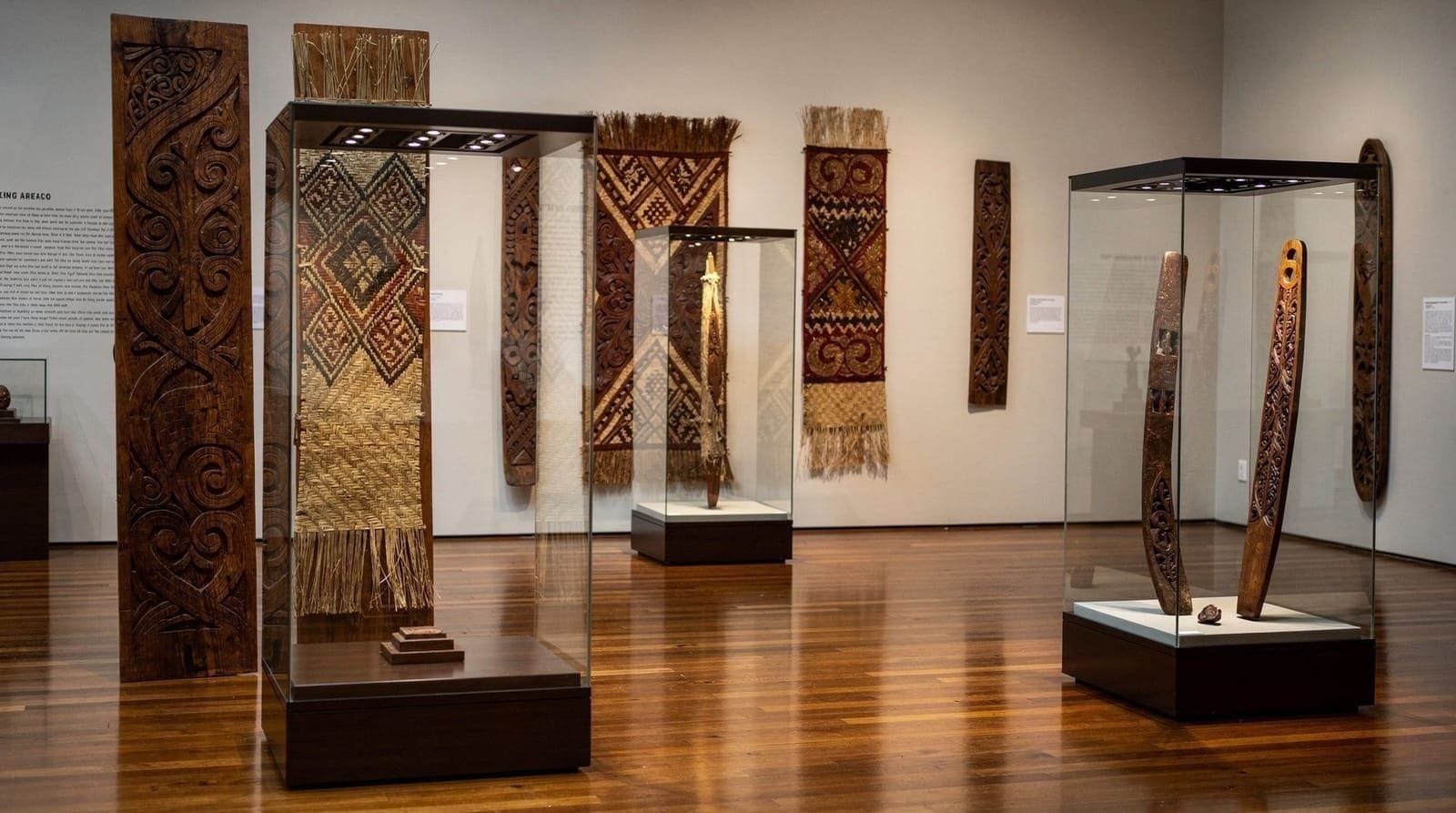
The Te Papa guided tour covers a curated 60- to 90-minute route through the museum’s main highlights, led by a guide who provides historical and cultural context that gallery wall text alone doesn’t always deliver — particularly around the Māori collections, where guided cultural framing adds a level of depth self-guided browsing tends to miss. You’re not paying for entry; you’re paying for a coherent path through the building and someone to answer questions as you go.
Te Papa’s scale means a completely unguided first visit can easily become an unfocused wander, especially for visitors with only a couple of hours to spare — which is exactly the scenario a guided tour is built to solve.
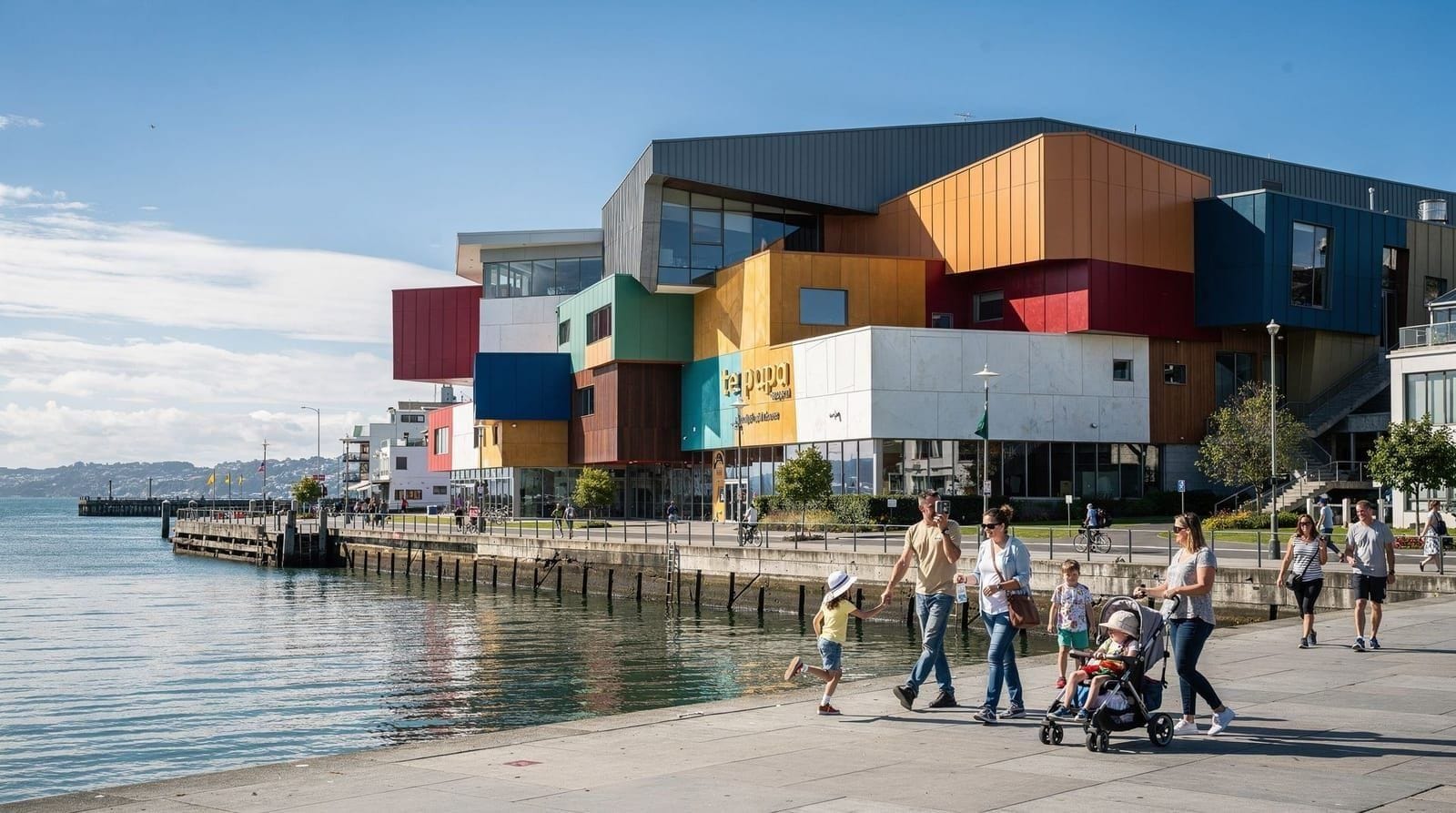
Opened in its current waterfront building in 1998, Te Papa was designed from the outset as a bicultural national museum — its name translates roughly as “the place of treasures,” and its structure deliberately weaves Māori and Pacific perspectives through collections that in many other national museums would be presented as a separate, siloed wing. That bicultural framing is genuinely central to what makes Te Papa distinctive internationally, and it’s exactly the layer of meaning a good guide is best placed to draw out, since it’s easy to walk past without realising its significance if you’re moving through independently on limited time. The building itself was engineered to withstand major seismic activity given Wellington’s earthquake risk, an unglamorous but genuinely reassuring piece of context for visitors who notice the museum’s substantial, low-slung waterfront profile and wonder why it doesn’t rise higher given the prime harbour-front site.
Getting to Te Papa
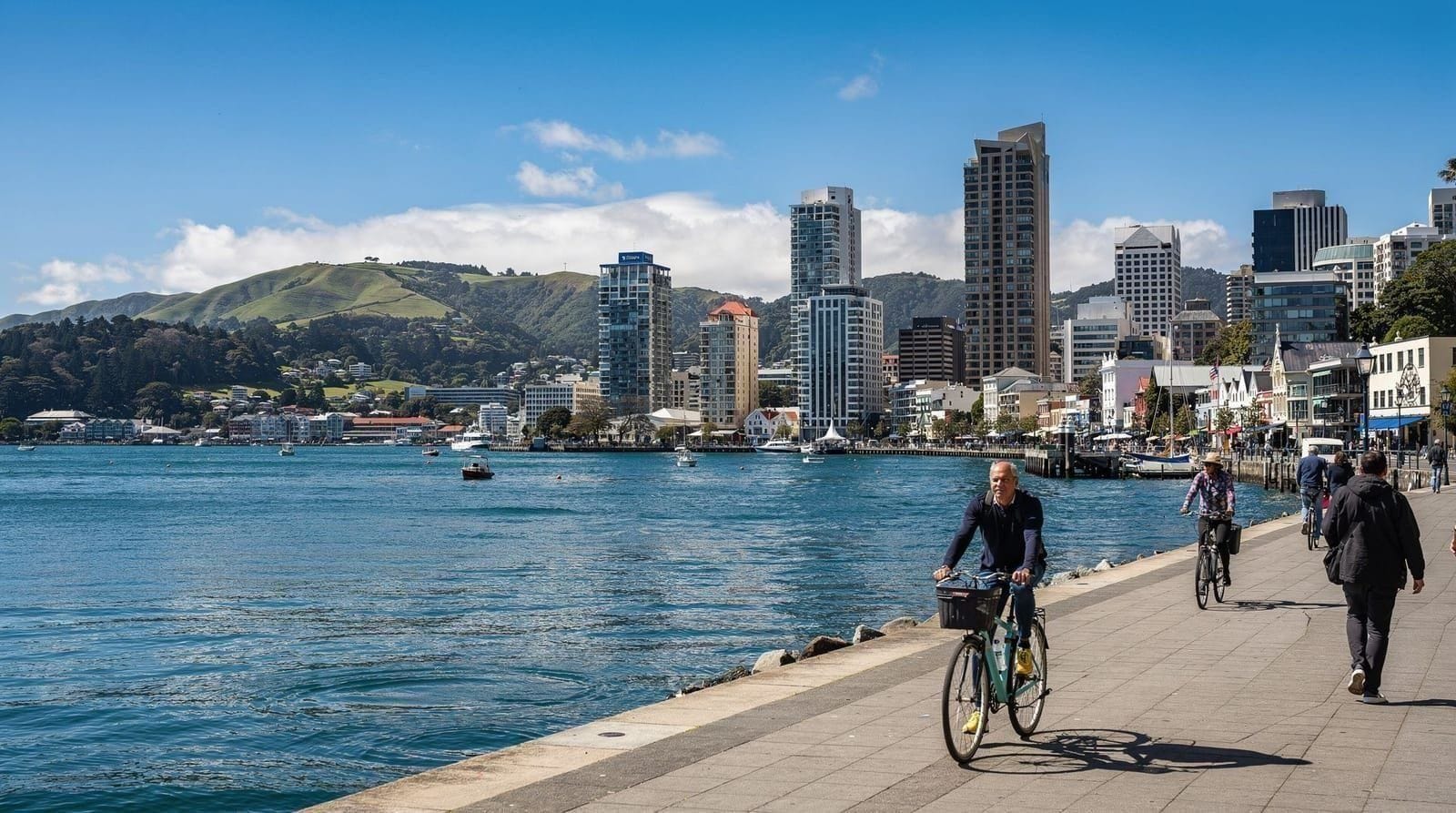
Te Papa sits directly on the Wellington waterfront, an easy 10 to 15 minute walk from most central CBD hotels and close enough to the Wellington Cable Car terminus and Cuba Street to fold naturally into a single day of central sightseeing without needing a taxi or bus between stops. Cruise-ship passengers on a short port call will find it one of the most walkable major attractions from the terminal, and it’s a sensible first or last stop for anyone building a Wellington in 1 day plan around the waterfront.
| Visit timing | Crowd level | Notes |
|---|---|---|
| Cruise-ship days, school holidays | Busiest | Book your guided slot ahead |
| Weekday mornings | Quietest | Best for a relaxed, unhurried visit |
| Weekend afternoons | Moderate to busy | Locals and families common |
A typical guided visit, step by step
Guided tours typically assemble near the main entrance on the ground floor, with a small group and a single guide for the full 60 to 90 minutes. Expect the route to move through a deliberately curated cross-section rather than attempting the whole building — commonly touching the ground-floor Bush City and natural history areas, moving up through the Māori taonga and meeting house on the fourth floor, and, depending on the day and current exhibitions, a stop at the Gallipoli exhibit or a temporary touring show.
Because Te Papa’s layout spans six floors connected by escalators and lifts, a guide’s main practical value is route efficiency as much as content — getting you between distant galleries without backtracking or missing connecting paths that aren’t always obvious from the building’s open, multi-level design.
What’s included and what it costs
General admission remains free regardless of whether you book a guide — this is important to understand before comparing prices, since you’re not paying an entry fee anywhere in this equation, only for the guiding service itself. The standard guided tour typically runs NZD 30 to 50 per adult for 60 to 90 minutes.
Two specialised alternatives are worth knowing about. The Te Papa Mana Māori Highlights tour goes deeper specifically into the museum’s Māori taonga, meeting house, and cultural storytelling, with a stronger emphasis on Māori perspective than the general tour — a strong fit if that’s your primary reason for visiting. The Twilight Express tour is a shorter, roughly 45-minute after-hours format for visitors with limited time in the evening, hitting a tighter selection of highlights at a brisker pace.
None of these tours include separate-entry temporary exhibitions, which occasionally charge their own fee on top of Te Papa’s free general admission — worth checking what’s currently showing before you visit if a specific touring exhibition is part of your reason for going.
For a family of four booking the standard guided tour, expect roughly NZD 100 to 140 total for the guiding itself at typical adult and child rates, on top of zero entry cost — genuinely inexpensive against most paid Wellington attractions, since you’re essentially only paying for curation and commentary at a museum that costs nothing to enter regardless.
Comparing the three guided formats
| Format | Duration | Cost (NZD/adult) | Focus |
|---|---|---|---|
| Standard guided tour | 60–90min | 30–50 | Broad overview across main collections |
| Mana Māori tour | Similar length | Similar range | Deeper focus on Māori taonga and storytelling |
| Twilight Express tour | ~45min, after hours | Shorter format pricing | Tight evening slots, brisker pace |
Accessibility and practical logistics
Te Papa is a purpose-built modern museum with lifts connecting all six floors, wide accessible pathways, and accessible restrooms throughout, making it one of the more genuinely accessible major attractions in the city for visitors with mobility considerations, strollers, or wheelchairs. Guided tour groups move at a measured pace suited to mixed-ability groups rather than a brisk walking-tour speed, which is worth knowing if pace is a concern for anyone in your party. A cloakroom and lockers are also available near the entrance, useful if you’re arriving with luggage between accommodation changes or before catching onward transport. Café and gift shop facilities are on-site and wheelchair accessible too, so a full visit doesn’t require leaving the building for food or a rest break partway through.
Is it worth it — the honest verdict
For a first visit, especially a time-limited one, yes. Te Papa’s free admission is genuinely generous, but that generosity comes with the trade-off of no built-in structure — nothing forces you toward the highlights over the less essential corners of a very large building. A guide fixes that in the most direct way possible: by walking you straight to what’s worth seeing and explaining why it matters, in a fraction of the time self-guided trial and error would take, sparing you the common first-time-visitor experience of leaving unsure whether you actually saw the museum’s best material.
The honest trade-off is for visitors with plenty of time and a preference for independent exploration. If you have a half-day or more to spend and enjoy reading exhibit text and wandering at your own pace, the free self-guided option loses nothing meaningful except the guide’s real-time context and curated efficiency — Te Papa’s own signage and gallery layout are genuinely well done. The guided tour’s value scales inversely with how much time you have: essential-feeling on a rushed 90-minute stop, optional on a relaxed full-day visit.
There’s also a middle path worth considering seriously: book the shorter guide-led segment purely for orientation and the Māori cultural context that’s hardest to self-teach, then spend the remainder of a longer visit wandering independently through whichever galleries most caught your interest. This hybrid approach consistently gets recommended by repeat visitors as the best of both formats, and it costs no more than the guided tour alone since the free general admission covers however long you choose to stay afterward.
Who this suits
This is a natural first stop within our Wellington in 1 day guide for visitors sequencing a tight single day. It suits first-time visitors with limited time, cruise-ship passengers on a short Wellington port call, and anyone who wants efficient, curated cultural context rather than open-ended browsing. Families with children who benefit from a guide keeping the pace moving and the narrative engaging are also a good fit — see our Te Papa with kids guide for more on that angle specifically. It’s also a strong choice for visitors with a genuine interest in Māori culture who want that context explained by a knowledgeable guide rather than pieced together independently from gallery text alone.
It suits less well independent travellers with a full day or more to spend, museum enthusiasts who prefer reading every panel at their own pace, and repeat visitors who already know the layout and highlights. In those cases, the free self-guided route through our Te Papa complete guide covers the same essential stops without the added cost, and the money saved is often better spent elsewhere on your trip.
Tips for visiting
Book your guided slot for the start of your visit, then use any remaining time afterward to revisit favourite galleries independently at no extra cost — this combination gets you both the curated overview and the freedom to linger where you personally want to. If Māori culture is your main interest, choose the Mana Māori tour over the general option; it goes considerably deeper on exactly that ground.
Bring a reusable water bottle — Te Papa has refill stations throughout, and a full visit including a guided segment plus independent exploring can easily run three to four hours once you factor in the café and gift shop. Arrive with a rough sense of priorities beyond what the guide covers, since even a well-run 90-minute tour only scratches the surface of what the museum holds across six floors.
Wellington’s Te Papa sits directly on the waterfront, an easy walk from the CBD and cable car, so it pairs naturally into a single day alongside other central sights. On rainy Wellington days, Te Papa is one of the best fallback plans in the city, since the entire experience is indoors and substantial enough to fill several hours comfortably.
Getting the most from a short visit
If you genuinely only have 60 to 90 minutes, prioritise the Gallipoli exhibit, the Māori meeting house and taonga galleries, and the natural history “Nature Space” — these three areas consistently rank as visitor favourites and a good guide will sequence a route through them efficiently rather than trying to touch every floor.
Check ahead if a specific temporary exhibition is running during your visit, since these rotate regularly and occasionally represent the single most talked-about reason to visit at any given time — a good guide will typically flag whether a current touring show is worth the extra time (and any separate entry fee) or better skipped in favour of the permanent collection highlights.
Alternatives to consider
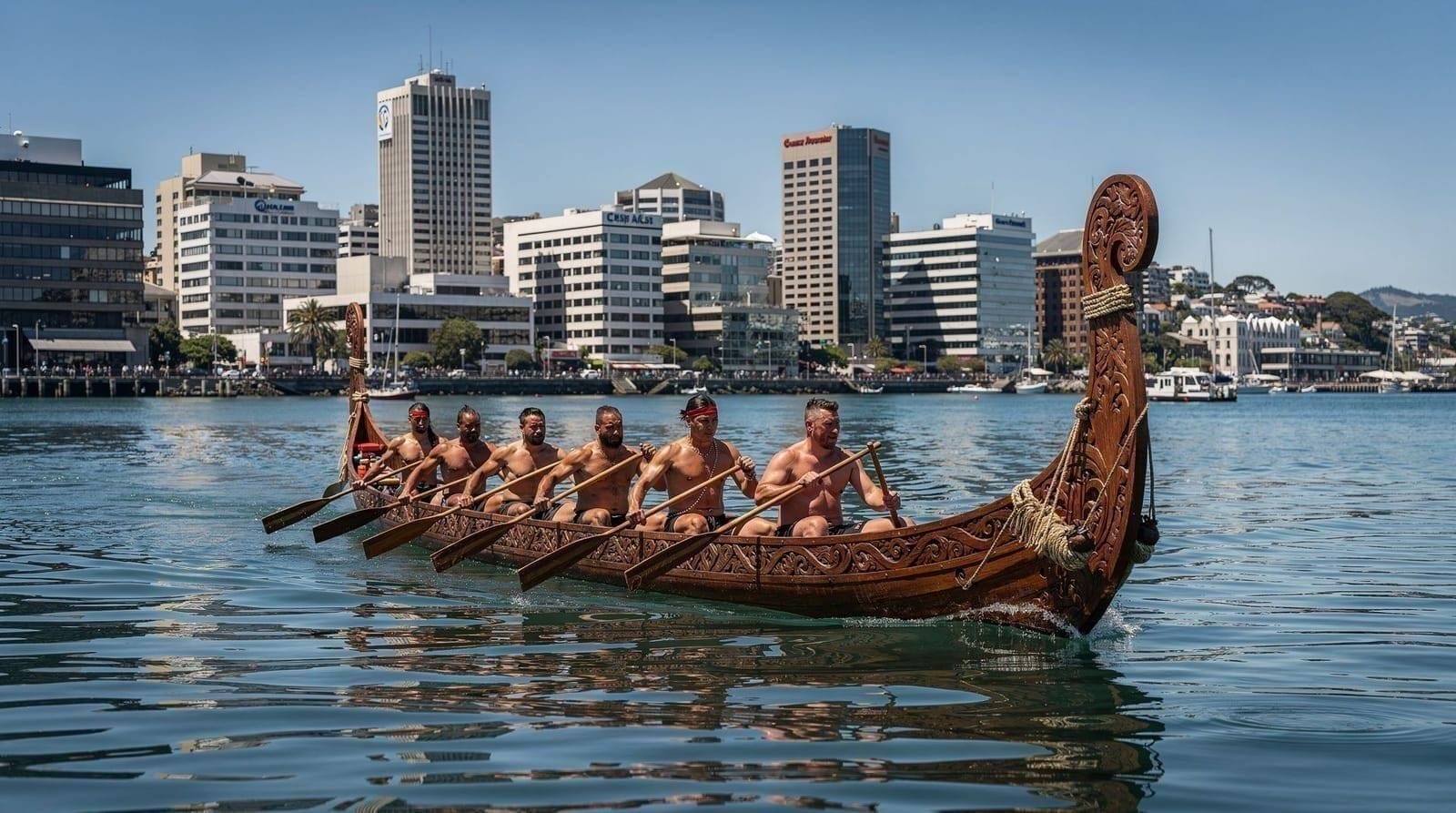
If your specific interest is Māori culture and taonga rather than Te Papa’s broader collection, our Te Papa Māori collections guide pairs well with the Mana Māori tour , and a guided waka experience elsewhere in the city extends that theme beyond the museum walls entirely — worth combining into the same day if Māori culture and history are a genuine focus of your Wellington visit rather than a single-stop curiosity.
For visitors with only an evening free, the Twilight Express tour compresses the highlights into a shorter after-hours slot rather than requiring a full daytime visit. And if free, fully self-guided exploration appeals more than a paid tour of any length, our Te Papa complete guide lays out a sensible self-directed route through the building’s best galleries at zero additional cost.
If your Wellington itinerary includes a rainy stretch, our rainy-day things to do in Wellington guide covers Te Papa alongside other reliable indoor options, useful for reshuffling a weather-dependent plan without losing a full day. And if you’re travelling with children specifically, our Te Papa with kids guide goes deeper into which galleries hold young attention best and how a guided tour changes that dynamic compared with self-guided exploring.
Compare the standard guided tour against the Māori-focused and Twilight Express alternatives below to see which best matches your interests and available time.
Compare alternative tours
Frequently asked questions about Te Papa guided tour review: is a paid guide worth it at a free museum?
Is Te Papa free to enter?
Yes — general admission to Te Papa Tongarewa (the Museum of New Zealand) is free, funded as a national institution. The guided tour is a paid add-on for visitors who want curated commentary rather than a fee to enter the building itself. Some temporary exhibitions do charge separate entry.How much does the Te Papa guided tour cost and how long does it run?
Guided tours typically run 60 to 90 minutes and cost in the range of NZD 30 to 50 per adult, on top of the free general admission. Specialised versions — the Māori-focused Mana Māori tour and the after-hours Twilight Express tour — are priced and timed slightly differently.What does a guide add that I wouldn't get exploring on my own?
Te Papa is large — six floors covering natural history, Māori and Pacific culture, art, and New Zealand's social history — and a self-guided visit can easily turn into an unfocused wander. A guide curates a coherent route through the highlights in the time you have, adds cultural and historical context (particularly valuable in the Māori collections) that wall text doesn't fully capture, and answers questions in real time.Is the guided tour worth it for a short visit?
If you only have 60 to 90 minutes at Te Papa, a guided tour is arguably more valuable than self-guided browsing, since a guide will steer you directly to the highlights — the Gallipoli exhibit, the Māori meeting house, the natural history galleries — rather than leaving you to discover (or miss) them yourself under time pressure.What's the difference between the standard guided tour and the Mana Māori tour?
The standard guided tour gives a broad overview across the museum's main collections. The Mana Māori tour focuses specifically and more deeply on Te Papa's Māori taonga (treasures), meeting house, and cultural context, led with a stronger emphasis on Māori perspective and storytelling — a better fit if Māori culture is your primary interest in visiting.Can I do both a guided tour and explore on my own in the same visit?
Yes, and it's a common and sensible approach — many visitors start with a 60 to 90 minute guided tour to get oriented and see the curated highlights, then use remaining time (Te Papa easily fills half a day or more) to revisit favourite galleries or explore sections the tour didn't cover, at their own pace and at no extra entry cost.Do I need to book the Te Papa guided tour in advance?
Booking ahead is recommended, particularly for the specialised Mana Māori and Twilight Express formats, which run on more limited schedules than the general tour. Cruise-ship days and school holidays can see higher demand for guided slots, so securing a time online before you arrive removes one variable from a tight sightseeing day.