Wellington or Auckland: which city break?
Two very different cities sharing one country
Auckland and Wellington get compared constantly, mostly by visitors trying to decide which one deserves the two or three days they can spare on a North Island trip that’s mostly built around other destinations. The comparison isn’t really fair to either city, because they’re built on completely different premises — Auckland is a sprawling, harbour-side metropolis of 1.6+ million people spread across multiple centres and connected by a car-dependent road network, while Wellington is a compact capital of around 215,000 packed into a walkable grid between a harbour and a ring of hills. Which one suits your trip better depends less on which city is “better” and more on what kind of two or three days you actually want.
| Population | Wellington ~215,000 / Auckland 1.6+ million |
| Best for | Wellington: walkable, compact; Auckland: wider range, gateway city |
| Getting into the CBD | Wellington: ~20 min bus, NZ$9; Auckland: 40-50 min |
| Signature draw | Wellington: film heritage, cafe culture; Auckland: variety, Waiheke |
| Typical mid-range cost | Similar, NZ$120-180/night either city |
Size and walkability: the real difference
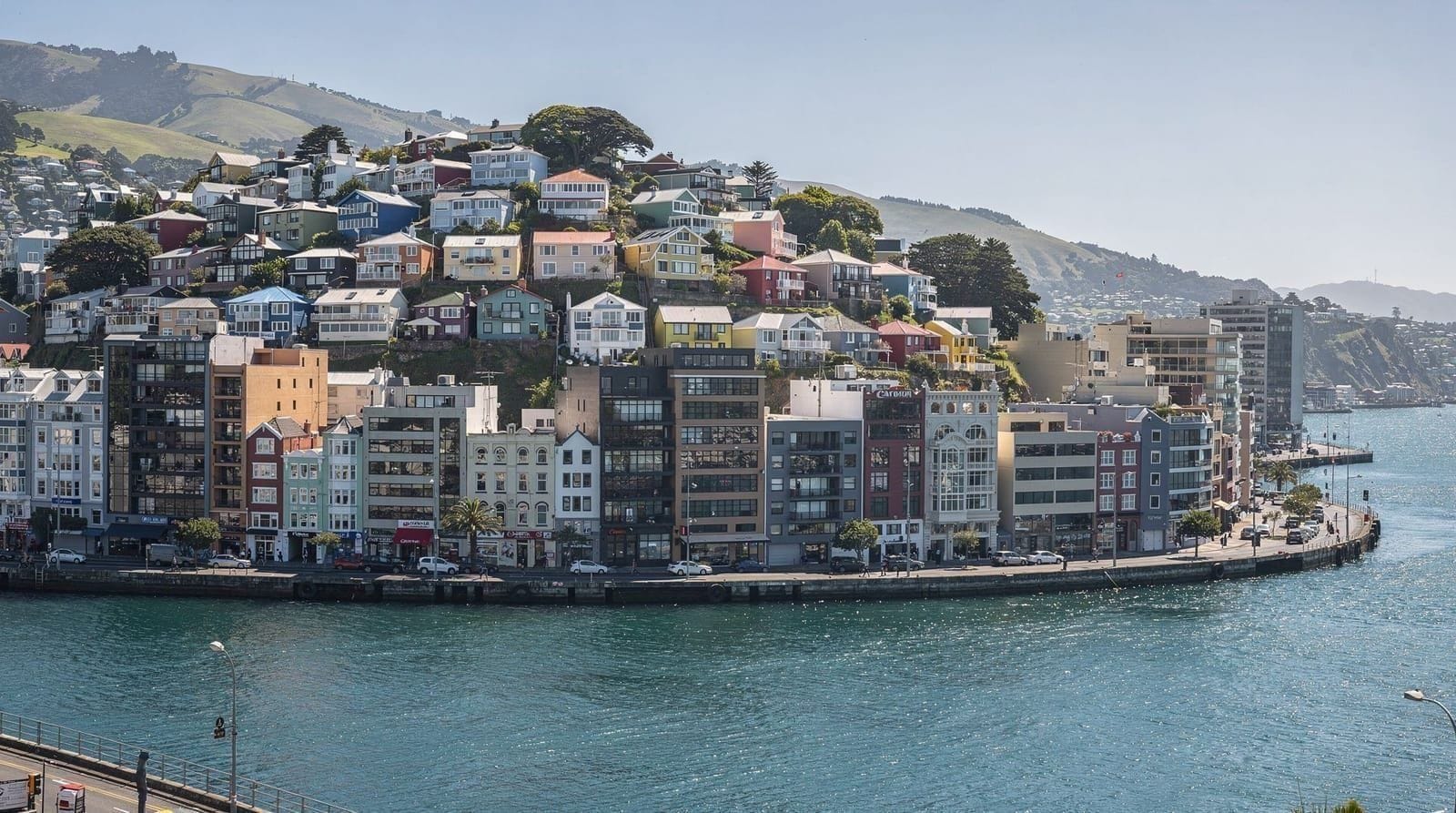
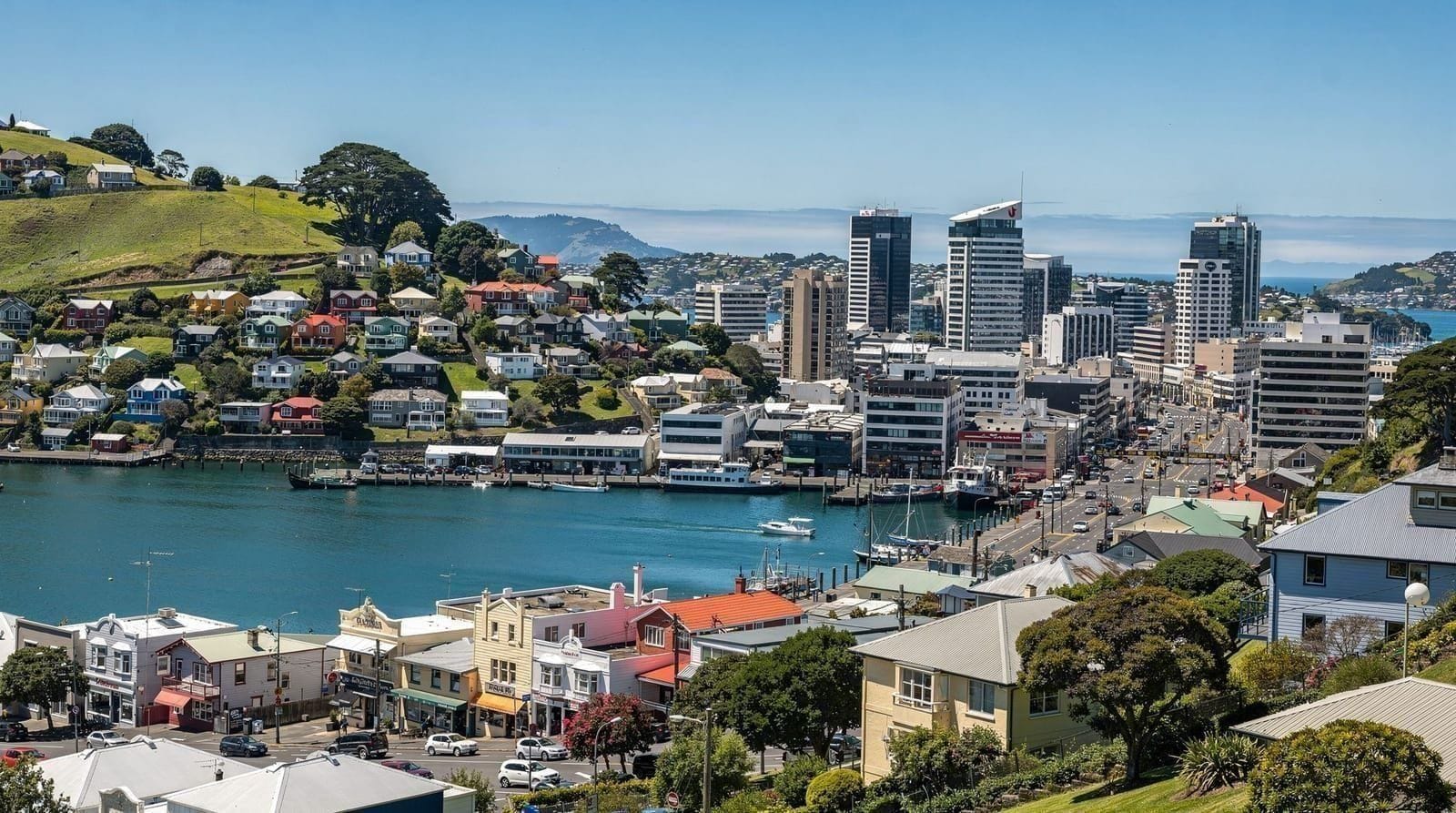
This is the single biggest practical difference. Wellington’s CBD, Cuba Street, the waterfront and most of its major attractions sit within a 15-30 minute walk of each other, and our things to do in Wellington guide reflects that — most day plans don’t need a car or even much public transport. Auckland is the opposite: the CBD, Ponsonby, Mount Eden, the Viaduct and the western beaches are each their own pocket, connected by driving or a bus network that’s serviceable but not built for the kind of spontaneous wandering Wellington rewards. If “explore on foot without much planning” is what you want from a city break, Wellington wins outright. If you want a wider spread of neighbourhoods and don’t mind organising transport between them, Auckland has more range.
Film heritage: a genuine Wellington differentiator
Wellington’s claim as the production hub behind Lord of the Rings, The Hobbit and Weta Workshop’s ongoing film effects work (including new productions still shooting in Miramar) is a real point of difference, not marketing spin — Weta Workshop, the Miramar studios and the wider film district give Wellington something Auckland doesn’t have an equivalent to. Our Weta Workshop guide covers what the tours actually involve, and it’s worth being honest that this appeal is fairly narrow: if you’re not a Lord of the Rings fan or interested in film production, it’s not a reason on its own to pick Wellington over Auckland.
Food and coffee culture
Both cities have strong dining scenes, but they lean differently. Wellington’s reputation rests on cafe density and quality — the city claims (with some justification) the country’s best flat whites, and Cuba Street alone has one of the highest concentrations of independent cafes and restaurants per capita in New Zealand. Our Wellington coffee capital guide goes into why that reputation holds up. Auckland’s food scene is larger and more internationally diverse, reflecting its bigger, more multicultural population, with stronger representation of Pacific, Asian and fine-dining options spread across more neighbourhoods. If quality-dense cafe culture in a small footprint matters more to you than sheer variety, Wellington edges it; if you want the widest possible range of cuisines, Auckland has more depth.
Nature and day trips
Wellington’s regional depth is arguably its strongest card against Auckland: Zealandia’s urban wildlife sanctuary sits a 10-minute drive from the CBD, Kāpiti Island’s predator-free bird sanctuary is under an hour north, and Martinborough’s wine country is a scenic 65 km drive over the Remutaka Range. Auckland’s equivalents — Waiheke Island’s wineries, the Hauraki Gulf, Waitakere’s rainforest — are genuinely good but generally require a longer commitment (a ferry crossing plus a full day, in Waiheke’s case) than Wellington’s tighter cluster of options. For a two- or three-day trip, Wellington packs more variety into less travel time.
Weather and seasonality
Both cities sit at similar latitudes and share the same broad seasonal pattern (summer December-February, winter June-August), but Wellington’s wind is the real point of difference — Auckland gets more rain overall, while Wellington gets more consistent, structural wind that shapes daily planning in a way Auckland’s weather doesn’t. Our piece on why Wellington is called the Windy City covers why this happens and what it means for a short visit; it’s a genuine consideration for outdoor plans (harbour walks, ferry crossings, scenic flights) in a way that rarely factors into an Auckland itinerary. Neither city has a true bad season for a city-break visit, though both are considerably quieter and cheaper outside the December-February peak, with March-May offering the best value-to-weather ratio in Wellington specifically.
First impressions and getting oriented
Arriving in Wellington, most visitors are struck by how quickly the airport-to-CBD trip resolves — the Airport Express bus takes around 20 minutes for NZ$9, and from there the compact grid means you can be walking Cuba Street or the waterfront within half an hour of touching down. Auckland’s equivalent trip, from a considerably larger airport further from the centre, typically takes closer to 40-50 minutes by bus or train and drops you into a bigger, more spread-out downtown that takes longer to get oriented in. For a short trip where every half-day matters, Wellington’s compressed logistics genuinely add useful time back to your itinerary that Auckland’s larger scale doesn’t offer in the same way. Our Wellington first-timer’s guide covers this initial orientation in more detail for visitors arriving for the first time.
Cost: closer than people assume
Neither city is meaningfully cheaper than the other on a like-for-like basis — mid-range accommodation runs NZ$120-180/night in both, a casual meal is NZ$15-25 in both, and a flat white is NZ$5.50-6.50 either way. Auckland’s flights are usually the primary international gateway, so if you’re flying into New Zealand rather than connecting domestically, Auckland has a natural cost and logistics advantage as your first stop. Wellington is a short domestic flight (around an hour) or a longer bus/train from Auckland, which is worth factoring into a tight itinerary.
Nightlife and evening options
Auckland’s larger population supports a wider spread of nightlife districts — the Viaduct’s waterfront bars, Ponsonby’s more upscale scene, K Road’s alternative venues — while Wellington concentrates most of its evening energy into a smaller footprint around Courtenay Place and Cuba Street. That concentration cuts both ways: Wellington’s craft-beer and bar scene is genuinely excellent for its size (our Wellington craft-beer scene, explained covers why), and it’s all walkable from most central accommodation, but it doesn’t offer the same breadth of distinct nightlife neighbourhoods Auckland’s scale allows. Our Wellington nightlife guide covers what a night out in the capital actually looks like if this is a deciding factor.
Families and travelling with kids
For families specifically, both cities work, but for different reasons. Wellington’s free flagship attraction, Te Papa, is genuinely built for kids — interactive natural-history displays, a bug-themed play area, and enough scale to fill a full rainy day without a second admission fee — and the compact layout means less time spent transiting between activities with tired children in tow. Auckland counters with a wider spread of dedicated family attractions (the zoo, Kelly Tarlton’s aquarium, several large parks) but at the cost of longer transfers between them. Our Wellington with kids guide covers how a family itinerary in the capital typically looks, and it holds up well against Auckland’s larger but more spread-out family offering.
Side-by-side comparison
| Category | Wellington | Auckland |
|---|---|---|
| Walkability | Excellent — 15-30 min covers most of the CBD | Limited — pockets need driving or a bus |
| Food & coffee | Dense, quality-focused cafe culture | Larger, more internationally diverse |
| Nature & day trips | Tight cluster (Zealandia, Kāpiti, Martinborough) | Wider spread, longer commitment (Waiheke) |
| Film heritage | Weta Workshop, LOTR locations | None comparable |
| Nightlife | Concentrated, walkable | Wider spread of distinct districts |
| International gateway | Domestic flight or ferry only | Primary international arrival point |
If you’re doing a first-timer’s checklist either way
Whichever city you land on, the first-day basics matter more than the comparison itself. In Wellington, that means the cable car, Te Papa and a Cuba Street wander; our Wellington first-timer’s guide walks through the order that works best, and the Wellington city highlights tour with cable car ride is a reasonable way to cover the essentials in one guided session if you’d rather not plan the sequencing yourself.
What tips the decision if you can only pick one
If your remaining nights are genuinely limited — say a 10-day North Island loop that can’t stretch to both — the deciding question is usually what pulls you: a compact, walkable, cafe-and-film city that rewards wandering without a car, or a bigger, more varied base with the widest range of neighbourhoods and the international airport on your doorstep. Neither answer is wrong; it’s a genuine trade-off between depth and breadth rather than one city being objectively better suited to a short break.
Which one actually suits your trip
If you have one North Island city break to spend and value walkability, cafe culture, and a compact, easy-to-plan few days with genuine regional depth nearby, Wellington is the stronger single pick — our Wellington in 2 days and Wellington neighbourhoods guide show how much fits into a short visit. If you’re arriving internationally, want a wider spread of neighbourhoods and cuisines, or plan to add Waiheke or the Bay of Islands to your trip, Auckland’s larger scale and gateway position make more sense as a base. Many visitors do both — Wellington and Auckland are close enough by domestic flight that a week covering both cities plus one regional add-on (Martinborough from Wellington, Waiheke from Auckland) is a realistic itinerary rather than a stretch, and it avoids having to pick a “winner” at all.
If you’re building a longer New Zealand itinerary that includes both cities, the sensible sequencing is usually Auckland first if you’re flying in internationally, then Wellington by domestic flight partway through the trip, since the capital’s compact scale makes it a natural short stop rather than a base you need several days to make sense of. Doing it the other way round works too, though it means a longer domestic leg out of Wellington rather than a straightforward international departure from Auckland at the end.
Either sequencing, the comparison ultimately isn’t really about picking a winner — it’s about matching each city’s genuine strengths to the specific days you have available. If you’re weighing up whether a Wellington stop earns its place on a wider New Zealand itinerary in the first place, see our take on whether Wellington is worth visiting, and if you’re travelling alone, our Wellington solo travel guide covers how the city’s scale makes it a genuinely easy solo base compared with Auckland’s more spread-out layout.
Frequently asked questions about Wellington vs Auckland
Is Wellington or Auckland better for a first trip to New Zealand?
Neither is definitively better — Auckland is the more common first stop since it’s the main international gateway, but Wellington’s compact, walkable centre makes it an easier city to enjoy without a car if you’re arriving domestically or by ferry.
Can I visit both Wellington and Auckland in one short trip?
Yes — they’re a short domestic flight (around an hour) apart, and a week covering both plus one regional add-on (Martinborough or Waiheke) is a realistic itinerary rather than a stretch.