Is Wellington worth visiting?
The short answer
Yes, for most travellers building a North Island route — Wellington packs a genuinely dense museum, film-heritage, café and harbour experience into a compact, walkable city, and it’s the required crossing point if you’re continuing to the South Island by ferry. It’s not the right call for every itinerary, though: travellers with only a handful of days who are chasing beaches, big-name adventure activities, or a single showcase national park will get more out of that time elsewhere. The rest of this piece breaks down exactly who Wellington suits and who should scale it back to a shorter stop or skip it.
| Verdict | Yes for most North Island routes, especially film/wine/café fans |
| Minimum stay | 1 day for a ferry transit stop, 2-3 days for the full experience |
| Skip/shorten if | Chasing beaches, alpine scenery or big single-attraction wow-moments |
| Best season | Autumn (March-May) for weather balance and fewer crowds |
| Daily budget | Roughly NZ$280-400/day for a mid-range couple |
Who should visit vs who should shorten the stop
| Traveller type | Verdict | Why |
|---|---|---|
| Film/LOTR fans | Prioritise, 2-3 days | Weta Workshop and filming heritage genuinely unique to Wellington |
| Wine travellers | Prioritise | Martinborough only ~1h15 away |
| Couples/small groups | Prioritise | Walkable, café-dense city rewards a slower pace |
| Beach/alpine-scenery seekers | Shorten to 1 day | Wellington is a capital-city experience, not a nature-park one |
| Families with very young children | Shorten to 1 day | Overnight ferry-transit stop is a reasonable compromise |
| Tight 2-week North-South loop | Shorten to 1 day | Prioritise Rotorua, Auckland and South Island time instead |
What makes Wellington genuinely worth the time
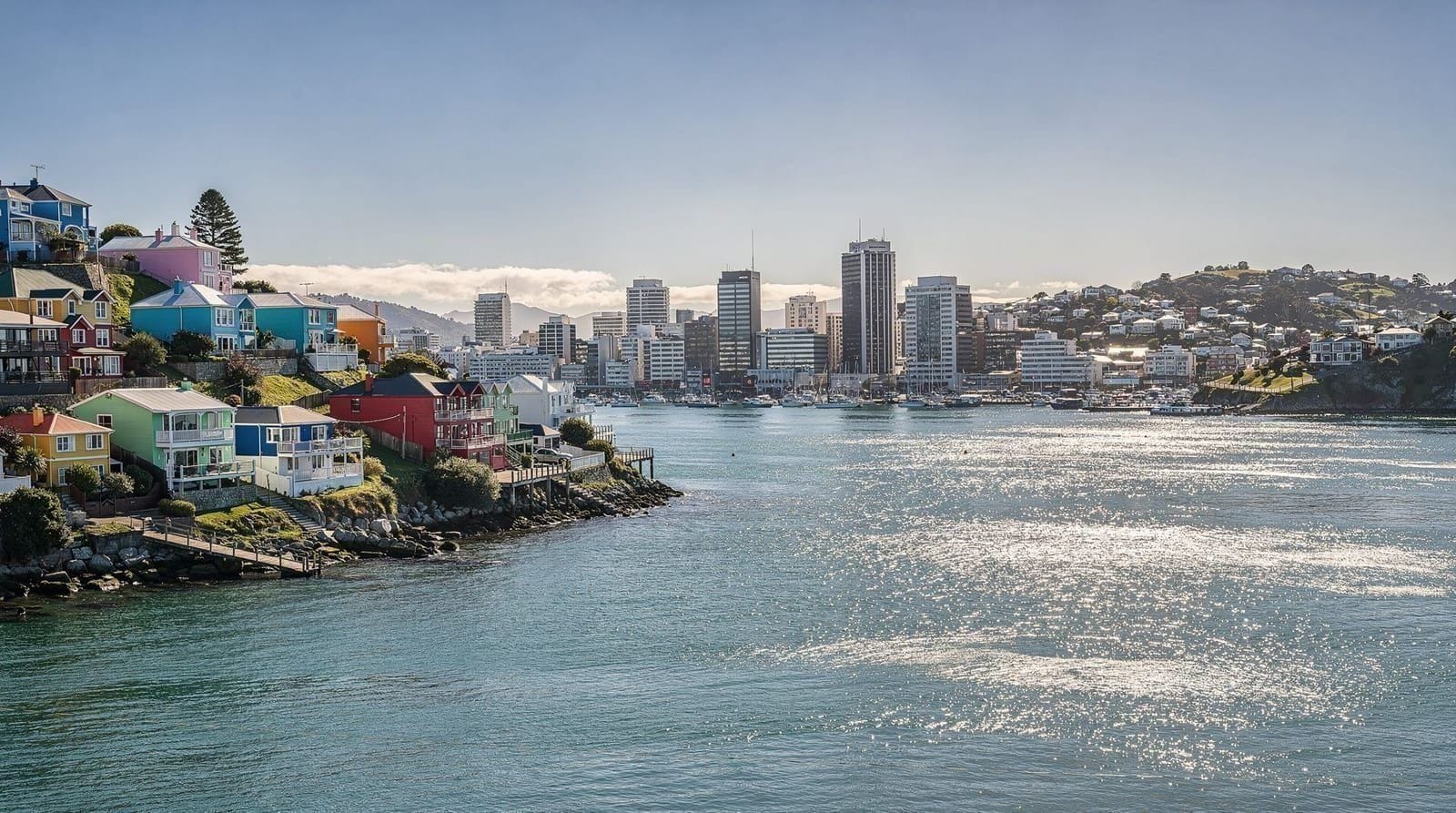
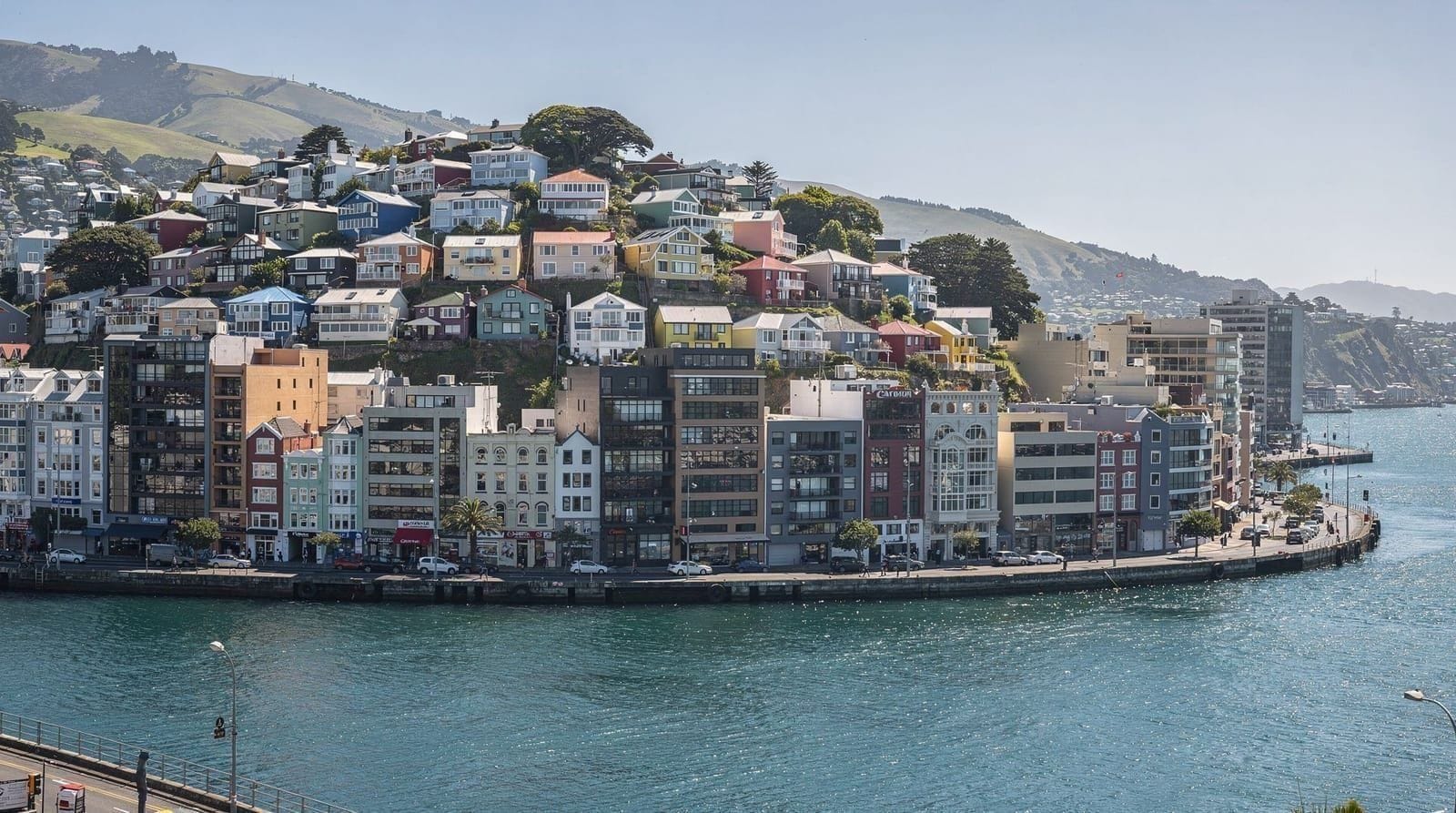
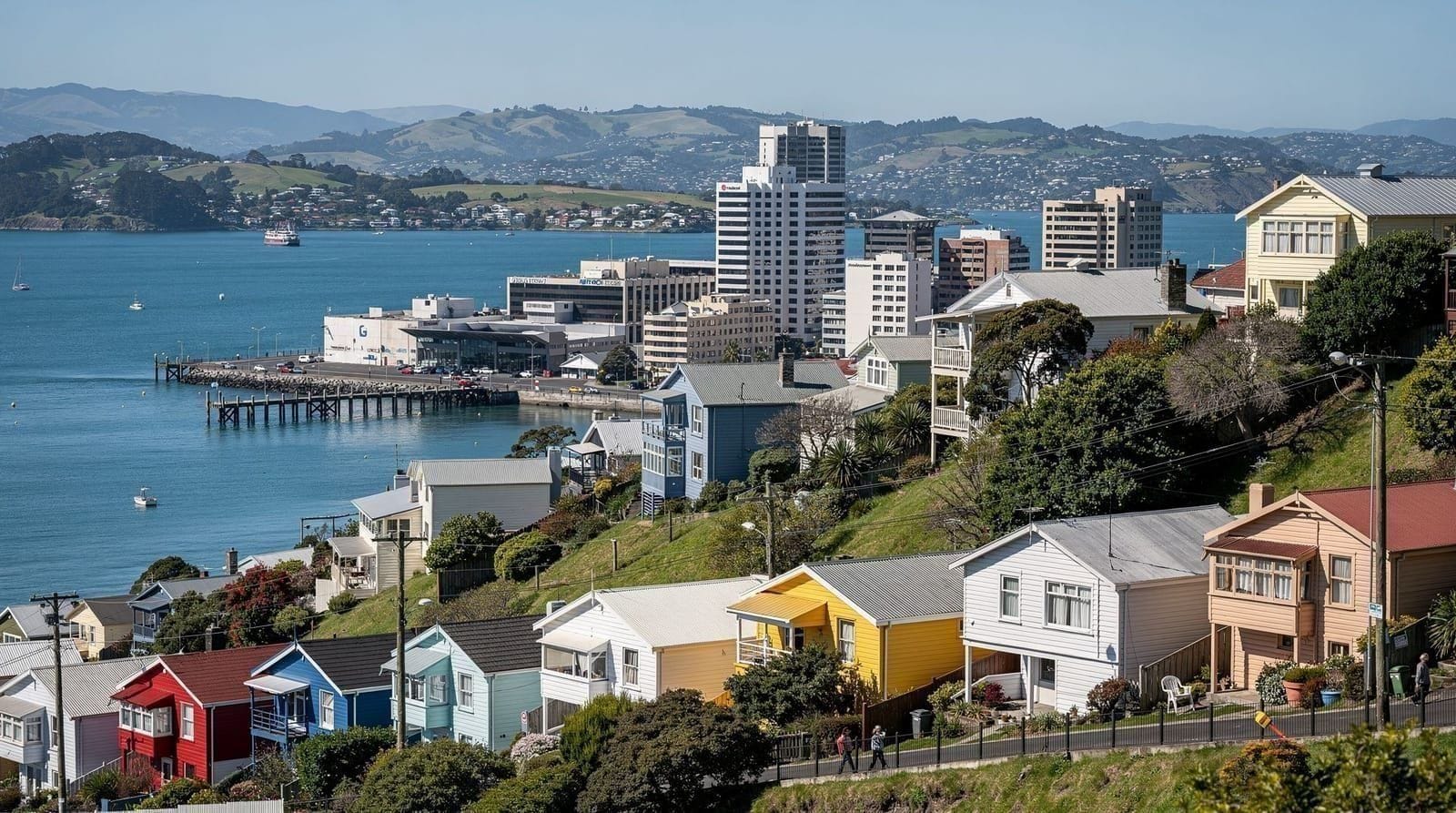
Wellington’s core strength is density — Te Papa Tongarewa, the free national museum, the harbourfront, Cuba Street’s café and creative scene, and the Wellington Cable Car up to the Botanic Garden all sit within a 20-30 minute walk of each other. Few New Zealand cities let you cover this much ground on foot in a single day. Layer on Weta Workshop and the wider Lord of the Rings filming heritage, or the Zealandia ecosanctuary if wildlife interests you more, and two full days genuinely feels earned rather than padded.
Where Wellington beats expectations
The city’s reputation as New Zealand’s coffee capital is deserved rather than marketing — independent roasters cluster thickly around Cuba Street and Te Aro, and the flat white culture here is more consistent than in Auckland or Christchurch. The craft-beer scene runs alongside it, and both give a two or three-day visit a genuine “local life” texture that pure sightseeing itineraries elsewhere in the country can lack. Wellington is also New Zealand’s most reliable gateway to the South Island: the Cook Strait ferry crossing to Picton takes roughly 3.5 hours and turns what could be a dead travel day into part of the trip itself.
Where Wellington falls short of some travellers’ expectations
If beaches, alpine scenery or big single-attraction wow-moments are what you’re after, Wellington isn’t the city to build a trip around — it’s a capital city experience, not a nature-park one, and travellers expecting Queenstown-style scenery inside city limits will be disappointed. The wind is a real, near-constant feature rather than an occasional annoyance, and travellers sensitive to it should read our honest look at Wellington’s wind before committing several days here. Wellington also doesn’t have a single headline “must-see” landmark the way Sydney has its Opera House — its appeal is cumulative rather than built around one photo-stop.
Who should prioritise Wellington
Film and book fans with a genuine Lord of the Rings or Hobbit interest get more out of Wellington than almost anywhere else in the country, given Weta Workshop’s presence and the scattered filming locations around the city’s hills and coastline. Wine travellers benefit too, since Martinborough sits only around 1h15 away by car and adds an entire extra dimension to a Wellington-based trip. Couples and small groups who enjoy a walkable, café-dense city with genuine local character — rather than a resort-style holiday — tend to leave Wellington rating it more highly than they expected going in.
Who might reasonably skip it or shorten the stop
Families travelling with very young children, or travellers on a tight two-week North-to-South Island loop who need to prioritise Rotorua’s geothermal sights, Auckland’s harbour activities and a proper South Island stretch, can reasonably treat Wellington as an overnight ferry-transit stop rather than a multi-day destination. A single day is enough to see the CBD’s highlights without feeling like you missed the city’s essence — see our Wellington in 1 day guide for exactly how to structure it if that’s your situation.
How Wellington compares to Auckland for a first-timer
Auckland is larger and has the international airport most visitors land at first, but Wellington delivers a denser, more walkable experience per day spent there — you’re not renting a car or driving between harbour suburbs the way Auckland’s spread-out geography can require. If you’re deciding how to split a fixed number of days between the two, Wellington rewards a tighter, more concentrated stay better than Auckland does. Neither city is a wrong choice, but Wellington punches above its size for travellers who value walkability and cultural density over sheer scale. Our full Wellington vs Auckland city break comparison goes deeper on this trade-off if you’re still deciding how to split a fixed number of days.
Visiting with kids specifically
Families weighing whether Wellington earns a multi-day stop rather than an overnight transit should look at the city on its own terms for kids rather than assuming the adult verdict applies unchanged — Te Papa’s interactive floors and Zealandia’s flatter tracks both work well for younger children, while Weta Workshop skews toward older kids with a genuine film interest. Our Wellington with kids guide covers the family-specific version of this same “worth it” question in more depth.
The honest verdict on length of stay
Two days is the realistic minimum to get Wellington’s full character rather than a rushed CBD skim — see our Wellington in 2 days itinerary for the exact split. Three days lets you add Martinborough or a proper Weta Workshop and Zealandia combination without compromise, covered in Wellington in 3 days. Anything beyond that starts to depend heavily on whether you’re using Wellington as a base for day trips into the Hutt Valley, Kāpiti Coast or Wairarapa, rather than staying purely within the CBD.
What Wellington costs, realistically
A mid-range couple should budget roughly NZ$280-400 per day for accommodation, food, local transport and one paid attraction, with Te Papa’s free admission and the cable car’s modest NZ$9-11 return fare both helping keep the daily figure down relative to cities with a paid headline museum. Our Wellington on a budget post covers how to trim that further if cost is the deciding factor in whether the city fits your trip, and the more detailed realistic Wellington trip budget guide breaks the daily figure down by category if you want a fuller planning tool. Where you base yourself also affects the daily figure meaningfully — see our where to stay in Wellington guide for the neighbourhood-by-neighbourhood price differences.
A guided option if you’re short on planning time
If your visit is genuinely tight and you’d rather have someone else handle the logistics of covering Wellington’s CBD highlights in a single outing, this highlights tour with a local guide covers the museum surrounds, harbour and central sights without you needing to plan the walking route yourself. For a more compact cable car-focused option, this guided city tour including the cable car is a reasonable alternative if that’s the single attraction you most want covered.
Does the regional surroundings change the answer?
Wellington’s case is noticeably stronger once you factor in what’s within easy reach of the city rather than judging the CBD alone — Martinborough’s wine country roughly 1h15 away, the Kāpiti Coast around 50 minutes north, and the entire South Island opening up via the Cook Strait ferry to Picton. Few New Zealand cities offer this much regional depth within a short drive or a single ferry crossing, and travellers who only evaluate Wellington’s CBD attractions are underrating what the wider region adds to a multi-day stay.
Best time to visit, and how it affects the answer
Timing changes the “worth it” calculation more than most visitors expect — autumn (March-May) offers the most reliable weather balance and noticeably fewer crowds than summer, while winter brings genuinely lower prices at the cost of shorter days and colder, wetter conditions. A Wellington visit timed for autumn is a considerably stronger proposition than the same itinerary attempted in the middle of winter, so if your travel dates are flexible, that flexibility is worth using here specifically.
How Wellington compares on cost to the rest of New Zealand
Wellington sits in the middle of New Zealand’s city cost spectrum — noticeably cheaper than Queenstown’s tourist-driven pricing, roughly comparable to Auckland, and helped by Te Papa’s free admission and the cable car’s modest fare keeping the cost of its two biggest attractions low. A mid-range couple’s daily budget here compares favourably against a Queenstown-based itinerary covering similar ground, one more point in Wellington’s favour for cost-conscious travellers weighing where to spend limited nights.
What repeat visitors say
Anecdotally, Wellington is one of the more common New Zealand cities where first-time visitors report being pleasantly surprised rather than disappointed — expectations set by Auckland’s larger international profile or Queenstown’s adventure-tourism marketing don’t fully prepare visitors for how much a compact, walkable capital city can deliver in a short stay. Repeat visitors most often cite the food and coffee culture and the regional day-trip options as reasons they extended a planned one-day stop into two or three.
Frequently asked questions about visiting Wellington
Is two days enough to decide if Wellington was worth visiting?
Yes — two focused days covering Te Papa, the cable car and Cuba Street, plus one of Weta Workshop or Zealandia, gives a genuine, rounded sense of the city rather than a rushed skim.
Does Wellington suit a solo traveller?
Yes, arguably better than many New Zealand cities, given its walkability, café culture and the ease of joining guided tours or day trips without needing a travel companion or rental car.
Is Wellington worth visiting if I only have one day between flights?
Yes, in a scaled-back form — a single day covers Te Papa and the cable car comfortably, though you’ll skip Weta Workshop, Zealandia and any regional day trip in that time.
Are there hidden gems that make Wellington worth a longer stay?
Yes — beyond the headline sights, our Wellington hidden gems guide covers lesser-known spots that reward visitors who extend a planned two-day stop into three.
The bottom line
Wellington earns its place on a New Zealand itinerary for most travellers, particularly film fans, wine travellers, couples who like walkable cities, and anyone continuing on to the South Island by ferry. It’s a weaker fit for families chasing beach time or travellers whose whole trip is built around big single-attraction scenery. If you’re still undecided, our full things-to-do guide is the fastest way to gauge whether the specific list of attractions matches what you actually want from the stop.