Matariki in Wellington
New Zealand’s newest, and most distinctly local, public holiday
Matariki, marking the Māori New Year, became a national public holiday in 2022 — New Zealand’s first public holiday to recognise a Māori tradition, and the only one whose date shifts each year based on the maramataka (Māori lunar calendar) rather than a fixed calendar date. Its establishment followed years of advocacy from Māori communities and iwi across the country, and its arrival marked a genuine shift in how the national holiday calendar reflects the country’s bicultural foundation, alongside the long-standing Waitangi Day. It falls in late June or early July, timed to the pre-dawn rising of the Matariki star cluster (known elsewhere as the Pleiades or Seven Sisters), and it’s worth understanding as more than just a day off — it’s a genuine cultural marker that shapes how the city (and the whole country) approaches the following weeks.
| When | Late June or early July, date shifts each year with the maramataka |
| Where in Wellington | Te Papa programming, community events, night-sky viewing |
| Cost | Free for most public events; museum entry itself is free |
| Mood | Reflective, quieter than New Year’s Eve — not a street festival |
| Best paired with | Zealandia night tours, guided Māori cultural experiences |
What Matariki actually is
Matariki traditionally marks a time of reflection on the past year, remembrance of those who have died, and preparation for the year ahead — themes that show up in how events and public messaging around the holiday are framed, rather than the more celebratory, fireworks-heavy tone of New Year’s Eve elsewhere. Visitors expecting a party atmosphere similar to other New Year traditions worldwide are often surprised by how much quieter and more contemplative the public mood actually is, which is worth resetting your expectations around before you arrive rather than discovering it on the day itself. The specific date is set by the rising of the star cluster each year, which is why it doesn’t fall on the same calendar day annually the way most public holidays do — worth checking the exact date for your travel year rather than assuming it lines up with a previous year’s dates.
How Wellington marks it
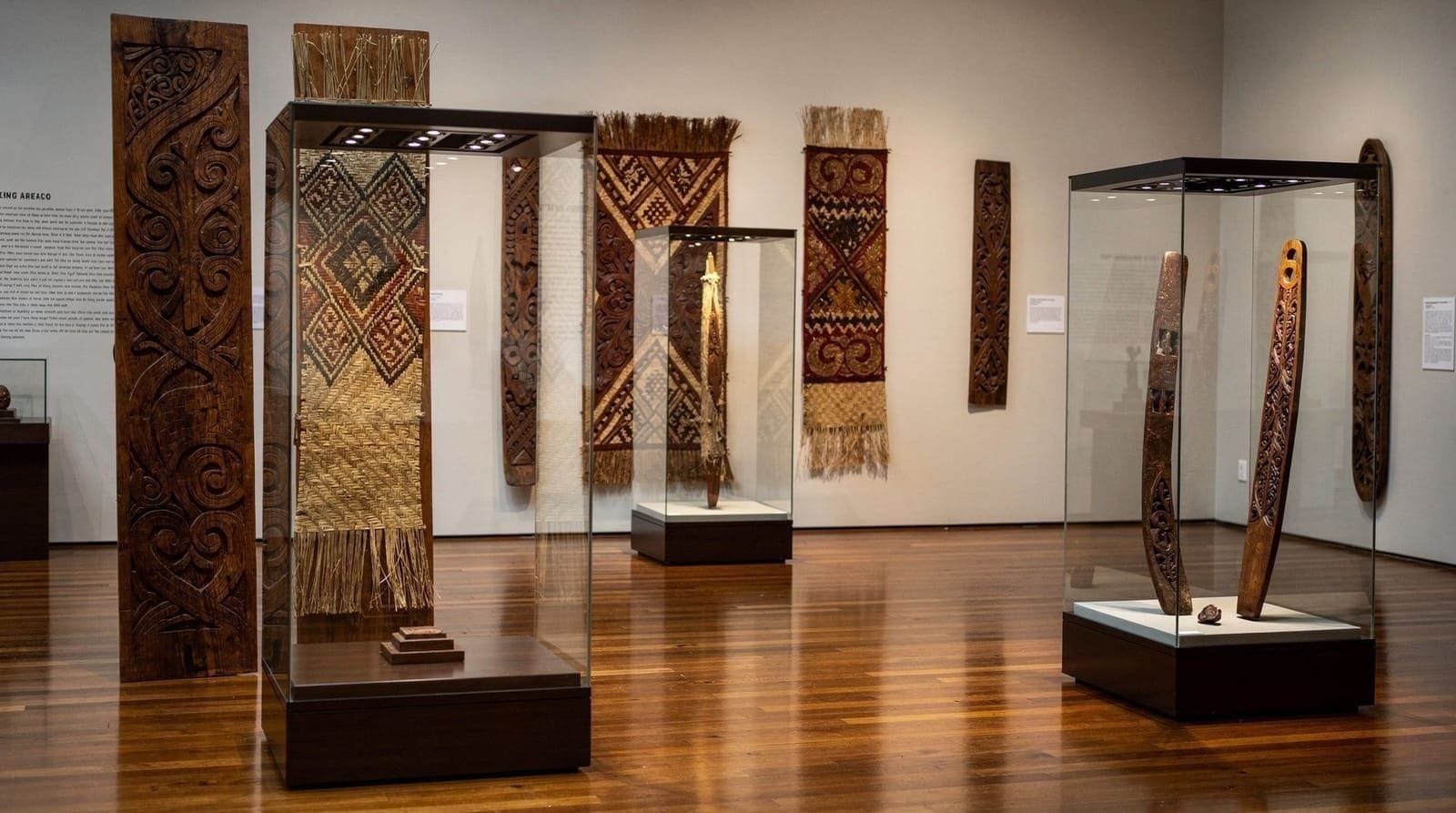
Te Papa Tongarewa runs Matariki-specific programming most years, ranging from talks and cultural performances to exhibition tie-ins connecting the museum’s Māori collections to the holiday’s themes, and staff at the information desk are generally happy to point out whatever specific events are running that week if nothing is obviously signposted when you arrive — our Te Papa Māori collections guide covers the permanent exhibits that give context to any Matariki-specific programming layered on top.
The wider city typically runs smaller community events, night-sky viewing opportunities (Matariki’s pre-dawn star rising is genuinely worth an early start if the weather cooperates, given how dark and clear a winter Wellington sky can be away from the CBD’s light pollution), and public art or lighting installations tied to the holiday. It’s a quieter, more reflective public holiday than Christmas or New Year’s rather than a festival built around crowds and events, which is worth knowing if you’re expecting something closer to a street festival.
The nine stars and what they represent
Matariki refers to a cluster of stars, visible to the naked eye on a clear pre-dawn morning even from within the city if you find a spot away from streetlights, and traditionally understood in Māori astronomy as nine distinct stars each associated with a specific domain — from Waitī (fresh water) and Waitā (ocean) to Waipuna-ā-rangi (rain) and Tupuānuku (food grown in the ground).
Different iwi (tribal groups) across New Zealand hold slightly different traditions and star counts associated with the cluster, so what you’ll hear about Matariki in Wellington reflects the specific traditions of the local iwi, Taranaki Whānui and Ngāti Toa, rather than a single uniform national account, and visitors who’ve read about the holiday’s traditions in relation to a different region shouldn’t assume every detail transfers directly to what they encounter here. This regional variation is worth being aware of if you’ve read about Matariki traditions elsewhere in the country and notice the details don’t match exactly what you encounter in the capital — both versions are legitimate rather than one being more “correct.”
Zealandia and Te Papa’s connection to the holiday
Zealandia’s own name, Te Māra a Tāne (the garden of Tāne, the atua or deity associated with forests and birds), reflects the same Māori worldview that underpins Matariki’s themes of renewal and connection to the natural world, making a Zealandia visit a reasonable pairing with Matariki-season programming even without an explicit festival tie-in. Our Zealandia complete guide covers the sanctuary’s cultural framing alongside its conservation work in more depth. Te Papa’s Mana Māori-focused galleries similarly give useful grounding in the broader worldview Matariki sits within, well beyond whatever specific programming the museum runs during the holiday week itself.
Winter timing: what else to expect
Matariki falls squarely in Wellington’s winter (June-August), the city’s coldest, wettest and windiest stretch, with accommodation typically 30-40% cheaper than summer rates and noticeably fewer tourists. Our Wellington in winter guide covers what the season is actually like day to day, and it pairs the Matariki period with genuinely good value if budget matters more to your trip than ideal weather. Zealandia’s night tours are a particularly good winter pick around this time, since the long, dark evenings suit the nocturnal wildlife-viewing format better than summer’s late sunsets do.
What actually closes on the public holiday
As with any New Zealand public holiday, and Matariki is now treated the same as the country’s longer-established holidays in this respect, expect most retail, some restaurants and standard business hours to be affected on the date itself — many shops and cafes open on reduced hours or stay closed entirely, particularly smaller independent operators, while major attractions like Te Papa typically remain open, often with Matariki-specific programming rather than reduced hours. Public transport runs on a modified holiday timetable rather than a full weekday schedule, worth checking on the Metlink website or app the day before if you’re relying on buses or trains to get anywhere that day. This is a smaller-scale version of the same planning most visitors already do around Christmas Day; it’s just a less familiar date for anyone not used to New Zealand’s public holiday calendar.
Experiencing Matariki’s cultural context first-hand
Reading about Matariki’s themes only goes so far — a guided cultural experience gives a far more direct sense of the worldview behind the holiday than programming alone. On the harbour, a guided waka tour and Māori experience pairs traditional storytelling with time on the water, while the hidden Māori treasures tour covers sites and stories around the city that most visitors walk past without context. Neither is Matariki-specific programming, but both deepen the same cultural grounding the holiday draws on, and both run year-round rather than only during the Matariki week itself.
At Te Papa, beyond any temporary Matariki tie-ins, a guided Mana Māori tour gives structured context to the museum’s permanent Māori collections — useful whether or not you’re visiting during Matariki week specifically, since the underlying worldview it explains doesn’t disappear once the holiday programming winds down. Our Te Papa Māori collections guide has the details.
Matariki through the year: how the date moves
Because Matariki is set by the pre-dawn rising of the star cluster rather than a fixed calendar date, it’s worth checking the specific date for your travel year well ahead rather than assuming it matches a previous trip’s dates or a friend’s account of a past visit.
| Year | Approximate Matariki period |
|---|---|
| Typical range | Late June to mid-July |
| Public holiday | Falls on a Friday most years, but the date itself moves |
| Star visibility | Best viewed pre-dawn, clear mornings only |
| Planning lead time | Check the exact date for your travel year several months out |
Food and Matariki
Traditional Matariki observance in some parts of New Zealand includes a hākari (feast), often featuring hāngī — food cooked in an earth oven using heated stones, a method with deep roots in Māori cooking. Wellington restaurants occasionally run Matariki-themed menus or one-off hāngī nights around the holiday, though this varies year to year and isn’t as consistently available as, say, a Christmas set menu would be in December, so it’s worth checking specific restaurants’ social media in the weeks beforehand rather than assuming a hāngī will be easy to find on the day itself. If experiencing a genuine hāngī matters to your trip, a guided Māori cultural experience — the guided waka experience mentioned above, or the hidden Māori treasures tour — is a more reliable way to access this than hoping a restaurant happens to be running a special that week.
Learning a little before you go
Matariki is a good prompt to pick up a handful of te reo Māori basics before or during your trip — greetings, place names, and an understanding of what taonga (treasures) and other commonly used words mean in context go a long way toward engaging respectfully with the holiday rather than just observing it from the outside. Our te reo Māori basics for visitors guide covers the essentials, and Wellington’s guided cultural experiences on the harbour are a more immersive way to engage with the culture behind the holiday than simply reading about it. Our full Wellington festivals and events calendar places Matariki alongside the city’s other major dates if you’re trying to plan a trip around (or deliberately away from) any of them, and our Wellington Christmas and New Year guide covers the other end of the city’s holiday calendar for comparison.
Planning a trip around it
Because Matariki falls in winter, a season most visitors otherwise avoid due to Wellington’s coldest, wettest and windiest weather, timing a trip around the holiday specifically can work well for travellers more interested in a distinctive cultural experience than ideal sightseeing weather, and one that most international visitors have never had the chance to experience firsthand. Flights and accommodation don’t see anything like the price spike that accompanies Christmas or New Year, since Matariki hasn’t (yet) become a major domestic tourism driver in the way those holidays have, so booking lead times are more forgiving. If your dates are flexible, checking the specific Matariki date for your travel year against the rest of your itinerary is worth doing early, given how much it moves from one year to the next compared with fixed-date holidays elsewhere in the calendar.
Frequently asked questions about Matariki in Wellington
Is Matariki the same as Māori New Year celebrations elsewhere in New Zealand?
The overall themes are shared nationally, but specific traditions and star counts vary by iwi — Wellington’s local iwi, Taranaki Whānui and Ngāti Toa, shape how the holiday is marked in the capital, so details you’ve read about from other regions won’t necessarily match what you encounter here.
Do I need to book anything specific for Matariki, or does it just happen around the city?
Most public events are free and don’t require booking, but Te Papa’s specific Matariki programming and any hāngī nights at restaurants can fill up, so checking listings and reserving a table a week or two ahead is worth doing if a specific event matters to your plans.