Kaikōura whale-watching review: boat vs helicopter, and is it worth the trip?
Kaikoura: Whale Watching Cruise
Duration: 3.5h
What Kaikōura whale watching actually is
Kaikōura, on the South Island’s east coast, sits above a rare underwater canyon that plunges to great depth just off the coastline — an unusual geological feature, formed by the meeting of the Pacific and Australian tectonic plates, that supports a resident population of sperm whales year-round, close enough to shore that boat and helicopter trips can reach them reliably. It’s widely regarded as one of the most consistent whale-watching destinations on the planet, and the reason a dedicated trip out from Wellington or the wider South Island is genuinely worth taking seriously as a trip priority in its own right.
| Where | Kaikōura, South Island — 2–2.5hrs south of Picton by road |
| Cost | NZD 99–160/adult boat cruise; helicopter options cost more per minute |
| Time needed | ~3.5hrs for the boat cruise incl. check-in and transit |
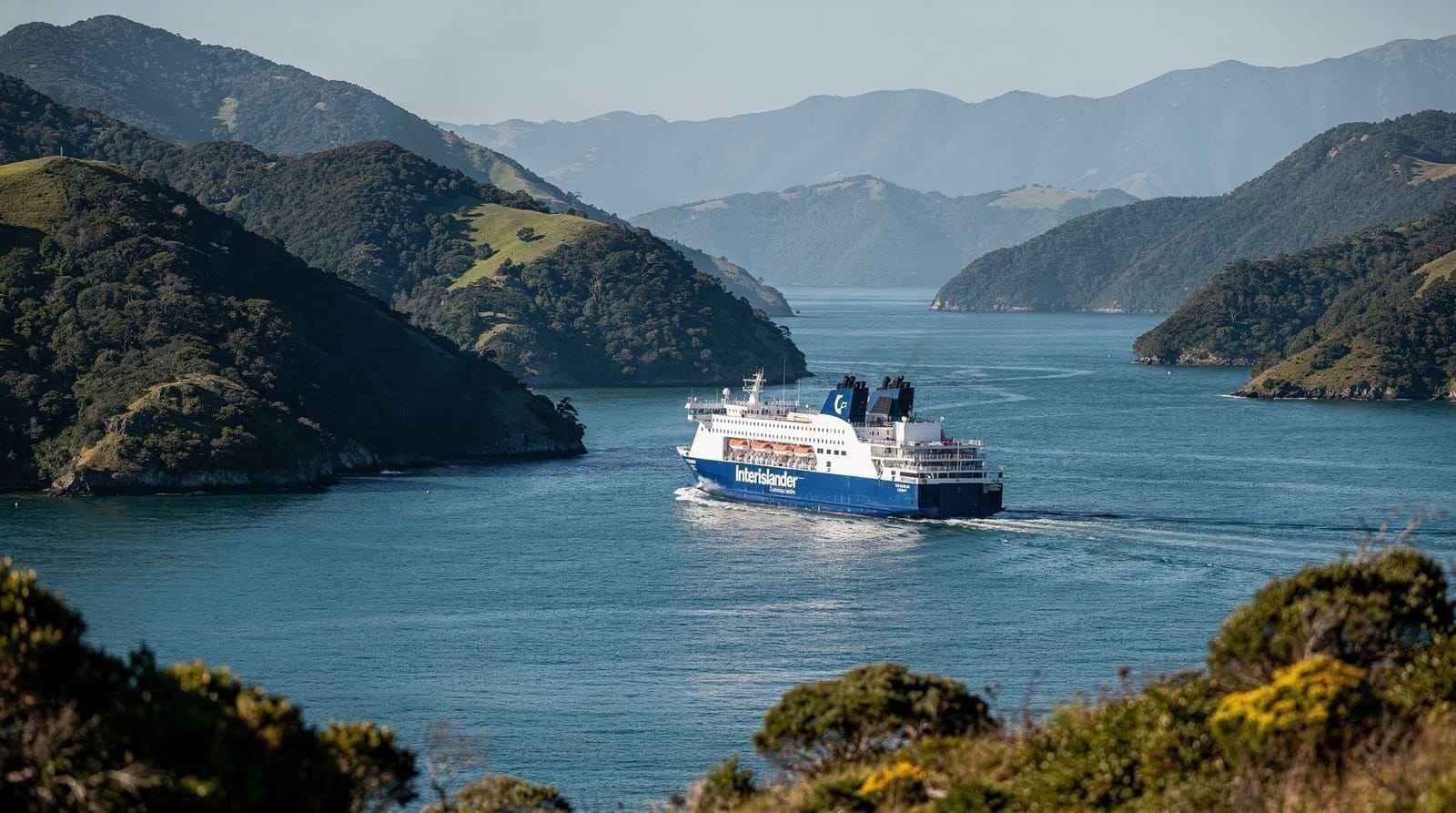
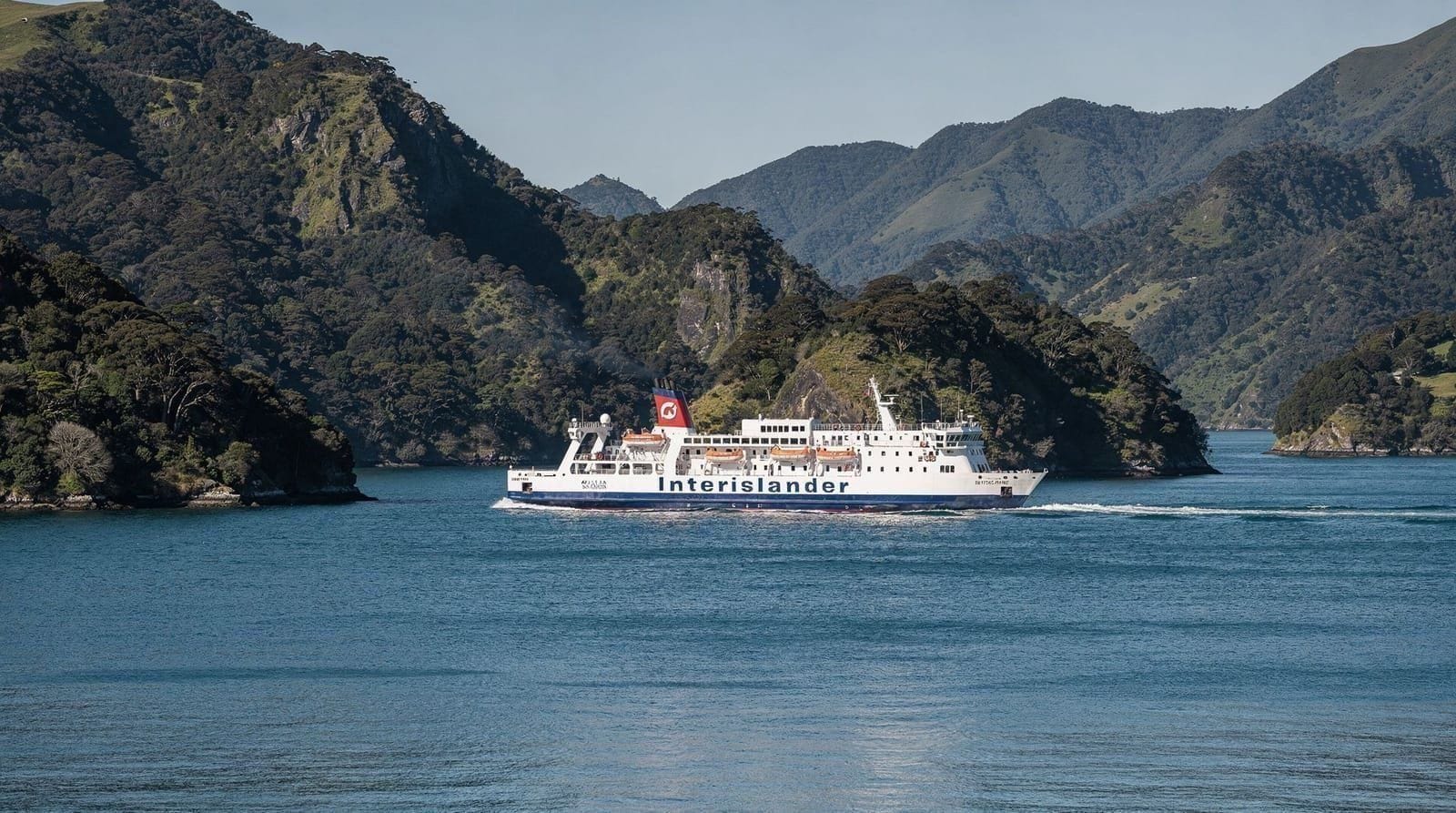
| Getting there | Interislander/Bluebridge ferry to Picton, then a scenic coastal drive |
| Best time | Year-round resident whales; calmer seas roughly Nov–Apr |
The Kaikōura whale-watching cruise is marketed around its roughly 2-hour on-water whale-watching window, but the honest total time commitment runs closer to 3.5 hours once check-in, the safety briefing, and travel time to and from the harbour departure point are all included — worth knowing so you don’t underestimate how much of your day this trip actually takes up. Sightings rates are genuinely strong, commonly cited around 95 percent or better, thanks to the canyon’s unusual, reliable deep-water conditions sitting right off the coast throughout the year.
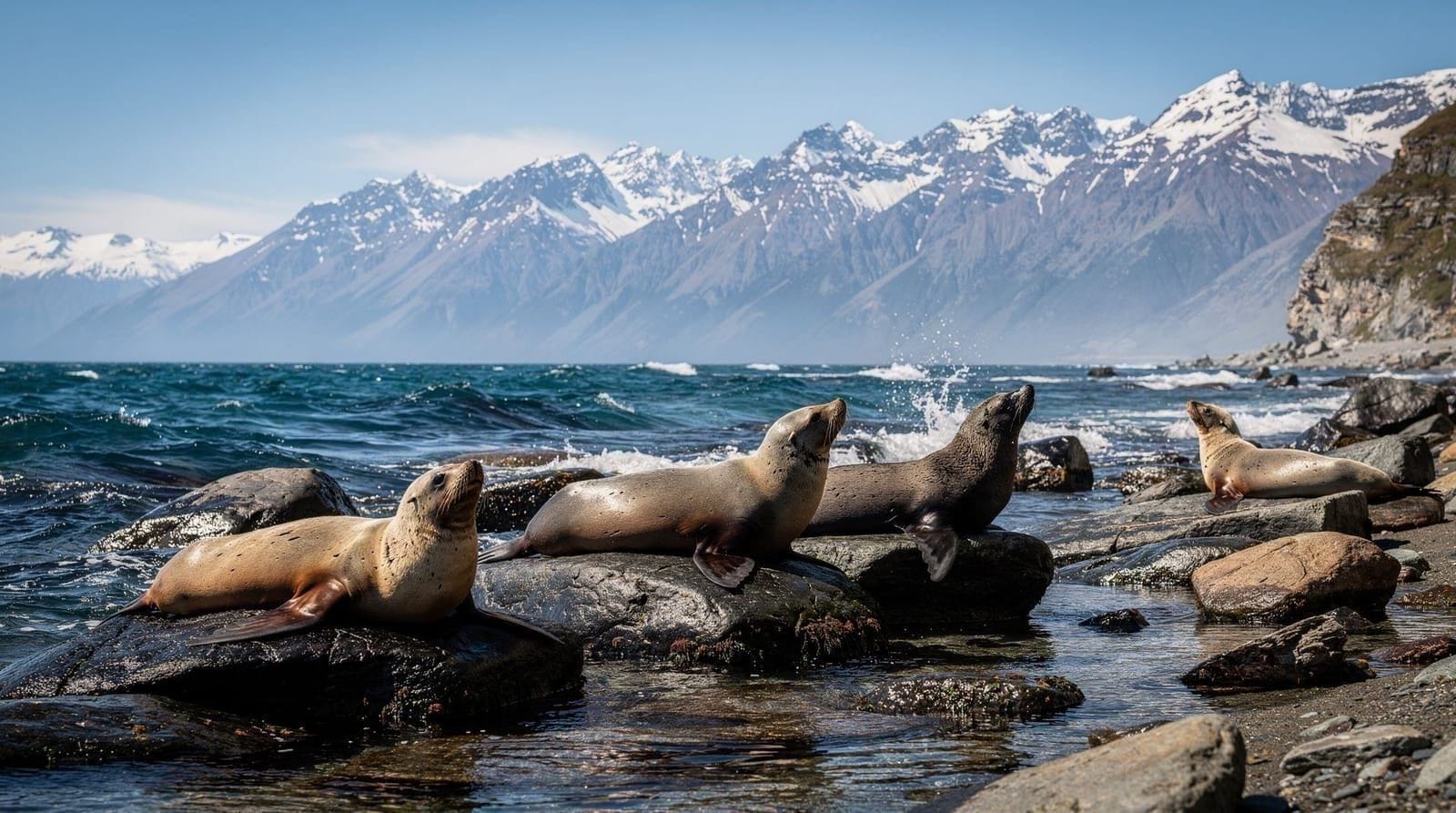
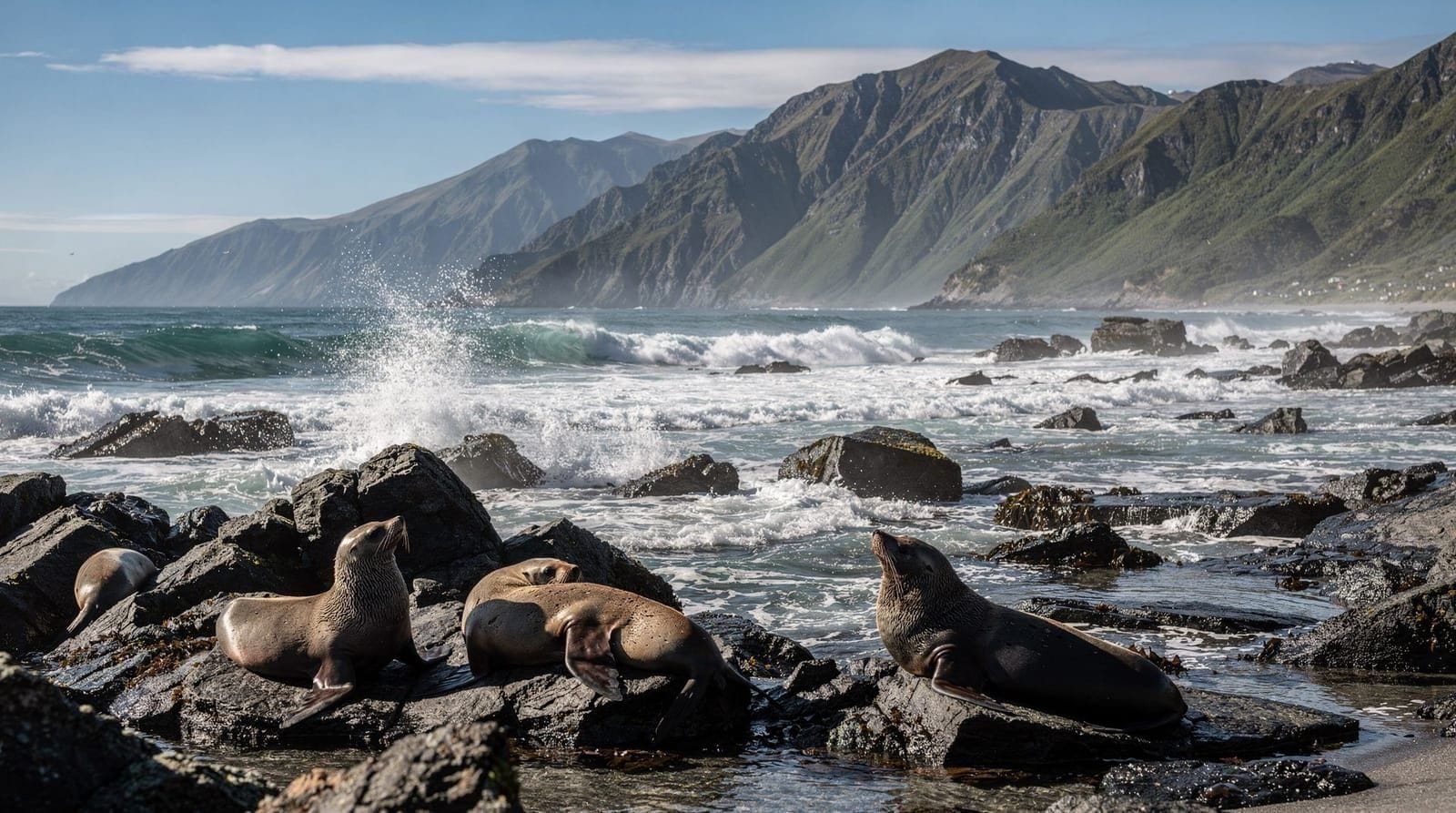
Beyond the whales themselves, Kaikōura’s waters are rich with other marine life — dusky dolphins, New Zealand fur seals, and a range of seabirds including albatross are regular sights, which means most trips deliver a broader wildlife experience than the “whale watching” name alone suggests.
Kaikōura’s whale-watching industry developed in the late 1980s, largely credited with revitalising the local economy after the decline of traditional fishing and farming livelihoods in the area — today it’s one of the town’s defining identities, and the operators running these trips have decades of accumulated local knowledge about whale behaviour and movement patterns in the canyon below, refined across generations of daily observation. That knowledge base is a genuine part of the sighting-rate story: experienced skippers reading subtle surface cues and hydrophone data are a big reason Kaikōura consistently outperforms whale-watching destinations elsewhere that rely more on chance encounters with migratory populations.
A typical trip, step by step
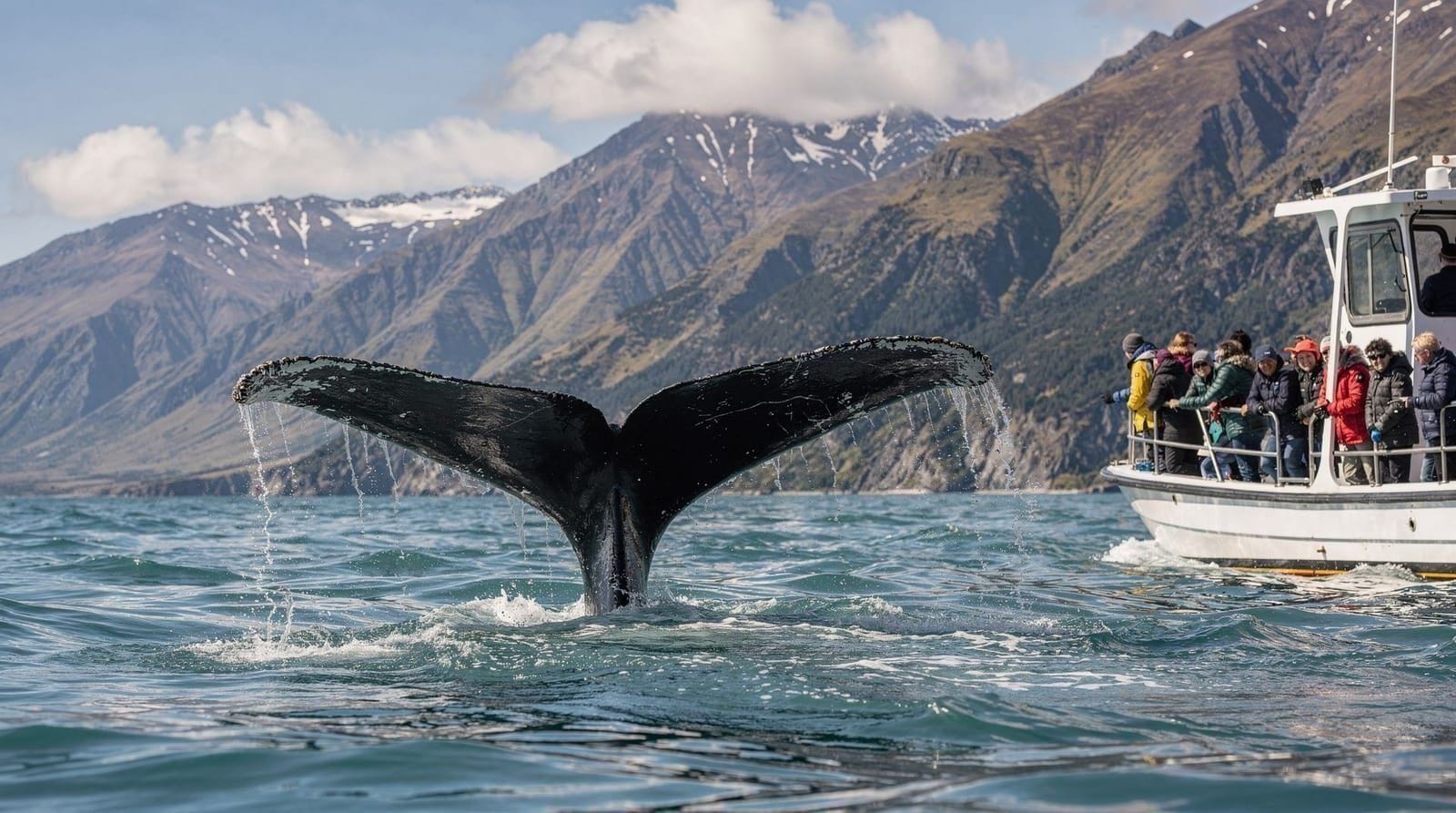
Boat trips typically begin with check-in and a safety briefing at the harbour some 20 to 30 minutes before departure, followed by boarding and a relatively brisk transit out to the canyon edge where resident sperm whales are most commonly found. Once whales are located — often guided by onboard hydrophone equipment that picks up whale vocalisations before any visual sighting is possible — the boat positions at a respectful distance in line with local wildlife-interaction guidelines, allowing passengers to watch the whale surface, breathe, and eventually dive, the latter usually marked by the dramatic sight of the tail fluke lifting clear of the water.
Because sperm whales dive for extended periods between surfacing — often 40 minutes or more on a deep dive — much of the on-water time involves scanning and repositioning as the crew tracks likely resurfacing points based on the whale’s last known heading, interspersed with genuinely exciting stretches of close observation once a whale is found and the boat settles into position.
What’s included and what it costs
The standard boat cruise typically costs NZD 99 to 160 per adult, covering the harbour departure, safety briefing, roughly 2 hours actively searching for and observing whales, and the return trip to Kaikōura harbour. For a different perspective without the boat’s motion, the whale-watching flight with guided commentary and the 1-hour whale-watching helicopter tour both offer an aerial alternative — considerably shorter overall (the helicopter option runs about an hour total, start to finish) but priced noticeably higher per minute, since helicopter time is always a premium, limited resource compared with boat capacity.
Neither format guarantees a sighting, though the high canyon-driven sighting rate means most operators can offer some kind of partial refund or a follow-up attempt on the rare occasion nothing is spotted — worth checking the specific policy of whichever operator you book with, since terms can vary meaningfully between them.
Transport to Kaikōura itself is a separate cost and time commitment worth planning for carefully — most visitors arrive via a self-drive route that includes the Interislander ferry from Wellington to Picton, followed by several hours further south by road. It’s not a short hop from Wellington, and getting the logistics wrong is the single biggest way to turn a great wildlife experience into an exhausting day.
For a couple booking the standard boat cruise, expect roughly NZD 200 to 320 total for the whale-watching trip itself, before accounting for accommodation, meals, and transport to and from Kaikōura — the whale-watching component is often the smaller line item in the overall cost of a proper Kaikōura visit once travel, an overnight stay, and lodging are all included in the total.
Getting to Kaikōura from Wellington
There’s no way to reach Kaikōura from Wellington without the Cook Strait crossing first — it’s a South Island destination, and most visitors combine the Interislander ferry with a self-drive or shuttle leg south from Picton. Budget the ferry’s own 3.5 to 4 hour commitment, then a further 2 to 2.5 hours of coastal driving south from Picton, much of it hugging the coastline with genuinely scenic stretches of its own. Attempting the whole round trip — ferry, drive, whale watching, drive, ferry — inside a single day from Wellington is technically possible but leaves almost no margin for delays, which is exactly why an overnight stay in Kaikōura consistently gets recommended over a rushed single-day dash.
| Option | Total cost per adult (NZD) | Time on the water/air | Seasickness risk |
|---|---|---|---|
| Standard boat cruise | ~99–160 | ~2hrs actively searching | Moderate — open water |
| Whale-watching flight (fixed-wing) | Higher than boat, lower than helicopter | Shorter, aerial | None |
| 1-hour helicopter tour | Highest per minute | ~1hr total, start to finish | None |
Accessibility and physical demands
The boat cruise involves genuine open-water motion, which can be physically demanding for passengers prone to seasickness regardless of otherwise good general fitness, and boarding requires reasonable mobility to manage steps, gangways, and moving deck surfaces safely. The helicopter alternative removes the motion concern but introduces its own accessibility considerations around cabin space and boarding procedure — worth discussing directly with the specific operator if mobility is a factor either way. Children are generally welcome on the boat cruise, though most operators set a minimum age or require close parental supervision on deck given the open-water conditions and moving surfaces; check the specific tour’s policy if travelling with young children, since some sailings are better suited to families than others depending on typical sea state that day.
Is it worth it — the honest verdict
For genuine wildlife enthusiasts, yes — Kaikōura’s sighting reliability is close to unmatched globally for whale watching, and seeing a sperm whale surface and dive close to a small boat, in open ocean rather than a managed enclosure, is a legitimately memorable experience worth planning a trip around. Traveller feedback on Kaikōura whale-watching trips consistently ranks it among the standout experiences of a wider South Island trip, with the moment of a whale’s tail fluke lifting clear of the water before a deep dive cited repeatedly as the trip’s signature image.
The honest caveat is entirely about logistics rather than the whale-watching itself. Kaikōura sits roughly 5 to 8 hours’ round-trip drive time from Wellington depending on your exact route and whether the Cook Strait ferry schedule cooperates, which makes attempting this as a single rushed day trip genuinely gruelling — long drive, whale-watching trip, long drive back, with little slack for delays and no real buffer if the ferry itself runs late or is affected by weather. Our honest Kaikōura as a day trip: reality check goes into exactly why an overnight stay is the better call for most visitors rather than a single exhausting round trip.
Who this suits
This suits wildlife enthusiasts and photographers for whom seeing whales is a genuine trip priority worth building an overnight stay around, travellers already planning a South Island route that naturally passes through Kaikōura (see Wellington to the South Island via ferry), and anyone comfortable with — or actively seeking to avoid via helicopter — genuine open-water boat motion. It’s also a strong fit for travellers who enjoy marine wildlife encounters generally, since dolphins, seals, and seabirds regularly feature alongside the whales themselves on the same trip.
It suits less well travellers hoping to squeeze Kaikōura into a single tight day from Wellington without an overnight stay, since the round-trip logistics genuinely work against that plan, and anyone with severe motion sickness who hasn’t budgeted for the helicopter alternative or appropriate medication for the boat option. Travellers with a genuinely fixed, tight South Island schedule who can’t accommodate an overnight detour should honestly weigh whether Kaikōura fits at all, rather than forcing an exhausting round trip that leaves little energy for whale watching itself.
Tips for visiting
Take seasickness medication an hour or more before departure if you’re at all prone to motion sickness, and choose the helicopter option outright if you know boats are a genuine problem for you — it’s a meaningfully different, calmer experience in that respect. Book your specific slot ahead of time, particularly in peak summer, since popular morning departures (when water conditions are often calmest) fill first.
Layer up regardless of season — even on a warm day, open water on a moving boat is cooler than it looks from shore, and morning departures in particular can be genuinely chilly before the day warms up. Bring a proper camera with a reasonably long lens if photography matters to you; whale sightings from a moving boat at a respectful distance benefit considerably from more reach than a standard phone camera provides.
Plan for an overnight stay in Kaikōura rather than a single-day round trip from Wellington if at all possible — it turns an exhausting logistical exercise into a genuinely relaxed couple of days, with time to also explore the seal colony and coastal walkway that Kaikōura offers beyond just the whale-watching trip itself. The town’s compact centre means these extra sights are easily walkable from most accommodation, adding real value to an overnight stay beyond just the whale-watching booking.
Best season for Kaikōura whale watching
Sperm whales are resident year-round thanks to the canyon’s stable deep-water conditions, so sighting rates stay consistently high across the seasons — a genuine point of difference from most whale-watching destinations elsewhere in the world, which are typically tied to seasonal migratory patterns and offer only narrow windows of opportunity. That said, sea conditions tend to be calmer and more predictable in the warmer months (roughly November to April), while winter can bring rougher water and a somewhat higher chance of weather-related trip cancellations or reschedules — worth building a little schedule flexibility into a winter visit for this reason.
| Season | Sighting rate | Sea conditions | Booking pressure |
|---|---|---|---|
| Nov–Apr (summer) | High year-round baseline | Generally calmer, more predictable | Highest — book well ahead |
| May–Oct (winter) | Same high baseline | Rougher, more weather cancellations | Lower — easier to secure a slot |
Boat vs helicopter — the honest trade-off
Choose the boat if budget matters and you’re comfortable with (or medicated against) open-water motion — it’s considerably cheaper and gives more total time actively watching whales. Choose the helicopter option if seasickness is a real concern, time is genuinely tight, or the aerial perspective on the whale and coastline itself appeals to you as much as the wildlife encounter — some visitors even book both across separate days for the genuinely different vantage points each offers.
Alternatives to consider
If you’re building a wider South Island route via the Cook Strait ferry, our Kaikōura whale-watching guide covers how to sequence Kaikōura sensibly alongside Picton, Nelson, and Marlborough rather than treating it as an isolated add-on. Read our honest Kaikōura as a day trip: reality check before committing to any single-day plan — it’s the single most important piece of logistics information for this experience, and it will likely change how you structure the rest of your South Island route to accommodate an overnight stay instead.
For travellers who’d rather avoid boat motion entirely while still getting close to the whales, the whale-watching flight with commentary is worth comparing directly against the standard boat cruise on both price and total time commitment. For a broader look at what else fills a Kaikōura stay beyond the whale-watching trip itself, the seal colony walkway and the local seafood scene — Kaikōura crayfish in particular — are both worth building into your overnight plan.
If you’re sequencing Kaikōura within a longer South Island loop, our Wellington and the South Island in a week itinerary and our Marlborough Sounds cruise review both cover nearby stops worth combining with a Kaikōura overnight stay on the same route.
Compare all three formats below to find the one that fits your budget, schedule, and tolerance for open water.
Compare alternative tours
Frequently asked questions about Kaikōura whale-watching review: boat vs helicopter, and is it worth the trip?
How much does Kaikōura whale watching cost and how long does the cruise take?
The standard boat cruise typically costs around NZD 99 to 160 per adult, and while it's marketed as a 2-hour whale-watching experience, expect roughly 3.5 hours total once check-in, safety briefing, and time getting to and from the harbour are factored in. Helicopter options run shorter overall but cost considerably more per minute in the air.What's the chance of actually seeing a whale in Kaikōura?
Sighting rates are genuinely high, generally cited around 95 percent or better, because Kaikōura's underwater canyon creates a rare year-round deep-water environment close to shore that resident sperm whales rely on. It's one of the most reliable whale-watching locations in the world, though no operator can promise a sighting on any single trip — most offer some form of partial refund or another attempt if no whale is seen.Should I do a boat cruise or a helicopter flight for whale watching?
The boat gives longer, more immersive time on the water and is considerably cheaper, but involves real motion on open water that can affect seasickness-prone travellers. A helicopter flight is faster, avoids seasickness entirely, and gives an aerial perspective on the whale and the coastline, but costs substantially more per minute and gives a briefer overall experience.Is Kaikōura whale watching worth a day trip from Wellington?
Honestly, it's a long day either way — Kaikōura sits roughly 5 to 8 hours' round-trip drive time from Wellington depending on your route and the ferry schedule, which makes a single-day round trip genuinely gruelling. Most visitors who prioritise the whale-watching experience are better served by an overnight stay in Kaikōura rather than attempting it as a rushed day trip.Can I get seasick on the whale-watching boat and is there anything I can do about it?
Yes, this is common enough that it's worth taking seriously — the boat heads out over open, often swelling water specifically to reach the whales' feeding grounds, and motion sickness affects a meaningful share of passengers. Taking seasickness medication an hour or more before departure, sitting toward the centre of the boat, and keeping your eyes on the horizon all help; the helicopter option avoids this issue entirely if seasickness is a genuine concern.What other wildlife might I see on a Kaikōura whale-watching trip?
Beyond the resident sperm whales, Kaikōura's waters regularly host dusky dolphins, New Zealand fur seals, and various albatross and seabird species, with occasional sightings of orca or humpback whales during their seasonal migrations. The area's marine richness means a whale-watching trip often delivers a broader wildlife encounter than the name alone suggests.How far is Kaikōura from Wellington and how do I get there?
Kaikōura is on the South Island, so reaching it from Wellington involves the Cook Strait ferry crossing to Picton followed by roughly 2 to 2.5 hours further south by road — most visitors self-drive this stretch, though shuttle and coach options also run the route. Building in the ferry's own 3.5 to 4 hour time commitment is essential when planning a Kaikōura trip from the North Island.