Is Weta Workshop still worth it in 2026?
Revisiting the question a decade-plus on
Weta Workshop has been Wellington’s flagship film-tourism attraction for over two decades now, built on the enduring appeal of the original Lord of the Rings and Hobbit trilogies, but it’s a fair question whether a tour built substantially around films from the 2000s and early 2010s still earns its NZ$50-85 price tag in 2026, especially with newer, more actively promoted productions now shooting through the same studios. It’s a question worth asking honestly rather than assuming a two-decade-old franchise automatically justifies a premium ticket price purely on reputation, particularly for visitors deciding between it and Wellington’s other paid attractions on a tight itinerary.
| Cost | NZ$50-85 depending on tour length |
| Duration | Roughly 90 minutes |
| Best for | Genuine LOTR/film-production fans |
| Skip if | Filling an itinerary slot without a real interest |
| 2026 factor | Active shoot (The Hunt for Gollum) keeps displays current |
Cost per hour against other Wellington attractions
| Attraction | Cost | Duration | Cost/hour |
|---|---|---|---|
| Te Papa | Free | 2-3 hours | Free |
| Wellington Cable Car | NZ$9-11 return | ~20 min ride | Low |
| Zealandia | Around NZ$55 | Full day | Low, spread over hours |
| Weta Workshop | NZ$50-85 | ~90 min | Highest of the four |
What’s changed: new productions keep the workshop live
The single biggest factor keeping Weta Workshop relevant beyond nostalgia, and the thing that most clearly separates it from a static film-heritage museum elsewhere in the world, is that it remains an active production facility, not a museum to past films — principal photography on Andy Serkis’s The Hunt for Gollum, a new Middle-earth production, began in Wellington in 2026, and Weta’s effects and design teams continue working across international productions well beyond the original trilogies. This matters for the tour experience specifically: guides reference current work alongside legacy pieces, and the displays get refreshed rather than staying frozen as a fixed 2003-era exhibit. Our Weta and Hollywood: Avatar, Hunger Games and beyond piece covers how far Weta’s actual client list extends beyond the Lord of the Rings association most visitors know it for.
Who it still suits, honestly
The honest answer hasn’t changed much from our original is Weta Workshop worth it assessment written before this current wave of production activity: this is a strong pick for genuine Lord of the Rings or film-production fans, and a fairly niche one-and-a-half-hour experience for anyone visiting Wellington without that specific interest. The tour format — guided walk-throughs of prop, costume and creature-design displays with practical demonstrations — rewards people who already care about the craft behind film effects; it doesn’t convert someone who isn’t interested into a fan on the spot. Our Weta Workshop guide breaks down exactly what each tour length covers if you’re trying to match the experience to your specific level of interest.
Price versus experience, in 2026 terms
At NZ$50-85 depending on tour length, Weta Workshop sits at the pricier end of Wellington’s paid attractions relative to its roughly 90-minute duration, especially next to Te Papa’s free admission or Zealandia’s NZ$55 for a genuinely full-day nature experience. Our Weta Workshop: worth the money? piece goes deeper into this specific value comparison. The honest verdict for 2026: worth it if film heritage and current production activity genuinely interest you, skip it if you’re just filling an itinerary slot and would rather spend the same afternoon and budget on Zealandia or a Martinborough day trip.
What the tour actually covers in practice
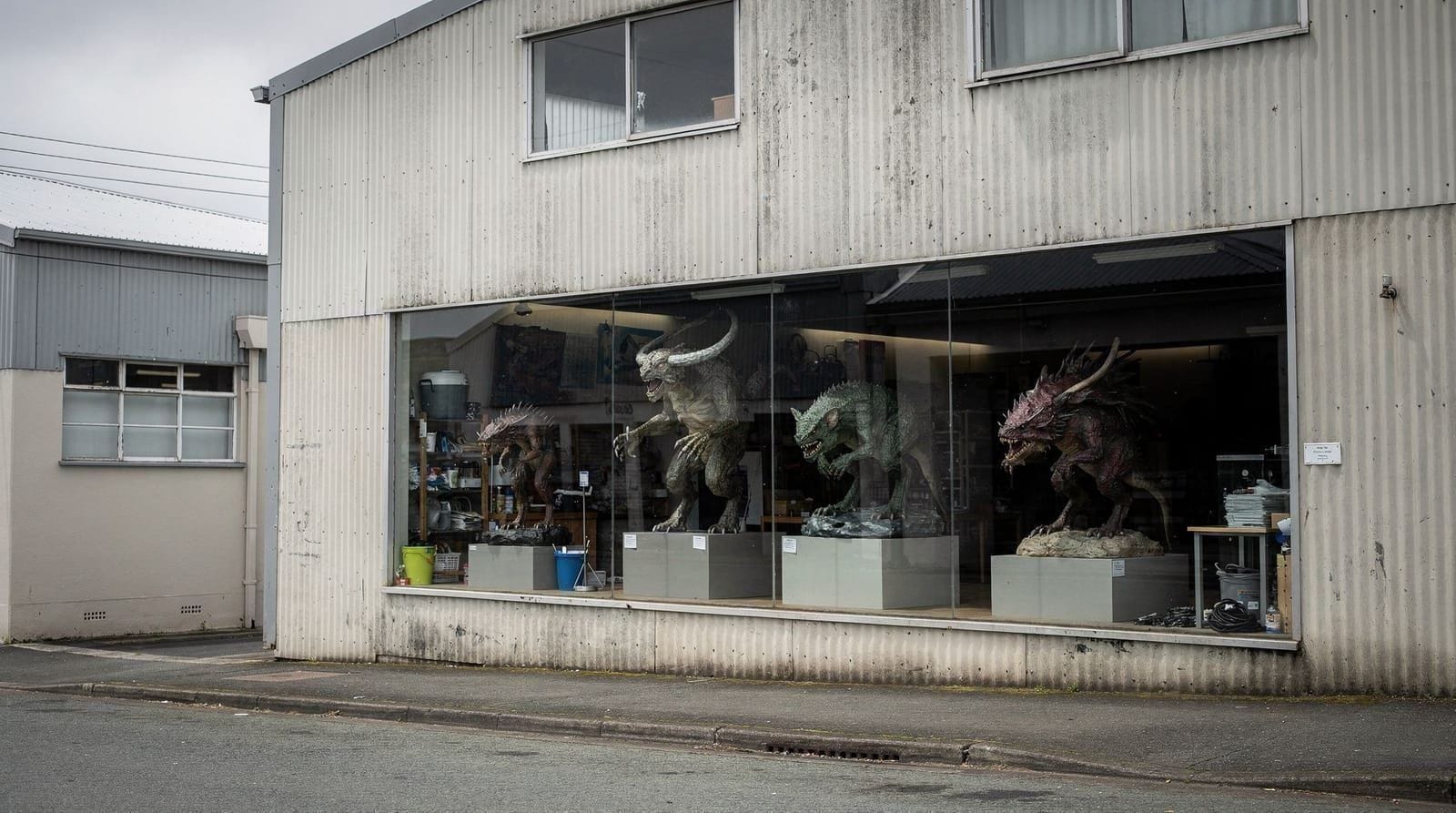
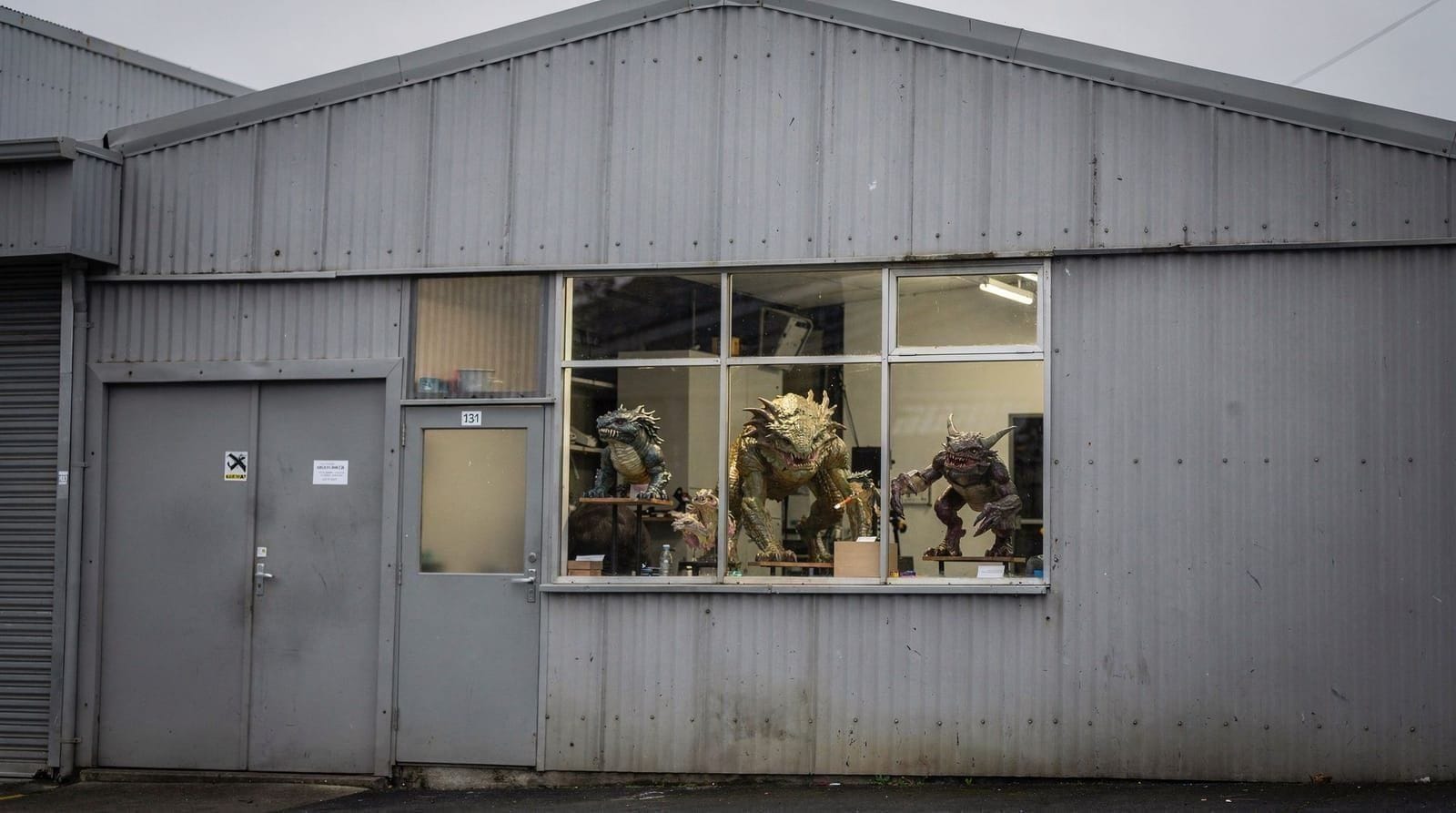
A standard Weta Workshop tour walks through prop and costume displays, creature-design work, and a demonstration area where guides explain specific practical-effects techniques — foam latex prosthetics, miniature scale models, weathering effects on costumes and armour — used across the studio’s film work, with genuine hands-on props available to handle at several points rather than everything sitting behind glass. It’s a guided, structured experience rather than a self-directed museum wander, which means the pace is fixed by the group rather than something you can rush through if part of the display doesn’t interest you, or linger over if a particular section does.
Longer tour options add extra stops and more in-depth technical demonstrations; the shorter version covers the same broad ground at a faster clip, which suits visitors who are curious but not deeply invested in every technical detail of the practical-effects process. Photography rules vary by display area, with some props off-limits for close-up photos due to ongoing production confidentiality — worth checking with your guide at the start rather than assuming blanket photo access throughout. This restriction is more noticeable in 2026 than in a typical past year specifically because of the active shoot underway, and it’s a reasonable trade-off for genuinely current, unreleased material rather than a needless restriction on decades-old props.
How it fits into a wider Wellington itinerary
Weta Workshop sits in Miramar, a 20-25 minute bus or taxi ride from the CBD, which means it rarely works as a quick add-on to a CBD-based day the way, say, the Botanic Garden or the waterfront do — better to plan a half-day around Miramar specifically, combining the workshop with a look at the wider film district and the Miramar film tour guide’s suggested stops, than to squeeze it in between two CBD attractions and lose time to the return trip.
For visitors building a trip specifically around New Zealand’s film heritage, our film-fan LOTR itinerary sequences Weta Workshop alongside the wider Wellington filming-locations circuit over a focused few days, which spreads the cost and travel time across a trip actually built around the theme rather than treating it as a single isolated stop. Our standard Wellington in 2 days itinerary treats Weta Workshop as one of two day-two options alongside Zealandia, which is a useful reference point if you’re weighing it against the rest of a shorter, non-film-focused trip.
If you’d rather spend the afternoon and budget elsewhere
If the cost-per-hour comparison above tips you toward skipping Weta Workshop, the same afternoon and roughly equivalent budget go a reasonable distance toward a Martinborough day trip from Wellington instead, which is the alternative most commonly cited by visitors who decided the film-heritage angle wasn’t for them specifically.
Booking and timing in the current landscape
With a new high-profile production shooting through 2026, expect slightly higher demand and interest than in quieter years for the franchise, particularly around any period when production news generates fresh media coverage, so booking your preferred tour slot ahead — via the Weta Workshop guided tour ticket or, for a deeper dive into the practical effects side specifically, the Weta Cave SFX and makeup effects tour — is more worthwhile than in past years when walk-up availability was more reliable. Morning slots remain less crowded than afternoons, which matters more for anyone hoping for a bit of one-on-one time with a guide rather than moving through the tour as part of a large, packed group.
What “The Hunt for Gollum” means for the tour
Andy Serkis’s The Hunt for Gollum, currently shooting through Weta’s Miramar studios as of 2026, is the first major new Middle-earth screen production since The Hobbit trilogy wrapped over a decade ago, and its presence changes the texture of a Weta Workshop visit in a way that’s worth being specific about. Rather than walking through displays exclusively drawn from films most visitors have already seen multiple times, guides can now speak to genuinely current production work — subject to whatever confidentiality restrictions are in place for an active shoot, which does mean some of the newest work stays under wraps until release. It’s a meaningfully different experience from a Weta Workshop visit five years ago, when the studio’s most recent major Middle-earth work was already the better part of a decade old.
Comparing the cost to other Wellington attractions
Set against Te Papa’s free admission, the Wellington Cable Car’s NZ$9-11 return, or Zealandia’s NZ$55 for a full day of guided or self-directed wildlife viewing, Weta Workshop’s NZ$50-85 for roughly 90 minutes is genuinely the most expensive-per-hour paid attraction in the city on a simple cost basis, a gap that hasn’t narrowed much even as the 2026 production activity adds fresh content to the tour itself. That comparison isn’t quite fair on its own terms, though — Weta Workshop is selling access to genuinely specialised, hands-on expertise and props from internationally significant film productions, a different value proposition from a nature reserve or a free museum, and the honest question isn’t “is it the cheapest option” but “does this specific kind of experience matter enough to you to justify the premium.” For visitors without a strong film-heritage interest, the answer is usually no, and that’s a reasonable conclusion rather than a criticism of the attraction itself.
The verdict
Weta Workshop in 2026 is, if anything, slightly more interesting than it was five years ago purely because it’s an active production site again rather than trading solely on 20-year-old films, which addresses some of the “just nostalgia” criticism the attraction has faced. It still isn’t for everyone, and our Weta Cave vs Weta Workshop comparison remains the right starting point if you’re deciding between the two options rather than assuming you need both, since visiting both back to back rarely adds enough new material to justify the extra cost and time for most visitors.
For the wider film-heritage picture, our Lord of the Rings filming locations guide and the Miramar and Weta film district destination page cover everything around Weta Workshop itself, and our Weta Workshop tour review breaks down the specific booking options if this is genuinely your main reason for visiting Wellington.
Frequently asked questions about Weta Workshop in 2026
Has the tour content actually changed because of the new production?
Yes, to a degree — guides can reference current work alongside legacy Lord of the Rings and Hobbit pieces, though some of the newest material stays under wraps due to confidentiality around the active shoot.
Is Weta Workshop worth it for someone with only a mild Lord of the Rings interest?
Probably not at full price — it’s a strong pick for genuine fans, but a mild interest is better served by the free Lord of the Rings filming locations guide’s self-guided spots around the city.
Should I book Weta Workshop and Weta Cave on the same trip?
Rarely worth doing both — our Weta Cave vs Weta Workshop comparison explains why the overlap in content usually isn’t worth the extra cost and time for most visitors.