Cape Palliser day trip guide
Cape Palliser: Coastal Explorer Walking Tour From Wellington
Duration: 90min lookout walk
How long does a Cape Palliser day trip take?
Budget a full day, roughly 7-9 hours door to door from Wellington, given the 1 hour 40 minute to 2 hour drive each way via Martinborough, plus time at the seal colony, lighthouse and Ngawi. It's not a half-day activity, and combining it thoroughly with Martinborough wine tasting on the same day makes for a very long one.
Planning the day realistically
Cape Palliser is one of the more rewarding day trips available from Wellington, but it demands honest planning rather than an optimistic assumption that it’ll fit neatly alongside other plans. The drive alone runs 1 hour 40 minutes to 2 hours each way via Martinborough, and once you factor in time at the seal colony, the lighthouse climb, and the small fishing settlement of Ngawi along the way, this is a genuine full-day commitment — 7-9 hours door to door at minimum.
| Where | Cape Palliser, via Martinborough, southern Wairarapa coast |
| Time needed | 7-9 hours door to door from Wellington |
| Getting there | Self-drive (1h40-2h each way) or guided tour; no public transport |
| Cost | Fuel/rental, or a guided tour fare; free to visit the seal colony |
| Best time | Early morning or early afternoon for seal activity; check wind/weather |
Self-drive vs guided tour
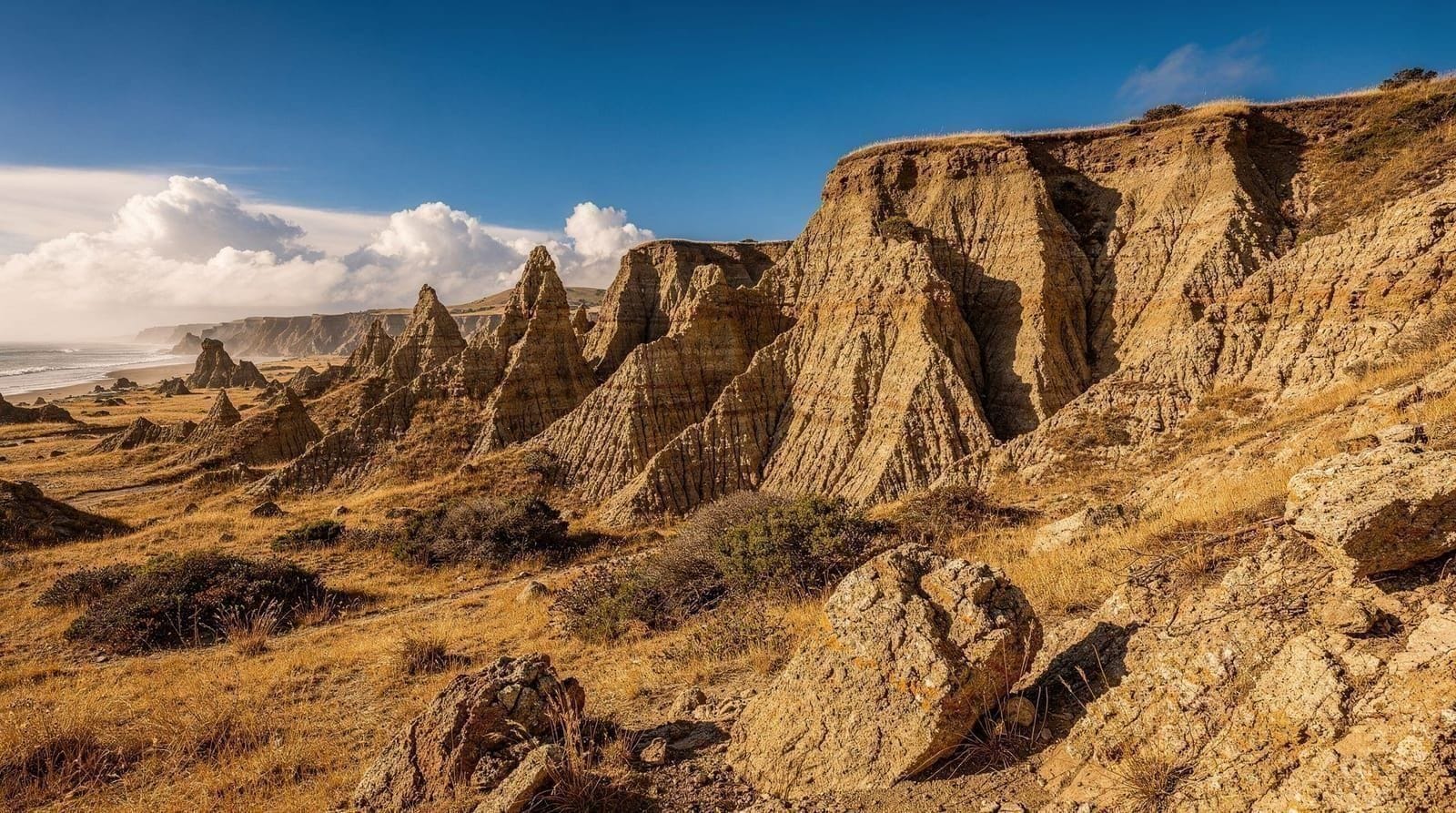
There’s no public transport option to Cape Palliser at all, which means the choice is between a self-drive rental car and a booked guided tour. For visitors comfortable navigating rural New Zealand roads, including a narrower, partly unsealed final stretch past Ngawi, self-driving offers flexibility to linger at the seal colony or detour to Putangirua Pinnacles along the way. For those without a rental car, or preferring not to navigate unfamiliar roads themselves, the Cape Palliser Coastal Explorer walking tour from Wellington covers the full return trip with a guide, including stops at the seal colony and lighthouse.
A realistic hour-by-hour structure
Departing Wellington by 8-8:30am puts you in Martinborough by mid-morning for a brief stop if desired, then on to Cape Palliser by around midday. This leaves the early-to-mid afternoon for the seal colony, the lighthouse climb, and a wander through Ngawi, with a realistic departure back toward Wellington by 3-3:30pm to arrive home before dark — an important margin given how sparse fuel, food and mobile coverage become once you’re past Martinborough on the return leg too.
The seal colony and lighthouse: how much time to allow
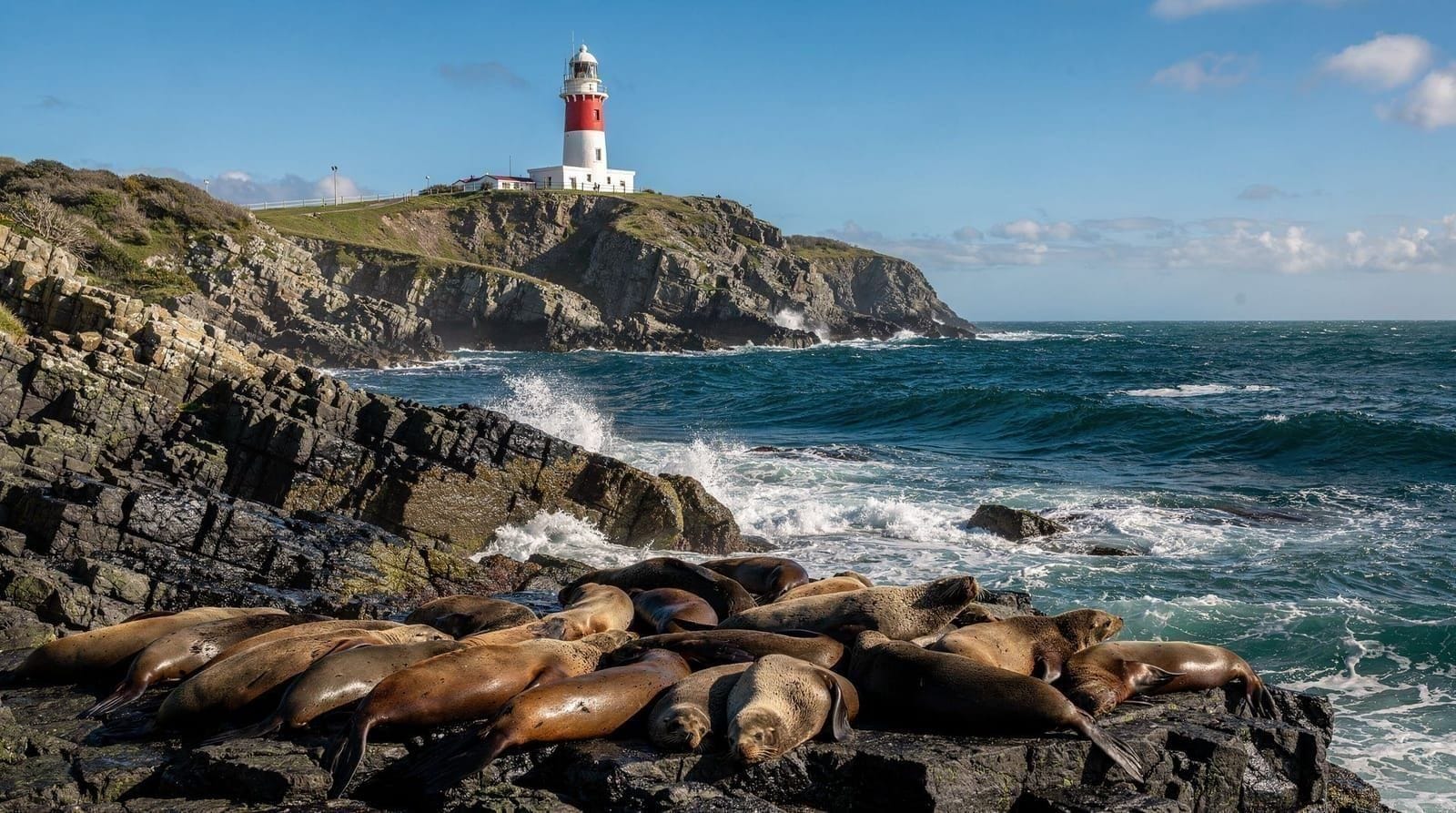
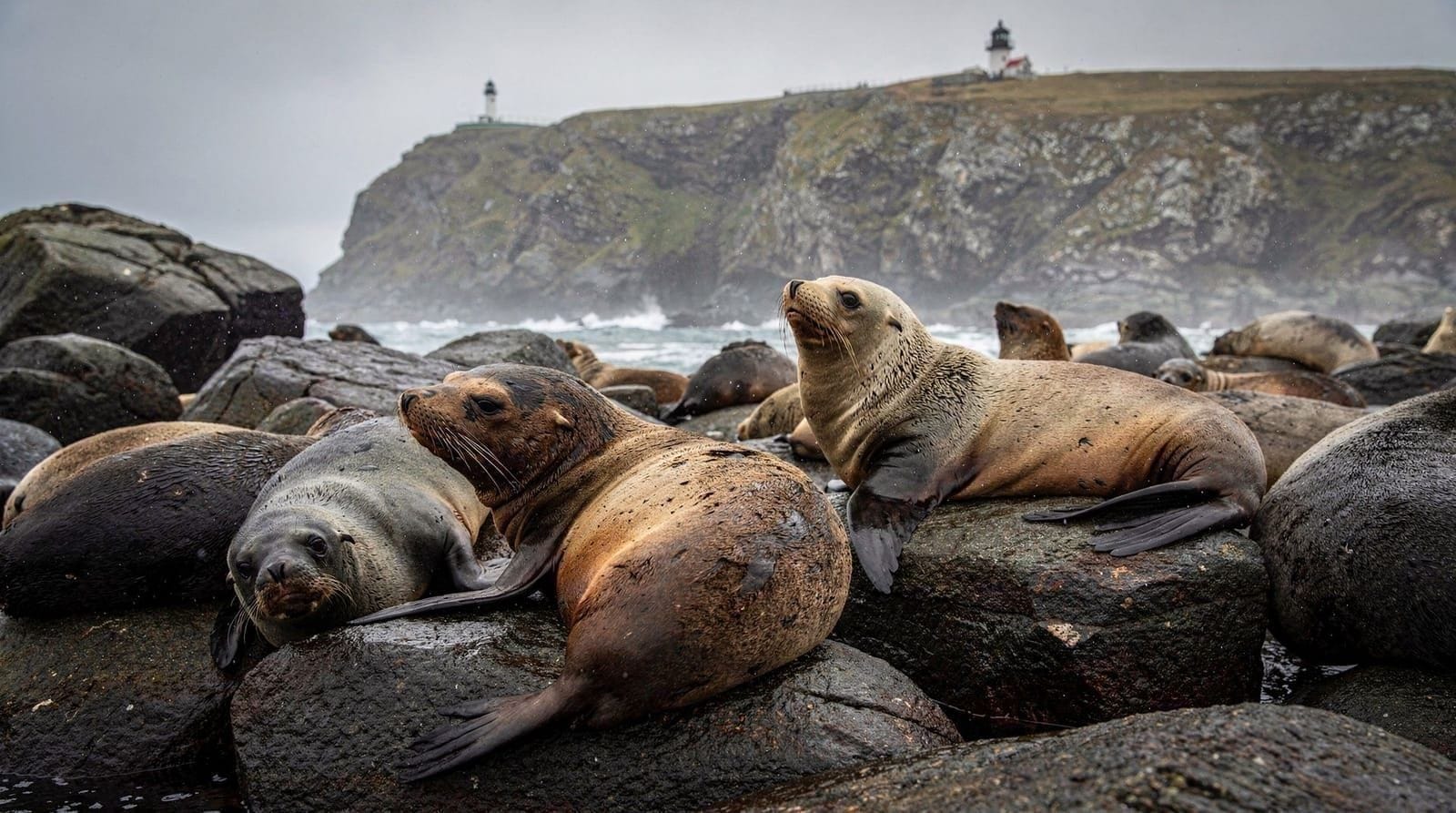
Budget at least an hour at the seal colony itself, more if you’re keen on photography, since fur seals are most active and interesting to watch in the cooler parts of the day rather than during the midday heat. The lighthouse climb — around 250 wooden steps — takes 20-30 minutes round trip including time at the top for the view, and it’s worth doing regardless of how tired the drive has left you, since the payoff is considerable on a clear day.
Should you combine this with Martinborough wine tasting?
Since Martinborough sits directly on the route, combining a wine stop with the Cape Palliser drive is tempting, but it’s genuinely ambitious to do both properly in one day — easily 9-10 hours door to door once driving, tastings, walking and stops are all factored in realistically. If wine is the priority, consider a separate Martinborough day trip instead, or a brief single tasting stop en route to Cape Palliser rather than a full wine-tasting itinerary on the same day.
What to expect on the road
The route through Featherston and Martinborough is fully sealed and easy driving, but the final stretch of coast road past Lake Ferry toward Ngawi and the lighthouse narrows considerably, with unsealed sections and limited passing room on tighter bends nearest the coast. It’s manageable for a standard rental car in dry conditions, but it demands a slower, more attentive pace than the earlier legs of the drive, and extra caution after rain when some unsealed sections can get slippery.
Facilities: plan around the gap
Once you’re past Martinborough, there’s essentially no fuel, shops or restaurants until you’re back in Martinborough on the return leg — fill up before heading further south, and pack food and water for the day. This isn’t a route where you can rely on finding a café along the way, which is part of why it feels genuinely remote despite being a manageable day trip by distance.
Weather and what to pack
This exposed southern coastline is consistently breezy, even on days that feel calm in Wellington or Martinborough, so a windproof layer is worth packing regardless of season. Sturdy shoes matter for the lighthouse steps and any walking at Putangirua Pinnacles if you add that detour, and sunscreen is worth applying even on overcast days given the exposed, shade-free nature of most stops along the route.
Photography timing
Early morning light suits this east-facing coastline better than harsh midday sun, and seals are often more active before the day warms up — a genuine reason to prioritise an earlier departure rather than a leisurely late-morning start if photography is a priority for your visit.
Is it worth the drive?
For travelers with a genuine interest in wildlife and remote, unpolished coastline, yes — Cape Palliser offers something none of Wellington’s closer attractions can match: a proper wild seal colony, a working fishing settlement unlike anywhere else in the country, and a coastline that feels meaningfully distant from the capital. The honest trade-off is a long drive on narrowing rural roads and minimal facilities once past Martinborough, but treated as its own dedicated day rather than squeezed alongside other plans, it delivers considerably more than a rushed half-day version ever could.
Fuel, phone coverage and the honest remoteness of this route
It’s worth repeating how genuinely remote the final stretch of this trip feels, since visitors used to New Zealand’s generally well-serviced main highways sometimes underestimate it. Once past Martinborough, there’s no fuel station, no reliable phone signal for long stretches, and no roadside food or drink options until you’re back in Martinborough on the return leg. This isn’t a route to attempt with a low fuel tank or an assumption that help is a quick phone call away if something goes wrong — treat it with the same preparation you’d bring to any genuinely rural New Zealand drive.
What families should know before committing to this trip
The drive itself, at 1h40-2h each way, is long enough that younger children may find the round trip tiring, even accounting for the payoff of the seal colony and lighthouse. Families with young children sometimes find more success treating this as an overnight trip, staying in Martinborough or nearby, rather than attempting the full round trip from Wellington in a single day — breaking up the driving reduces the strain on both children and parents considerably.
A local’s take on the best time of day to arrive
Locals who visit Cape Palliser regularly generally recommend arriving in the early afternoon rather than at midday, since seal activity tends to pick up again as the day’s heat eases, and the light for photography improves as the sun moves lower in the sky over the following couple of hours. This means a slightly later departure from Wellington than the itinerary outlined above can work just as well, provided you still allow a comfortable buffer for the return drive before dark.
Combining with a guided tour for a stress-free version
For visitors who’d rather not manage the driving, fuel planning and navigation themselves, the guided coastal explorer tour removes essentially all of this logistical planning, at the cost of a fixed schedule rather than the flexibility of a self-drive day. Given how much of this guide is dedicated to careful timing and fuel planning, it’s worth being honest that a guided tour genuinely simplifies the day for visitors who’d rather focus on the destination than the driving.
The final stretch: driving past Ngawi carefully
The road immediately around Ngawi settlement itself demands particular care, since tractors, trailers and fishing equipment can appear unexpectedly close to the road as the small fleet moves boats between launches — this isn’t a hazard visitors from more conventional coastal towns are used to watching for, and slowing down through the settlement itself, rather than treating it as a quick drive-through, both respects the working community and avoids any unexpected encounter with machinery on the move.
What a guided tour adds beyond just transport
Beyond removing the driving and fuel-planning burden, a guided tour typically includes commentary on the area’s history, seal behaviour, and the working life of Ngawi that most self-driving visitors wouldn’t otherwise access, since none of this context is signposted along the route itself. For visitors with a genuine interest in understanding what they’re seeing, rather than simply viewing it, this guided context is a meaningful part of the tour’s value beyond the basic logistics.
Seasonal road conditions
Beyond the general wet-weather caution already covered, the unsealed sections nearest the coast can develop corrugations after sustained dry spells too, particularly through summer when traffic volume on the road increases with tourist visits — driving at a moderate, steady pace over these sections is more comfortable and safer than pushing speed on a surface that looks deceptively smooth from a distance.
A note on cell phone emergency preparedness
Given the patchy-to-nonexistent mobile coverage along much of the final approach to Cape Palliser, it’s worth telling someone your planned route and expected return time before setting out, a simple precaution that costs nothing but provides a genuine safety margin on a route where a breakdown or accident could otherwise go unnoticed for longer than it would on a busier, better-connected road.
Insurance and rental-car excess for this specific route
Given the unsealed sections on the final approach, it’s worth checking your rental car agreement’s terms around unsealed-road driving specifically, since some rental companies apply exclusions or higher excess amounts for damage sustained on unsealed roads. Confirming this detail before setting out avoids an unwelcome surprise if a stone chip or minor scrape occurs on the gravel sections near Ngawi.
Comparing self-drive against the guided tour
Weighing the two options directly: self-driving costs less if you already have a rental car, gives full flexibility over timing and any detours (Putangirua Pinnacles, an extra stop in Martinborough), but requires confidence navigating narrowing, partly unsealed rural roads and careful fuel and time planning. The guided coastal explorer tour costs more but removes all of that logistical burden, adds commentary on the area’s history and seal behaviour, and suits visitors without a rental car or who’d simply rather not manage the driving themselves. Neither is objectively better — it comes down to whether flexibility or a stress-free fixed itinerary matters more for your trip.
Frequently asked questions about Cape Palliser day trip guide
Do you need a car to visit Cape Palliser?
There's no public transport option, so either a self-drive rental or a booked guided tour are the only realistic ways to visit — this isn't a destination reachable by bus or train.What time should you leave Wellington for Cape Palliser?
Departing by 8-8:30am gives a comfortable full day, allowing for the drive via Martinborough, time at the seal colony and lighthouse, and the return journey before dark, particularly important given how few facilities exist along the final stretch of road.Can you combine Cape Palliser with Martinborough wine tasting?
It's possible but genuinely ambitious — doing both thoroughly in one day easily runs 9-10 hours door to door. Most visitors either prioritise one or accept a more rushed version of both.Is the drive to Cape Palliser difficult?
The route via Featherston and Martinborough is fully sealed, but the final coast road toward Ngawi and the lighthouse narrows and has unsealed sections, requiring a slower, more attentive driving pace than the earlier stretches.What should you pack for a Cape Palliser day trip?
A full tank of fuel before leaving Martinborough (no fuel further south), food and water given minimal facilities along the route, sturdy shoes for the lighthouse steps, and a windproof layer for this exposed stretch of coast.Is Cape Palliser suitable for a rental car, or do you need a 4WD?
A standard rental car handles the route fine in dry conditions, including the unsealed sections near Ngawi, though a slower, more attentive driving pace is needed there. A 4WD isn't necessary, but checking your rental agreement's terms on unsealed-road driving is worth doing beforehand.What's the best time of day to see the seals at Cape Palliser?
Early morning and early afternoon tend to see more seal activity than the heat of midday, and locals who visit regularly often recommend an early-afternoon arrival specifically, when activity picks up again as the day's heat eases.