Best time for Martinborough wine
There isn’t a single “best” month, but there is a best fit for your priorities
Martinborough rewards a visit in almost any season, but the right time genuinely depends on what you want from the day — a calm, focused tasting experience points to autumn harvest (March-May), a livelier social event points to Toast Martinborough in November, and a quiet, uncrowded off-season visit points to winter (June-August). This piece weighs those three windows against each other so you can pick deliberately rather than by accident.
| Where | Martinborough, ~1h15 from Wellington over the Remutaka Range |
| Best for wine focus | Autumn harvest, March-May |
| Best for atmosphere | Toast Martinborough, November |
| Best for value/quiet | Winter, June-August |
| Booking | 1 week+ ahead for harvest/festival, less for winter |
Season-by-season comparison
| Season | Crowds | Cellar-door access | Best for |
|---|---|---|---|
| Autumn (Mar-May) | Moderate | Full, current-vintage pours | Wine-focused, harvest interest |
| Toast Martinborough (Nov) | Highest | Suspended for festival format | Big social atmosphere |
| Spring (Oct-Nov, non-festival) | Low-moderate | Full, relaxed | Good weather without crowds |
| Winter (Jun-Aug) | Lowest | Reduced hours at smaller producers | Value, quiet tasting rooms |
| Summer (Dec-Feb) | Moderate-high | Full | Warm days, higher accommodation cost |
Autumn harvest: the wine-focused choice
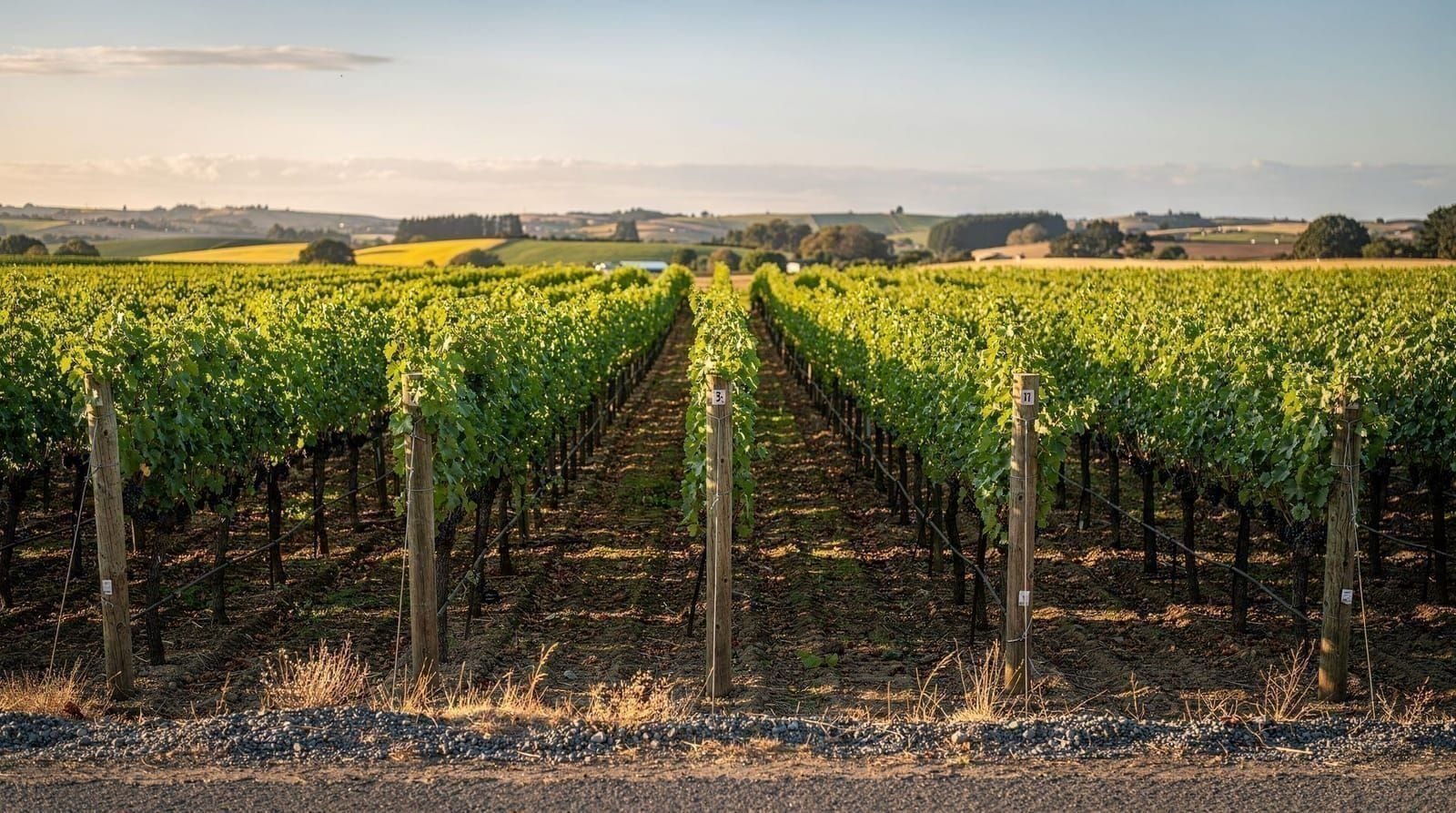
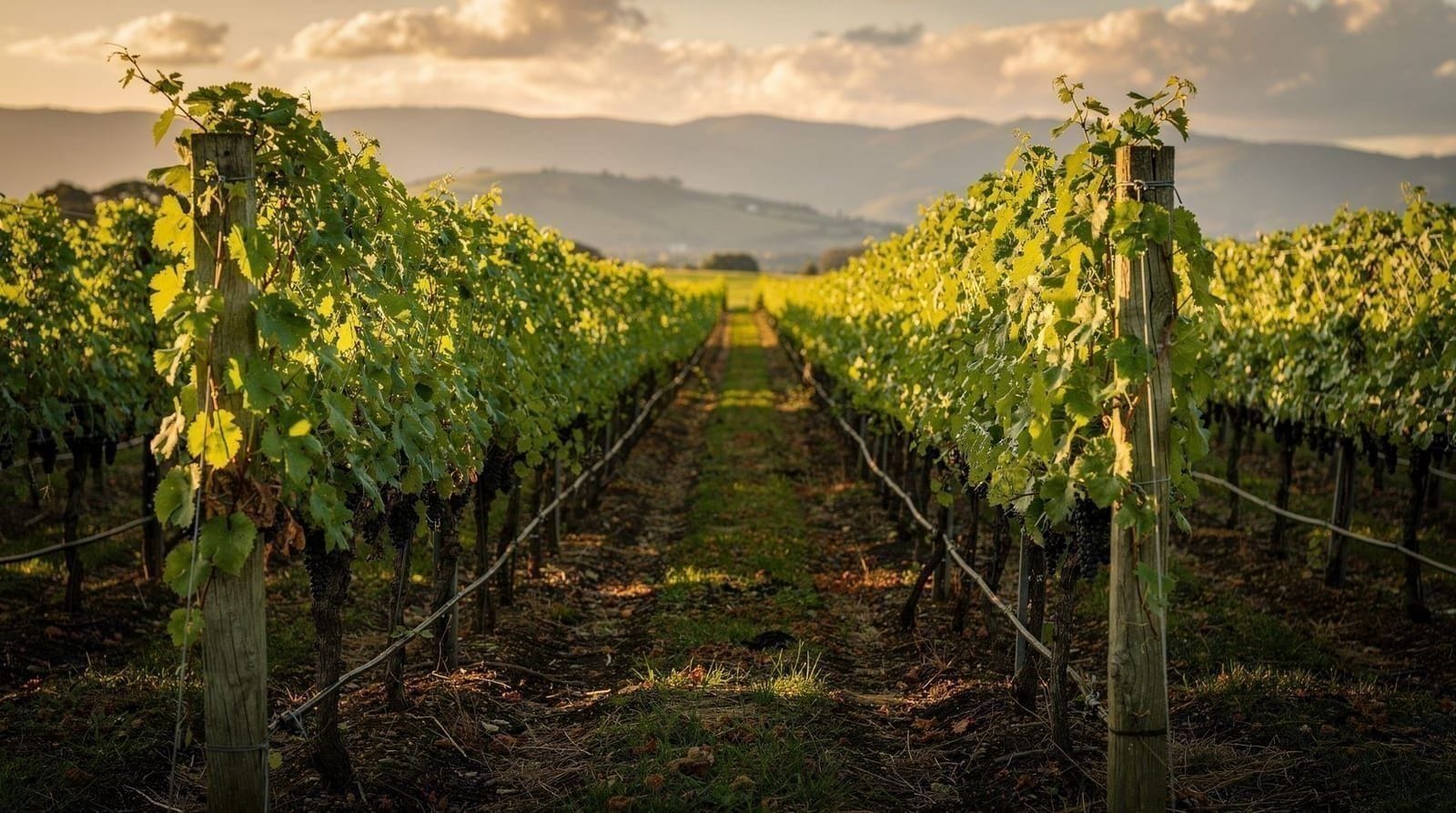
March through May is when Martinborough’s grapes are actually picked, and it’s the season most wine-focused visitors should target — cellar doors are fully staffed, some producers pour current-vintage wine straight from tank alongside their bottled range, and the settled autumn weather is generally the most reliable of the year for a self-drive day trip over the Remutaka Range. It’s also, not coincidentally, the season this site recommends for Wellington generally, so a Wairarapa wine day slots naturally into a broader autumn Wellington trip. Our Martinborough harvest season guide covers the exact timing and what changes at the cellar door in more depth.
Toast Martinborough: the social choice
Held each November, Toast Martinborough is the region’s headline event — a single day combining wine, food and live music across multiple wineries, and genuinely one of the best organised wine festivals in the country. It comes with real trade-offs: tickets and accommodation both sell out well ahead, prices rise accordingly, and normal cellar-door tastings are suspended in favour of the festival format for the day itself. If a big, social, once-a-year atmosphere is what you’re after, it’s worth the crowds; if you’d rather have a winemaker’s full attention over a quiet tasting flight, this is the wrong weekend to pick.
Spring: a genuine middle ground
October and November (excluding the festival weekend itself) offer new growth on the vines, generally settled weather, and cellar doors back to their normal, relaxed operating rhythm after the previous autumn’s harvest demands. It’s a reasonable pick for visitors who want good weather and full cellar-door access without either harvest’s working intensity or the festival’s crowds — arguably the least-discussed of the three windows, and slightly underrated for exactly that reason.
Winter: the quiet, budget-friendly option
June through August is Martinborough’s off-season, and it shows in lower accommodation prices and noticeably thinner crowds at the well-known cellar doors. The trade-off is that some smaller, boutique producers reduce their hours or move to appointment-only visits during this period, so calling ahead before you drive out matters more here than in any other season. Winter mornings crossing the Remutaka Range can also be misty and cold, worth building into your drive-time expectations if you’re self-driving rather than joining a tour.
Summer: workable but not the strongest pick
December through February brings Wellington’s peak season pricing and crowding generally, and while Martinborough itself doesn’t get as busy as the CBD, warm, dry summer days are genuinely pleasant for a wine day — just don’t expect the harvest activity or festival buzz of the other seasons, and expect higher accommodation costs if you’re staying overnight in the Wairarapa rather than day-tripping from Wellington.
How Martinborough’s wine style responds to the season
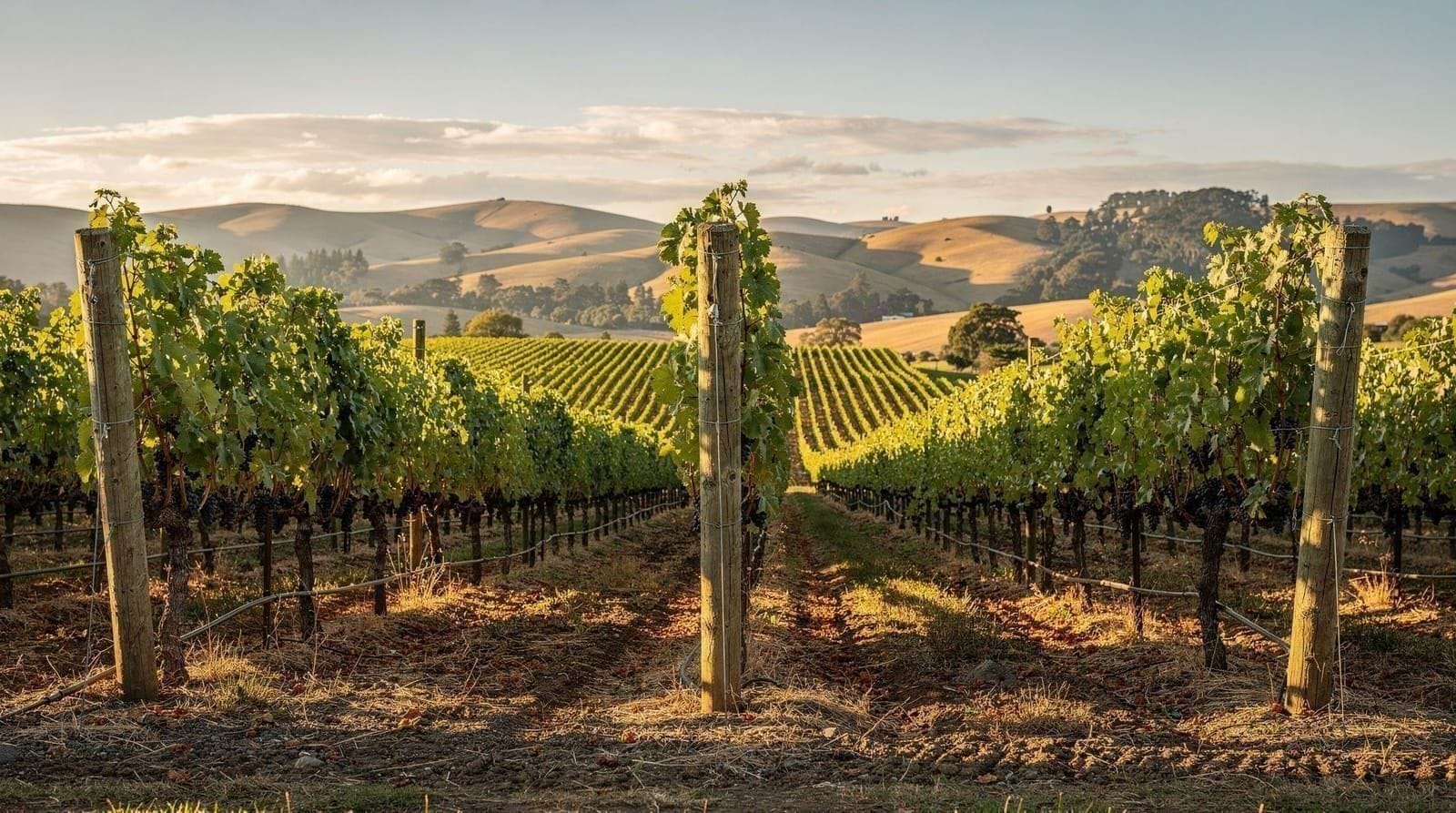
Martinborough’s climate — warm, dry autumns with cool nights — is exactly what allows pinot noir to ripen slowly and fully, and it’s part of why the region built its reputation on that specific grape rather than the sauvignon blanc that dominates Marlborough across Cook Strait. Visiting during harvest gives a closer look at the actual conditions shaping that year’s vintage; visiting in winter, after the wine is already in barrel or bottle, gives a calmer, more purely tasting-focused experience with the same wines further along in their development. Our Wairarapa vs Marlborough wine comparison covers the wider stylistic contrast between the two regions if you’re weighing both on the same trip.
Comparing a Martinborough day to a Marlborough one
If you’re weighing Martinborough against a Marlborough Sounds wine day instead of deciding purely on timing, the two regions suit different priorities regardless of season — our Martinborough vs Marlborough wine comparison covers the practical differences in distance, grape focus and day-trip logistics from Wellington. Broadly, Martinborough’s proximity makes it the easier single-day pick in any season, while Marlborough usually needs the Cook Strait ferry crossing built into the day.
Driving logistics for whichever season you pick
The drive itself changes meaningfully with season — clear autumn light over the Remutaka Range is one thing, misty winter mornings are another — and our driving to the Wairarapa from Wellington guide covers the route in more detail than the season notes above. If you’re weighing a self-drive day against a guided tour more broadly, our wine day trip logistics guide lays out the trade-offs independent of which season you eventually choose.
Booking around your chosen season
Whichever window you pick, book cellar-door appointments and any restaurant tables further ahead during harvest and Toast Martinborough than you would in the quieter winter months — a week or more ahead for the well-known names, and considerably earlier for the festival weekend itself. Our best Martinborough wineries guide is worth checking before you book, since not every producer runs the same visitor program across every season.
Getting there without a car
If you’d rather not drive over the Remutaka Range yourself, particularly during a busier season when parking and traffic both increase, a guided option removes that consideration entirely. This Martinborough winery tour runs across the shoulder seasons and includes tastings at several cellar doors without you needing to worry about driving after tasting. For a longer day that adds a proper lunch stop, this wine and food tour with lunch from Wellington is a reasonable alternative, particularly for a first visit to the region.
Combining the timing decision with a wider Wairarapa visit
Martinborough’s harvest and Toast Martinborough windows both overlap well with a broader look at the Wairarapa, including Greytown’s heritage shopping strip and the wider Masterton area, if your schedule allows more than a single day. Our wine lovers’ weekend in Martinborough itinerary works a two-day version of this into a single trip, useful if you want to properly experience whichever season you’ve chosen rather than rushing back to Wellington the same evening.
Martinborough by bike as a seasonal consideration
However you time your visit, exploring the town’s compact cellar-door cluster by bicycle rather than car is a genuinely pleasant way to spend a mild autumn or spring day, and it sidesteps the drink-driving concern that a self-drive day otherwise requires managing carefully. Our Martinborough by bike guide covers rental logistics and a sensible route, and it’s a noticeably less appealing option in winter’s colder, wetter conditions.
Weekday versus weekend timing
Regardless of which season you pick, visiting Martinborough on a weekday rather than a weekend meaningfully changes the experience — cellar doors are quieter, staff have more time to talk through the wine in detail, and popular restaurants like Margrain are easier to book without weeks of notice. This matters most during harvest and Toast Martinborough, when weekend demand compounds with the season’s own higher visitor numbers.
What the weather actually does on a wine day
Martinborough sits in a rain shadow created by the Tararua and Remutaka ranges, which is a large part of why the region gets the warm, dry autumns that suit pinot noir so well — expect noticeably less rain here than Wellington itself experiences on the same day, since the ranges block much of the weather systems that reach the coast. This local microclimate is worth knowing if a forecast for Wellington looks unpromising; Martinborough is frequently drier and calmer on the same day.
Combining the timing decision with accommodation choices
Martinborough itself has limited accommodation relative to demand during harvest and Toast Martinborough specifically, and many visitors instead base themselves in Wellington and day-trip out, or stay in the wider Wairarapa in Greytown or Masterton where availability is generally better. Booking accommodation at the same time as any cellar-door appointments avoids discovering a shortage after committing to specific tasting times.
A second look at winter for value-focused visitors
Winter’s quieter cellar doors and lower accommodation prices are worth taking seriously rather than dismissing purely because it isn’t the “recommended” season — the wine itself doesn’t change with the calendar, and a winter visit gets you the same producers’ current releases with none of the harvest or festival crowding. The main cost is a genuine chance of needing to call ahead to confirm a smaller producer is open, a minor inconvenience against the benefit of quieter tasting rooms.
Frequently asked questions about timing a Martinborough wine visit
Is Toast Martinborough worth attending even if I don’t usually go to festivals?
Yes, if a big, social, once-a-year atmosphere appeals to you — it’s genuinely one of New Zealand’s best-run wine festivals, though it comes with real crowding and higher prices that a festival-averse visitor should weigh honestly.
Can I visit Martinborough as a day trip from Wellington in any season?
Yes — the roughly 1h15 drive works year-round, though winter mornings over the Remutaka Range can be misty, and it’s worth allowing extra time for the crossing during that season specifically.
Does harvest season guarantee I’ll see grapes being picked?
No — timing shifts year to year with the growing season, and picking activity is more visible at some producers than others; it’s worth asking directly when booking rather than assuming any cellar door will have something to show.
Does the season affect food pairing options at cellar doors?
Somewhat — summer and autumn cellar doors more often run outdoor platters or lunch service, while winter visits lean more toward indoor tasting rooms; our wine and food pairings in Wairarapa and Marlborough guide has specifics if pairing matters to your choice of season.
The honest recommendation
If wine quality and a calm, focused visit matter most, harvest season (March-May) is the strongest overall pick, offering the best combination of weather, cellar-door access and genuine seasonal interest. If a big, social occasion is what you’re after and you don’t mind crowds and higher prices, Toast Martinborough in November delivers that specifically. Everything else — spring, winter, summer — is a reasonable choice too, just with a different trade-off between crowds, cost and cellar-door availability that’s worth weighing honestly against your own travel dates rather than assuming one season is objectively correct for every visitor.